Table of Contents >> Show >> Hide
- Understand HS Wounds: Why They’re Different
- The HS Wound Care Toolkit (No, You Don’t Need a Hospital Supply Closet)
- Step-by-Step: Daily HS Wound Care Routine
- Choosing Dressings for HS: What Works (and What Often Doesn’t)
- Location-Specific Tips (Because Armpits and Groin Don’t Follow the Same Rules)
- What NOT to Do (Your Future Self Will Thank You)
- Odor and Drainage: The Awkward Part Nobody Deserves (But Many Deal With)
- Pain and Comfort: Small Changes That Make a Big Difference
- When to Call a Professional (Not LaterNow)
- How Wound Care Fits Into the Bigger HS Treatment Plan
- on Real-Life Experiences: What People Learn the Hard Way (So You Don’t Have To)
- Conclusion
Hidradenitis suppurativa (HS) is the kind of chronic skin condition that shows up in high-friction places (armpits, groin, under breasts, buttocks) and acts like it pays rent. HS bumps can swell, hurt, leak, and sometimes heal slowlyso day-to-day wound care isn’t “extra,” it’s part of the game plan.
The goal of HS wound care is simple (even if HS isn’t): protect your skin, manage drainage and odor, reduce irritation, and help wounds heal while you work with a clinician on long-term treatment. This guide focuses on practical, realistic tipsbecause you shouldn’t need a PhD in Band-Aid Engineering to get through a Monday.
Quick note: This article is educational, not medical advice. HS varies a lot. If you’re unsure what to useor you’re seeing worsening pain, spreading redness, fever, or rapidly increasing drainagecontact a healthcare professional.
Understand HS Wounds: Why They’re Different
HS is an inflammatory condition of the hair follicle in areas where skin rubs together. Lesions can be tender nodules, abscess-like lumps, or open/draining areas. Some people also develop sinus tracts (tunnel-like channels under the skin) and scarring over time. That matters for wound care because HS skin can be:
- Easily irritated by friction, sweat, and sticky adhesives
- Prone to heavy drainage during flares (meaning dressings need real absorbency)
- Slow to heal without consistent protection and inflammation control
The HS Wound Care Toolkit (No, You Don’t Need a Hospital Supply Closet)
Start with a small “HS kit” you can keep at home and restock. The best supplies are the ones you’ll actually use consistently.
Core supplies
- Gentle cleanser (fragrance-free, non-soap options tend to be less irritating)
- Soft gauze or clean cloths for patting dry (no aggressive scrubbing)
- Non-adherent contact layer (so dressings don’t stick and tear at tender skin)
- Absorbent pads (ABD pads are popular for medium-to-heavy drainage)
- Skin-friendly tape or alternative ways to secure dressings (more on that below)
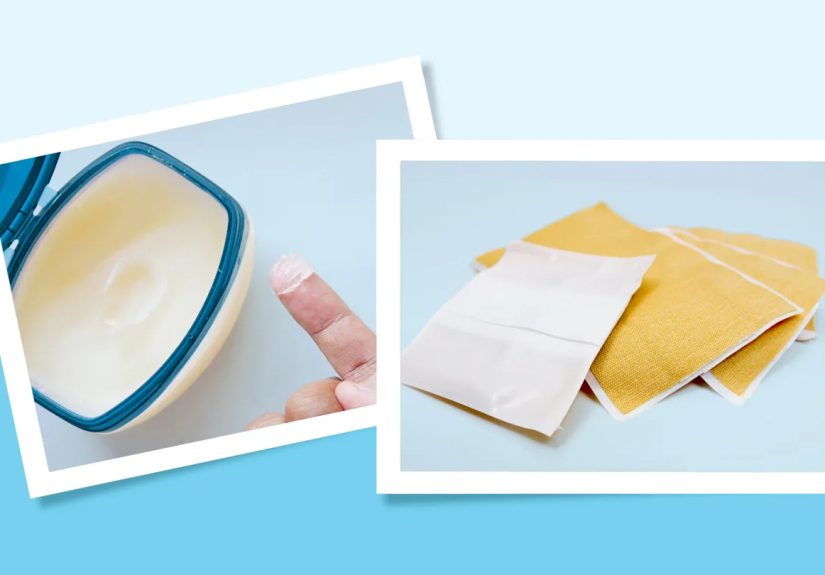
- Barrier ointment (to protect surrounding skin from moisture and friction)
- Disposable gloves (optional, but helpful if you’re squeamish or protecting irritated hands)
Nice-to-have add-ons
- Warm compress setup (clean washcloth + warm water; easy and effective)
- Antiseptic wash if your clinician recommends it and your skin tolerates it
- Extra underwear or undershirts (for quick changes on drainage-heavy days)
Step-by-Step: Daily HS Wound Care Routine
1) Clean gently (think “spa day,” not “power washer”)
Wash affected areas with a gentle cleanser and lukewarm water. Skip loofahs and rough washcloths on HS-prone skinfriction can worsen irritation. After washing, pat the area dry rather than rubbing.
Some clinicians recommend antiseptic washes (for example, chlorhexidine or benzoyl peroxide washes) for certain peopleoften starting slowly (like once weekly) and increasing only if the skin tolerates it.
2) Use warm compresses for painful, inflamed spots
A warm compress can reduce discomfort and may encourage gentle drainage in some HS lesions. A simple method: warm water + clean washcloth applied for about 10 minutes, repeated as needed during the day.
Important: “Warm” is the keyword, not “fresh-from-a-volcano.” If it’s too hot for your inner wrist, it’s too hot for tender HS skin.
3) Protect surrounding skin (barrier = your best friend)
HS drainage and moisture can irritate nearby skin, especially in folds. Apply a thin layer of barrier ointment to the skin around the wound (not necessarily inside the wound unless your clinician directs you). This helps prevent macerationskin that gets soggy and fragile from constant moisture.
4) Dress the wound based on drainage level
HS dressing is all about matching the dressing to the amount of drainage and the location.
- Light drainage: non-adherent layer + small absorbent pad
- Moderate drainage: non-adherent layer + ABD pad (or thicker absorbent dressing)
- Heavy drainage: larger, highly absorbent pad; plan for more frequent changes
5) Change dressings as often as needed (yes, sometimes that’s “a lot”)
During active flares, some people need multiple dressing changes per dayespecially if drainage is heavy or the dressing is in a high-sweat area. A good rule: change when the dressing is saturated, starts to leak, or becomes uncomfortable.
Choosing Dressings for HS: What Works (and What Often Doesn’t)
Non-adherent contact layers: reduce pain on removal
If you’ve ever peeled off a stuck dressing and felt your soul leave your body for a secondnon-adherent layers are for you. They help prevent dressings from sticking to tender areas, lowering trauma and discomfort during dressing changes.
Absorbent pads: manage drainage without constant leaks
Many HS patients and clinicians rely on simple, absorbent options like ABD pads for drainage controlespecially because HS often requires frequent changes, and complicated adhesive dressings can be frustrating and irritating.
Foam dressings: cushion + absorbency
Foam dressings can be useful for certain HS lesions because they absorb fluid and provide cushioning in high-friction zones. They may be especially helpful when you need protection from rubbing clothing or skin-on-skin contact.
Be cautious with strong adhesives
Adhesives can irritate HS-prone skin, especially in sweaty folds. If tape makes you itch, burn, or break out, you’re not being “dramatic”your skin is giving feedback. Consider:
- Skin-sensitive tapes
- Stretchy netting garments
- Snug (not tight) breathable clothing to hold pads in place
- Purpose-built HS dressing solutions that reduce reliance on adhesives (if accessible)
Location-Specific Tips (Because Armpits and Groin Don’t Follow the Same Rules)
Underarms
- Prioritize flexibility: choose dressings that bend with movement.
- Reduce friction: soft undershirts and breathable fabrics help.
- Secure smartly: if tape irritates, consider wrap-style support or clothing-based hold.
Groin and inner thighs
- Think “anti-chafe” strategy: barrier ointment + breathable underwear can reduce rubbing.
- Choose low-bulk dressings: bulky pads can increase friction while walking.
- Bring spares: quick changes can be a sanity-saver during active drainage.
Under breasts
- Moisture control matters: absorbent materials and breathable bras can help.
- Avoid rough seams: smooth, supportive fabrics reduce rubbing.
Buttocks / between cheeks
- Secure, absorbent dressings: this area is high-movement and high-moisture.
- Comfort counts: non-adherent layers can reduce pain when sitting and changing dressings.
What NOT to Do (Your Future Self Will Thank You)
Don’t squeeze, pick, or “pop” HS lesions
HS can resemble acne, but it doesn’t behave like it. Squeezing can worsen inflammation, increase scarring risk, and may raise infection risk. If drainage needs medical help, a clinician can offer safer options.
Don’t scrub aggressively
Scrubbing can irritate HS-prone skin and increase inflammation. Gentle cleansing wins the long game.
Don’t use random harsh home chemicals
If you see a “miracle” hack involving strong acids, undiluted vinegar, or essential oils directly on open skinpause. HS skin is already in a feud with the world. Don’t invite more chaos.
Odor and Drainage: The Awkward Part Nobody Deserves (But Many Deal With)
HS drainage can have a strong odor, and that can be emotionally rough. You’re not dirtyodor is often the result of drainage, moisture, and bacteria interacting in warm skin folds.
Practical odor-management tips
- Change dressings before they’re fully saturated (less time for odor to build)
- Use breathable fabrics to reduce trapped moisture
- Gentle cleansing and thorough pat-drying
- Talk to a clinician if odor suddenly worsens (it can sometimes signal infection or a change in wound status)
Pain and Comfort: Small Changes That Make a Big Difference
HS pain can be significant. Comfort-focused wound care isn’t a luxuryit’s part of staying consistent.
- Warm compresses can ease discomfort for some lesions.
- Non-adherent dressings can reduce pain at dressing changes.
- Loose-fitting clothing reduces rubbing and pressure.
- Plan dressing changes around showers when possible (warm water can help soften stuck edges and make removal easier).
When to Call a Professional (Not LaterNow)
HS flares can blur the line between “normal for me” and “this is getting risky.” Contact a healthcare professional promptly if you notice:
- Fever or feeling generally unwell
- Rapidly spreading redness or warmth around a lesion
- Sudden jump in pain or swelling
- Drainage that increases dramatically or changes character
- Wounds that aren’t healing or keep reopening
- New or worsening tunnels or areas that feel “connected” under the skin
HS often benefits from care by a dermatologist, and some people also benefit from a wound care specialistespecially when wounds are slow to heal.
How Wound Care Fits Into the Bigger HS Treatment Plan
Wound care is essential, but it’s only one part of HS management. Long-term improvement often requires reducing inflammation and preventing new lesions through a personalized medical plan (which may include topical or oral medications, injections/biologics, hormonal approaches for some people, or procedures when needed).
Here’s the key mindset shift: Dressings manage the “today problem” (drainage, protection), while treatment aims to reduce the “tomorrow problem” (new flares and progression). You deserve both.
on Real-Life Experiences: What People Learn the Hard Way (So You Don’t Have To)
If you talk to people living with HS, you’ll notice a theme: wound care becomes less about finding “the perfect dressing” and more about building a system that works on your worst days, not just your best ones. Many people describe an early phase where they try to treat HS like a one-time problemsomething you can scrub away, dry out, or outsmart with the world’s strongest soap. That usually ends with irritated skin and a cabinet full of products that seemed promising at 2 a.m. but were a terrible idea by morning.
One common experience is realizing that friction is a flare’s favorite snack. People often say the biggest “upgrade” wasn’t a fancy productit was switching to softer clothing, wearing breathable fabrics, and preventing rubbing with a barrier ointment around sensitive areas. Another lesson: adhesives can be a relationship dealbreaker. Many HS patients discover that the skin around lesions gets angry fast when tape is involved, especially in sweaty folds. That’s why people experiment (carefully) with skin-sensitive tape, wrap-style support, or clothing-based ways to hold dressings in place.
Drainage management is another big one. People frequently mention that they didn’t anticipate how often they’d need to change dressings during a flaresometimes more than once a day. A practical habit many learn is keeping a small “mini kit” in a bag: a couple of pads, a non-adherent layer, and a clean cloth. It’s not glamorous, but it can turn a stressful day into a manageable one. Some also find that scheduling dressing changes around showers helpswarm water and gentle cleansing can make everything feel less painful and less messy.
Emotionally, HS wound care can feel isolating. People often describe worrying about odor or leaks in public, even when they’re doing everything “right.” Over time, many develop strategies that reduce anxiety: dressing changes before going out, breathable layers, and planning outfits that don’t rub. Others mention that talking with a dermatologist (or a wound care clinician) helped them stop improvising and start using a clearer planespecially when wounds weren’t healing well.
The most repeated advice from lived experience is surprisingly simple: be gentle, be consistent, and don’t blame yourself. HS isn’t caused by being “unclean,” and wound care isn’t a moral test. It’s a practical routinelike brushing your teeth, except the stakes feel higher and your armpit is dramatically overqualified for the role of Problem Area of the Year.
Conclusion
HS wound care is about protecting your skin, managing drainage, and reducing irritationespecially in friction-heavy areas. Gentle cleansing, warm compresses when appropriate, non-adherent dressings, and absorbent pads can make day-to-day life more manageable. Most importantly, consistent wound care works best alongside a personalized medical plan, because reducing inflammation is often the key to fewer flares and better healing over time.