Table of Contents >> Show >> Hide
- What Does It Mean When a Dog Nibbles on You?
- Why Does My Dog Nibble on Me?
- Is Dog Nibbling Ever a Problem?
- How to Make Your Dog Stop Nibbling on You
- What Not to Do
- When to Call Your Vet or a Certified Behavior Professional
- Final Thoughts
- Real-Life Experiences: What Dog Nibbling Often Looks Like at Home
- SEO Tags
One minute your dog is cuddly and adorable. The next, they are gently gnawing on your hand like you are a breadstick with opinions. If you have ever asked, “Why does my dog nibble on me?” you are definitely not alone. This behavior is common in puppies, pretty common in adolescent dogs, and not exactly rare in adults who never got the memo that human arms are not chew toys.
The good news is that dog nibbling usually is not a sign that your pet is plotting your downfall. In many cases, it is a normal dog behavior tied to play, attention, excitement, teething, or simple over-the-top affection. The not-so-good news? Cute nibbling can turn into a bad habit fast if you accidentally reward it. That means a playful little mouthy moment can grow into a daily routine starring your sleeves, ankles, and patience.
In this guide, we will break down why dogs nibble on people, how to tell harmless mouthing from a more serious issue, and exactly how to stop the behavior without turning your living room into a tiny canine courtroom drama. Think of it as a practical, sanity-saving roadmap for pet parents who would prefer snuggles without side orders of teeth.
What Does It Mean When a Dog Nibbles on You?
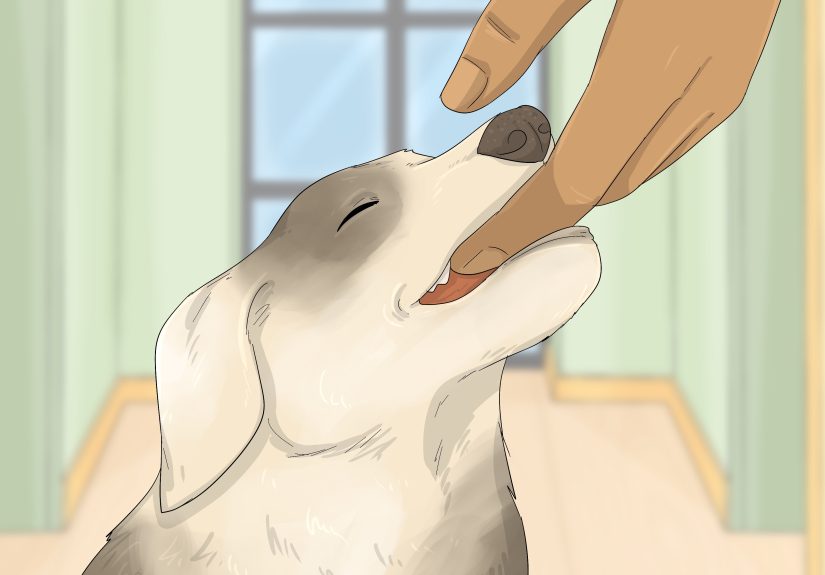
Dog nibbling is often called mouthing. It usually means a dog is using their mouth in a gentle, exploratory, playful, or attention-seeking way rather than delivering a true bite. Puppies do this a lot because they experience the world mouth-first. Adult dogs may do it because they are excited, overstimulated, trying to engage you, or because the behavior was unintentionally encouraged when they were younger.
Nibbling can look different from dog to dog. Some lightly mouth your fingers during petting. Others target sleeves, shoelaces, pant legs, or elbows. Some dogs do a tiny corn-cob style nibble with their front teeth, while others open the whole mouth and turn your forearm into a very inconvenient fetch toy.
What matters most is context. A dog who nibbles during play with loose, wiggly body language is sending a very different message from a dog who stiffens, freezes, growls, guards a toy, or reacts painfully when touched.
Why Does My Dog Nibble on Me?
1. They are playing
This is one of the most common reasons. Puppies especially play with their mouths because that is how they interact with littermates. They chase, pounce, tug, wrestle, and practice bite control during normal social play. When they come home to humans, they often bring that same play style with them. In their minds, your hand may simply be participating in the game. In your mind, your hand may be filing a complaint.
2. They are teething
If you have a young puppy, teething is a major suspect. Sore gums make chewing feel good, and your puppy is not especially picky about what gets nominated for the job. Fingers, cuffs, hoodie strings, and furniture legs all look like reasonable candidates. Teething-related mouthing is especially common during the first several months of life.
3. They are overstimulated or overexcited
Some dogs get mouthy when they are wound up. This can happen during rough play, exciting greetings, zoomie o’clock, or when movement triggers chase instincts. Fast feet, waving hands, squealing kids, and animated play can all make a dog more likely to mouth. This is why many dogs suddenly target ankles when people walk away. It is not personal. It is just very dramatic dog logic.
4. They want attention
Dogs are excellent students, especially when they are training you. If nibbling gets eye contact, talking, petting, laughter, wrestling, or any big reaction at all, your dog may learn that mouthing is a reliable way to make the humans do something interesting. Even negative attention can still count as attention.
5. They are seeking comfort or engagement
Some dogs mouth gently when they are cuddly, excited to see you, or trying to stay connected during petting. Others do it when they are bored and want more activity. A dog with too little exercise, too little mental stimulation, or too little structured interaction may invent their own hobby. Unfortunately, that hobby may be your arm.
6. They are stressed, anxious, or conflicted
Not all nibbling is playful. Sometimes dogs use their mouths when they feel uneasy, trapped, frustrated, or conflicted. A dog may mouth during petting if they are getting overwhelmed. They may nibble when they want space but do not know how to say it clearly. In some dogs, mouthing is an early warning sign that should not be ignored.
7. They may be in pain or uncomfortable
If an adult dog suddenly starts nibbling, snapping, or mouthing during handling, pay attention. Pain can change behavior quickly. Dogs with dental pain, skin irritation, arthritis, injury, or other discomfort may react when touched. Sudden behavior changes deserve a veterinary check, especially if the dog has never been mouthy before.
Is Dog Nibbling Ever a Problem?
Yes. Gentle mouthing can be normal, but that does not mean it should be ignored. A dog who regularly puts teeth on skin is practicing a behavior that can become risky, especially around children, guests, or high-arousal situations. You want your dog to learn bite inhibition, impulse control, and calm ways to interact with people.
Harmless-looking nibbling becomes more concerning when it is:
- hard enough to hurt, bruise, or leave marks
- paired with stiff posture, freezing, growling, hard staring, or lip lifting
- triggered by touch around certain body parts
- focused on guarding food, toys, beds, or spaces
- sudden in an adult dog who did not do it before
- difficult to interrupt because the dog gets more aroused instead of calming down
How to Make Your Dog Stop Nibbling on You
1. Stop making the behavior fun
The first rule is simple: nibbling should make the fun pause. The moment your dog mouths you, calmly stop moving, stop talking, and stop engaging. Tuck your hands away. Stand still or turn slightly away. Many dogs learn faster when the game instantly goes boring.
This does not mean yelling, grabbing the muzzle, pinning the dog, or giving a scary correction. Those tactics can increase fear, frustration, and defensive behavior. Calm, immediate withdrawal works better and protects trust.
2. Redirect to a toy
If your dog tends to mouth during play, greetings, or petting, keep an approved chew toy or tug toy nearby. The second they go for your hand, offer the toy instead. This teaches your dog what to do, not just what not to do. Dogs learn faster when the replacement behavior is clear and rewarding.
3. Reward calm behavior
Do not wait until your dog makes a mistake to interact. Reward the moments when they are calm, sitting nicely, taking treats gently, or asking for attention without teeth. This is how you build better habits. A dog who gets reinforcement for calm behavior has less reason to use mouthing as a conversation starter.
4. Keep petting sessions calm and short
If your dog nibbles while being petted, slow everything down. Pet gently. Pause often. If they stay relaxed, continue. If they start getting mouthy, stop. Some dogs become overaroused by fast patting, roughhousing, face touching, hugging, or long handling sessions. In other words, your dog may not hate affection. They may just hate the full Broadway production of it.
5. Avoid rough play with your hands
Do not wrestle with bare hands, slap at your dog in play, or encourage them to chase fingers and sleeves. That teaches the exact opposite of what you want. Use toys for tug, toys for chase, and toys for chewing. Your hands should not audition for the role of squeaky prey animal.
6. Manage overtired puppy chaos
Puppies often get extra mouthy when they are tired, hungry, or overstimulated. If your puppy turns into a tiny alligator at the end of the day, they may need a nap, a potty break, a chew, or a calmer environment. Structured rest is a lifesaver for many households. Over-tired puppies are like over-tired toddlers, except faster and equipped with sharper accessories.
7. Increase exercise and mental enrichment
A bored dog is more likely to create their own entertainment. Daily walks, training games, sniffing opportunities, food puzzles, frozen stuffed toys, chew sessions, and short play sessions can dramatically reduce mouthy behavior. The goal is not to exhaust your dog into silence. The goal is to meet their physical and mental needs so they are not using your body as a project.
8. Teach replacement skills
Helpful cues include sit, touch, leave it, drop it, go to mat, and polite leash walking. For example, if your dog nips at your ankles when you move, teach them to follow a hand target or sit for a treat as you start walking. Rehearsing a better option makes a huge difference.
9. Be consistent with everyone in the house
If one person redirects to a toy, another laughs, and a third starts a wrestling match, your dog will be understandably confused. Everyone needs the same plan. Consistency is boring for humans and glorious for dogs.
What Not to Do
- Do not hit, alpha-roll, pin, or hold your dog’s muzzle shut.
- Do not keep petting if your dog is clearly getting agitated.
- Do not chase your dog for stolen items if they are already mouthy.
- Do not assume every nibble is affection.
- Do not ignore sudden changes in behavior.
When to Call Your Vet or a Certified Behavior Professional
Get professional help if your dog’s nibbling is escalating, causing injury, showing up with guarding or growling, or appearing suddenly in adulthood. Also call your vet if the behavior seems linked to pain, touch sensitivity, dental issues, anxiety, or compulsive behavior. A certified positive reinforcement trainer or veterinary behavior professional can help build a custom plan when the behavior is persistent or intense.
This is especially important if children are in the home. Kids move quickly, make noise, and often miss early canine warning signs. Even a dog who is “just mouthy” can become unsafe in the wrong context.
Final Thoughts
If your dog nibbles on you, the most likely explanation is not meanness. It is usually communication. Dogs mouth because they are playing, teething, excited, bored, overstimulated, seeking attention, or occasionally uncomfortable. Once you understand the reason behind the behavior, the solution becomes much more straightforward.
The smartest approach is calm, clear, and consistent. Stop the interaction when teeth touch skin, redirect to an appropriate toy, reward calm choices, and make sure your dog is getting enough rest, enrichment, and structure. With time, most dogs can learn that people are for cuddling, training, and snack negotiations, not for light marinating.
Real-Life Experiences: What Dog Nibbling Often Looks Like at Home
In real households, dog nibbling rarely shows up in a neat textbook format. It usually appears in everyday moments that seem small at first. A new puppy trots over looking sweet, rolls onto their side for a belly rub, then suddenly latches onto a sleeve because the petting got them too excited. An adolescent dog greets their favorite person after work, grabs a wrist gently, and starts bouncing like they have not seen civilization in six months. Another dog waits until someone walks across the kitchen and then launches a sneak attack on the ankles, as if socks are an ancient enemy that must be defeated on sight.
One common experience is the “evening gremlin” phase. Many owners notice that their puppy is reasonably polite all day and then becomes wildly mouthy around dusk. This often turns out to be a mix of fatigue, leftover energy, and overstimulation. Once owners start building in a nap, a frozen chew, a potty trip, and calmer evening routines, the dramatic hand-chomping usually drops fast. The puppy was not “bad.” The puppy was running on fumes and questionable judgment.
Another familiar situation happens during affection. A dog leans in for petting, seems to enjoy it, then begins to nibble fingers or mouth a hand when the touching gets too fast or too intense. Many people initially read this as extra affection, but in practice it is often a sign that the dog is getting revved up or conflicted. When owners slow down, pet for a few seconds, pause, and let the dog choose whether to continue, the interaction becomes calmer and clearer. Consent matters in dog friendships too.
There are also dogs who nibble because they have learned it works brilliantly for attention. The pattern can be almost funny once you see it. The dog nudges. No response. The dog paws. Still nothing. Then the dog lightly mouths a hand and suddenly the human talks, looks over, laughs, and engages. Lesson learned. In these homes, progress usually starts when owners become very boring the instant teeth touch skin and very rewarding the instant the dog offers a sit, eye contact, or a toy instead.
Adult-onset nibbling can be the biggest surprise. A dog who has never been mouthy may begin reacting during grooming, nail trims, or when touched near the neck, back, ears, or mouth. Owners sometimes assume the dog has become stubborn or moody, but pain is often part of the story. Dental trouble, sore joints, irritated skin, or an injury can make a normally patient dog use their mouth to say, “Please stop.” Those cases are the best reminder that behavior is information, not just inconvenience.
Across all of these experiences, the same truth shows up again and again: nibbling makes more sense when you look at the moment around it. What happened right before it? Was the dog tired, excited, frustrated, touched too long, under-stimulated, or uncomfortable? Once owners start answering those questions, the behavior usually stops feeling random. And when it stops feeling random, it becomes much easier to change.