Table of Contents >> Show >> Hide
- Burdock vs. Rhubarb: The Quick Comparison
- What Is Burdock?
- What Is Rhubarb?
- How to Tell Burdock and Rhubarb Apart
- Flavor and Cooking Differences
- Nutrition and Health Notes
- Safety: The Part You Should Not Skip
- Growing Burdock vs. Growing Rhubarb
- Common Myths About Burdock and Rhubarb
- Practical Examples: When Would You Use Each Plant?
- Garden and Kitchen Experience: Learning the Difference the Real-Life Way
- Conclusion
- SEO Tags
Burdock and rhubarb are two big-leafed plants that can make a gardener stop, squint, and say, “Wait, am I looking at pie filling or a weed with ambitions?” At a glance, both can produce broad green leaves, thick stems, and a dramatic presence in the garden. But botanically, culinarily, and practically, they are very different plants. One is best known as a tart spring vegetable for crisps, sauces, and strawberry-rhubarb pie. The other is a biennial wild plant whose long taproot is eaten as gobo in Japanese and other Asian-inspired cooking.
The short answer: rhubarb is a perennial vegetable grown for its edible leaf stalks, while burdock is a biennial plant grown or foraged mainly for its root. Rhubarb belongs to the buckwheat family, and burdock belongs to the daisy family. Rhubarb leaves and roots should not be eaten. Burdock leaves are not used the same way as rhubarb stalks, and wild burdock should never be harvested unless you can identify it with total confidence.
That sounds simple enough, but the details matter. Misidentifying plants is not the time to “wing it.” Your stomach, kidneys, and local emergency room all prefer a more professional approach.
Burdock vs. Rhubarb: The Quick Comparison
| Feature | Burdock | Rhubarb |
|---|---|---|
| Botanical group | Arctium species, in the Asteraceae family | Rheum species/hybrids, in the Polygonaceae family |
| Life cycle | Biennial: leafy rosette first year, flowers and burs second year | Perennial: returns from the crown year after year |
| Main edible part | Taproot, especially young first-year root; young peeled stalks may be used | Leaf stalks, also called petioles |
| Parts to avoid | Do not casually eat wild parts without expert identification; burs and seed hairs can irritate | Leaves and roots should not be eaten |
| Flavor | Earthy, mildly sweet, root-like, sometimes artichoke-like | Bright, tart, sour, fruity when sweetened |
| Common kitchen use | Stir-fries, braises, soups, pickles, teas | Pies, jams, compotes, sauces, desserts |
| Garden behavior | Can become weedy and spread by burs | Clump-forming crop that stays where planted |
What Is Burdock?
Burdock is the common name for plants in the Arctium genus, especially common burdock and great burdock. It is often found in disturbed soil, roadsides, pastures, field edges, vacant lots, and other places where nature apparently looked at bare ground and said, “Let’s put a large leafy thistle cousin here.”
Burdock is a biennial. In its first year, it forms a low rosette of large, heart-shaped leaves. In its second year, it sends up a tall flowering stem and produces purple, thistle-like flower heads surrounded by hooked burs. Those burs cling to clothing, pets, livestock, and anything else unlucky enough to brush past. They are nature’s original hook-and-loop fastener, minus the polite packaging.
What part of burdock is edible?
The best-known edible part of burdock is the taproot, especially the root from a first-year plant. In Japanese cooking, burdock root is called gobo. It is usually peeled or scrubbed, sliced, and cooked in stir-fries, soups, braises, or pickles. The flavor is earthy, faintly sweet, and pleasantly rustic. Think of it as the root vegetable that shows up wearing hiking boots.
Young burdock stalks can also be peeled and cooked, but mature plants become fibrous. The root of a second-year burdock is usually woody because the plant has spent its stored energy producing flowers and seeds. For culinary use, first-year roots are usually the prize.
What Is Rhubarb?
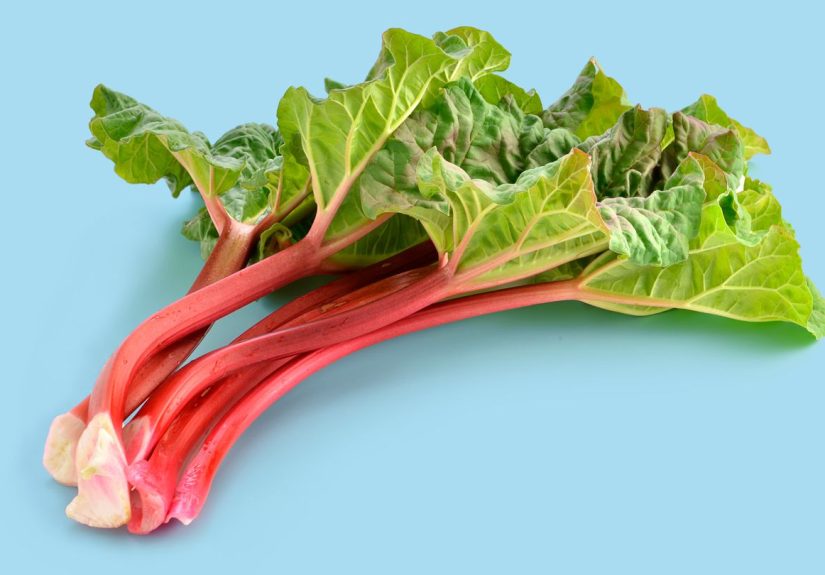
Rhubarb is a hardy perennial vegetable grown for its thick, tart leaf stalks. It is often called “pie plant” because it becomes delicious when cooked with sugar and fruit, especially strawberries. Without sugar, rhubarb can make your face fold itself like an accordion. With sugar, it becomes one of spring’s great kitchen treasures.
Unlike burdock, rhubarb grows from a crown and returns each year. Gardeners often plant it once and keep it for many seasons, dividing the crown when the plant becomes crowded. The stalks may be red, pink, green, or somewhere in between, depending on variety. Color does not always predict flavor. A green rhubarb stalk can be perfectly good, even if it looks like it skipped the beauty pageant.
What part of rhubarb is edible?
Only the leaf stalks are eaten. These are the long, fleshy petioles that connect the leaf blade to the crown. The large leaf blades should be removed and discarded. Rhubarb leaves contain compounds such as oxalic acid and should not be eaten. Rhubarb roots are also not food.
This is the most important safety rule in the whole article: eat rhubarb stalks, not rhubarb leaves. If a recipe tells you to use rhubarb leaves, that recipe should be escorted out of your kitchen immediately.
How to Tell Burdock and Rhubarb Apart
Burdock and rhubarb may look somewhat similar when young because both can have large leaves and thick-looking stalks. Still, once you know what to look for, the differences become much easier to spot.
1. Look at the growth habit
Rhubarb grows as a clump from a permanent crown. The stalks rise from the base in a tidy, garden-crop pattern. Burdock begins as a ground-hugging rosette in its first year and then bolts upward in its second year. A mature second-year burdock can look tall, branched, and wild, especially when covered in burs.
2. Check the leaves
Rhubarb leaves are large, broad, and often somewhat heart-shaped or triangular with prominent veins. The surface is generally smooth compared with burdock. Burdock leaves are also large and heart-shaped, but they often feel rougher, and the undersides may look pale or woolly. Burdock leaves tend to say, “I live by a fence and I’m not sorry.” Rhubarb leaves say, “I belong near a pie dish, but please ignore my poisonous side.”
3. Examine the stalks
Rhubarb stalks are fleshy, crisp, and usually red, pink, or green. They look like something that belongs in the produce aisle. Burdock leaf stalks are not the same as rhubarb petioles. They can be greenish, tougher, and more fibrous unless very young and peeled. Mature burdock stems are not a pie ingredient.
4. Watch for burs
If the plant produces hooked burs that stick to your pants, socks, dog, gardening gloves, and possibly your emotional wellbeing, it is burdock, not rhubarb. Rhubarb may send up a flower stalk, but it does not produce those clingy seed heads.
5. Consider where it is growing
Rhubarb is usually planted intentionally in gardens. Burdock often appears uninvited in disturbed places. That does not prove identity by itself, but it is a helpful clue. A big-leafed plant in a tidy vegetable bed may be rhubarb. A big-leafed plant by a roadside or pasture fence may be burdock or another wild plant entirely.
Flavor and Cooking Differences
Burdock and rhubarb do not taste alike. Rhubarb is sharply tart, juicy, and fruit-friendly. It is commonly cooked with sugar into pie filling, jam, compote, syrup, chutney, or sauce. Its acidity makes it bright and lively, which is why strawberry and rhubarb make such a famous team. Strawberries bring sweetness and perfume; rhubarb brings zing and drama.
Burdock root is earthy, firm, and mildly sweet after cooking. It is more savory than fruity. It works well with soy sauce, sesame oil, ginger, carrots, mushrooms, rice, noodles, and brothy soups. In texture, it can be crisp-tender when sliced thin and cooked properly. It is not a dessert vegetable unless your dessert philosophy is extremely adventurous.
Nutrition and Health Notes
Rhubarb stalks are low in calories and bring a tart flavor that helps brighten recipes. However, many rhubarb desserts use plenty of sugar because the stalks are so sour. That does not make rhubarb bad; it simply means a rhubarb pie is still pie, not a green smoothie wearing a crust.
Burdock root contains fiber, including prebiotic fibers such as inulin-type compounds. It has long been used as a food in parts of Asia and has also been used traditionally in herbal preparations. However, food use and supplement use are not the same thing. Commercial burdock teas, capsules, and herbal blends can vary in quality. People who are pregnant, allergic to plants in the daisy family, taking medications, or dealing with chronic health conditions should be cautious with concentrated herbal products and consult a qualified health professional.
Safety: The Part You Should Not Skip
Rhubarb safety is straightforward: do not eat the leaves or roots. Remove the leaves from harvested stalks and discard them. The stalks are the edible part used in cooking. If rhubarb plants are damaged by a hard freeze and the stalks become limp or blackened, discard the damaged stalks and wait for new healthy growth.
Burdock safety is more about identification and plant handling. The root can be edible when properly identified, harvested from a clean area, and prepared correctly. But wild plants can be confused with other species, and some look-alikes may be unsafe. Never harvest burdock from roadsides, sprayed areas, industrial lots, or places with questionable soil. Also avoid handling mature burs carelessly, because the tiny bristles and hooked seed heads can irritate skin, eyes, and animals.
Here is the golden rule: if you are not completely sure what a wild plant is, do not eat it. “Pretty sure” is fine for guessing a movie actor’s name, not for dinner.
Growing Burdock vs. Growing Rhubarb
Rhubarb is a classic home garden perennial. It prefers fertile, well-drained soil, steady moisture, and a spot where it can stay undisturbed. In cooler climates, it can be one of the earliest harvests of spring. Gardeners generally wait until the second season before harvesting heavily, allowing the plant to build strength.
Burdock, on the other hand, can become weedy. If intentionally grown for root harvest, it should be managed carefully and harvested before it sets burs. Since it spreads by seed and the burs can hitchhike on animals and clothing, letting burdock go wild in a garden can create a future full of prickly regrets.
Common Myths About Burdock and Rhubarb
Myth 1: Red stalks always mean rhubarb
Not always. Color alone is not a safe identification tool. Some rhubarb stalks are green, and some non-rhubarb plants can have reddish stems. Use multiple identification features, not just color.
Myth 2: Rhubarb becomes poisonous after spring
Rhubarb stalks may become tougher later in the season, and heavy late harvesting can weaken the plant, but the stalks do not magically become poisonous just because the calendar changed. The leaves remain the part to avoid.
Myth 3: Burdock is just a weed
Burdock can certainly behave like a weed, especially when it spreads through burs. But it is also a traditional edible root crop in some cuisines. A plant can be useful in the kitchen and annoying in the pasture at the same time. Nature enjoys complexity.
Practical Examples: When Would You Use Each Plant?
Use rhubarb when you want tartness. It belongs in strawberry-rhubarb pie, rhubarb crisp, rhubarb jam, rhubarb syrup, chutney, compote, and sauces for pork or poultry. It pairs well with berries, citrus, ginger, vanilla, cinnamon, and brown sugar.
Use burdock root when you want an earthy, savory root vegetable. Slice it thin for stir-fries, simmer it in soups, braise it with soy sauce and mirin-style flavors, or pickle it. It pairs well with carrots, sesame, mushrooms, miso, ginger, garlic, and rice dishes.
Garden and Kitchen Experience: Learning the Difference the Real-Life Way
The first time many gardeners notice the difference between burdock and rhubarb is not in a textbook. It usually happens while standing in the garden with muddy shoes, a confused expression, and a plant that looks suspiciously like it might either become dessert or attack your socks. That moment is useful. It teaches you to slow down and look carefully.
In a real garden setting, rhubarb has a more settled personality. It grows from the same crown every year, usually in a spot chosen by a gardener. In early spring, the crinkled leaves push up from the soil, followed by thick stalks that become large enough to pull and twist from the base. Once harvested, the leaves are cut off and discarded, and the stalks go to the kitchen. The experience is predictable, almost ceremonial: harvest, trim, chop, cook with sugar, and pretend you made enough to share.
Burdock feels different. It often appears where no one invited it. In the first year, it may sit low and leafy, quietly building a deep root. If you do not recognize it, you might ignore it. By the second year, it can shoot up, flower, and produce burs that cling to everything. Anyone who has removed burdock burs from a dog’s fur understands the plant’s commitment to transportation. The lesson is simple: identify burdock early if you want to manage it, and harvest edible roots only from first-year plants in clean soil.
In the kitchen, the two plants teach opposite cooking instincts. Rhubarb asks for sweetness. Chop the stalks, add sugar, simmer, and the sharpness softens into a bright, rosy sauce. It is quick, fragrant, and dramatic. Burdock root asks for patience. Scrub it well, slice it thin, soak briefly if desired, and cook it until the earthy flavor becomes mellow. It is less flashy than rhubarb but more grounding, the sort of ingredient that gives a soup or stir-fry a quiet backbone.
The biggest experience-based lesson is not just “this one is burdock and that one is rhubarb.” It is learning that edible plants are specific. You do not eat “the plant”; you eat the correct part of the correct plant at the correct stage, from a safe location, prepared in the correct way. Rhubarb stalks are wonderful; rhubarb leaves are not food. Burdock root can be useful; unknown roadside weeds are not dinner. That distinction turns curiosity into competence.
Once you know the difference, both plants become easier to appreciate. Rhubarb is the cheerful spring sourpuss that makes pies famous. Burdock is the rugged root with burs, history, and a practical place in savory cooking. They may share big leaves, but they live very different lives.
Conclusion
The difference between burdock and rhubarb comes down to identity, edible parts, flavor, and safety. Rhubarb is a perennial garden vegetable grown for its tart edible stalks; its leaves and roots should not be eaten. Burdock is a biennial plant in the daisy family, often wild or weedy, valued mainly for its young taproot when correctly identified and safely harvested.
If you are cooking, choose rhubarb for sweet-tart desserts and sauces. Choose burdock root for savory dishes where an earthy, fibrous root vegetable makes sense. If you are gardening, treat rhubarb as a long-term crop and burdock as a plant that needs deliberate control. And if you are foraging, remember the wisest sentence in edible plant identification: when in doubt, leave it out.
Note: This article is for educational gardening and food information only. Do not eat wild plants unless you can identify them with complete confidence, and consult a qualified professional about plant toxicity, allergies, pregnancy, medication interactions, or medical concerns.