Table of Contents >> Show >> Hide
- The Basics: What Makes an Ingredient Stir-Fry Friendly?
- Best Proteins for Stir-Fries
- Vegetables That Shine in Stir-Fries
- Noodles, Rice, and Other Carbs That Work Best
- Foods That Don’t Work as Well (Or Need Extra Care)
- Pantry Staples That Make Stir-Fry Ingredients Shine
- Ingredient Combinations That Almost Always Work
- Real-World Experiences: What Actually Works Best in Stir-Fries?
Stir-fries are like the weeknight hero of home cooking: fast, colorful, endlessly flexible,
and surprisingly forgivingas long as you choose the right ingredients. Pick foods that turn
mushy, weep water, or take forever to cook, and your “crisp-tender” dream can turn into a
steamy, soggy tangle in minutes. Choose the right cuts of meat, the right vegetables, and the
right carbs, though, and you get that magical combo of charred edges, snappy veggies, and
glossy sauce that clings to everything in the best way.
So what actually works best in stir-fries? Let’s break it down by proteins, vegetables, carbs,
and a few bonus ingredients, with practical tips you can use whether you’re tossing dinner
together from pantry scraps or planning a gorgeous “fakeout takeout” night at home.
The Basics: What Makes an Ingredient Stir-Fry Friendly?
Before we get specific, good stir-fry ingredients usually share a few traits:
- Quick cooking: They can cook through in just a few minutes over high heat.
- Low to moderate moisture: They won’t flood the pan with water and dilute your sauce.
- Firm enough texture: They can stay intact when tossed and flipped in a hot wok.
- Cut into bite-sized pieces: Everything should be easy to eat with chopsticks or a fork.
Classic stir-fry technique layers ingredients based on how long they take to cook: aromatics first,
then proteins and firm veggies, then quick-cooking or delicate ingredients at the end. Keeping that
in mind helps you pick foods that play well with this fast, high-heat style.
Best Proteins for Stir-Fries
1. Beef: Tender Cuts, Thinly Sliced
Not all beef behaves the same in a stir-fry. Tough, heavily worked muscles that need long braising
(like chuck or brisket) aren’t ideal here. Instead, choose naturally tender cuts and slice them thinly
against the grain so they cook in a couple of minutes.
Good beef choices for stir-fries include:
- Flank steak: Lean, flavorful, and tender when sliced thin across the grain.
- Skirt steak: Richer and a bit looser-textured, great when marinated.
- Sirloin or top sirloin: Tender enough for quick cooking and widely available.
A simple marinade using soy sauce, a little sugar, cornstarch, and oil helps tenderize the meat and
creates that velvety coating you see in restaurant beef-and-broccoli. Let it sit at least 15–20 minutes
before it hits the hot pan.
2. Chicken and Pork: Lean, Boneless Cuts
For chicken, boneless, skinless thighs and breasts are your best bet. Thighs are slightly more forgiving,
staying juicy even if you go a minute past perfect. Chicken breast is great too; just slice it thinly and
avoid overcooking.
For pork, boneless pork loin, tenderloin, and very thin pork chops work well. As with beef, cut your meat
into bite-sized strips or small pieces and marinate lightly to keep it tender and flavorful.
3. Shrimp and Other Seafood
Shrimp are practically made for stir-fries. They cook in just a couple of minutes, turn plump and pink,
and soak up sauce beautifully. Medium to large shrimp (peeled and deveined) are easiest to work with. Just
pat them dry, toss lightly with salt and maybe a spoonful of cornstarch, and stir-fry until they barely turn
opaque before adding vegetables and sauce.
Thin strips of firm fish (like halibut or cod), scallops, or squid can also work, but they require a gentle
hand so they don’t overcook and fall apart. If you’re newer to stir-fry, shrimp is the simplest seafood
starting point.
4. Tofu and Plant-Based Proteins
Tofu is a stir-fry all-star, as long as you choose the right type. For high-heat cooking and lots of tossing,
go with firm, extra-firm, or super-firm tofu. These varieties hold their shape, brown nicely,
and soak up sauces without turning to mush.
Helpful tofu rules of thumb:
- Skip silken tofu for stir-fries; it’s too delicate and better for soups, sauces, or desserts.
- Press or blot tofu to remove excess moisture so it can brown instead of steam.
- Optional blanching in salted water can firm up tofu and improve its texture before stir-frying.
You can cube tofu and brown it first, remove it from the pan, stir-fry your veggies, then return the tofu with
the sauce. Tempeh, seitan, and meat substitutes designed for high-heat cooking also work nicely, especially if
you sear them first to build flavor.
Vegetables That Shine in Stir-Fries
Stir-fries are where vegetables show off. The goal is almost always
“tender-crisp”that sweet spot where veggies are bright, cooked through, but still have snap.
1. Firm, Crunchy Vegetables
These are the backbone of most stir-fries because they keep their texture even under intense heat:
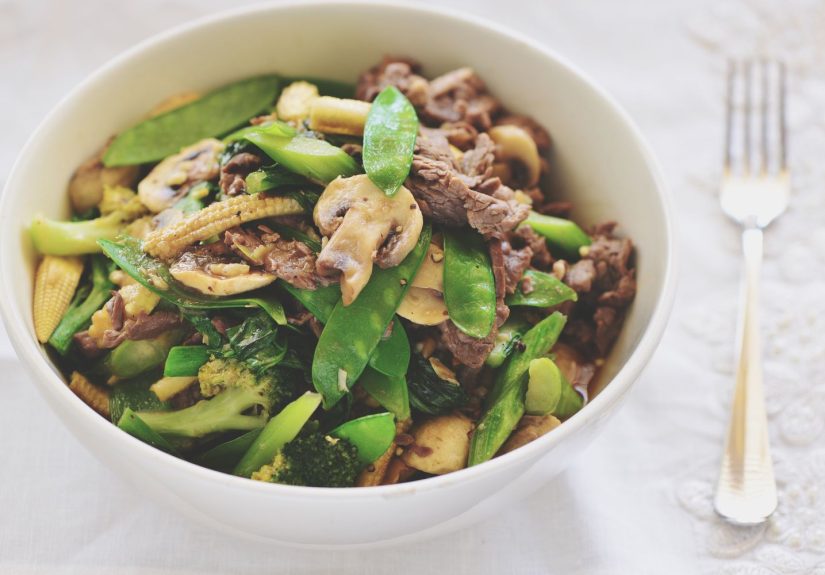
- Broccoli florets and stems
- Carrots (thinly sliced or matchsticks)
- Bell peppers
- Green beans
- Snow peas and sugar snap peas
- Baby corn and water chestnuts
- Zucchini or yellow squash (cut thick enough to avoid mush)
- Asparagus pieces
These vegetables usually go in the pan after the aromatics and protein, and before delicate greens or sprouts.
Cut them into similar sizes so they cook at the same rate, and don’t be afraid to cook them in batches if your
pan is small.
2. Leafy Greens That Love High Heat
Leafy greens bring color, nutrition, and a nice contrast to crunchy vegetables. Good options include:
- Bok choy (stems first, leaves later)
- Napa cabbage
- Spinach
- Choy sum and other Asian greens
- Watercress or similar peppery greens
These greens cook very quickly, so they’re usually added in the last minute or two and tossed just until wilted.
They soak up sauce beautifully and can turn a simple meat-and-veg stir-fry into something that feels more like a
complete meal.
3. Aromatics: The Flavor Foundation
Every great stir-fry starts with aromatics. These little ingredients do big flavor work:
- Garlic (sliced or minced)
- Fresh ginger (matchsticks or minced)
- Scallions/green onions
- Chiles or chili paste (if you like heat)
They usually hit the hot oil right after you heat your wok or skillet. Cook just until fragrantabout 30 seconds
so they don’t burn. From there, you can add protein, then veggies, and build a layered, complex flavor without a
lot of extra steps.
Noodles, Rice, and Other Carbs That Work Best
While you can serve stir-fry over plain steamed rice, plenty of carbs work well inside the stir-fry itself.
The key is choosing options that won’t disintegrate or clump horribly under high heat.
1. Rice and Rice Noodles
Day-old cooked rice is ideal for stir-fried rice dishes because it’s drier and less sticky,
which helps it fry rather than steam. If you only have fresh rice, spread it out on a tray to cool and dry a bit
before using.
For noodles, look for:
- Wide rice noodles (for pad-see-ew style dishes)
- Thinner rice sticks (great in veggie-heavy stir-fries)
- Fresh refrigerated noodles, if available, as they hold up better than some dried options
Cook dried noodles just until al dente, rinse briefly to stop the cooking, and make sure they’re well drained
before they ever see the wok.
2. Wheat Noodles and Other Options
Wheat-based noodles like lo mein, chow mein, or even spaghetti (in a pinch) can also work in stir-fries. Again, slightly
undercook them, drain very well, toss with a bit of oil to prevent sticking, and add them near the end with the sauce so
they can soak up flavor without getting mushy.
Foods That Don’t Work as Well (Or Need Extra Care)
Some foods can join the stir-fry party, but they require a bit of strategy. Others are better invited to a different
dish altogether.
1. High-Water Vegetables
Veggies like tomatoes, cucumbers, or very watery squash can release a lot of liquid, turning your stir-fry into stir-soup.
If you want to use them, keep the quantity small, remove seeds when possible, and cook them at the very end so they warm
through but don’t flood the pan.
2. Tough, Slow-Cooking Meats
Cuts that usually go in the slow cookerlike chuck roast, brisket, or beef shankare not ideal for quick stir-fries.
They need low-and-slow cooking to break down connective tissue. If you really want that flavor, you’re better off braising
them separately and using the meat in a different dish, or sticking to natural stir-fry cuts like flank or skirt steak.
3. Soft Cheeses and Creamy Ingredients
Stir-fries and melty cheese are rarely a happy marriage. Most cheeses will either separate or create an odd, stringy texture
under high heat. Cream-based sauces also tend to break in a super-hot wok, so they’re generally better left for other recipes.
Pantry Staples That Make Stir-Fry Ingredients Shine
Even the best ingredients need the right supporting cast. To make your proteins, veggies, and carbs really sing, keep a few
stir-fry staples on hand:
- Neutral, high smoke-point oil like peanut, canola, or vegetable oil for high heat.
- Soy sauce and/or tamari for salty, umami depth.
- Oyster sauce or vegetarian “stir-fry” sauces to add body and savoriness.
- Rice vinegar or lime juice for brightness.
- Sesame oil for finishing (not for high-heat frying).
- Cornstarch to velvety-coat meat and thicken sauces.
With those basics, you can turn almost any combination of protein, vegetables, and carbs into a cohesive dish that tastes
intentionaleven if you started with whatever was left in the fridge.
Ingredient Combinations That Almost Always Work
Need actual plug-and-play ideas? Try these reliable combos:
- Beef + broccoli + bell pepper + scallions over rice.
- Chicken + snap peas + carrots + baby corn with a ginger-garlic soy sauce.
- Shrimp + asparagus + snow peas with a light garlic-chili sauce over noodles.
- Tofu + bok choy + mushrooms + bell peppers with a soy-ginger sauce and a drizzle of sesame oil.
Once you get comfortable with the patternprotein, crunchy veg, leafy greens, optional carbyou can swap ingredients based
on what’s in season or on sale.
Real-World Experiences: What Actually Works Best in Stir-Fries?
It’s one thing to read rules; it’s another to stand in front of a hot pan wondering why your vegetables are steaming instead
of sizzling. Over time, many home cooks find that a few practical lessons completely change how they approach stir-fry
ingredients.
The first lesson is usually about pan crowding. You can have perfect ingredientsgreat steak, vibrant broccoli,
beautiful snap peasand still end up with a limp, pale stir-fry if you pack everything into a small pan at once. When the pan
is crowded, ingredients release steam faster than it can evaporate, which means your vegetables simmer in their own juices
instead of searing. A simple fix is to cook in batches: sear the protein, remove it, stir-fry the vegetables in one or two
rounds, then bring everything back together with the sauce. The flavors stay bright, and the textures are dramatically better.
Another common “aha” moment involves the difference between fresh and frozen vegetables. Frozen stir-fry blends
are convenient and absolutely usable, but they tend to release more water and can soften faster. Many cooks notice that when
they switch to mostly fresh vegetablesespecially for crunchy stars like broccoli, peppers, and snap peasthe results feel
closer to restaurant stir-fries. If you do use frozen vegetables, letting them thaw and patting them dry can help minimize
excess moisture in the wok.
Protein choice also evolves with experience. At first, people often grab whatever meat they have on handthick chicken breasts
or random beef cutsand then wonder why the result is chewy. Over time, they learn that thin slicing and quick-marinating
are just as important as the cut itself. Suddenly, flank steak or thinly sliced chicken thigh becomes the go-to because they
cook quickly and stay tender. A short soak in soy sauce, a pinch of sugar, and cornstarch makes a huge difference in how juicy
and flavorful the protein tastes.
Tofu teaches its own set of lessons. A lot of people try tofu once, toss it straight from the package into a pan, and decide it’s
bland or rubbery. Then they discover that pressing or blanching tofu, cutting it into even cubes, and browning it well before
adding sauce completely transforms it. The texture goes from squishy to pleasantly chewy, and the surface becomes a sponge for
flavor. Once that clicks, tofu stops being a “backup” protein and becomes a regular stir-fry star in its own right.
Vegetable selection tends to shift as people become more confident, too. Early stir-fries often rely on the big threebroccoli,
carrots, and peppersand then gradually expand to include bok choy, napa cabbage, green beans, asparagus, mushrooms, and leafy
greens. Many cooks find that building a stir-fry with contrasts in texture works best: one or two firm veggies
for crunch, one leafy green for silkiness, and maybe a “fun” ingredient like baby corn or water chestnuts for a different bite.
Sauce behavior is another eye-opener. That glossy coating you get at good restaurants doesn’t come from dumping in a bottle of
sauce; it usually comes from a balanced mix of soy sauce, aromatics, a touch of sugar or honey, and a small amount of cornstarch
slurry. People often report that once they start adding the sauce at the very endafter proteins and veggies
are cookedeverything suddenly tastes more vibrant, and the sauce clings instead of pooling at the bottom of the pan.
Finally, the biggest experience-based takeaway is that stir-fries reward prep work over cooking time. The actual
stir-frying might only take 5–7 minutes, but the slicing, chopping, and organizing ingredients on the counter before you turn on
the heat is what makes it go smoothly. When everything is cut into appropriate pieces, dried well, and grouped by cooking time,
your ingredient choices shine. Those crisp-tender veggies, juicy strips of meat or tofu, and bouncy noodles all come together in
a way that feels almost effortlesseven though you quietly did most of the work before the pan ever hit the stove.
Put simply, the ingredients that work best in stir-fries are the ones that can handle high heat, cook quickly, and taste good
with a simple sauce. Pair the right proteins (thinly sliced beef, chicken, shrimp, or firm tofu) with colorful, crunchy vegetables
and a few leafy greens, and you’re almost guaranteed a dish that’s satisfying, flexible, and friendly to whatever’s in your fridge.
SEO JSON