Table of Contents >> Show >> Hide
- What Is Tonsillitis?
- What Causes Tonsillitis?
- Tonsillitis vs. Sore Throat vs. Strep Throat
- What Are the Symptoms of Tonsillitis?
- How Doctors Diagnose Tonsillitis
- How Is Tonsillitis Treated?
- When Tonsillitis Becomes More Serious
- Why Some People Keep Getting Tonsillitis
- When Is Tonsillectomy Considered?
- Can Tonsillitis Be Prevented?
- What Is the Usual Recovery Time?
- The Bottom Line
- Experiences Related to Tonsillitis: What Real Life Often Looks Like
- SEO Tags
Tonsillitis is one of those health problems that sounds almost old-fashioned, like something from a Victorian schoolhouse where everyone wore scarves and dramatically fainted into handkerchiefs. But it is still very real, still very common, and still very annoying. If you or your child has ever had a throat so sore that even swallowing water felt like negotiating with sandpaper, tonsillitis may have been the troublemaker.
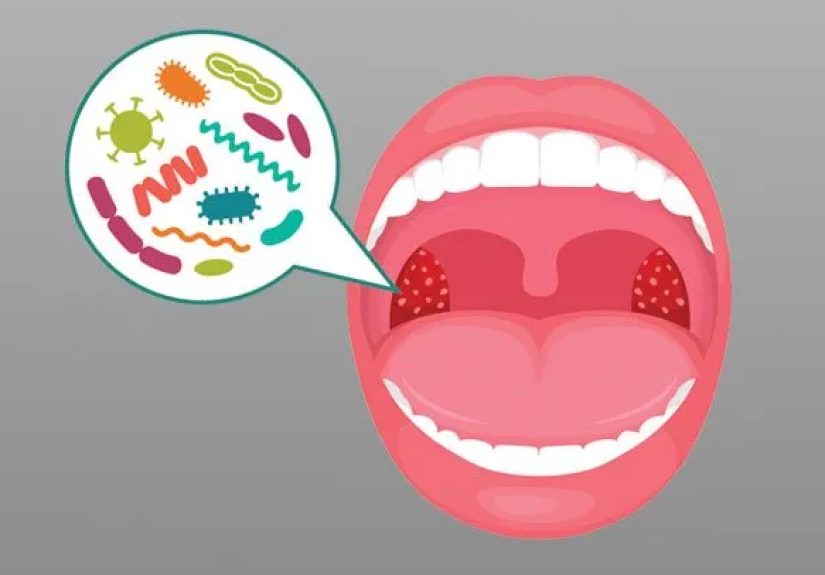
At its core, tonsillitis is inflammation of the tonsils. Those two soft tissue pads sitting at the back of your throat are part of your immune system, which means they are supposed to help. Unfortunately, they can also become infected themselves. When that happens, they swell, turn red, get tender, and make eating, drinking, talking, and sometimes even sleeping feel like an Olympic event nobody signed up for.
This article breaks down what tonsillitis is, what causes tonsillitis, how it feels, how it is diagnosed, and what treatment usually looks like. We will also cover when a sore throat is just a sore throat, when it might be strep, and when it is time to stop googling and call a healthcare professional.
What Is Tonsillitis?
Tonsillitis is inflammation or infection of the tonsils. The tonsils sit on both sides of the back of the throat and help trap germs entering through the nose and mouth. Think of them as front-door security for your upper airway. Most of the time, they quietly do their job. But sometimes the germs win the argument, and the tonsils become swollen and irritated.
Tonsillitis can be acute, meaning it comes on and goes away within days, or recurrent, meaning it keeps coming back like that one song your brain refuses to stop replaying. Some people also develop chronic tonsillitis, which may involve ongoing throat discomfort, enlarged tonsils, bad breath, or repeated infections.
It is especially common in children and teens, but adults can get tonsillitis too. In fact, adults often discover that a “simple sore throat” can absolutely derail a workweek, a vacation, or a perfectly good appetite.
What Causes Tonsillitis?
The short answer is this: tonsillitis is usually caused by viruses, but bacteria can cause it too. That distinction matters because viral tonsillitis and bacterial tonsillitis are treated differently.
Viral Causes of Tonsillitis
Viruses are the most common cause of tonsillitis. The same viruses that trigger colds, flu, and other upper respiratory infections can also inflame the tonsils. That means your tonsillitis may show up alongside a stuffy nose, cough, hoarseness, or the general feeling that your body would like to cancel all plans immediately.
Common viral culprits can include cold viruses, influenza, adenovirus, and viruses linked to mononucleosis, especially Epstein-Barr virus. In those cases, antibiotics will not help because antibiotics treat bacteria, not viruses. It is the medical version of bringing a bicycle pump to fix a broken toaster: technically a tool, but not the right one.
Bacterial Causes of Tonsillitis
Bacterial tonsillitis is less common than viral tonsillitis, but it gets a lot of attention because it may need antibiotic treatment. The best-known bacterial cause is group A Streptococcus, the same bacteria responsible for strep throat. When people say, “Maybe it’s strep,” this is what they mean.
Group A strep is the most common bacterial cause of tonsillitis, but it is not the only one. Other strains of streptococci and other bacteria can sometimes be involved. This is why diagnosis should not be based on a quick glance in the mirror and a dramatic sigh. White spots on the tonsils can happen with both viral and bacterial illness.
Tonsillitis vs. Sore Throat vs. Strep Throat
These terms get mixed up all the time, so let’s untangle them.
A sore throat is a symptom. It simply means your throat hurts.
Tonsillitis means the tonsils are inflamed, usually from an infection.
Strep throat is a specific bacterial infection caused by group A strep. It often inflames the tonsils, which is why strep throat and tonsillitis overlap, but they are not identical terms.
Not every sore throat is tonsillitis. Not every case of tonsillitis is strep. And not every scary-looking tonsil needs antibiotics. The throat, frankly, enjoys being complicated.
What Are the Symptoms of Tonsillitis?
Tonsillitis symptoms can vary depending on the cause, your age, and how dramatic your immune system feels like being that week. Still, several symptoms show up often.
Common Symptoms
- Sore throat
- Pain or difficulty when swallowing
- Red, swollen tonsils
- White or yellow coating or patches on the tonsils
- Fever
- Swollen or tender lymph nodes in the neck
- Bad breath
- Headache
- Muffled or “throaty” voice
- Feeling tired or generally unwell
Children may also complain of stomach pain, nausea, poor appetite, or fussiness. Sometimes younger kids do not say “my throat hurts.” Instead, they refuse food, cry when swallowing, drool more than usual, or suddenly act like cold applesauce is the height of luxury cuisine.
Symptoms That Suggest a Viral Cause
Some symptoms lean more toward a viral infection than strep. These include:
- Cough
- Runny nose
- Hoarseness
- Pink eye or irritated eyes
These clues do not make a diagnosis on their own, but they help explain why many sore throats do not need antibiotics.
How Doctors Diagnose Tonsillitis
Diagnosis usually starts with the basics: symptoms, a physical exam, and a look at the throat. A clinician may check the tonsils, feel for swollen lymph nodes, ask about fever, cough, nasal symptoms, and how long the illness has been going on.
If bacterial tonsillitis or strep throat is suspected, a throat swab may be used. Depending on the setting, that test may include a rapid strep test, a molecular test, or a throat culture. Rapid tests can give answers quickly, but throat cultures are sometimes used when more certainty is needed, especially in children.
This matters because the goal is to treat confirmed bacterial infection while avoiding unnecessary antibiotics for viral illness. Good medicine is not just about treating what is there. It is also about not treating what is not there.
How Is Tonsillitis Treated?
Treatment depends on the cause. That is the golden rule. Tonsillitis is not a one-size-fits-all problem, and the throat is not impressed by guesswork.
Treatment for Viral Tonsillitis
Most viral tonsillitis gets better with supportive care. That usually means:
- Rest
- Plenty of fluids
- Warm tea, broth, or cool drinks
- Soft foods like soup, yogurt, mashed potatoes, or smoothies
- Pain or fever relief recommended by a healthcare professional
- Saltwater gargles for older children and adults
- Humidified air if the throat feels dry and irritated
The goal is comfort while the body clears the infection. In many cases, people start feeling noticeably better within a few days, though the exact timeline depends on the virus.
Treatment for Bacterial Tonsillitis
If testing shows that group A strep or another bacterial infection is responsible, antibiotics may be prescribed. Penicillin-class antibiotics are commonly used for group A strep, and alternatives may be given if someone is allergic.
It is important to take antibiotics exactly as prescribed and finish the full course unless a clinician tells you otherwise. Stopping early because you “feel fine now” can be a bad bargain. Symptoms may improve before the infection is truly cleared.
Antibiotics do not help viral tonsillitis, and using them when they are not needed contributes to antibiotic resistance. So yes, this is one of those times when “just in case” is not actually a great strategy.
When Tonsillitis Becomes More Serious
Most cases improve without major complications, but tonsillitis can sometimes cause bigger problems. One of the best-known complications is a peritonsillar abscess, a pocket of infection that forms near a tonsil. This can cause severe throat pain, fever, muffled speech, trouble opening the mouth, and swelling that seems worse on one side.
Untreated strep infections can also lead to complications such as scarlet fever, rheumatic fever, and, more rarely, kidney inflammation after infection. These are part of the reason confirmed bacterial infections are treated seriously.
Seek urgent medical care if you or your child has:
- Trouble breathing
- Severe difficulty swallowing or inability to swallow liquids
- Drooling because swallowing is too painful
- Signs of dehydration
- A very muffled voice
- Severe swelling on one side of the throat
- Trouble opening the mouth
- Worsening symptoms instead of improvement
Why Some People Keep Getting Tonsillitis
Recurring tonsillitis happens for several reasons. Some people are simply exposed to a lot of viruses and bacteria, especially school-aged children, teachers, parents of small kids, and anyone whose daily routine includes close contact with other humans who enjoy sharing germs like party favors.
In other cases, the tonsils may have deep crypts or structural features that make them more likely to trap debris and germs. Some people also experience repeated strep infections, while others may seem to have chronic inflammation between infections.
Recurrent tonsillitis is frustrating not just because it is painful, but because it keeps interrupting normal life. Missed school, missed work, poor sleep, repeated doctor visits, and the eternal soft-food diet can make people wonder whether the tonsils have officially declared war.
When Is Tonsillectomy Considered?
A tonsillectomy is surgery to remove the tonsils. It is not recommended for every sore throat or even every repeat sore throat. In many cases, doctors prefer watchful waiting because children especially may improve over time.
However, tonsillectomy may be considered when infections are frequent, well documented, and disruptive, or when enlarged tonsils contribute to breathing problems or sleep-disordered breathing. It may also be considered after complications such as a peritonsillar abscess or when infections do not respond well to standard treatment.
The decision is usually based on a pattern, not one miserable week. That means families are often asked to track how many infections happen, how severe they are, whether fever or swollen glands were present, whether testing confirmed strep, and how much school or daily functioning was affected.
Can Tonsillitis Be Prevented?
You cannot prevent every case, because viruses are very good at being inconvenient. Still, several habits help reduce the risk:
- Wash hands often
- Avoid sharing drinks, utensils, or toothbrushes
- Cover coughs and sneezes
- Stay home when sick
- Keep up with recommended vaccines, including flu vaccination
- Replace close-contact habits with common sense when illness is spreading through a household
These steps will not turn your home into a germ-proof fortress, but they do make it less likely that one sore throat becomes a full-family event.
What Is the Usual Recovery Time?
Many cases of tonsillitis improve within about a week, though recovery depends on the cause and severity. Viral cases often ease gradually with rest and fluids. Bacterial cases may improve faster after antibiotics begin, but full recovery still takes a little time. If symptoms linger, recur frequently, or suddenly worsen, follow-up care is important.
The Bottom Line
So, what is tonsillitis, and what causes tonsillitis? It is inflammation of the tonsils, usually caused by a viral infection and sometimes by bacteria such as group A strep. It can cause sore throat, painful swallowing, fever, swollen glands, and that deeply unfair sensation that even swallowing your own saliva has become a project.
The key is understanding that not all throat infections are the same. Some need only comfort care and patience. Some need testing. Some need antibiotics. And a smaller number need urgent attention or even surgery. In other words, the tonsils may be small, but they certainly know how to command attention.
If symptoms are severe, keep coming back, or make breathing and drinking difficult, a proper medical evaluation is the smartest next step. Your throat deserves better than guesswork, and frankly, so do you.
Experiences Related to Tonsillitis: What Real Life Often Looks Like
One reason tonsillitis gets so much attention is that the experience can feel much worse than the word sounds. People often expect “a sore throat” and end up with a full-body shutdown. A child may go to bed acting mostly normal, then wake up crying because swallowing hurts. A teen may assume it is just allergies, then look in the mirror and find tonsils that appear twice their usual size. An adult may start the day with a scratchy throat and end it canceling meetings, whispering replies, and treating soup like medicine.
Parents often describe the same pattern. Their child stops eating favorite foods first. Toast, pizza, and anything crunchy suddenly become unacceptable. Cold foods become the heroes of the day. Popsicles, yogurt, smoothies, pudding, and ice water move from snack category to survival strategy. Fever may come and go, energy drops fast, and the child may become clingy, cranky, or unusually quiet. In younger children, bad breath and drooling can show up before they can even explain that their throat hurts.
For adults, the experience is different but equally frustrating. Many adults with tonsillitis say the pain seems out of proportion to what they expected. Swallowing can hurt enough to make them drink less, which then makes the throat feel even worse. Talking all day for work becomes exhausting. Sleep is not very restful when your throat is sore, your mouth is dry, and your neck glands feel tender. Some people also notice referred pain to the ears, which is particularly rude considering the infection is not even located there.
Recurring tonsillitis can be even more draining. People with repeat episodes often describe a cycle of getting sick, recovering, and then feeling anxious every time the next sore throat starts. Families begin to memorize the signs: the feverish look, the swollen neck glands, the refusal to eat breakfast, the sudden request for only cold drinks. Some children miss enough school that parents start keeping detailed notes. Some adults begin to measure time by infections: before the last antibiotics, after the holiday sore throat, during that miserable week in spring.
There is also the emotional side. When the cause is viral, people sometimes feel disappointed that there is no quick medicine to “fix it.” When the cause is bacterial, there can be relief at finally having an answer. And when it keeps happening, many people feel worn down more than frightened. Tonsillitis is not just about throat pain. It interrupts meals, sleep, school, work, social plans, and the simple pleasure of not thinking about your throat every 30 seconds.
The reassuring part is that most people do recover well. With the right diagnosis, supportive care, and treatment when needed, the worst phase usually passes. The experience may be miserable, but it is usually temporary. And after a bout of tonsillitis, many people gain a whole new appreciation for ordinary things, like swallowing water without effort and eating chips without fear. Truly, health is often just not noticing your tonsils at all.