Table of Contents >> Show >> Hide
- What people usually mean by “the Weetabix diet”
- Why Weetabix gets attention for weight loss
- What Weetabix actually offers nutritionally
- Does the Weetabix diet actually help you lose weight?
- What the Weetabix diet gets right
- Where the Weetabix diet can go wrong
- How to do the Weetabix diet in a healthier way
- Who might like the Weetabix diet?
- Better alternatives if the Weetabix diet is not your thing
- Final verdict: Is the Weetabix diet worth trying?
- Experiences With the Weetabix Diet: What It Can Feel Like in Real Life
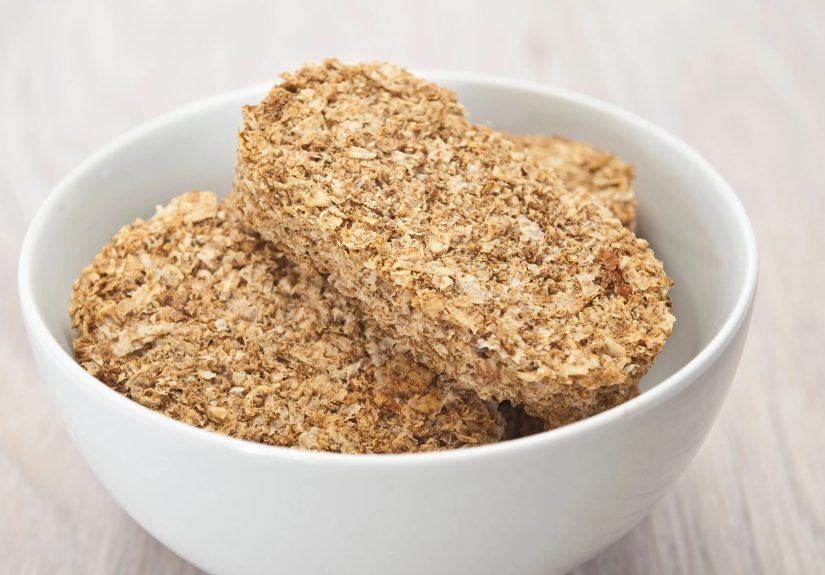
Let’s start with the obvious question: can a humble wheat biscuit really become a “diet”? In internet-land, absolutely. In real life, it is a bit more complicated. The Weetabix diet usually refers to an informal eating approach built around Weetabix as a low-sugar, whole-grain breakfast or meal base, often used by people trying to lose weight, simplify meals, or stop their mornings from turning into a pastry parade. It is not a formally recognized medical plan, and it does not come with official rules carved into a cereal bowl. Instead, it is more like a nickname for a pattern: eating Weetabix regularly, usually in place of sweeter, more calorie-dense breakfast foods.
That matters, because the cereal itself is not the whole story. Weetabix can fit into a healthy eating plan, but it does not magically turn into a fat-burning superhero just because it comes in biscuit form. Whether the approach works depends on what you eat with it, how much you eat later in the day, and whether your overall routine includes enough protein, fiber, produce, movement, and sleep. In other words, the cereal can help, but it cannot do all the heavy lifting while the rest of your diet is off auditioning for a snack commercial.
What people usually mean by “the Weetabix diet”
Most versions of the Weetabix diet are pretty simple. A person eats Weetabix for breakfast every day and sometimes uses it as a light meal or snack later too. The idea is usually based on a few things:
- Weetabix is made primarily from whole-grain wheat.
- It is relatively low in sugar compared with many sweet breakfast cereals.
- It provides some fiber, which may help with fullness.
- It is portion-friendly, quick to prepare, and easy to pair with fruit, milk, or yogurt.
That combination gives it a “healthy breakfast” reputation. And to be fair, compared with frosted, chocolatey, marshmallow-packed cereals that look like they were designed by a sugar wizard, Weetabix is a much more sensible choice. But a sensible breakfast and a complete weight-loss strategy are not the same thing. That is where many people get tripped up.
Why Weetabix gets attention for weight loss
1. It is a whole-grain cereal
Whole grains are often recommended as part of a healthy eating pattern because they contain fiber and other nutrients that refined grains lose during processing. A breakfast built around whole grains may feel more satisfying than one built around highly refined carbs. That does not guarantee weight loss, but it can make a healthy routine easier to stick with. If your breakfast keeps you full until lunch instead of sending you rummaging through office drawers for cookies at 10:17 a.m., that is already a win.
2. It is relatively low in sugar
Many cereals wear a health halo while quietly delivering a lot of added sugar. Weetabix usually appeals to people because it tastes plain enough to be trusted. It is not trying to taste like dessert in a bowl. That lower-sugar profile can be helpful if you are trying to manage calories, energy dips, or mid-morning cravings.
3. It is easy to portion
One underrated reason people like the Weetabix diet is convenience. Portion control is simpler when your cereal comes in biscuits instead of a giant box that somehow turns a “single serving” into a cereal mountain. This can help people avoid accidental overeating, especially when they actually read the label and build from there.
4. It can be part of a balanced breakfast
Here is where Weetabix shines best: as a base, not a solo act. Pair it with milk or fortified soy milk for protein, add Greek yogurt for staying power, toss on berries or banana for flavor and fiber, and maybe sprinkle chia seeds or nuts for healthy fats. Suddenly, your breakfast looks a lot less like “I am dieting” and a lot more like “I have my life together.”
What Weetabix actually offers nutritionally
Exact nutrition can vary by market and serving size, but traditional Weetabix-style biscuits are generally known for being:
- Made mostly from whole-grain wheat
- Moderate in calories per serving
- Low in fat
- Low in sugar
- A source of fiber
- Often fortified with vitamins and minerals such as iron and B vitamins
That is a respectable nutrition résumé for a breakfast cereal. Still, the word respectable is important here. It is nutritious, but it is not nutritionally complete on its own. If you eat plain Weetabix with nothing else and call it lunch too, your stomach may file a complaint by noon. It lacks the protein and fat needed to keep many adults satisfied for long. So while it can support a healthy eating plan, it works best when it is paired wisely.
Does the Weetabix diet actually help you lose weight?
The honest answer: it can help, but only indirectly. No single food causes weight loss on its own. Weight loss still comes down to your overall calorie balance, diet quality, consistency, and lifestyle habits. A Weetabix-based breakfast may support that process because it is simple, lower in sugar than many alternatives, and easy to build into a balanced meal. But if the rest of your day includes oversized takeout lunches, grazing all afternoon, and a nightly “tiny treat” that turns into half a bag of chips, the cereal will not rescue the situation.
Think of Weetabix as a helpful tool, not a miracle system. It may help with weight management because it can replace less filling, more sugary breakfasts and make morning decisions easier. And easier matters. People often stick with eating patterns that are realistic, repeatable, and boring in the best possible way. Fancy diets love grand entrances. Practical breakfasts tend to deliver better long-term behavior.
What the Weetabix diet gets right
It simplifies breakfast
Decision fatigue is real. If you know your breakfast is going to be two biscuits of Weetabix with milk, fruit, and a protein add-on, you are less likely to end up at a drive-thru explaining why a frosted pastry counts as “whole grains in spirit.” Simplicity often supports consistency.
It can improve breakfast quality
For someone switching from sugary cereal, donuts, or skipping breakfast entirely, Weetabix can be a genuine improvement. It offers a better nutritional foundation and can be upgraded easily with toppings that boost protein and fiber.
It encourages portion awareness
Many weight-loss plans work partly because they make people pay attention. The Weetabix diet does that in a gentle way. Instead of measuring out a mystery avalanche of cereal, the portions are more obvious, and that can help people become more mindful overall.
Where the Weetabix diet can go wrong
It can become too restrictive
If someone turns it into a cereal-only routine or starts replacing too many meals with Weetabix, the plan can slide from “structured” into “nutritionally lopsided.” You need variety. Your body did not sign up to run on wheat biscuits alone.
It may not be filling enough by itself
This is the biggest issue. A low-sugar cereal can still leave you hungry if it is not paired with protein and healthy fats. That hunger often boomerangs later in the day, leading to snacking or overeating. A breakfast that looks light and virtuous but leaves you prowling for crackers at 11 a.m. is not doing you many favors.
It may not work for everyone
Because Weetabix is wheat-based, it is not suitable for people with celiac disease or some gluten sensitivities unless they choose a certified gluten-free alternative. Some people also find wheat cereals bloating or less satisfying than oats, eggs, yogurt, or higher-protein breakfasts. Nutrition is personal, and breakfast is not a one-cereal kingdom.
How to do the Weetabix diet in a healthier way
If you want to try a Weetabix-centered routine, the smartest version is not extreme. It is balanced. Here is what that looks like:
Build a complete bowl
- 2 Weetabix biscuits
- Milk, fortified soy milk, or plain Greek yogurt
- Fresh fruit such as berries, banana, or apple
- A small topping of nuts, seeds, or nut butter
This combo gives you carbohydrates, fiber, protein, and some healthy fat, which is much more satisfying than plain cereal with a splash of milk and hope.
Use it as one part of your day, not the entire plan
A solid breakfast can support weight goals, but lunch, dinner, snacks, activity, and sleep still matter. Aim for balanced meals later in the day too: vegetables, lean protein, whole grains or other high-fiber carbs, and sensible portions.
Watch the add-ons
It is surprisingly easy to turn a healthy cereal into dessert with heaps of sugar, syrup, sweetened dried fruit, or oversized spoonfuls of nut butter. A little goes a long way. Your breakfast should not need a confetti cannon.
Be realistic about results
Safe, sustainable weight loss is usually gradual. If you try the Weetabix diet because you think it will melt off pounds in a week, you are likely to be disappointed. If you use it to create a more consistent, lower-sugar, higher-fiber breakfast habit, that is a much more realistic goal.
Who might like the Weetabix diet?
This approach may appeal to:
- Busy people who want a fast breakfast
- Anyone trying to swap a sugary cereal for a lower-sugar option
- People who like simple meal routines
- Adults trying to manage portions more easily
It may be less appealing for people who need higher-protein breakfasts, dislike cold cereal, avoid gluten, or get hungry quickly after carb-heavy meals.
Better alternatives if the Weetabix diet is not your thing
If Weetabix does not work for you, the underlying idea still can: choose a breakfast that is high in quality, moderate in calories, and satisfying enough to prevent rebound hunger. Good alternatives include oatmeal with nuts and fruit, high-fiber cereal with Greek yogurt, eggs with whole-grain toast, or a smoothie built with protein, fruit, and fiber-rich ingredients.
The real lesson is not “everyone must eat Weetabix.” It is “a balanced breakfast can make your day easier.” That message may be less dramatic, but it is much more useful.
Final verdict: Is the Weetabix diet worth trying?
The Weetabix diet is best understood as a practical breakfast habit, not a formal diet plan. If it helps you replace sugary, less satisfying breakfasts with a whole-grain, lower-sugar option, it can absolutely support your health and weight goals. But it works best when paired with protein, fruit, and healthy fats, and when it sits inside a broader balanced eating pattern.
So, what is the Weetabix diet? It is basically a cereal-centered shortcut to a simpler morning routine. That can be helpful. Just do not confuse “helpful” with “magical.” Your breakfast can set the tone for the day, but it cannot do your entire wellness journey before you finish your coffee.
Experiences With the Weetabix Diet: What It Can Feel Like in Real Life
One reason the Weetabix diet gets so much attention is that it feels doable. People are often drawn to it not because it sounds glamorous, but because it sounds manageable. A busy office worker might love it because breakfast goes from chaos to autopilot: two biscuits, milk, berries, done. That kind of routine can make mornings easier and reduce the temptation to grab a sugary pastry on the way to work. In that sense, the experience can feel surprisingly calming. Fewer decisions, fewer impulses, fewer “I will just eat whatever is nearby” moments.
Some people also report that a Weetabix-based breakfast feels lighter than a greasy fast-food breakfast, yet more structured than skipping breakfast altogether. They like knowing they started the day with something that contains whole grains and less sugar than many cereals. There is also a psychological benefit to eating a breakfast that feels sensible. When breakfast feels balanced, the rest of the day often feels less like nutritional improv.
But not every experience is glowing. A common problem is hunger creeping in too early. Someone who eats plain Weetabix with only a little milk may feel fine at 8 a.m. and ravenous by 10:30. That can trigger a snack attack strong enough to make the vending machine look emotionally supportive. This is usually not a sign that Weetabix is “bad.” It is a sign that the meal was incomplete. Adding Greek yogurt, nuts, seeds, or fruit often changes the experience dramatically.
Another real-world experience is boredom. Let’s be honest: Weetabix is not exactly a roller coaster for your taste buds. Some people love its simplicity, while others find it bland after a few days. The people who stick with it long term tend to rotate toppings, change textures, or use it as part of a broader breakfast routine rather than a daily rule carved in stone. Banana and cinnamon one day, berries and yogurt the next, chopped apple and peanut butter after that. Small changes can keep a simple breakfast from becoming breakfast wallpaper.
There is also the “healthy halo” trap. Some people start the Weetabix diet feeling virtuous, then accidentally undo the benefit by adding lots of sugar, honey, chocolate chips, or oversized spoonfuls of nut butter. Suddenly the calm little breakfast has become a dessert with good public relations. Other people swing too far in the opposite direction and make the plan overly strict, using Weetabix as a meal replacement too often. That usually ends the same way many rigid diets do: frustration, cravings, and eventually a rebound into overeating.
The most positive experiences tend to come from people who use Weetabix as a tool rather than a rule. They treat it as one reliable breakfast option in a bigger healthy lifestyle, not as a miracle solution. In practice, that mindset seems to matter most. When the cereal is part of a balanced pattern, the experience is usually practical, steady, and sustainable. When it becomes a shortcut to extreme restriction, the experience tends to go sideways fast.
Note: This article is for general educational purposes and is not a substitute for personalized medical advice. If you have diabetes, celiac disease, digestive issues, or specific nutrition goals, it is smart to check with a registered dietitian or healthcare professional before making major diet changes.