Table of Contents >> Show >> Hide
- Meet “Chocolate Bloom”: The Quick Answer
- Why Chocolate Turns White: Two Culprits
- How to Tell Bloom From Mold (or Other “Uh-Oh” Situations)
- Does Bloom Mean the Chocolate Is Old?
- Can You Fix Bloomed Chocolate?
- How to Prevent the Chalky White Stuff: Storage That Actually Works
- Frequently Asked Questions
- Conclusion: Your Chocolate Isn’t HauntedIt’s Just Bloomed
- Experiences With Bloomed Chocolate (Extra )
You unwrap a chocolate bar expecting glossy, rich perfection… and instead you’re greeted by a dusty, pale coating that looks like your chocolate just walked through a drywall renovation. The first thought is usually: “Is this mold?” The second thought is: “Please don’t let it be mold.”
Here’s the good news: that chalky white stuff is usually chocolate bloom, and it’s typically safe to eat. It’s not a mystery fungus plotting against your dessertit’s chocolate doing a little chemistry (badly) after heat, cold, or moisture messed with its structure.
In this guide, we’ll break down what chocolate bloom is, why it happens, how to tell it apart from actual spoilage, and what to do with bloomed chocolatewhether you want to rescue it, bake with it, or just confidently eat it without side-eyeing every bite.
Meet “Chocolate Bloom”: The Quick Answer
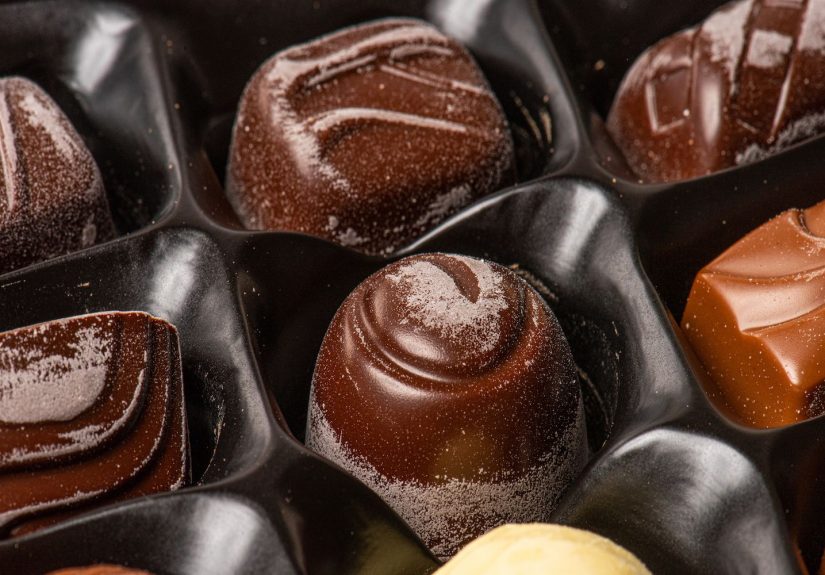
The chalky white film, streaks, or speckles that appear on chocolate are most often called chocolate bloom. Bloom happens when either fat (cocoa butter) or sugar migrates to the surface and crystallizes there. The chocolate looks weird, may feel gritty or waxy, and might lose some of its snapbut it’s usually not dangerous.
So… is it safe to eat?
Yes, in most cases. Bloom is considered a quality issue (appearance and texture) rather than a food safety issue. If the chocolate smells normal and there’s no fuzzy growth or suspicious colors, bloom alone is not a reason to toss it.
The only time you should pause is when you’re dealing with chocolate that has a perishable filling (think cream, ganache-heavy centers, fruit purées, or anything meant to be refrigerated). Filled chocolates can spoil even if the outer shell looks okay.
Why Chocolate Turns White: Two Culprits
Chocolate bloom comes in two main varieties: fat bloom and sugar bloom. They can look similar, but the cause (and mouthfeel) is different.
1) Fat Bloom: When Cocoa Butter Gets Restless
Fat bloom happens when cocoa butter separates or rearranges its crystal structure and rises to the surface. You’ll often see:
- Grayish or whitish streaks
- A dull, faded finish (the chocolate loses its shine)
- A slightly waxy or soft texture
Common triggers for fat bloom include:
- Temperature swings (warm → cool → warm again), which partially melt cocoa butter and then re-solidify it unevenly
- Poor tempering (especially in homemade or artisanal chocolate), leading to unstable cocoa butter crystals
- Fat migration from fillings (nut butters, pralines, or creamy centers), where fats move into the chocolate shell over time
In plain English: fat bloom is chocolate’s version of “my parts are no longer where they should be.” Still ediblejust less pretty.
2) Sugar Bloom: Moisture Crashes the Party
Sugar bloom happens when moisture hits the chocolate’s surface. Water dissolves some of the sugar, and when it evaporates, the sugar recrystallizes into a rough, pale layer. You’ll often notice:
- A dusty white coating or small white spots
- A gritty or sandy texture (more “chalk” than “wax”)
- More frequent bloom on milk chocolate and white chocolate (higher sugar content)
The usual suspects:
- Refrigeration without airtight wrapping (condensation forms when chocolate warms back up)
- Freezer storage with poor packaging
- Humid environments (steam from a kettle, a damp pantry, or a chocolate bar living too close to your stovetop sauna)
In other words: sugar bloom is what happens when chocolate gets “dew” on it. Chocolate is dramatic like that.
How to Tell Bloom From Mold (or Other “Uh-Oh” Situations)
This is the big question, because no one wants to play “guess the microorganism” with dessert. Here’s how to make a confident call.
Signs it’s probably bloom
- Uniform film, streaks, or spots that look dry and powdery (sugar bloom) or slightly shiny/waxy (fat bloom)
- No fuzzy texturenothing looks hairy, cottony, or web-like
- Smells like chocolate (no musty, sour, or “old oil” odor)
Signs you should toss it
- Fuzz or raised growth (mold tends to look furry or “alive”)
- Odd colors beyond white/gray (green, blue, pink, or black patches)
- Off smell (musty, sour, or rancid/paint-like)
- Filled chocolates that are past their best-by date, have been stored warm, or taste “off”
Two simple at-home “bloom clues”
- The water-drop clue: Place a tiny drop of water on the surface. If it spreads and dissolves the surface quickly, you’re likely seeing sugar bloom. If it beads up more, that leans toward fat bloom.
- The gentle-warmth clue: Brief, gentle warming can reduce the appearance of fat bloom because cocoa butter melts. Sugar bloom is more stubborn because it’s crystallized sugar on the surface.
These aren’t lab tests, but they’re helpful for everyday chocolate triage.
Does Bloom Mean the Chocolate Is Old?
Not necessarily. Bloom can happen to brand-new chocolate if it was shipped through temperature extremes or stored in a warm spot. (Chocolate delivery trucks in summer are basically rolling plot twists.)
That said, age does matter for flavor. Even if a chocolate bar is safe, fats can slowly oxidize over timeespecially in milk chocolate, which contains milk fat that can go stale faster. If the chocolate tastes flat, cardboard-y, or vaguely like old nuts or crayons, that’s a quality sign it’s past its prime.
Bloom itself doesn’t automatically shorten shelf life, but it can signal the chocolate has experienced conditions that may dull flavor. Think of bloom as a warning light for “this chocolate has been through some stuff.”
Can You Fix Bloomed Chocolate?
You can’t always restore it to “boutique display case” perfection without proper technique, but you can absolutely use it. In fact, bloomed chocolate is a secret weapon for baking because recipes don’t care if your chocolate had a bad hair day.
Best ways to use bloomed chocolate
- Melt it into brownies or cookies (appearance disappears, flavor still shines)
- Make ganache for cakes, truffles, or frosting
- Hot chocolate (the coziest “problem solved” in a mug)
- Chocolate sauce for ice cream, fruit, or pancakes
What about re-tempering?
If you want to restore snap and shine, you can melt and temper the chocolate again. Tempering is essentially guiding cocoa butter crystals to form the “right” stable structure. It’s totally doable at home, but it requires patience, a thermometer, and the willingness to learn a process that feels like babysitting a very moody lava pool.
If that sounds like too much, don’t worrybloomed chocolate is still a superstar ingredient when melted.
How to Prevent the Chalky White Stuff: Storage That Actually Works
If you want your chocolate glossy and snap-happy, the goal is simple: stable temperature, low humidity, and odor protection.
Chocolate storage best practices
- Keep it cool and steady: Aim for a consistent room temperature rather than hot/cold swings.
- Keep it dry: Moisture is sugar bloom’s best frienddon’t invite it.
- Store airtight: Chocolate absorbs odors easily, so protect it from onions, garlic, and whatever else is living in your pantry.
- Keep it dark: Light and heat speed up quality loss.
Should you refrigerate chocolate?
Usually, nonot unless you have a specific reason (like extremely hot conditions at home). Refrigerators can cause condensation when the chocolate warms back up, which increases the risk of sugar bloom.
If you must refrigerate or freeze chocolate:
- Wrap it well and place it in an airtight container.
- When bringing it back to room temperature, keep it wrapped until it fully warms up to reduce condensation on the chocolate surface.
Frequently Asked Questions
Is the white stuff on chocolate the same as mold?
Usually not. Most of the time it’s chocolate bloom (fat bloom or sugar bloom). Mold tends to look fuzzy and may smell musty or unpleasant.
Why does chocolate bloom happen even if the chocolate isn’t expired?
Because bloom is often caused by storage conditionstemperature changes, humidity, or condensationrather than “age.” Chocolate can bloom during shipping, in a warm kitchen, or after a trip to the fridge.
Does bloomed chocolate taste bad?
It can. Bloom often reduces the smooth, melt-in-your-mouth texture. Sugar bloom can feel gritty; fat bloom can feel waxy. Flavor may be slightly dulled, but it’s often still great when melted into recipes.
Can I still use bloomed chocolate for melting and dipping?
You can melt it, but dipping chocolate usually needs proper tempering for a glossy finish and crisp snap. Bloomed chocolate is better for baking, ganache, sauces, or hot chocolate unless you’re ready to temper.
Conclusion: Your Chocolate Isn’t HauntedIt’s Just Bloomed
The chalky white coating on chocolate is most often chocolate bloom, caused by either fat bloom (cocoa butter crystal changes) or sugar bloom (moisture and sugar recrystallization). It’s usually safe to eat, but it may be less delicious in texture and appearance.
If it smells fine and isn’t fuzzy, you’re almost certainly dealing with a quality issue, not a safety issue. And if the texture is a deal-breaker, melt it into brownies or hot chocolate and turn that “problem” into a very intentional life choice.
Experiences With Bloomed Chocolate (Extra )
If you’ve ever found chalky white stuff on chocolate, you’re in excellent companythis is one of the most common “wait, what happened?” moments in everyday kitchens. A classic scenario: someone buys a big bag of chocolate candy after a holiday sale. It goes into a pantry “for later” and then gets rediscovered months later like a sugary time capsule. The candy is intact, the wrappers look fine, but the chocolate inside has pale streaks and a dull finish. That’s often fat bloom from temperature fluctuationsmaybe the pantry got warm during summer afternoons and cooler at night. The chocolate isn’t dangerous; it’s just lost its showroom shine.
Another very relatable experience happens with good intentions: freezing chocolate “to keep it fresh.” People stash chocolate bars or chocolate chips in the freezer to protect them from heat, bugs, or late-night snacking (no judgment). The trouble starts when the chocolate comes back out. If it warms up unwrappedor even loosely wrappedmoisture from the air can condense on the cold surface. That little layer of water dissolves sugar, and when it evaporates, it leaves behind the rough, chalky texture of sugar bloom. The chocolate may look dusty and feel grainy, which can be disappointing if you planned to eat it straight. But toss those chips into cookie dough or melt them for brownies, and the “problem” disappears.
Shipping is another real-world culprit that surprises people, especially when ordering fancy chocolate gifts. A box can travel through chilly warehouses, warm delivery trucks, and front porches that act like tiny greenhouses in the sun. Even if the chocolate starts perfectly tempered, those temperature swings can coax cocoa butter to migrate and crystallize on the surface. That’s why premium chocolate sometimes arrives looking less-than-perfect even though it’s fresh. It’s also why chocolatiers recommend stable storage conditionsbecause chocolate is basically a delicious thermometer with feelings.
Then there’s the “car chocolate” experience: a bar forgotten in a bag during errands. It softens, then re-hardens later, and suddenly the surface looks streaky and gray. That’s fat bloom’s greatest hit. It’s a reminder that chocolate loves consistency: steady temperatures, low humidity, and a calm environment. But the upside is that bloom doesn’t have to ruin the fun. Many people turn bloomed chocolate into an excuse to bakebrownies, chocolate sauce, or hot cocoa and end up with something even better than the original plan. In a way, bloom is chocolate’s way of nudging you toward dessert multitasking.
Finally, there’s the most important experience-based lesson: learning when to worry and when not to. Most bloom looks like a thin film, light speckles, or pale streaking. Mold, by contrast, tends to look fuzzy, patchy, or oddly colored and may come with an off smell. Once you know the difference, the panic fades. Instead of throwing away perfectly usable chocolate, you can make a simple decision: eat it, bake with it, or save it for melting. And that’s a sweet upgrade from “Is this safe?” to “Which dessert should this become?”