Table of Contents >> Show >> Hide
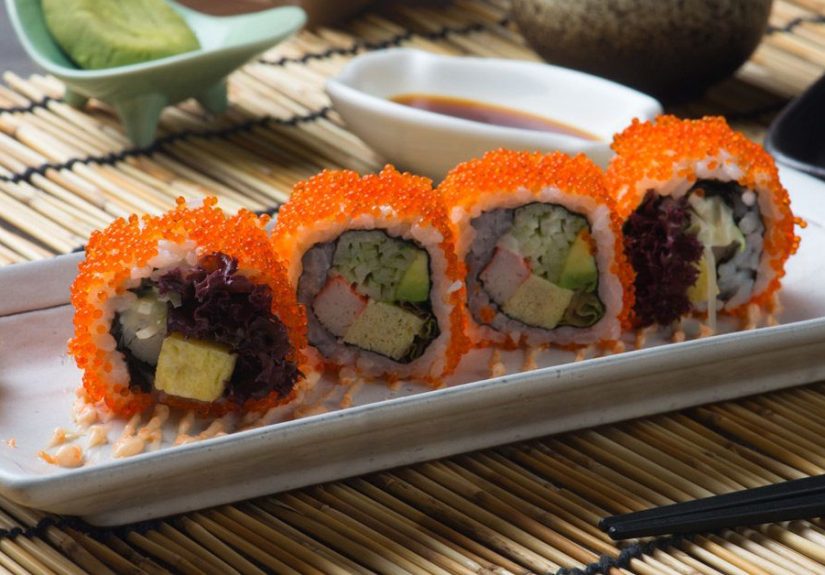
If you have ever ordered a sushi roll and noticed a tiny shower of bright orange pearls on top, congratulations: you have already met masago. It is one of those ingredients that quietly shows up, adds a salty pop, makes everything look a little fancier, and then disappears before anyone asks for its full résumé.
But masago is more than sushi confetti. It is the roe, or edible eggs, of capelin, a small cold-water fish related to smelt. And while it is tiny, masago packs a surprisingly big nutritional personality. It offers protein, omega-3 fats, vitamin B12, and selenium in a very small serving. At the same time, it also comes with a few important downsides, including high sodium, naturally high cholesterol, allergy concerns, and food-safety issues if it is served raw.
So is masago a smart seafood choice, or just a salty garnish with a good publicist? The real answer is somewhere in the middle. In modest amounts, masago can fit into a balanced diet. But like many intensely flavored foods, it is best enjoyed with a little enthusiasm and a little restraint.
What Is Masago, Exactly?
Masago is capelin fish roe. Capelin are small forage fish that live in cold northern waters, including parts of the North Atlantic, North Pacific, and Arctic regions. They are small, silvery fish, but their eggs are what usually get the spotlight in food culture.
In Japanese-inspired cuisine, masago is commonly used as a topping, garnish, or filling for sushi rolls. It has a mild briny flavor, a slightly sweet finish, and a texture that is more delicate than dramatic. If tobiko is the louder cousin that crunches into the room wearing sequins, masago is the more affordable relative who still knows how to make an entrance.
Masago is often dyed bright shades like orange, red, or green for visual appeal. Some products are also flavored with ingredients such as wasabi, squid ink, ginger, or chili. That means the taste and nutrition of masago can vary a bit depending on the brand and how it is prepared.
Masago vs. Tobiko: What’s the Difference?
Masago and tobiko are easy to confuse because both are tiny fish roe used in sushi. But they are not the same.
- Masago comes from capelin.
- Tobiko comes from flying fish.
- Masago is smaller, softer, and usually less crunchy.
- Tobiko is larger, firmer, and often more expensive.
- Masago is usually milder and sometimes slightly more bitter.
Restaurants sometimes use masago as a budget-friendly alternative to tobiko. For most diners, the difference is subtle. For sushi fans, however, texture is serious business.
Masago Nutrition: Small Eggs, Big Nutrients
Masago is low in calories for the amount of flavor it brings. A small serving, such as about 1 tablespoon, generally provides only a modest number of calories while delivering protein and fat. Larger reference data for fish roe show that roe is especially rich in vitamin B12, selenium, and protein, and it also contains omega-3 fatty acids.
Because brand formulas vary, especially when salt, seasonings, or coloring are added, the exact nutrition label can look different from one container to another. Still, masago usually offers these key nutrients:
- Protein: helpful for muscle repair, fullness, and general body maintenance
- Omega-3 fatty acids: important fats linked to heart and brain health
- Vitamin B12: essential for nerve function, DNA production, and red blood cell formation
- Selenium: a trace mineral that supports thyroid function and antioxidant defenses
- Phosphorus: important for bones, teeth, and energy metabolism
One reason masago gets nutrition credit is that fish roe is nutrient-dense. In plain English, you get a lot of nutritional value in a small amount. In practical English, you can add a teaspoon or two to a meal and feel like you upgraded lunch without having to roast a whole salmon.
Potential Benefits of Masago
1. It provides high-quality protein in a tiny serving
Masago is not a giant protein source the way chicken breast or Greek yogurt is, but gram for gram, roe is impressively protein-rich. Protein helps support muscle maintenance, immune function, tissue repair, and satiety. Because masago is concentrated, even a small spoonful contributes something meaningful.
This can be useful when you want to add a little extra protein to rice bowls, sushi, crackers, or seafood dishes without a big calorie jump.
2. It contains omega-3 fats
Like other seafood-based foods, masago contains omega-3 fatty acids. These fats are associated with heart health and are important for cell membranes, brain function, and inflammatory balance. Omega-3s are one of the main reasons fish keeps winning its reputation as the overachiever of the protein aisle.
Masago is not likely to be your biggest omega-3 source unless you are eating it by the tub, which would be ambitious, but it still contributes to overall intake.
3. It is rich in vitamin B12
Vitamin B12 is one of masago’s standout nutrients. This vitamin is essential for healthy nerves, red blood cell production, and DNA synthesis. People who eat little or no animal-based food sometimes struggle to get enough B12, so seafood-based foods can help fill that gap.
If you feel like your energy is dragging, B12 is often one of the first nutrients people hear about. It is not magic, but it is crucial.
4. It supplies selenium
Selenium is a mineral your body needs in small amounts, but those small amounts matter a lot. It supports thyroid health and plays a role in antioxidant activity, helping protect cells from damage linked to oxidative stress. Seafood is one of the better natural sources of selenium, and masago fits nicely into that category.
5. It can be a lower-mercury seafood option than large predatory fish
Because capelin are small fish low on the marine food chain, masago is generally seen as a lower-mercury option compared with large predatory fish such as swordfish or king mackerel. That said, lower mercury does not automatically mean unlimited servings, especially for pregnant people. Preparation method still matters, and raw seafood safety is a separate concern.
Downsides of Masago
1. It can be very high in sodium
This is the big one. Masago is often salt-cured or seasoned, and some commercial products can deliver around 240 milligrams of sodium in just 1 tablespoon. That is a lot for something that can disappear in two bites and one dramatic eyebrow raise.
For context, healthy adults are generally advised to keep sodium around 2,300 milligrams per day, and some people, especially those with high blood pressure, may need less. If you pile masago onto sushi that already includes soy sauce, pickled ingredients, spicy mayo, and salty fillings, your sodium total climbs fast.
If you enjoy masago regularly, it helps to think of it as a flavor booster rather than a main protein.
2. Roe is naturally high in cholesterol
Fish roe is nutrient-rich, but it is also naturally high in cholesterol compared with many other seafood choices. That does not mean you need to panic every time a California roll sparkles at you. It does mean portion size matters, especially for people who have been told to watch overall dietary cholesterol patterns or who are already eating other cholesterol-rich foods that day.
The key point is balance. Masago works better as a garnish than as a main event.
3. Fish allergies are a real concern
Masago is a fish product, so people with fish allergies should avoid it unless a healthcare professional says otherwise. Fish is one of the major food allergens recognized in U.S. food labeling rules. Some people can also react specifically to fish roe proteins.
If you are eating sushi out and have a food allergy, it is worth asking exactly what kind of roe is being used and whether cross-contact is possible in the kitchen.
4. Raw masago may not be the best choice for everyone
Masago is often served raw or minimally processed in restaurant dishes. That raises food-safety concerns for people who are pregnant, immunocompromised, older adults, or anyone more vulnerable to foodborne illness. Federal food-safety guidance advises avoiding raw or undercooked seafood during pregnancy.
Even when mercury is not the biggest issue, raw seafood still can be. That is why cooked or pasteurized seafood products are usually the safer route for higher-risk groups.
5. Some products contain additives
Not all masago sold in stores is just “capelin roe and vibes.” Some products include added salt, food coloring, sweeteners, preservatives, MSG, or flavorings like wasabi and squid ink. None of that automatically makes the product bad, but it does mean the ingredient list matters.
If you prefer simpler foods, look for masago with a short ingredient list and moderate sodium. If the label reads like a chemistry pop quiz, maybe keep shopping.
6. Sustainability questions exist
Capelin are important forage fish in marine ecosystems. Larger fish, birds, and mammals depend on them as food. Some experts and environmental advocates have raised concerns about capelin fishing pressure and the ecological effects of targeting egg-bearing females for roe. That does not mean every masago product is an environmental red flag, but it does mean sourcing matters.
If sustainability is important to you, look for more transparency from the brand or ask your seafood seller where the product came from.
Who Should Be Careful With Masago?
Masago is not automatically off-limits for everyone, but some groups should take extra care:
- People with high blood pressure: because sodium can add up quickly
- People with fish allergies: because masago is a fish allergen
- Pregnant people: especially if the masago is raw or undercooked
- People with kidney or heart conditions: if they have been told to limit sodium
- Anyone sensitive to additives: because flavored masago may contain extra ingredients
How to Eat Masago in a Smarter Way
The easiest way to enjoy masago without going overboard is to use it the way it was meant to be used: as an accent. It works beautifully in small amounts.
Smart serving ideas
- Sprinkle a teaspoon over a homemade sushi bowl
- Add a little to avocado toast with cucumber for a salty seafood twist
- Top rice, noodles, or poke bowls with a modest amount
- Mix a small spoonful into Greek yogurt or mayo for a savory seafood dip
- Use it as a garnish for deviled eggs or cucumber rounds
To keep the meal more balanced, pair masago with lower-sodium foods like plain rice, fresh vegetables, avocado, or unsalted seafood. And if soy sauce is already on the table, maybe do not drown everything else in it. Your taste buds may love drama, but your sodium intake probably does not.
What Does Masago Taste Like?
Masago tastes briny, mildly fishy, and lightly sweet, with a savory finish. The texture is one of its most defining features. It is less crunchy than tobiko and more delicate than salmon roe. Instead of bursting dramatically, it tends to feel sandy, soft, and pleasantly poppy in the mouth.
That texture is exactly why some people love it and others look slightly confused on first bite. It is not bad. It is just one of those foods that makes you stop and go, “Huh. Tiny ocean pearls. Interesting.”
What People Commonly Experience With Masago
For many people, the first encounter with masago happens almost by accident. They order a spicy tuna roll, take a bite, and suddenly notice a salty little crackle that was not there before. The reaction is usually one of two things: delight or brief suspicion. Delight if they enjoy the extra texture. Suspicion if they were not expecting tiny fish eggs to join the party.
Once people know what it is, masago often becomes one of those ingredients they start spotting everywhere. It shows up on sushi rolls, poke bowls, seafood salads, hand rolls, rice bowls, and the occasional very enthusiastic appetizer platter. Diners often describe the experience as more about texture than flavor. Masago does not usually dominate a dish. Instead, it adds a subtle briny edge and a delicate pop that makes the food feel more lively.
At home, people who buy masago for the first time are often surprised by how little they need. A small spoonful can season an entire bowl of rice or top several cucumber slices. That is good news for flavor, and also good news for your sodium intake, because masago can get salty fast. Many home cooks discover that it works best when paired with creamy, mild, or starchy foods like avocado, rice, eggs, mayonnaise-based sauces, or plain crackers. Those foods mellow the saltiness and let the roe shine without turning the whole dish into a seawater speed run.
There is also a visual experience to masago that people genuinely enjoy. Bright orange masago can make a simple plate look restaurant-worthy in about three seconds. It is the culinary equivalent of putting on one excellent accessory and suddenly pretending you had a plan all along. That visual appeal is one reason it remains so popular in sushi culture, even among people who use only tiny amounts.
Some people, however, find the first taste a bit too fishy or the texture slightly unusual. That is not uncommon. Masago is one of those foods that often makes more sense in context than on its own. Eating a spoonful straight from the container may be memorable, but not always in the way you hoped. Mixed into a balanced bite with rice, cucumber, nori, or avocado, it tends to feel more harmonious.
For shoppers, the biggest practical experience is label reading. One container may be relatively simple, while another includes coloring, sweeteners, MSG, and a sodium count that sneaks up quickly. Refrigeration, freshness, and seller reputation matter too, especially for a perishable seafood product. The best experience usually comes from buying a small amount, using it as a garnish, and treating it like a specialty ingredient rather than an everyday staple.
In other words, masago is often at its best when expectations are realistic. It is not a miracle food. It is not a nutritional villain either. It is a tiny, flavorful, nutrient-rich seafood topping that can make a meal more interesting, as long as you let it play a supporting role instead of trying to cast it as the entire show.
Final Take
Masago is capelin fish roe: tiny, colorful, savory, and surprisingly nutrient-dense. It offers protein, omega-3 fats, vitamin B12, and selenium in a small serving, and it can add texture and flavor to all kinds of dishes. That is the good news.
The not-so-good news is that masago can also be high in sodium, naturally high in cholesterol, risky for people with fish allergies, and less ideal when served raw to those at higher risk of foodborne illness. Sustainability and additives are also worth thinking about if you buy it regularly.
The healthiest approach is not to fear masago or to crown it a superfood king. It is to treat it like what it is: a flavorful seafood garnish with both benefits and downsides. Enjoy it in sensible portions, read the label, and pair it with fresh, lower-sodium foods. Tiny eggs, big personality, best used with a little common sense.