Table of Contents >> Show >> Hide
If your body suddenly feels like it is running on three espressos and a dare, your thyroid may be trying to steal the show. Graves’ disease is one of the most common reasons the thyroid becomes overactive, and when it does, the effects can show up almost everywhere: your heart, your sleep, your energy, your eyes, your mood, your weight, and even your skin.
The tricky part is that Graves’ disease does not always arrive with one dramatic, movie-worthy symptom. For many people, it starts as a weird collection of changes that do not seem connected at first. Maybe your heart is racing for no obvious reason. Maybe you are losing weight while eating more. Maybe you feel anxious, shaky, overheated, and wide awake at 2 a.m. when everyone else is sensibly asleep.
This guide breaks down what Graves’ disease is, what causes it, how doctors diagnose it, what treatment options are available, and what living with it can actually feel like day to day. If the term sounds intimidating, take a breath. It is a serious condition, but it is also one that can usually be treated and managed very effectively.
What Is Graves’ Disease?
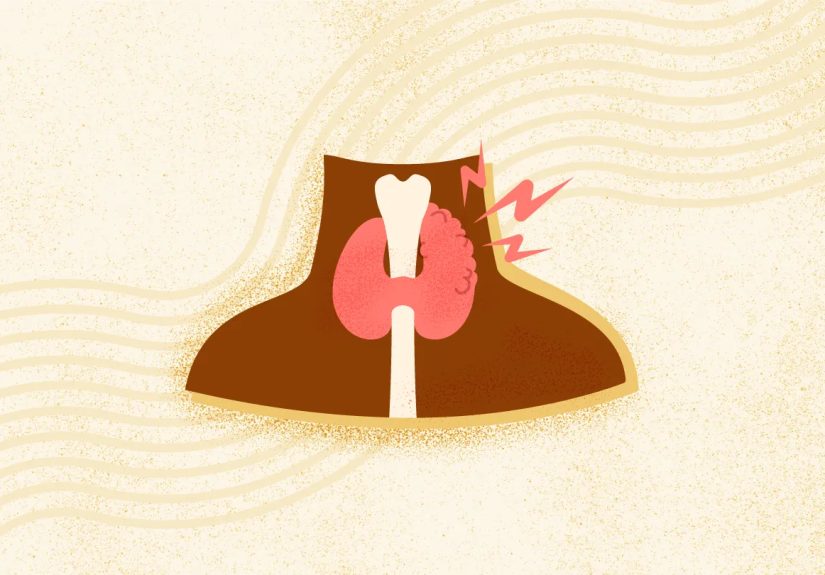
Graves’ disease is an autoimmune disorder that causes the thyroid gland to make too much thyroid hormone. That overproduction leads to hyperthyroidism, or an overactive thyroid. The thyroid is the small butterfly-shaped gland at the front of your neck, but do not let the cute shape fool you. It helps regulate metabolism, heart rate, body temperature, energy use, and how many body systems keep humming along without complaint.
In Graves’ disease, the immune system creates antibodies that mistakenly stimulate the thyroid instead of protecting the body. In plain English, your immune system hits the “go faster” button when no one asked it to. As thyroid hormone levels rise, many body functions speed up too. That is why Graves’ disease can cause such a wide mix of symptoms, from sweating and tremors to bowel changes and trouble sleeping.
It is also the most common cause of hyperthyroidism in the United States. It affects women more often than men and tends to appear more often in adults over 30, although it can happen at other ages too. Some people mainly experience classic hyperthyroid symptoms, while others also develop eye or skin changes that make Graves’ disease especially recognizable.
Symptoms of Graves’ Disease
The symptoms of Graves’ disease can vary a lot from person to person. Some people feel revved up and restless. Others feel wiped out but cannot sleep. And some bounce between both, which is about as fun as it sounds.
Common Hyperthyroid Symptoms
Many of the classic symptoms happen because excess thyroid hormone pushes the body into overdrive. Common symptoms include:
- Unexplained weight loss, sometimes despite a bigger appetite
- Rapid heartbeat, palpitations, or an irregular heart rhythm
- Nervousness, irritability, or feeling unusually anxious
- Shaky hands or fine tremors
- Heat intolerance and increased sweating
- Trouble sleeping
- Fatigue and muscle weakness
- More frequent bowel movements
- An enlarged thyroid gland, also called a goiter
- Changes in menstrual cycles or sex drive
One frustrating thing about Graves’ disease is that it can imitate stress, burnout, panic, or “I guess I am just getting older now.” That is one reason diagnosis can be delayed. A person may spend weeks or months trying to explain away symptoms that are all connected by the same underlying problem.
Eye Symptoms
Graves’ disease is also linked to thyroid eye disease, sometimes called Graves’ ophthalmopathy or Graves’ orbitopathy. Not everyone with Graves’ disease develops it, but when it happens, it can be one of the most distinctive parts of the condition.
Eye symptoms may include bulging eyes, redness, puffiness around the eyes, pressure or pain, light sensitivity, a gritty sensation, blurred vision, or double vision. In more severe cases, vision can be threatened. Eye symptoms may start before, during, or after thyroid symptoms appear, which can make the whole timeline feel needlessly dramatic.
Skin Symptoms
More rarely, Graves’ disease can affect the skin. The best-known skin change is pretibial myxedema, also called Graves’ dermopathy. This usually shows up on the shins or tops of the feet as thickened, reddish, swollen, or textured skin. It is less common than the thyroid and eye symptoms, but it is part of the full Graves’ picture.
What Causes Graves’ Disease?
Graves’ disease begins with an immune system mix-up. The body produces antibodies, often called TSI or TRAb, that act like thyroid-stimulating hormone. Instead of gently regulating thyroid output, these antibodies keep telling the thyroid to produce more hormone than the body actually needs.
Researchers do not think there is a single cause. Instead, Graves’ disease appears to develop through a combination of genetic susceptibility and environmental triggers. In other words, genetics may load the gun, but something else may pull the trigger.
Risk factors include a family history of thyroid disease, having another autoimmune condition such as type 1 diabetes or rheumatoid arthritis, being female, and smoking. Smoking is especially important because it not only raises the risk of Graves’ disease but also increases the risk of thyroid eye disease and can make eye problems worse.
Pregnancy and the postpartum period can also influence Graves’ disease. Some people first develop symptoms during pregnancy, while others notice symptoms improve later in pregnancy and flare again after delivery. That is one reason thyroid symptoms during and after pregnancy deserve real medical attention, not just a shrug and a “hormones are weird.”
How Doctors Diagnose Graves’ Disease
Diagnosis usually starts with a medical history, symptom review, and physical exam. A clinician may notice a rapid heart rate, tremor, warm skin, an enlarged thyroid, or eye changes that suggest Graves’ disease. But symptoms alone are not enough. Doctors use lab tests and sometimes imaging to confirm the diagnosis and rule out other causes of hyperthyroidism.
Blood Tests
Blood work is the main starting point. Doctors usually check:
- TSH, which is often low or suppressed in hyperthyroidism
- Free T4 and sometimes T3, which are often elevated
- Thyroid antibodies, especially TSI or TRAb, which can help confirm Graves’ disease
If antibody testing is clearly positive, that may be enough to make the diagnosis in the right clinical setting. That is good news for people who would rather avoid extra testing involving radioactive iodine.
Imaging Tests
When the diagnosis is still uncertain, doctors may order a radioactive iodine uptake test and thyroid scan. These tests show how much iodine the thyroid absorbs and how it is distributed throughout the gland. Graves’ disease usually causes a pattern of increased uptake across the whole thyroid, which helps distinguish it from other thyroid disorders.
A Doppler ultrasound can also help, especially when radioactive iodine testing is not a good option, such as during pregnancy or breastfeeding. Ultrasound can show an enlarged thyroid and increased blood flow, both of which support the diagnosis.
Treatment for Graves’ Disease
There is no one-size-fits-all treatment plan for Graves’ disease. The best option depends on your age, symptoms, general health, pregnancy status, eye involvement, preferences, and whether the disease is likely to respond to medication. The main goal is to lower thyroid hormone levels and control the symptoms caused by the overactive thyroid.
1. Beta-Blockers for Symptom Relief
Beta-blockers are often used early in treatment. They do not lower thyroid hormone production, but they can quickly ease symptoms such as tremor, palpitations, anxiety, sweating, diarrhea, and heat intolerance. For someone whose heart feels like it is rehearsing for a drum solo, that relief can matter a lot.
2. Antithyroid Medications
Antithyroid drugs reduce the thyroid’s ability to make hormone. The two best-known options are methimazole and propylthiouracil (PTU). Methimazole is usually the preferred first choice because PTU carries a higher risk of serious liver problems. PTU may still be used in certain situations, especially during the first trimester of pregnancy.
For some people, antithyroid medications can lead to remission. For others, hyperthyroidism returns after the medicine is stopped. These medications can be very effective, but they also require monitoring because side effects may include rash, joint pain, liver injury, or a drop in white blood cells.
3. Radioactive Iodine Therapy
Radioactive iodine therapy works by gradually destroying overactive thyroid cells. Over time, the thyroid shrinks and hormone production falls. This treatment has been used for many years and is a common option in adults, but it is not used during pregnancy or while breastfeeding.
One important caution: radioactive iodine can worsen thyroid eye disease in some people, especially those who already have moderate or severe eye symptoms. Many patients eventually develop hypothyroidism after treatment and need lifelong thyroid hormone replacement. That may sound discouraging, but hypothyroidism is generally much easier to manage predictably than uncontrolled hyperthyroidism.
4. Surgery
Thyroidectomy, or surgical removal of the thyroid, is another treatment option. Surgery may be recommended when medications are not a good fit, when a large goiter is causing problems, when nodules raise concern, during certain pregnancies, or when eye disease changes the balance of risks and benefits.
Surgery is often definitive, but it also means thyroid hormone replacement for life afterward. In experienced hands, it can be a very effective treatment. As with any surgery, there are risks, including injury to the vocal cord nerve or nearby parathyroid glands, so the choice should be made carefully with a specialist.
5. Treatment for Thyroid Eye Disease
Treating the thyroid does not always fix the eyes. Mild eye symptoms may improve with artificial tears, lubricating gels at night, sunglasses, and sleeping with the head elevated. More significant eye disease may require corticosteroids, prism glasses for double vision, teprotumumab, orbital radiation in selected cases, or surgery.
And yes, this part deserves its own reminder: do not smoke. If Graves’ disease had a villain origin story, smoking would be one of the supporting characters.
Possible Complications if Graves’ Disease Is Not Treated
Left untreated, Graves’ disease can cause serious complications. These may include atrial fibrillation and other heart rhythm problems, heart failure, thinning bones and osteoporosis, fertility or pregnancy problems, worsening eye disease, and the rare but life-threatening emergency called thyroid storm.
Thyroid storm is a medical emergency marked by a sudden extreme surge of thyroid hormone effects. It can involve fever, severe weakness, confusion, delirium, rapid or irregular heartbeat, low blood pressure, and even coma. Anyone with severe hyperthyroid symptoms who becomes acutely ill needs immediate medical care.
Living With Graves’ Disease
Graves’ disease is often a long-term condition, but long-term does not mean hopeless. Many people do very well once the condition is identified and treated. The biggest keys are follow-up, lab monitoring, symptom tracking, and speaking up about eye symptoms, pregnancy plans, medication side effects, or changes that do not feel right.
It also helps to remember that treatment is not just about a lab number. It is about sleeping normally again, walking up stairs without your heart racing, feeling mentally steadier, and not needing to stand directly in front of the air conditioner like it is your best friend.
If you suspect Graves’ disease, or already have a diagnosis and feel like your symptoms are changing, the best next step is to talk with your healthcare provider or an endocrinologist. Accurate testing and individualized treatment make a huge difference.
What the Experience of Graves’ Disease Can Feel Like
For many people, the experience of Graves’ disease starts with a sense that something is off, but not in a neat, obvious way. You may feel restless and exhausted at the same time. You may wake up tired, move through the day like your body is buzzing, and still lie awake at night staring at the ceiling. It can feel deeply confusing because the symptoms do not always point in one clean direction. You are not simply “sick,” and you are not simply “stressed.” You may feel like your internal settings were scrambled overnight.
One of the most common experiences is being misunderstood at first. A person with Graves’ disease may be told they are anxious, overworked, too caffeinated, or just having a rough season. And to be fair, those can all exist too. But Graves’ disease adds a physical intensity that is hard to fake and even harder to explain. The racing heart is real. The shakiness is real. The sweating in a room that everyone else thinks is perfectly normal is very real. Some people describe it as feeling like their body is permanently stuck in “emergency mode.”
Weight changes can be especially strange. Someone may be eating more than usual and still losing weight. Others may feel constantly hungry but too uncomfortable to enjoy food. Muscle weakness can sneak in too, making ordinary things like climbing stairs, carrying groceries, or getting up from a squat feel oddly difficult. That mismatch can be frustrating: your mind says “go,” but your muscles say, “absolutely not.”
When the eyes are involved, the emotional side of the experience often gets bigger. Eye irritation, dryness, puffiness, light sensitivity, or a change in appearance can affect confidence just as much as comfort. People may start avoiding photos, bright rooms, mirrors, or social events. Double vision can make driving, reading, or screen time harder. Even mild eye symptoms can make a person feel like they are carrying around a very visible version of an invisible illness.
Then there is the diagnosis itself. Some people feel relieved because they finally have an explanation. Others feel overwhelmed because autoimmune disease, thyroid hormone, scans, antibodies, and medication monitoring are suddenly part of daily vocabulary. Treatment can also be a journey rather than a switch you flip. Symptoms may improve in stages. A fast heart rate may calm down first. Sleep may take longer. Energy may improve, then dip, then improve again. If hypothyroidism develops after treatment, a new adjustment period can follow. It is progress, but not always the tidy kind.
Emotionally, many people describe a mix of relief, fear, irritation, and hope. Relief because the symptoms have a name. Fear because the condition can affect the heart, bones, eyes, and pregnancy. Irritation because bodies are rude sometimes. And hope because Graves’ disease is treatable, and many people do regain stability with the right plan.
The day-to-day experience often gets easier once treatment is working and the person understands their patterns. Follow-up appointments become less mysterious. Lab results start to make sense. Triggers become easier to spot. The body begins to feel more familiar again. That may be the biggest shift of all: not perfection, but recognition. Instead of feeling hijacked by symptoms, you start to feel like you are back in the driver’s seat. Maybe not with cruise control yet, but at least with both hands firmly on the wheel.
Conclusion
Graves’ disease is more than an overactive thyroid. It is an autoimmune condition that can affect the heart, metabolism, sleep, mood, eyes, skin, bones, and quality of life. The good news is that it is usually very manageable with the right diagnosis and treatment plan. Whether the best path is medication, radioactive iodine, surgery, eye-focused care, or a combination of approaches, early evaluation matters. The sooner Graves’ disease is recognized, the sooner the body can stop acting like it is sprinting through a fire drill that never ends.