Table of Contents >> Show >> Hide
- What Does “Hot Rodent Boyfriend” Mean?
- Where Did the Trend Come From?
- Famous Examples of Hot Rodent Boyfriends
- Why Is TikTok Obsessed With This Trend?
- Hot Rodent Boyfriend vs. Golden Retriever Boyfriend
- Is “Hot Rodent Boyfriend” Actually a Compliment?
- What the Trend Says About Beauty Standards
- Why the Name Is Funny but Imperfect
- How to Recognize the Hot Rodent Boyfriend Aesthetic
- Is This Trend Good or Bad?
- Why the Trend Feels So 2024 and Beyond
- 500-Word Experience Section: What the Trend Feels Like in Real Life
- Conclusion: The Hot Rodent Boyfriend Is Really About Unconventional Charm
Note: This article is written for web publication in standard American English and is based on real pop-culture reporting, social media analysis, and trend coverage. Source links are intentionally not included in the publishable body.
If you have spent more than seven minutes online lately, congratulations: the algorithm has probably tried to convince you that the ideal boyfriend looks a little like a mouse who reads literary fiction, owns one good jacket, and somehow makes “tired at an indie coffee shop” feel romantic. That, in its chaotic little nutshell, is the “hot rodent boyfriend” trend.
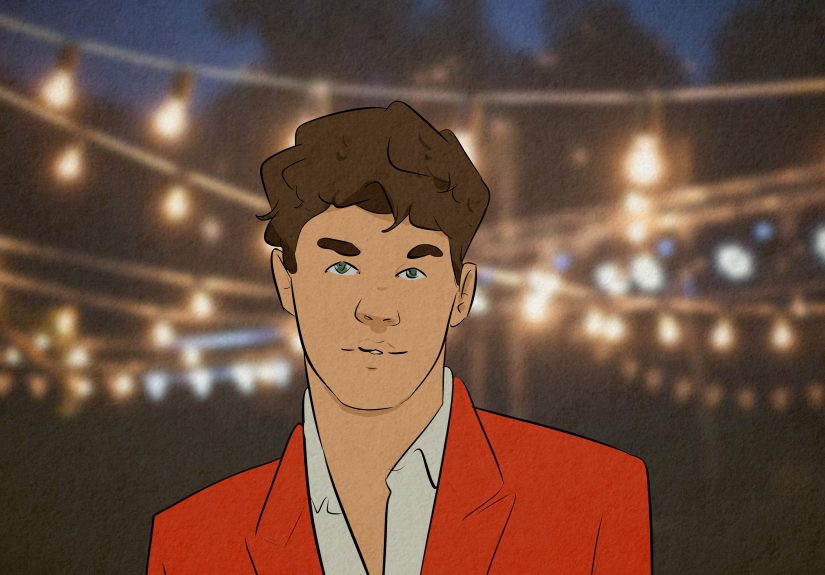
The phrase sounds like something invented during a group chat meltdown, and honestly, that is part of its charm. A “hot rodent boyfriend” does not mean someone who is dirty, creepy, or actually rodent-like in any alarming way. It is internet shorthand for a man who is unconventionally attractive: angular features, expressive eyes, lean build, slightly mischievous energy, and a vibe that says he might either write you a poem or forget where he parked his bike.
The trend exploded across TikTok, entertainment media, and celebrity culture after audiences began describing certain actors as “rodent handsome.” The label is silly, affectionate, and sometimes controversial. It also reveals something surprisingly interesting about modern attraction: people are getting bored with the perfectly polished, square-jawed, action-figure version of male beauty. The internet wants character. It wants weirdness. It wants cheekbones with a backstory.
What Does “Hot Rodent Boyfriend” Mean?
A “hot rodent boyfriend” is a man whose appeal comes from being charming, distinctive, and not traditionally perfect-looking. The trend typically describes someone with sharper facial features, a leaner frame, quick facial expressions, and a slightly nervous or clever presence. Think less “captain of the football team in a cologne commercial” and more “art-school crush who knows a suspicious amount about obscure movies.”
In TikTok language, the phrase is meant as a compliment. The “rodent” part refers to visual associations like pointy features, wide or intense eyes, prominent ears, sharp cheekbones, or a mischievous smile. The “boyfriend” part adds emotional flavor: this person is not just good-looking in a remote celebrity way; he feels approachable, odd, sensitive, funny, and possibly capable of remembering your coffee order.
The term overlaps with related phrases like “hot rodent man,” “rat boy summer,” “sexy rat boyfriend,” and “rodent handsome.” These expressions are not scientific categories, obviously. Nobody is measuring jaw angles with a protractor. They are meme labels, and meme labels work because they compress a whole mood into three absurd words.
Where Did the Trend Come From?
The “hot rodent boyfriend” trend gained major traction in 2024, especially after the film Challengers introduced a fresh wave of internet fascination around actors Josh O’Connor and Mike Faist. Viewers joked that the two had a lean, angular, slightly animated quality that reminded them of beloved cartoon rodents. From there, TikTok did what TikTok does best: it grabbed the joke, added music, made slideshows, crowned celebrity examples, and turned a throwaway observation into a full cultural category.
Once the phrase reached entertainment outlets and daytime TV discussions, it moved from niche internet slang into mainstream pop culture. Suddenly, people who had never opened TikTok were hearing about “rodent boyfriends” over breakfast. This is how modern trends spread: a joke starts on social media, gets recycled into celebrity commentary, becomes a headline, then returns to social media with extra seasoning.
But the appeal did not appear out of nowhere. Pop culture has always loved unconventional heartthrobs. The internet simply gave this type a new name. Before “hot rodent boyfriend,” there were indie boys, soft boys, tortured musicians, artsy crushes, awkward charmers, and brooding actors with faces that looked better in black-and-white photography. TikTok did not invent the type; it gave it whiskers.
Famous Examples of Hot Rodent Boyfriends
Celebrity examples are a major reason the trend became so easy to understand. People learn internet categories faster when they can point at a famous person and say, “Yes, that. That is the vibe.”
Josh O’Connor
Josh O’Connor became one of the trend’s most-mentioned names after Challengers. His screen presence is intense, twitchy, elegant, and slightly chaotic in the way great tennis rallies are chaotic. He does not look like a standard superhero lead, and that is exactly the point. His appeal comes from character, sharpness, and emotional unpredictability.
Mike Faist
Mike Faist also became linked to the trend because of his angular look and controlled, dancer-like physicality. He has the energy of someone who could stare across a tennis court and communicate three years of emotional baggage without saying a word. In internet terms, that is premium rodent-boyfriend material.
Timothée Chalamet
Timothée Chalamet has long been associated with a delicate, sharp-featured, slightly elfin version of male beauty. He is not the blueprint for old-school rugged masculinity; he is more like a fashion-week prince who wandered out of a French novel. That makes him a frequent reference point in conversations about unconventional attractiveness.
Jeremy Allen White
Jeremy Allen White brings a different flavor to the category. His appeal is less “storybook mouse” and more “stressed chef with soulful eyes and a jacket that has been through something.” He represents the emotional intensity side of the trend: attractive because he looks real, expressive, and slightly exhausted by life.
Barry Keoghan
Barry Keoghan’s features, charisma, and unpredictable screen energy have also placed him in the hot rodent conversation. He has the kind of face that makes people say, “I cannot explain it, but I get it.” And in the age of TikTok, “I cannot explain it” is basically a full marketing campaign.
Why Is TikTok Obsessed With This Trend?
TikTok loves labels because labels make personal taste feel communal. Instead of saying, “I am attracted to men with angular features and emotionally complicated vibes,” users can say, “I like hot rodent boyfriends,” and instantly find thousands of people nodding in agreement. The phrase is funny, shareable, and just strange enough to make people stop scrolling.
The trend also works because it pushes against the idea that attraction must follow one narrow formula. For years, mainstream male beauty has often centered on height, muscles, symmetry, and a polished Hollywood finish. The hot rodent boyfriend flips that script. It says charisma can beat perfection. A memorable face can be more interesting than a flawless one. A little awkwardness can be more magnetic than a gym-brochure smile.
There is also a “safe crush” element. Many of the men labeled this way are described not only as physically distinctive but also as artistic, sensitive, funny, or emotionally available. Whether that is true in real life is not the point; this is a fantasy category. The hot rodent boyfriend is not just a look. He is a mood board: vintage T-shirt, intense eye contact, niche opinions, and a romantic aura that says he would absolutely overthink a text message.
Hot Rodent Boyfriend vs. Golden Retriever Boyfriend
To understand the trend, compare it with another viral dating label: the “golden retriever boyfriend.” A golden retriever boyfriend is cheerful, loyal, friendly, wholesome, and emotionally sunny. He is the human version of a wagging tail and a picnic blanket.
The hot rodent boyfriend is different. He is not necessarily bubbly or obvious. He may be charming in a drier, stranger, more complicated way. He has an edge. He looks like he has a favorite subway station. He might not bound into the room with golden retriever enthusiasm, but he will notice the weird painting on the wall and make a joke that is funnier than it should be.
Neither label is better. They simply represent different fantasies. One is warm and uncomplicated. The other is sharp, artistic, and a little feral around the edges. The internet contains multitudes, and apparently several small mammals.
Is “Hot Rodent Boyfriend” Actually a Compliment?
Usually, yes. In the context of TikTok and celebrity commentary, being called a hot rodent boyfriend is typically meant as praise. It means someone is attractive in a way that feels distinctive rather than generic. The phrase celebrates offbeat charm, expressive features, and personality-driven appeal.
However, it is still worth using carefully. Comparing people to animals can become rude quickly, especially if the person being described does not enjoy the joke. What feels playful in a celebrity meme may feel insulting in real life. Calling a famous actor “rodent handsome” in a trend video is one thing. Saying it to your classmate, coworker, or date with full confidence and zero context is another. That is how you turn flirtation into a customer service incident.
The safest interpretation is this: the trend is less about literally resembling a rodent and more about rejecting overly polished beauty standards. It is a funny name for a real shift toward appreciating individuality.
What the Trend Says About Beauty Standards
The hot rodent boyfriend trend is silly, but it touches a serious topic: beauty standards are flexible. They change with movies, fashion, celebrity culture, and social media. What one generation calls strange, another calls iconic. What used to be considered too angular, too delicate, or too unusual can become the exact thing that makes someone desirable.
This shift can be refreshing. It creates room for people who do not fit the most traditional image of attractiveness. It reminds us that chemistry is not built from symmetry alone. Style, humor, confidence, kindness, and presence all matter. Sometimes a person becomes attractive because they are interesting to look at, not because their face seems designed by committee.
At the same time, the trend has limitations. Many of the celebrities most often named are white, thin, and already famous. That matters because internet “body positivity” often expands beauty standards only a few inches beyond the existing ideal. A trend may look rebellious while still excluding many people. If we are going to celebrate unconventional attractiveness, that celebration should be broad enough to include different races, body types, ages, and styles.
Why the Name Is Funny but Imperfect
The phrase “hot rodent boyfriend” is memorable because it is absurd. It creates instant contrast: “hot” sounds desirable, “rodent” sounds like something stealing cereal from a pantry, and “boyfriend” makes the whole thing weirdly affectionate. That tension is the joke.
But the name is also imperfect. It can sound insulting. It can reduce real people to facial features. It can encourage users to sort humans into meme categories as if everyone were a collectible trading card. The internet loves categories because they are fun, but people are not trends. They are more complicated than “golden retriever,” “black cat,” “cinnamon roll,” “frog prince,” or “rat boy.”
That does not mean the trend should be banned from conversation. It simply means it should be understood as playful slang, not a serious dating system. Nobody should open a dating app and reject someone because they are “not rodent-coded enough.” Please do not make romance harder than it already is. Humanity has suffered enough.
How to Recognize the Hot Rodent Boyfriend Aesthetic
The hot rodent boyfriend aesthetic is more about energy than a checklist, but certain traits appear again and again in trend discussions:
- Angular or expressive facial features
- A lean, wiry, or understated look
- Messy hair or intentionally casual styling
- Vintage, artsy, or slightly rumpled fashion
- A clever, mischievous, or emotionally intense presence
- Charm that feels specific rather than universally polished
- A personality that seems sensitive, funny, or creatively chaotic
The key word is “seems,” because most viral dating aesthetics are built on projection. Fans see a celebrity in a movie role, interview clip, or red-carpet photo and build an entire personality mythology. That is part of celebrity culture. It is also why the internet can turn one cheekbone into a 12-part slideshow.
Is This Trend Good or Bad?
The answer is: yes. It is good in the sense that it expands the conversation around attractiveness. It makes room for men who are not traditionally hypermasculine. It gives people permission to admit that charm can be strange, delicate, intense, funny, or awkward. That is healthy. The world does not need every heartthrob to look like he was assembled in a superhero factory.
But it can be bad if it becomes another narrow standard. If “hot rodent boyfriend” simply replaces one rigid ideal with another, then nothing has really changed. People should not have to resemble a TikTok-approved celebrity archetype to be considered attractive. The best version of this trend is not “everyone must now look like a stylish mouse.” The best version is “different kinds of beauty can be celebrated.”
In other words, the trend is most useful when it reminds us to look beyond obvious perfection. It is least useful when it becomes another way to rank people.
Why the Trend Feels So 2024 and Beyond
The hot rodent boyfriend trend fits perfectly into the current internet era because culture now moves through micro-aesthetics. TikTok does not just say someone is attractive. It builds a tiny museum around the exact type of attractiveness: clean girl, mob wife, quiet luxury, coastal grandmother, cinnamon roll boyfriend, black cat girlfriend, golden retriever boyfriend, and now hot rodent boyfriend.
These labels spread because they are easy to remix. A user can make a slideshow of celebrity examples, another can rank them, another can disagree, another can apply the label to fictional characters, and another can make a joke about their real-life partner. The trend keeps moving because everyone can add a layer.
It also reflects a broader hunger for personality. Highly filtered perfection has become boring to many audiences. People want texture, humor, flaws, and signs of life. A face that looks interesting may feel more emotionally engaging than a face that looks mathematically ideal. That is why the hot rodent boyfriend trend feels less like a random insult and more like a small rebellion against bland attractiveness.
500-Word Experience Section: What the Trend Feels Like in Real Life
The funniest thing about the hot rodent boyfriend trend is that once you understand it, you start seeing the vibe everywhere. Not literally, of course. The world is not suddenly full of men scurrying through coffee shops with tiny backpacks. But you begin to notice how often attraction works outside the obvious categories.
Think about the person in a friend group who is not the loudest, tallest, or most conventionally handsome, but somehow becomes everyone’s quiet crush by the end of the semester. He has a specific laugh. He wears the same jacket too often. He recommends a movie that is either brilliant or emotionally damaging. He is not polished, but he is memorable. That is the real-life version of the hot rodent boyfriend appeal: not perfection, but presence.
In everyday dating, this trend can actually be a useful reminder. People often think they have a “type,” but many real crushes arrive sideways. You may believe you want someone who looks like a magazine cover, then suddenly find yourself charmed by someone who makes excellent playlists and has the facial expression of a detective in a rainy European drama. Attraction is weird. It does not always ask for permission before changing the plan.
The trend also captures how personality changes appearance. A person may seem average at first, then become wildly attractive after you discover they are kind, funny, thoughtful, talented, or confidently strange. That is why the hot rodent boyfriend label is not just about cheekbones or messy hair. It is about the magic that happens when unusual features meet a compelling personality. The face becomes part of the story.
Of course, the real-life version should be handled with tact. Telling someone, “You look like a hot rat,” is a risky move unless you already share the same internet humor. A better approach is to compliment the actual quality you like: “You have a really interesting face,” “Your style is cool,” “You have great energy,” or “You remind me of an indie movie character in the best way.” These lines are less likely to make someone wonder whether they should call pest control.
For people who have never felt like the classic beauty ideal, the trend can feel oddly validating. It suggests that being distinctive is not a flaw. A sharp nose, expressive eyes, nervous charm, unusual style, or slightly offbeat presence can be part of what makes someone appealing. The trick is not to force yourself into a meme category. The trick is to recognize that attractiveness has always been bigger than the narrow version sold by ads, red carpets, and dating-app clichés.
At its best, the hot rodent boyfriend trend is a joke with a surprisingly sweet center. It says the person who stands out may be more interesting than the person who fits the template. It says charm can be angular, awkward, poetic, caffeinated, and difficult to explain. And sometimes, “I do not know why I find him attractive” is not confusion. It is chemistry doing improv.
Conclusion: The Hot Rodent Boyfriend Is Really About Unconventional Charm
The “hot rodent boyfriend” trend may sound like a meme that escaped from a very online laboratory, but it has real cultural meaning. It shows how TikTok can turn niche attraction into mainstream conversation. It highlights a growing appreciation for unconventional male beauty. It also reminds us that modern dating language is becoming more playful, specific, and absurd by the hour.
Still, the best lesson is simple: attraction is not one-size-fits-all. Some people like golden retriever warmth. Some like mysterious black-cat energy. Some apparently like men who resemble elegant cartoon mice with emotional depth. The label may fade, as most internet labels do, but the idea behind it will stick around. People are drawn to confidence, character, humor, sensitivity, style, and faces that do not look copied and pasted.
So, what is a hot rodent boyfriend? He is not actually a rodent, thankfully. He is an unconventionally attractive man whose charm lives in the details: the sharp expression, the strange charisma, the artistic energy, the slightly chaotic appeal. He is proof that beauty standards are loosening, TikTok remains undefeated at naming things nobody asked it to name, and sometimes the internet’s weirdest phrase points to a very human truth: memorable beats perfect.