Table of Contents >> Show >> Hide
- What Is a Garden Room?
- Garden Room vs. Sunroom vs. Greenhouse vs. ADU
- Step 1: Decide What Your Garden Room Is For (And Be Honest)
- Step 2: Choose the Best Location in Your Yard
- Step 3: Pick Your Build Approach
- Step 4: Get the Structure Right (Foundation to Roof)
- Step 5: Plan Power, Lighting, and Wi-Fi Like a Grown-Up
- Step 6: Heating, Cooling, and Ventilation
- Step 7: Interior Design That Matches the Mission
- Step 8: Blend the Garden Room Into the Garden
- How Much Does a Garden Room Cost?
- Common Garden Room Design Mistakes (And How to Avoid Them)
- Final Thoughts
- Extra: Real-World Experiences and Lessons People Learn After Building a Garden Room (500+ Words)
If your house feels like it shrank sometime between “I’ll just set this down for a second” and “Why is there a treadmill in my dining room,”
you’re not alone. A garden room is one of the smartest ways to add usable space without moving, adding a full-scale addition,
or negotiating who gets the last quiet corner of the living room.
But “garden room” can mean a couple of different (equally delightful) things in American home-and-garden speak:
it can be a defined outdoor space created with landscaping and hardscaping, or a freestanding backyard structure
that functions like an extra roomoften a home office, studio, gym, hobby room, or cozy hideout where nobody asks you to “just hop on a quick call.”
This guide covers both, with a heavier focus on the built, year-round-friendly kind most people want when they search garden room design.
What Is a Garden Room?
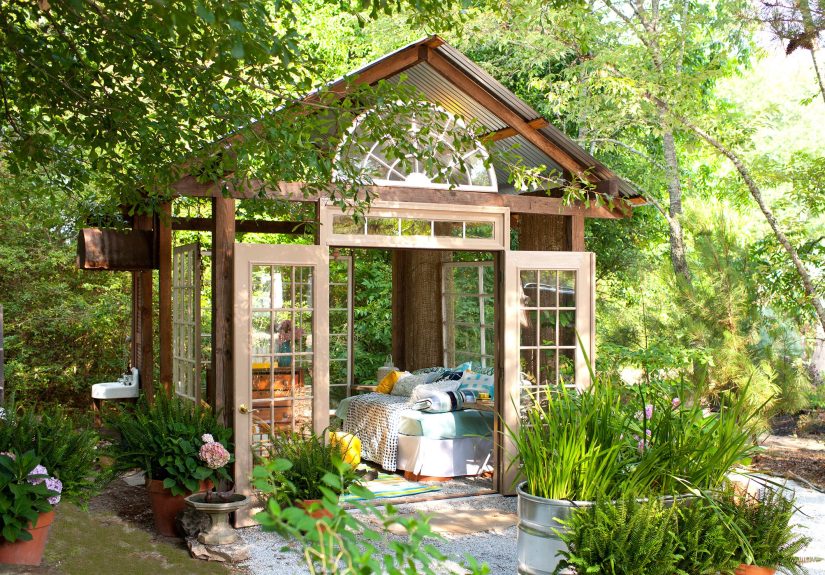
A garden room is a space designed to help you live in your yard, not just look at it through a window while washing dishes.
Depending on the project, it usually falls into one of these categories:
1) The “Outdoor Room” Garden Room
This is a designated area of your landscapethink “room without a roof” (or sometimes with a pergola).
It’s defined by hedges, fences, trellises, planters, pathways, lighting, furniture arrangement, or changes in grade and materials.
A garden room like this might be a dining nook, a reading patio, a fire pit lounge, or a quiet corner with a bench that screams “main character energy.”
2) The “Backyard Building” Garden Room
This is a detached structureoften insulated, powered, and finishedset somewhere in the backyard.
It can look like a sleek modern pod, a cottage-style studio, a converted shed, or a mini pavilion with big glass doors.
Done well, it feels like a real room, not a glorified storage unit with a motivational poster.
The key difference: a garden room isn’t built primarily for storage. It’s built for livingworking, creating, relaxing,
entertaining, exercising, or hosting your houseplants’ most ambitious glow-up.
Garden Room vs. Sunroom vs. Greenhouse vs. ADU
These terms get mixed up constantly, so let’s clear the air (and keep your permit application from bursting into flames):
-
Garden room (detached): A separate backyard structure used as a functional roomoffice, studio, gym, hangout, etc.
Often insulated and built for comfort. -
Sunroom: Typically attached to the home and designed to bring in lots of daylight. Some are three-season; some are four-season.
A sunroom is a great “bring the outdoors in” option, but it’s not detached. -
Conservatory/solarium: Usually more glass (sometimes glass roof) and often more expensive to build and climate-control.
Great for plant lovers and light chasers. - Greenhouse: Built for plants first. Comfort for humans is optional, and humidity is often the boss of everyone.
-
ADU (Accessory Dwelling Unit): A small, independent living unit that can include a kitchen and bathroom (rules vary).
If your garden room will be slept in regularly or includes plumbing/kitchen features, it may drift into ADU territory.
Translation: if you want a quiet work zone, a backyard gym, or a craft studio, a garden room is often simpler than an ADU and more flexible than a sunroom.
If you want a rentable mini-home or a long-term guest suite, you may be dealing with ADU requirements.
Step 1: Decide What Your Garden Room Is For (And Be Honest)
Designing is easy when you know the job your space needs to do. Designing is chaos when your goal is “a vibe.”
Start by choosing your primary use, then plan around it.
Popular garden room uses
- Backyard office (aka “my commute is 47 steps and one determined squirrel”)
- Art or music studio (sound control mattersmore on that soon)
- Home gym (durable flooring + ventilation = your new best friends)
- Reading lounge / retreat (daybed, warm lighting, outlets in the right spots)
- Game room / teen hangout (insulation, Wi-Fi, and a firm policy against sticky cups)
- Plant room / hybrid greenhouse corner (humidity strategy required)
Three-season or four-season?
This choice affects almost everything: insulation, window specs, HVAC, condensation control, and cost.
A three-season garden room is ideal for mild climates or fair-weather use.
A four-season garden room is built like a tiny house: insulated floor/walls/roof, quality windows/doors, and reliable heating/cooling.
If you plan to use it for focused work, workouts, or anything involving electronics you don’t want to melt or freeze,
plan for comfort year-round. It’s much cheaper to do it right in the build than to “fix it later” after one summer of sweltering Zoom calls.
Step 2: Choose the Best Location in Your Yard
A garden room is only as good as where it lives. Pick a spot that supports the way you’ll actually use it,
not the way it looks in a perfect marketing photo where nobody owns recycling bins.
Consider sunlight (and screen glare)
-
Morning light is lovely for an office or yoga space.
Afternoon sun can turn a glass-heavy room into a slow cooker if you don’t plan shading and ventilation. - If you work on screens, aim for light that’s bright but controllable: side windows, overhangs, shades, or strategic tree cover.
Think about views and privacy
- Face the room toward your best viewlush beds, mature trees, a water feature, even a well-designed fence line.
- Add privacy with hedges, tall planters, trellises, or fencingespecially if your garden room is near a neighbor’s second-story window.
Don’t ignore access and utilities
- Pathway: You’ll use it more if it’s easy to reach (and not a mud runway in rainy weather).
- Power: Lighting, outlets, heating/cooling, and Wi-Fi may require a subpanel or dedicated circuit.
- Drainage: Avoid low spots. Plan gutters, grading, and possibly a gravel perimeter or drain solutions.
Zoning, setbacks, and permits
This is where dreams meet paperwork. Many areas have rules about how close a detached structure can be to property lines,
maximum height, and total square footage. Some small accessory structures may be exempt from permits under certain codes,
but exemptions vary by location and by how the structure is used (storage vs. habitable space). Always verify with your local building department.
Step 3: Pick Your Build Approach
There’s more than one way to “garden room.” The right approach depends on budget, timeline, and how custom you want to go.
Option A: Convert an existing shed
If you already have a shed with decent bones, you can upgrade it into a usable room with insulation, windows, electrical, and interior finishes.
This can be cost-effective, but watch for issues like moisture, poor framing, and limited headroom.
Option B: Build a custom garden room
This gives you full control over size, style, layout, and performance. It also gives you full responsibility for choices,
which is empowering right up until you’re debating six shades of white trim.
Option C: Go prefab (pods, studios, or modular kits)
Prefab garden rooms can reduce build time and decision fatigue. Some arrive partially finished;
others come as kits that still require site prep and pros for electrical/HVAC.
If your goal is “functional space fast,” prefab can be a strong move.
Option D: Design an outdoor “garden room” without walls
If you want a budget-friendly project, create a garden room using paving, edging, pergolas, screens, furniture,
and planting design. You’ll still “design a room,” just with hedges instead of drywall.
Step 4: Get the Structure Right (Foundation to Roof)
Foundation basics
Common foundation options include a concrete slab, pier foundation, or a gravel pad
with a well-built platform. The right choice depends on soil, climate, frost depth, drainage, and how “finished” the building will be.
A level base matters: it helps doors swing properly, windows seal, and floors stay quiet (no one wants a dramatic creak soundtrack).
Insulation and air sealing
For a four-season garden room, think like you’re building a small home:
insulate the floor, walls, and roof; seal air leaks; and plan moisture control.
Many shed conversions use batt insulation (fiberglass or mineral wool) in stud bays, paired with proper interior wall finishing.
Your climate zone and local code will guide recommended R-values.
Windows, doors, and comfort
Windows are where garden rooms become magical… and where comfort problems can begin if you overshoot the glass-to-wall ratio.
For year-round use, consider double-pane windows and coatings designed to reduce unwanted heat gain while keeping the light.
Place windows to balance:
- Daylight for mood and productivity
- Ventilation (operable windows, not just fixed glass)
- Privacy (high windows or clerestories can help)
- Furniture layout (don’t put a perfect desk wall where a big slider must go)
Pro tip: if you love glass doors, plan shadingoverhangs, exterior shades, curtains, or landscaping.
Your future self will thank you when July shows up acting like it pays rent.
Roofing and water management
Your roof choice affects both style and performance. A simple gable roof can feel cottage-y;
a shed roof can look modern and handle drainage cleanly.
Regardless of style, plan gutters and downspouts, keep water away from the foundation,
and make sure the ground around the building slopes away for drainage.
Step 5: Plan Power, Lighting, and Wi-Fi Like a Grown-Up
Garden rooms often fail in the most predictable way: not enough outlets.
Decide early what you’ll power:
- Desk setup (monitor, laptop, printer, chargers)
- Mini-split or heater
- Lighting (task + ambient + exterior)
- Entertainment (speakers, TV, projector)
- Workout equipment
- Plant lights or small water features
Work with a licensed electrician where required. Many homeowners also run a hardwired internet line (best reliability),
or use a mesh Wi-Fi system if trenching cable isn’t practical.
Lighting that feels good
Great lighting makes a small space feel intentional. Aim for layers:
overhead lighting for general use, task lighting for work, and warm accent lighting for evenings.
Outside, consider path lights or downlights so the garden room feels like a destinationnot a suspicious shack.
Step 6: Heating, Cooling, and Ventilation
Comfort is what separates a true garden room from a “room you only use in April and October.”
Options include:
- Ductless mini-split: efficient heating and cooling for small structures
- Electric baseboard or wall heater: simple heating, no cooling
- Portable AC: sometimes fine, often noisy, usually a short-term solution
- Ceiling fan: great support, not a full HVAC plan
Ventilation matters even if you don’t think it does. A tight, insulated room needs airflow to reduce condensation,
keep air fresh, and prevent that “why does it smell like a gym sock met a greenhouse?” vibe.
Step 7: Interior Design That Matches the Mission
Flooring
Choose flooring based on use. Office or lounge? Engineered wood, LVP, or quality laminate can work.
Gym? Rubber flooring or mats are your knees’ best friend.
Plant-heavy space? Think water-resistant surfaces and easy cleanup.
Storage
Small buildings get cluttered fast. Built-in shelves, benches with storage, and wall-mounted cabinets keep the floor clear.
The goal is “calm studio,” not “garage corner with a desk.”
Sound control
If it’s a music room or you take lots of calls, prioritize insulation, solid-core doors, and thoughtful window placement.
Soft furnishings (rugs, curtains) also reduce echo.
Step 8: Blend the Garden Room Into the Garden
A garden room looks best when it feels like it belongslike it was always meant to be there, not dropped in by a UFO.
Try these design strategies:
- Repeat materials from your home (trim color, siding tone, metal accents).
- Create a “journey” with a path, arch, or planting border leading to the door.
- Frame the view from inside with layered plants, tall grasses, or a small tree.
- Use “green drenching” around the structuremultiple shades and textures of green for a calming, immersive feel.
- Add a threshold moment: a small deck, porch, or pergola makes it feel like a real destination.
How Much Does a Garden Room Cost?
Costs vary wildly by size, finishes, utilities, and whether you’re building a simple three-season hangout or a fully insulated
four-season backyard office. A few real-world budgeting truths:
- Permits can add cost and time, and requirements vary by location. Some projects need multiple permits (building, electrical, zoning review).
- Site prep (leveling, drainage, access) can be a sneaky budget lineespecially if you need grading or tree removal.
- Windows and doors are one of the biggest performance levers: higher-quality glazing usually costs more but improves comfort.
- HVAC and electrical quickly move a “cute project” into “real building” territorywhich is good if you want to actually use it.
If you’re comparing alternatives, attached sunrooms and enclosed porch additions often land in the tens of thousands depending on type and finish.
A detached garden room can be less or more depending on how close it gets to ADU-level construction.
Your smartest move is to decide performance first (seasonality + comfort), then build the budget around that.
Common Garden Room Design Mistakes (And How to Avoid Them)
1) Too much glass, not enough plan
Glass is gorgeous. It’s also where heat gain/loss likes to throw a party. Balance windows with insulation,
and include shading or curtains so the room is usable at noon in August.
2) Underestimating “boring” systems
Electrical, ventilation, and drainage aren’t glamorous, but they determine whether your garden room feels like a retreat or a regret.
Prioritize outlets, lighting layers, and water management from day one.
3) Skipping the permit conversation
Even small structures can be limited by setbacks, height rules, or neighborhood restrictions.
Confirm requirements early so you don’t design the perfect room… for a different yard.
4) No plan for the path
If the route to your garden room is awkward, muddy, or unlit, you’ll use it less.
A simple path and lighting can dramatically increase how “connected” the space feels to daily life.
Final Thoughts
A well-designed garden room adds space, flexibility, and a little daily joywhether it’s a landscaped outdoor room for entertaining
or a fully insulated backyard studio that finally gives you a quiet place to think. Start with purpose, choose a smart location,
build for the seasons you’ll actually use, and plan utilities like you mean it. Your garden room should feel like an extension of your home,
not a side quest you regret when the weather changes.
Extra: Real-World Experiences and Lessons People Learn After Building a Garden Room (500+ Words)
Here’s the part nobody tells you in the dreamy inspiration photos: the best garden rooms are rarely “perfect on day one.”
They get great through a handful of real-life lessonsmost of them totally normal, and all of them fixable if you plan ahead.
Think of this as field notes from homeowners who’ve built backyard offices, studios, and retreat spaces and then lived with them
through heat waves, cold snaps, surprise rain, and at least one dramatic spider encounter.
Lesson #1: The path matters more than you think. People often obsess over the building and forget the 30 seconds before you reach it.
If your shoes sink into mud every time it rains, you’ll “temporarily” stop using the room… for months. The fix is usually simple:
stepping stones, gravel, pavers, or a short deck walkway. Add lighting and suddenly the garden room feels like part of your home,
not a mysterious outpost you only visit in daylight.
Lesson #2: Outlets are like pocketsthere’s never enough. The first week is fine. Then you add a monitor. Then a lamp.
Then a phone charger. Then a space heater “just for now.” Then you realize you’ve created a power-strip octopus that could qualify as modern art.
Homeowners who are happiest long-term typically planned more outlets than they thought they’d need, and placed them where furniture actually goes:
desk wall, lounge corner, near the door for vacuuming, and at least one exterior outlet for lights or tools.
Lesson #3: Glass is happiness… until it’s also glare. Big windows and sliding doors are the signature of many garden room designs,
especially backyard office setups. But once you work inside for a full day, you learn where the sun hits at 9 a.m., 2 p.m., and 6 p.m.
The most common “upgrade after the fact” is window treatments: roller shades, curtains, or exterior shading.
Some people also add a pergola or plant a strategically placed tree. The win is huge: you keep the light, but you regain control of comfort.
Lesson #4: Temperature swings are a mood killer. A room that’s too hot or too cold becomes a room you avoid.
The homeowners who planned for four-season useinsulation, decent windows, and a real heating/cooling solutiontend to use the space daily.
Meanwhile, people who tried to “make a three-season room work year-round” often ended up retrofitting HVAC later,
which is usually more annoying than budgeting for it up front.
Lesson #5: Sound is either your best friend or your surprise villain. If your garden room is near a street, a neighbor’s AC unit,
or your own pool pump, you’ll notice. Same with mowing, leaf blowers, and kids practicing trombone (no shade to trombones).
People who do a lot of calls or creative work often add insulation, weatherstripping, thicker doors,
and soft interior materials (rugs, curtains) to reduce echo and outside noise.
Lesson #6: “It’s just a shed” can become an expensive sentence. Many projects start with a shed conversion,
which can be fantasticif the structure is solid and dry. But if the framing is flimsy, the floor isn’t level,
or water sneaks in during storms, you’ll spend time and money correcting problems before you ever hang a picture.
The happiest shed-to-studio conversions usually begin with a careful evaluation: foundation, roof condition, moisture control,
and whether the walls can be insulated properly. If those boxes aren’t checked, a prefab or new build may actually be the smoother route.
Lesson #7: The garden room changes how you use your yard. This is the underrated magic.
Once there’s a destination at the end of the patha lit-up room with a chair you loveyou start spending more time outside.
You notice what’s blooming. You tweak the plantings. You add a pot here, a bench there, and suddenly your yard isn’t just “a yard.”
It becomes a set of spaces with purpose. In other words, your garden room doesn’t just add square footage; it upgrades your daily life.
And that’s a pretty excellent return on investmentno spreadsheet required.