Table of Contents >> Show >> Hide
- What the Steam Feature on a Washer Actually Does
- Main Benefits of a Steam Washer
- What a Steam Feature Does Not Do
- Steam Cycle vs. Sanitize Cycle: Not the Same Thing
- When You Should Use the Steam Feature
- When You Should Skip Steam
- Does Steam Make a Washer Use More Time, Water, or Energy?
- Is the Steam Feature Worth the Extra Cost?
- How to Get the Best Results From a Steam Washer
- Real-World Experiences With Steam Washers
- Final Thoughts
- SEO Tags
If you have ever stared at your washer’s control panel and wondered whether the steam button is brilliant engineering or just a very confident marketing department, you are not alone. “Steam” sounds fancy. It sounds futuristic. It sounds like your laundry is about to check into a spa. But what does a steam feature on a washer actually do in real life?
The short answer is this: a steam feature adds heat and moisture to certain wash cycles to help loosen soils, improve stain treatment, reduce wrinkles, freshen fabrics, and, on some models, support allergen-focused or hygiene-oriented washing. It can be genuinely useful, but it is not magic. It will not rescue every neglected gym shirt, erase every stain you forgot to pretreat, or turn a bad laundry habit into a good one with a puff of hot vapor.
Still, when used the right way, a steam washer can be more than a flashy extra. For busy families, allergy sufferers, pet owners, and anyone who wants bedding, towels, and everyday clothes to come out looking a little cleaner and a little less crumpled, the feature can earn its keep.
What the Steam Feature on a Washer Actually Does
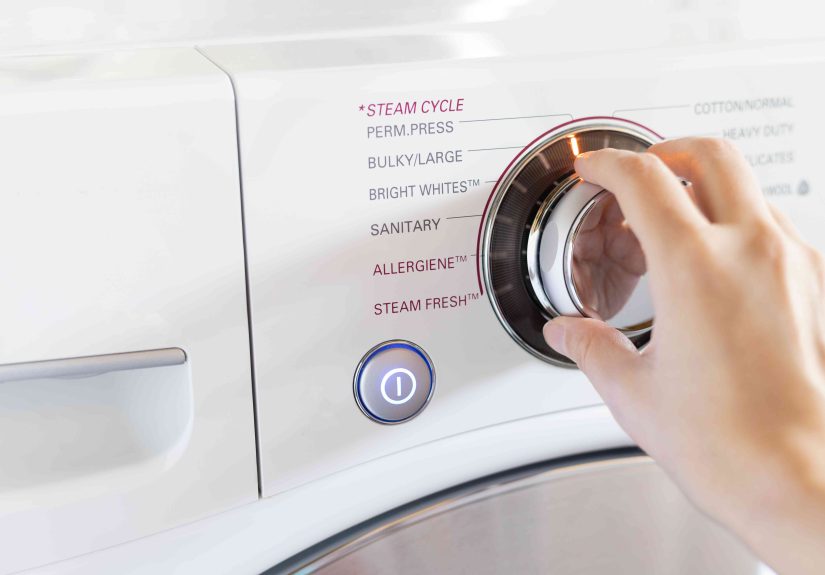
A steam-enabled washer typically creates steam by heating a small amount of water inside the machine. That steam is then introduced during part of the cycle, often before or during the main wash. On some machines, the steam feature is part of specific preset cycles. On others, it is an option you can add to compatible cycles.
In plain English, steam helps by warming and dampening fabrics more deeply than a standard wash alone. That extra heat and moisture can relax fibers, help soils release more easily, and give detergent a better shot at doing its job. Think of it less as “boiling your clothes” and more as giving dirty fabric a warm, persuasive pep talk.
How Steam Helps Inside the Wash Drum
- It loosens grime and stains: Steam can soften dried-on messes and body oils so they lift more easily during the wash.
- It helps fabrics relax: Relaxed fibers can mean fewer set-in wrinkles and better soil release.
- It adds a deep-clean feeling: Steam often pairs with extra soak time, higher heat, or more wash action.
- It may support allergen reduction: Some washers tie steam to allergen or sanitize-style cycles for bedding, towels, and similar items.
- It can reduce light odors: Steam may help freshen fabrics, though it is not a cure-all for truly sour or mildew-smelling loads.
Main Benefits of a Steam Washer
1. Better Help With Tough Stains
This is the biggest reason most people care about the steam feature. Steam can help with common household stains like food splatters, body oil, sweat residue, and everyday grime. It is especially useful on items that collect lots of real-life mess: kids’ clothes, pillowcases, towels, workout gear, socks, and sheets.
That said, steam is a helper, not a superhero. If you have a white shirt with a week-old tomato sauce stain that has already been dried, steam might improve your odds, but it is not a legal guarantee. Pretreating still matters. Detergent still matters. Choosing the right cycle still matters.
2. Fewer Wrinkles and Less Post-Laundry Drama
One of the most practical perks of steam is wrinkle reduction. Heat and moisture can relax fabric fibers, which means shirts, sheets, and everyday cotton blends may come out looking less like they lost an argument with the spin cycle.
That does not mean you can throw a linen shirt into the washer, ignore it for five hours, and expect it to emerge crisp and ready for a job interview. But if you move your laundry to the dryer promptly, steam can absolutely improve the final result and cut down on ironing.
3. Extra Help for Bedding, Towels, and Heavily Used Fabrics
Steam tends to shine on sturdy, washable items that benefit from deeper cleaning. Bedding, bath towels, kitchen towels, mattress covers, and baby items are common examples. These fabrics often hold onto oils, dust, and odor more stubbornly than a regular T-shirt, so the added heat and moisture can be useful.
4. Allergen-Focused Washing on Some Models
Some brands market steam for allergen reduction, especially on washers with dedicated allergy or allergen cycles. That can be helpful for households dealing with dust mites, pet dander, or frequent bedding wash needs. The key phrase is on some models. Not every steam washer is built the same, and not every steam cycle is equal.
5. Light Fabric Refreshing
Depending on the machine, steam can help lightly freshen items that are not deeply dirty but could use a little revival. This works best for clothes that are lightly worn, not genuinely soiled. If it smells like a campfire, a locker room, and regret, a normal wash is probably the better plan.
What a Steam Feature Does Not Do
Steam has developed a bit of a celebrity reputation in the laundry aisle, so it is worth clearing up what it does not do.
- It does not replace detergent. Steam helps the cleaning process, but it is not the cleaning process.
- It does not guarantee sanitizing on every cycle. Steam and sanitize are not always the same thing.
- It does not make all fabrics steam-safe. Delicates, silk, wool, and heat-sensitive items still need care.
- It does not fix a dirty washer. If your machine smells musty, steam on a clothing cycle will not solve the root problem.
- It does not always dramatically improve cleaning. In some testing and owner experience, the improvement is modest rather than life-changing.
Steam Cycle vs. Sanitize Cycle: Not the Same Thing
This is one of the most common points of confusion. A steam feature and a sanitize cycle may overlap on some washers, but they are not automatically identical. A steam cycle usually focuses on helping with stains, wrinkles, odors, or allergen-related washing. A sanitize cycle is typically designed around higher temperatures or specific conditions intended to reduce bacteria on washable fabrics.
So if your goal is hygiene for towels, bedding, or baby items, do not assume the word “steam” alone means “fully sanitized.” Always check the washer’s cycle details. Appliance panels are not famous for their emotional openness.
When You Should Use the Steam Feature
The steam option makes the most sense when you want a little more cleaning muscle than a basic cycle can offer.
Good Times to Use Steam
- Bedding, sheets, pillow covers, and mattress protectors
- Bath towels and kitchen towels
- Kids’ school clothes with ground-in dirt
- Workout wear with stubborn sweat buildup
- Heavily used cottons and cotton blends
- Loads where wrinkle reduction would be a bonus
- Items washed on allergen-focused cycles, if your washer supports them
When You Should Skip Steam
Steam is not the right move for every load. In some cases, it adds time and heat without giving you much benefit.
Skip Steam for These Loads
- Silk, wool, lace, and other delicate fabrics
- Garments labeled cold wash only
- Bright or dark items that may bleed with extra heat
- Very lightly soiled clothes that only need a quick wash
- Loads where speed and energy savings matter more than added cleaning help
If the care label looks nervous, trust the label.
Does Steam Make a Washer Use More Time, Water, or Energy?
Usually, yes. Steam cycles often take longer because the machine needs time to generate steam and may add extra soak or wash action. Some models may also use more energy because they are producing more heat. That does not mean the feature is wasteful by default, but it does mean it is not the cycle you choose when you need clean jeans in a hurry before dinner.
For many households, the trade-off is simple: use steam strategically, not automatically. Save it for the loads that truly benefit from it instead of pressing the button every time just because it is there and looks important.
Is the Steam Feature Worth the Extra Cost?
That depends on how you do laundry. If your weekly routine involves plain office wear, lightly worn clothes, and quick loads, steam may be a “nice to have” rather than a must-have. If your home includes pets, kids, allergies, lots of bedding, sports uniforms, or frequent stain emergencies, the feature becomes much more appealing.
The smartest way to think about it is this: steam is most valuable when your laundry problems involve soil, wrinkles, odors, or allergy-related fabrics. If those are real problems in your house, the feature can be useful. If not, it may end up being an expensive button you admire more than you use.
How to Get the Best Results From a Steam Washer
Use Steam on the Right Fabrics
Steam works best on sturdy, washable fabrics like cotton, poly-cotton blends, towels, bedding, and many everyday garments. Delicates are another story.
Do Not Overload the Drum
Steam needs room to circulate. If you pack the machine like you are trying to win a suitcase contest at the airport, you cut down the benefits.
Pretreat True Stains
Steam helps, but pretreating still gives you better odds. Use a stain remover or a small amount of detergent on the spot before washing.
Clean the Washer Regularly
A dirty machine can transfer odors back to your clothing. Run the recommended tub-clean cycle and keep seals, dispensers, and the drum fresh.
Move Clothes Promptly
If your goal is fewer wrinkles and fresher clothes, leaving a warm load sitting for hours is an excellent way to sabotage yourself.
Real-World Experiences With Steam Washers
In everyday use, the steam feature tends to impress people most in the loads that already feel a little annoying. Not the easy laundry. The irritating laundry. The towels that never quite smell as fresh as they should. The pillowcases that collect skin oil. The kid clothes with mystery smudges that no one can explain. The “clean” sweatshirt that still somehow smells like lunch, recess, and a soccer field.
A very common experience is that steam makes bedding feel noticeably fresher. Sheets, duvet covers, and pillow covers often come out feeling more thoroughly washed, especially if they were carrying body oil, stale odor, or that slightly dusty smell that creeps in over time. People who wash bedding weekly often notice that steam is less about dramatic stain removal and more about that clean, warm, reset-button feeling when the load is done.
Another real-world win shows up with towels. Bath towels and kitchen towels are notorious for holding onto residue from detergent, body products, cooking messes, and plain old daily use. On a steam-assisted cycle, many users find towels smell better and feel less dingy. The improvement is not always cinematic, but it is noticeable enough that people tend to keep using steam for those loads.
Parents also tend to appreciate steam on practical family laundry: school uniforms, washable stuffed animals, baby clothes, bibs, burp cloths, and mattress covers. The appeal is not just “cleaner,” but “cleaner without having to scrub everything by hand at the sink like it is 1954.” That convenience matters. A lot.
For pet owners, experiences are usually mixed but positive. Steam can help with fabrics that collect pet-related odors and allergens, especially bedding and throws. It will not make pet hair vanish by itself, and it will not transform a muddy dog blanket into something you would frame on the wall, but it can help loads feel more refreshed.
Wrinkle reduction is another area where people notice real benefits, especially with cotton shirts, casual work clothes, and everyday basics. Steam does not replace good drying habits, but it can reduce how aggressively a load wrinkles during the wash. That means fewer garments needing a second round of attention later, which is excellent news for anyone who considers ironing a personal attack.
Where owners sometimes feel underwhelmed is when they expect steam to perform miracles on deeply set stains or to make every load dramatically cleaner than a normal cycle. In practice, the difference can be meaningful without being dramatic. Steam is often best described as an upgrade, not a revolution. It improves the laundry process in targeted ways. That can be absolutely worth it, but it helps to go in with realistic expectations and not with the belief that your washer has become a wizard.
Final Thoughts
So, what does a steam feature on a washer do? In most cases, it gives your washer an extra layer of cleaning help by adding heat and moisture to loosen stains, reduce wrinkles, refresh fabrics, and support deeper cleaning on select loads. It is especially useful for bedding, towels, heavily used clothes, and households that deal with allergies, odors, or frequent messes.
The catch is that steam is not essential for every load, and it is not identical to a sanitize cycle on every machine. It may add time, use more energy, and offer only modest improvement on some items. But when you use it strategically, it can be one of those features that quietly makes laundry a little easier and a little better.
And in the world of laundry, “a little better” is often the difference between “that smells clean” and “why does this towel feel emotionally unresolved?”