Table of Contents >> Show >> Hide
- What Is a Grey Washing-Up Bowl and Brush?
- Why This Combo Is More Useful Than It Looks
- Key Features to Look For Before You Buy
- How to Use a Washing-Up Bowl and Brush More Efficiently
- Cleaning and Maintaining the Bowl and Brush
- Who Should Buy a Grey Washing-Up Bowl and Brush?
- Style Meets Practicality: Why Grey Keeps Winning
- Hands-On Experiences With a Grey Washing-Up Bowl and Brush
- Final Thoughts
If the phrase “Washing-up Bowl & Brush Grey” sounds a little like a product listing and a little like a very calm lifestyle choice, that is because it is both. This humble kitchen combo is one of those small household upgrades that does not scream for attention, yet somehow ends up becoming the hero of the sink area. A good grey washing-up bowl and brush can make hand-washing dishes easier, keep the sink more organized, reduce mess, and even make the kitchen look more polished. Not bad for two items that spend most of their time hanging around soap bubbles and coffee mugs.
In American English, shoppers are more likely to see terms like dishpan, dish tub, or sink basin. But the idea is the same: a bowl that sits in or near the sink for soaking and washing dishes, paired with a brush that helps cut through grease and stuck-on food. Add a grey finish, and suddenly the whole setup looks less like “college apartment emergency cleanup kit” and more like a thoughtful kitchen essential.
This guide breaks down what a grey washing-up bowl and brush actually are, why people buy them, what features matter most, how to use them well, and how to keep them clean without turning your kitchen routine into an Olympic event. We will also look at the everyday experience of living with one, because a product can look great online and still annoy you in real life if it slides, splashes, or stores like a stubborn octopus.
What Is a Grey Washing-Up Bowl and Brush?
A washing-up bowl is a portable basin used for dishwashing, soaking cookware, rinsing produce, or corralling kitchen clutter. Some are classic rigid plastic tubs. Others are flexible or collapsible, with features like handles, drain plugs, or non-slip bases. The brush is the bowl’s hardworking sidekick: a hand-held scrubber designed to remove grease, dried sauce, mystery cheese residue, and the occasional pan that looked “not too bad” until the water hit it.
The grey color matters more than people think. Grey works because it is neutral, modern, and forgiving. It hides light scuffs better than bright white, looks more design-friendly than random neon plastic, and plays nicely with stainless steel sinks, stone counters, black faucets, and wood accents. In short, it is the kitchen equivalent of wearing a well-cut charcoal jacket: practical, flattering, and difficult to embarrass.
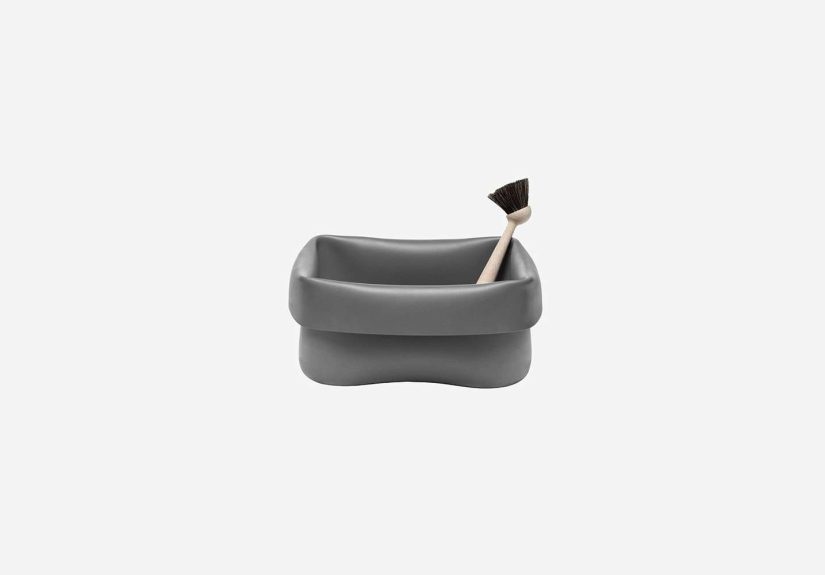
Some premium versions of the washing-up bowl and brush set lean into Scandinavian-style design, using smooth curves, muted colors, and wood-handled brushes with natural bristles. More mainstream options focus on function first, offering BPA-free plastic, collapsible walls for small kitchens, or drain plugs that save you from the awkward wrist workout of lifting a full bowl of greywater to the sink.
Why This Combo Is More Useful Than It Looks
At first glance, a washing-up bowl may seem unnecessary if you already own a sink. Fair question. But a bowl inside the sink creates a contained washing zone. That means less clattering, a more cushioned landing spot for glassware, and better control over how much water you use. It can also help keep the sink free for other tasks, like rinsing vegetables or draining pasta, while dishes soak in the bowl.
The brush adds another layer of convenience. Compared with a sponge, a dish brush often gives you better leverage, keeps your hands farther from hot water, and can feel cleaner because bristles dry faster. For greasy skillets, cereal bowls glued together by yesterday’s oatmeal, and baking dishes with a dramatic personality, a brush usually makes the job faster and less gross.
Together, a bowl and brush create a dedicated hand-washing station. That is especially handy in small apartments, RVs, homes with farmhouse sinks, or kitchens where not everything can or should go into the dishwasher. Think wooden utensils, delicate glasses, knives, insulated mugs, baby items, or cookware with finishes that prefer a gentler life.
Key Features to Look For Before You Buy
1. Size That Actually Fits Your Sink
This sounds obvious until you bring home a lovely bowl that either swallows the entire sink or perches on the edges like it is trying to escape. Measure your sink first. A bowl should fit comfortably if you plan to use it inside the sink, leaving enough room to move around it. If you plan to keep it on the counter, think about storage space and whether it stacks or slides easily into a cabinet.
2. Durable, Easy-Clean Material
Most modern dishpans use plastic, silicone blends, or a mix of flexible and rigid materials. If you want something lightweight and low-maintenance, look for a sturdy, easy-clean plastic. If your kitchen storage is limited, a collapsible version can be a lifesaver. A bowl used for food-related tasks should also feel non-porous and easy to rinse thoroughly. Nobody wants yesterday’s dishwater aroma making a surprise comeback.
3. Handles, Drain Plugs, and Smart Details
Handles make a bigger difference than you think, especially when the bowl is full. Drain plugs are another underrated feature because they let you release water neatly instead of lifting and tilting. Some bowls also have integrated draining sections or strainer-style bases, which can be helpful if you want one tool to do several kitchen jobs.
4. A Brush With the Right Grip and Bristle Style
A good dish brush should feel comfortable in the hand, even when wet. A handle that is too slick or too short can make cleaning feel like a slapstick routine. Bristles should be firm enough to scrub but not so aggressive that they scratch delicate surfaces. Some shoppers prefer natural bristles and wooden handles for looks and feel; others want all-synthetic materials for easier maintenance.
5. A Color That Works With Your Kitchen
Yes, color belongs on the feature list. Grey is popular because it blends into modern kitchens and looks more intentional than a random bright bowl shoved beside the faucet. If your sink area is always visible, choosing a calm neutral can make the whole kitchen feel tidier, even before you wash a single plate.
How to Use a Washing-Up Bowl and Brush More Efficiently
The best setup is simple. Scrape food into the trash or compost first. Fill the bowl with hot, soapy water. Wash less-greasy or less-dirty items first, then move toward plates, utensils, and cookware. Rinse with clean water and let everything air-dry on a rack or towel. The routine does not need a drumroll. It just needs a little order.
If you hand-wash often, grouping items by type can make the process feel smoother. Cups and glasses first, then plates and bowls, then silverware, then greasy pans. This keeps the water cleaner for longer and prevents your coffee mug from taking an oil bath it never asked for.
The bowl is also great for soaking. Fill it with warm, soapy water and drop in utensils, mixing bowls, or serving tools while you finish dinner. By the time you return, dried-on food is less dramatic and more cooperative. For people who cook frequently, this is one of those tiny habits that makes cleanup feel far more manageable.
If you are dealing with raw meat, poultry, seafood, or eggs, food safety matters. Wash anything that touched those ingredients with hot, soapy water, then clean the sink area and nearby surfaces before using them for produce or ready-to-eat foods. That extra minute is cheaper than regretting your life choices later.
Cleaning and Maintaining the Bowl and Brush
A washing-up bowl and brush are meant to clean things, but they also need cleaning themselves. Welcome to the glamorous circle of kitchen life. The good news is that maintenance is easy if you stay consistent.
Rinse the bowl after each use and let it dry fully if possible. If soapy residue or grease builds up, wash the bowl with hot water and dish soap, then dry it with a clean towel or leave it to air-dry. A clean bowl is less likely to develop odors, film, or that suspicious sticky patch that nobody wants to investigate closely.
The brush needs a little more attention because it is constantly exposed to food bits, grease, and moisture. Rinse it well after each wash-up session and store it so the bristles can dry. If the brush is dishwasher-safe, an occasional trip through the dishwasher can help freshen it up. Another easy method is soaking it in vinegar and a drop of dish soap, then rinsing and drying it thoroughly.
Also clean whatever holds the brush. A perfectly clean brush sitting in a grimy holder is like taking a shower and then putting on muddy socks. Technically possible, emotionally disappointing.
Replace the brush when bristles bend, shed, smell funky, or stop cleaning effectively. A worn brush does not just look tired; it works harder and cleans less. Kitchen tools deserve retirement too.
Who Should Buy a Grey Washing-Up Bowl and Brush?
This setup makes sense for more people than you might expect. It is useful for apartment dwellers with limited sink space, families who hand-wash delicate cookware, people who cook often, and anyone who wants a more organized sink area. It also works well in vacation homes, campers, RVs, dorm-style kitchens, and utility rooms where a portable basin earns its keep.
If you like kitchen tools that look presentable enough to leave out, grey is a smart choice. If you hate clutter, a bowl that doubles as a soaking tub, rinse basin, or catch-all container can simplify your setup. If you are trying to reduce reliance on sponges, a brush is a practical upgrade. And if you are the type of person who gets oddly happy when everything near the sink matches, this may be your moment.
Style Meets Practicality: Why Grey Keeps Winning
Grey may not be the loudest color in the kitchen, but that is exactly the point. It has staying power. Trendy colors can be fun, but neutral grey tends to age better and play nicely with changing décor. It also works across design styles, from ultra-modern to cozy farmhouse to “I rent, so the cabinets were chosen by someone with strong feelings in 2008.”
A grey washing-up bowl and brush can help the sink zone look intentional rather than accidental. That matters because the sink is one of the most frequently used spots in the kitchen and one of the easiest places for visual chaos to pile up. A good-looking bowl and brush will not wash the dishes for you, sadly, but they can make the space feel more orderly, and that counts for a lot on a weeknight.
Hands-On Experiences With a Grey Washing-Up Bowl and Brush
Living with a grey washing-up bowl and brush is less about one dramatic transformation and more about a steady series of small wins. The first one usually happens when you notice the sink looks calmer. Not cleaner exactly, at least not yet, but calmer. The bowl gives dirty dishes a clear place to go, which means the sink itself is no longer a chaotic stack of plates leaning against a pan that is somehow balanced on a spoon. Even before cleanup begins, the kitchen feels more under control.
Another common experience is realizing that hand-washing feels less annoying when the tools are good. A bowl softens the clink of plates and glasses, which makes the whole process feel less harsh and noisy. The brush helps with grip and speed, especially on sauce pans, mugs with coffee rings, and lunch containers with the kind of greasy film that laughs at weak scrubbing. There is also something oddly satisfying about using a brush that reaches corners better than a sponge without immediately becoming a soggy little regret pillow.
People who switch to a grey bowl often mention the visual upgrade too. Bright plastic cleaning gear can make even a tidy kitchen look busy. Grey tends to blend in, so the sink area looks more polished when the bowl is left out between uses. That matters in open-plan homes, small apartments, and homes where the kitchen is always visible. In other words, most real homes where laundry is never fully done and someone always asks what is for dinner at the exact wrong time.
There is also the storage experience. A rigid bowl with a good shape can hold bottles, brushes, or dish towels neatly under the sink when it is not in use. A collapsible version can be even more convenient in a tight kitchen, folding down and disappearing into a narrow cabinet gap like a magic trick for adults who now get excited about storage. Not glamorous, but deeply useful.
Then there is the cleanup-after-the-cleanup experience, which is more important than it sounds. A quality bowl rinses quickly and does not cling to greasy residue. A good brush dries faster and feels fresher the next day. That small difference affects whether the setup feels hygienic or like something you are constantly side-eyeing. Nobody wants a dish tool that looks like it has seen things.
In daily life, the biggest benefit is probably rhythm. The bowl and brush encourage a repeatable routine: scrape, soak, scrub, rinse, dry. When the routine is easier, dishes pile up less. When dishes pile up less, the kitchen feels better. And when the kitchen feels better, cooking feels a little less like an obstacle course. That is the real charm of a grey washing-up bowl and brush. It is not flashy, but it quietly improves one of the most repeated chores in the house. That kind of usefulness may never trend on social media, but in real kitchens, it earns its place fast.
Final Thoughts
A grey washing-up bowl and brush might not sound like the most exciting kitchen upgrade in the world, but practical tools rarely arrive with fireworks. What they do offer is better organization, easier hand-washing, more flexible sink use, and a cleaner-looking space. The right bowl can soak, rinse, store, and simplify. The right brush can clean efficiently, dry faster, and help reduce the frustration of everyday dish duty.
If you choose wisely, keep the set clean, and use it consistently, this modest pair can punch far above its weight. In a room full of expensive gadgets and trendy cookware, that is honestly kind of refreshing. Sometimes the kitchen MVP is not the giant appliance. Sometimes it is the grey bowl sitting quietly by the sink, waiting to rescue you from lasagna pan chaos.
Note: This article uses “washing-up bowl,” “dishpan,” “dish tub,” and “sink basin” as closely related shopping and search terms for American readers.