Table of Contents >> Show >> Hide
- What People Mean When They Search “Viaduct Fabric”
- Why Viaduct-Inspired Patterns Look So Good in Real Homes
- Understanding Performance: Rub Counts, Tests, and Reality Checks
- Fiber Content: Cotton/Nylon Blends vs. Polyester Jacquards
- Pattern Logistics: Width, Repeats, and the “Railroaded” Plot Twist
- Care & Cleaning: Don’t Let a Taco Determine Your Decor Fate
- Safety & Standards: UFAC, TB117-2013, and the Tags You Ignore Until You Don’t
- Buying Smart: Samples, Lead Times, and Ordering Without Regret
- Where Viaduct Fabric Shines
- Conclusion
- Experiences With Viaduct Fabric: The Real-Life Stuff No One Puts in the Listing (500+ Words)
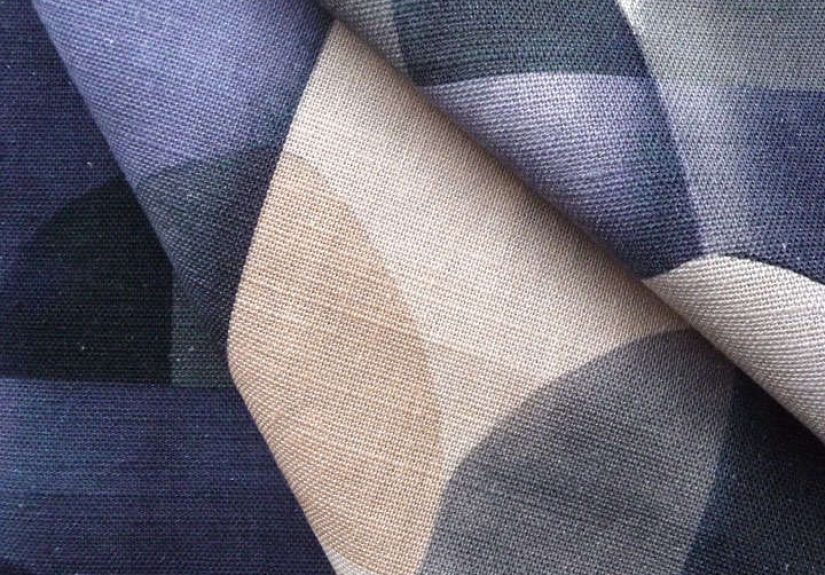
“Viaduct fabric” sounds like something you’d buy at a civil-engineering supply shop, right next to the rebar and the hard hats. In the design world, though, it usually points to a family of textiles that borrow the rhythm of a viaductrepeating arches, geometric spans, and that satisfying, architectural sense of order. The vibe is structured (hello, tidy lines), but not stiff (because a good textile still knows how to have fun).
This guide breaks down what people typically mean when they search for Viaduct Fabric, how to evaluate it like a pro (without turning your living room into a spreadsheet), and how to actually use it in a home where life happenskids, pets, snacks, and the occasional “who spilled coffee and why is it always on the light fabric?”
What People Mean When They Search “Viaduct Fabric”
Most searches fall into one of two buckets:
- A specific named pattern sold by a design house or retailer (often a geometric print or jacquard).
- A style: bridge-and-arch-inspired geometrycurves, blocks, and repeats that feel architectural rather than floral.
Here are two real-world examples that show why the same search phrase can lead to different (but related) fabrics:
Example A: A cotton/nylon “Viaduct” print (trade showroom product)
One “Viaduct Fabric” option is a cotton/nylon blend listed at 54″ wide with a clearly stated repeat (8.3″ vertical, 17.3″ horizontal). It’s sold by the linear yard, has a stated minimum order (3 yards), and may come with a lead time (for instance, 6–8 weeks) depending on stock and shipping. This sort of listing is common in trade-focused showrooms: lots of specs, fewer vibes.
Example B: A polyester jacquard “Viaduct” upholstery fabric (retail listing)
Another “Viaduct Fabric” listing shows up as a woven jacquard upholstery fabric with a medium-weight feel, a backing, and a stain-resistant positioning. It’s listed at 56″ wide and is marked railroaded (more on that plot twist later). It also may specify a cleaning code like SW (water-based or solvent cleaners) and a flammability classification like UFAC Class 1.
Same search phrase. Different fibers, different construction, different buying experience. The common thread is the design language: architectural geometry that reads modern, global, or quietly bolddepending on the colorway and scale.
Why Viaduct-Inspired Patterns Look So Good in Real Homes
A viaduct pattern is basically a cheat code for visual structure. Those repeating arcs and blocks do three helpful things:
- They create rhythm (your eye enjoys a repeat the way your brain enjoys a chorus).
- They add “architecture” to soft surfacesperfect when a room needs more shape without adding more furniture.
- They play well with solids: one strong patterned chair + calm sofa = instant “designer did this on purpose.”
If you’re mixing patterns, designers generally recommend a “test run” mindset: decide your color palette first, then pull patterns that share tones so the room looks curated instead of chaotic. Add solids and textures to give your eyes somewhere to rest. Translation: let the viaduct be the star, but don’t force it to perform in every scene.
Understanding Performance: Rub Counts, Tests, and Reality Checks
Upholstery performance gets tossed around like it’s a single number that settles all arguments. It isn’t. Durability is a relationship between fiber, weave, finish, use, and care. Still, abrasion testing is one of the more useful signalsif you read it correctly.
Wyzenbeek vs. Martindale: Two tests, not twins
In North America, abrasion resistance is commonly expressed in Wyzenbeek double rubs, where fabric is rubbed back and forth until it shows wear. In other markets, you’ll often see Martindale cycles, which uses a different motion pattern. The important point: a big number in one test doesn’t automatically “convert” to the other. Treat them like two different fitness testsboth useful, neither identical.
Quick rub-count rules that won’t lie to you
- For homes: look for a baseline around 15,000 double rubs (Wyzenbeek) as a general minimum for upholstery.
- For heavier-use/contract spaces: around 30,000 double rubs is often used as a benchmark.
- Don’t chase “infinite” rub counts: results above very high thresholds (like 100,000) aren’t a guaranteed promise of longer life.
The hidden trick is pairing abrasion data with the fabric’s intended job. A dining chair seat sees friction and pressure. A chair back sees far less. Use the high-performance numbers where they matter, and you’ll save budget (and sanity) everywhere else.
Fiber Content: Cotton/Nylon Blends vs. Polyester Jacquards
“Viaduct Fabric” can show up in very different fiber recipes. Two common ones:
Cotton blended with nylon
Cotton is prized for comfort and breathability, and it’s naturally absorbentgreat for a soft hand and rich color. Nylon, meanwhile, is commonly used in blends because it can improve resilience and toughness. In upholstery guidance, nylon is often described as a fiber that’s rarely used alone but valuable in blends for strength and recoverythough it can have tradeoffs (like potential pilling or fading depending on construction and exposure).
What that means in plain English: cotton/nylon blends can feel more “natural” than an all-synthetic fabric, while still having a better shot at holding up to daily life than cotton aloneespecially when the weave is tight and the finish is appropriate.
Polyester jacquard (often backed, often treated)
Polyester upholstery fabrics are often chosen for practical reasons: they can be durable, and many are positioned as stain resistant depending on finishes and construction. A woven jacquard structure can also add texture and pattern definition, which helps an architectural motif pop without screaming.
Bottom line: fiber content is a cluenot the verdict. A well-woven, well-finished fabric tends to behave better than a flimsy one, no matter the label.
Pattern Logistics: Width, Repeats, and the “Railroaded” Plot Twist
Here’s where people get surprised: the fabric can be gorgeous, durable, and perfectly priced… and still turn into a headache if the repeat and orientation aren’t considered.
Width
Many upholstery fabrics come in widths like 54″ or 56″. That little difference can matter when you’re trying to center a motif on a chair back or match a pattern across cushions. It’s not dramatic, but it’s not nothing.
Repeat
A repeat is the distance before a pattern starts oververtically and/or horizontally. Larger repeats can mean more yardage for pattern matching, especially when you want symmetrical placement (because your eyes will absolutely notice if the arches are “almost” centered).
Railroaded
If a fabric is railroaded, the pattern runs across the width rather than along the length. This can be amazing for certain upholstery applications (fewer seams, better visual flow on long pieces), and annoying for others (if you needed the pattern to run the other direction). Always confirm orientation before you orderyour upholsterer will thank you, and your wallet will be less dramatic about it.
Care & Cleaning: Don’t Let a Taco Determine Your Decor Fate
Fabrics don’t fail. They get introduced to an exciting social life: kids, pets, denim rivets, and snacks with opinions. The trick is choosing a fabric whose care requirements match how you actually live.
Cleaning codes (W, S, SW)
You’ll often see cleaning guidance expressed as a code. For example:
- S: solvent or dry-cleaning products
- SW: water-based or solvent-based cleaners (often paired with “spot clean” guidance)
These codes matter because using the wrong cleaner can set stains, shift dye, or leave a ring that looks like a ghost of spills past. Even when you have a code, always do a small spot test in an inconspicuous area first.
Care labels and plain-language instructions
In the U.S., care labeling rules define common care terms (like “gentle cycle” meaning reduced agitation and time). You won’t necessarily see apparel-style language on upholstery yardage, but the principle still applies: follow the maker’s care guidance, and don’t assume “gentle” and “aggressive” mean the same thing to every material.
Safety & Standards: UFAC, TB117-2013, and the Tags You Ignore Until You Don’t
Upholstery listings sometimes include flammability and safety references. Two you’ll see:
UFAC Class 1
UFAC is a classification system used in furniture upholstery contexts. A listing that states UFAC Class 1 is signaling a particular level of compliance for typical residential upholstery applications.
TB117-2013
California’s TB117-2013 is a smolder-resistance standard for materials used in upholstered furniture. It provides methods for evaluating smolder resistance of cover fabrics, barrier materials, resilient filling materials, and decking materials. If you see references to TB117-2013 in a fabric listing or on furniture tags, it’s part of the safety/flammability conversationespecially relevant for finished upholstered pieces.
Practical advice: if you’re upholstering furniture for a commercial setting (or you simply want extra peace of mind), talk to your upholsterer about requirements for your location and use case. Fabric specs are helpfulbut compliance is usually about the whole assembly, not just the face fabric.
Buying Smart: Samples, Lead Times, and Ordering Without Regret
If Viaduct Fabric has taught us anything, it’s that screens are liars and lighting is a prankster. Always sample.
Order a swatch (seriously)
A swatch lets you check: the true color (morning light vs. evening light), the hand (soft vs. stiff), and the scale (is it “architectural rhythm” or “giant arches eating my chair”?).
Watch minimums and lead times
Trade-oriented products may require minimum yardage (for example, 3 yards) and can have lead times (for example, 6–8 weeks). Retail listings may allow one-yard quantities, ship faster, and offer simpler returns. Neither is “better”they’re just different ecosystems.
Where Viaduct Fabric Shines
Because it’s geometric and structured, Viaduct Fabric works best when you give it a job that matches its confidence. Great uses include:
- Accent chairs (a pattern moment without pattern overload)
- Dining chair seats (especially if you choose a strong abrasion rating)
- Bench cushions and banquettes (repetition looks intentional on long seating)
- Pillows (the lowest-commitment way to try the look)
- Headboards (geometry = instant “boutique hotel energy”)
Conclusion
Viaduct Fabric is one of those rare design choices that can feel both artistic and practicalif you pick it with your eyes and your brain. Look for the specs that match your real life (abrasion, care code, repeat, orientation), then let the architectural pattern do what it does best: bring structure, rhythm, and a little “I totally planned this” energy to your space.
Experiences With Viaduct Fabric: The Real-Life Stuff No One Puts in the Listing (500+ Words)
The first “experience” almost everyone has with Viaduct Fabric is shockspecifically, the moment you realize your monitor has been gaslighting you. On-screen, the color looks like a calm sage. In your living room, under that one overhead bulb you’ve been meaning to replace since 2022, it suddenly reads as “chartreuse with opinions.” This is why the humble swatch is the MVP of the entire process. People often pin it to the wall, carry it from room to room, and hold it up next to everything: flooring, paint chips, the dog (not recommended), and that antique side table you refuse to admit doesn’t match.
The second experience is the “scale reality check.” Viaduct patterns tend to rely on repeating geometry, which means the motif can feel perfectly balanced at pillow size but dramatically bold on a wingback chair. Many homeowners do a quick sanity test by folding the swatch into the approximate shape of a cushion and stepping back. If the arches look like they’re doing yoga stretches across the fabric, that’s your cue to pick a smaller scale or reserve the pattern for a smaller piece.
Then comes the “math phase,” where you learn about repeats and pattern matchingusually because an upholsterer gently asks, “Do you want the arches centered?” and you say “yes” like it’s free. Centering a geometric pattern can require extra yardage because the fabric must be cut and aligned so the repeat lands exactly where you want it. People often discover that the fabric itself isn’t the only costthere’s also the cost of making the pattern look intentional. The upside is that when it’s done well, the result looks custom, high-end, and weirdly satisfying, like perfectly aligned tile.
Daily life with Viaduct Fabric is usually where the love story either deepens or becomes a cautionary tale. With a stain-resistant jacquard, the “experience” is often relief: spills bead up just enough for you to blot, and the texture hides minor sins. With a cotton-forward blend, the experience can feel more luxurious and tactile, but it may also demand better habitslike vacuuming regularly, rotating cushions, and treating spills like an emergency drill. The good news is that people who choose the fabric to match their lifestyle tend to be happy. The folks who pick “the prettiest one” and then host spaghetti night on it… develop character.
Another common experience: learning the power of placement. Many homeowners end up using Viaduct Fabric in a “high-impact, low-risk” way first an accent chair in a less chaotic corner, a pair of dining chair backs (not seats), or pillows where you can flip the “oops side” to the wall. Once they’ve lived with it for a few months, they either go bolder (banquette! headboard!) or keep it as a punchy accent. Both are wins. The pattern’s architectural rhythm tends to make rooms feel more designed, even if everything else is “mostly okay” and your bookshelf still has a random stack of unopened mail.
Finally, there’s the satisfaction moment: when guests walk in and say, “That fabric is amazingwhere did you get it?” And you get to casually respond like it wasn’t three weeks of swatches, spreadsheets, and late-night debates about whether the arches are “too playful” (they’re not) or “too bold” (also not). That’s the Viaduct Fabric experience in a nutshell: a little effort up front, a lot of payoff, and a home that feels more personalbecause it has a pattern with a point of view.