Table of Contents >> Show >> Hide
- What “Variopinte” is really selling: color you can use
- What’s in a Variopinte Enamelware “set”?
- How enamelware performs in real life
- Choosing the right Variopinte enamel dinnerware for your lifestyle
- Care and cleaning: keep the shine, keep your sanity
- Pros and cons of a Variopinte Enamelware Set
- Frequently asked questions
- Experiences: life with a Variopinte Enamelware Set (extended, 500+ words)
- Conclusion
Some dinnerware is made for “special occasions,” which is a fancy way of saying it spends most of its life hiding in a cabinet like it owes you money.
A Variopinte Enamelware Set is the opposite: it’s the kind of tableware you actually reach forweeknight pasta, backyard burgers,
impromptu park picnics, and that one friend who always “forgets” to bring plates.
Variopinte’s appeal is simple: cheerful color, tough enamel-on-metal construction, and a design that works indoors or out.
It’s practical without looking like it came from a camp store bargain bin, and stylish without acting precious about it.
In other words: it can handle real life (and real people).
What “Variopinte” is really selling: color you can use
An Italian color story, translated into enamel
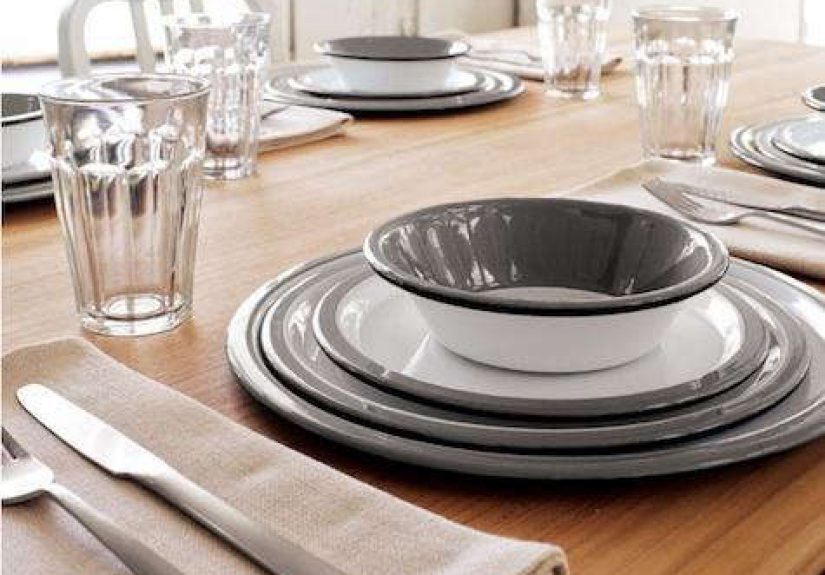
Variopinte is associated with Italian designer Stefania di Petrillo, and the brand’s signature is color that feels
pulled from landscapes and markets rather than a paint chip aisle. Think: soft grays, citrusy greens, warm mandarins, and reds that look right next
to tomato sauce, strawberries, or a glass of something cold on a hot day.
The finish is typically described as hand-applied enamel color layered onto metal and firedso it looks lively, not overly “factory perfect.”
That matters because enamelware is at its best when it has a little personality: subtle variation, a slightly organic feel, and a surface that’s
meant to be used, not worshipped.
Why enamel-on-steel feels different from ceramic (and plastic)
Enamelware is essentially porcelain enamel (glass) fused to metal. In plain English: you get the clean, non-porous vibe of glass,
but with a metal core that’s lightweight and resilient. That’s why enamelware has become a favorite for outdoor dinnerware,
small-space kitchens, and anyone who wants dishes that don’t panic the moment they meet a picnic table.
Compared with ceramic, enamelware is typically lighter and less likely to shatter. Compared with melamine or many plastics,
it doesn’t bring the same “is this going to hold onto smells forever?” anxiety. And compared with stainless steel camping mess kits, it’s a lot more
pleasant to eat off ofbecause your fork isn’t scraping metal like a tiny horror-movie soundtrack.
What’s in a Variopinte Enamelware “set”?
“Set” can mean different things depending on where you find Variopinte pieces and how they’re bundled. Historically, Variopinte has been sold as
place-setting style collections (often described as four-piece sets) as well as individual enamel plates and bowls
you can mix and match. There are also matching accessoriesincluding enamel-coated flatware/cutlery designed to coordinate with the dishes.
Common pieces you’ll see associated with Variopinte
- Dinner plates and salad/smaller plates (stackable, slim profiles that store easily)
- Bowls (great for pasta, chili, fruit, cerealbasically modern life in a circle)
- Mugs or cups (often the piece that convinces people they “need” enamelware)
- Serving pieces in some lines (depending on availability)
- Coordinating cutlery (Variopinte has been described selling enamelled cutlery sets that include a spoon, fork, and teaspoon)
If you’re shopping and the listing is vague, think in terms of function. A practical starter set for two might look like:
2 plates + 2 bowls + 2 mugs, then add more bowls if you eat anything that isn’t a sandwich (so… everyone).
How enamelware performs in real life
Durable enough for outdoors, pleasant enough for everyday
The sweet spot for enamel dinnerware is that it’s built for movement. You can stack it, load it, carry it, and generally treat it like a tool.
That’s why enamelware pops up so often in outdoor dining recommendations and camp-kitchen setups. It’s not indestructible, but it’s forgiving in the
way everyday items should be.
Translation: you can host a backyard dinner without hovering like a museum guard. People can eat, laugh, set plates down, and you can still
recognize your dishes afterward. Revolutionary.
Acidic foods, stains, and the “tomato test”
One reason many cooks like enamel-coated surfaces is that they’re generally less reactive than bare metals with acidic foods
(tomatoes, citrus, vinegar-heavy salads). That makes enamelware feel like a solid choice for pasta nights, salsa spreads, or lemony grilled chicken.
But here’s the honest part: enamel can show marks over time. Dark scuffs, utensil lines, or stubborn stains can happenespecially
with light-colored finishes. This isn’t a failure. It’s what happens when you use things. The goal is “clean and charming,” not “untouched and
suspiciously perfect.”
The sound and feel factor (a surprisingly big deal)
People don’t talk about this enough: enamelware feels good to eat from. It’s smoother and quieter than metal. It’s lighter than ceramic.
And it doesn’t have that plasticky bounce you get with some outdoor dinnerware. If you want one reason enamelware stays popular decade after decade,
it’s that it’s simply nice in your hands.
Choosing the right Variopinte enamel dinnerware for your lifestyle
If you want a picnic-ready set
Build around bowls and mugs. Picnic food is rarely “knife-and-fork steakhouse formal.” It’s chili, fruit, salads, sandwiches, and snacks.
Bowls do more jobs than plates. Mugs are mugs, yesbut they’re also dessert cups, snack holders, and the thing you hand to a friend when they show up
empty-handed and hopeful.
A smart picnic kit:
4 bowls + 4 plates + 4 mugs, plus a compact tote, a dish towel, and a sponge. Add coordinating cutlery if you want a cohesive look.
Suddenly your park meal feels like a magazine spreadexcept you’re still sitting on a blanket, which keeps it humble.
If you live in a small kitchen (or just hate clutter)
Look for pieces known for being stackable and slim. Enamelware’s lower profile can be a storage win. If your cabinets are already
playing Tetris, enamelware is a reliefbecause it stacks neatly and doesn’t demand its own zip code.
If you have kids (or adult friends who behave like kids)
Enamelware is often chosen because it’s less likely to shatter than ceramic when dropped. That said, chips can happen if enamel is
hit hard at an edge. The practical approach: treat it as “durable, not magical.” If you want truly throw-proof, that’s a different category (and it
usually looks like it).
Care and cleaning: keep the shine, keep your sanity
Everyday cleaning
For routine cleanup, keep it gentle: warm water, mild dish soap, and a non-abrasive sponge.
Many enamelware brands and care guides note that pieces may be dishwasher safe, but handwashing often preserves the finish longer.
If you do handwash, drying promptly is a good habitespecially around rims and edges.
Stains and stubborn marks
If you get stains or cooked-on residue (it happens), reach for gentle, proven options:
a baking soda paste, a soak with warm soapy water, or a mild cleanser commonly recommended for enamel-safe cleaning.
Avoid aggressive abrasives that can scratch or dull the enamel over time.
A simple method that works for a lot of enamel-coated surfaces:
soak first, then clean with a soft sponge; if needed, use a baking soda paste and light pressure.
Think “patient and steady,” not “I’m trying to sand a deck.”
Dishwasher safe vs. dishwasher wise
You’ll often see enamelware described as dishwasher safe. Practically, that means it can survive it.
But harsh detergents and the general chaos of dishes knocking together can dull finishes or cause chips over time.
If you choose the dishwasher anyway (no judgmentlife is busy):
load pieces so they don’t bang into other items, skip overcrowding, and consider a gentler cycle.
If you want the color to stay glossy for the long haul, handwashing is the “low drama” option.
Rust and chips: what to watch for
Because there’s metal underneath, enamelware can develop rust if the metal is exposed or if moisture lingers around rims and seams.
Drying thoroughly helps prevent this. If you ever notice a significant chip that exposes metal in a food-contact area, treat that piece as a serving
dish for dry items or retire ityour mouth deserves better than sharp surprises.
Pros and cons of a Variopinte Enamelware Set
Pros
- Style with practicality: cheerful color that still works as everyday dinnerware
- Great for indoor/outdoor: picnic, patio, camping, and weekday dinners
- Lightweight and stackable: easier storage and transport than many ceramic sets
- Generally easy to clean: non-porous enamel surface with simple care routines
Cons
- Chips can happen if dropped or knocked at edges (it’s tough, not immortal)
- Finish can dull over time with repeated dishwasher use and harsh detergents
- Availability varies depending on where you shop and how the pieces are currently stocked
Frequently asked questions
Is Variopinte enamelware “non-toxic”?
Enamelware is commonly marketed as a non-toxic alternative to some plastics, and Variopinte has been described as non-toxic in past retail/editorial
coverage. If you’re shopping today, the most responsible move is to confirm current product details from the seller or makerespecially if you have
specific sensitivities or requirements.
Can I use metal utensils on enamelware?
Yes, but expect marks over timeespecially on lighter finishes. Those marks are often cosmetic, not structural.
If you want to keep pieces looking newer longer, use wood or silicone utensils when possible and save metal for when you’re feeling rebellious.
Is it good for camping?
Enamelware is popular for camping because it’s lightweight, durable, and easy to clean. If your camping style includes packing carefully rather than
tossing everything into a bin like a raccoon organizing a pantry, enamelware fits beautifully.
Experiences: life with a Variopinte Enamelware Set (extended, 500+ words)
Imagine this: it’s Saturday, you’re feeling optimistic, and you decide you’re going to eat outdoors like a person who has their life together.
You pack a Variopinte enamel plate, a bowl, and a mug. The colors look greatcheerful without screaming. You set everything down on the picnic table,
and for a moment you feel like you’re starring in a lifestyle shoot called “Casual Joy: Now With Less Chaos.”
Then real life shows up (right on schedule). Someone brings watermelon. Someone brings salsa. Someone brings a bag of chips that explodes like
confetti. The important part? The enamelware doesn’t flinch. The bowl handles fruit, the plate handles messy tacos, and the mug holds coffee
that you forget about until it’s coldlike tradition demands.
The first thing you notice after a few uses is how practical enamelware is for “mixed” meals. One night it’s pasta with marinara, the next it’s
grain bowls with lemony dressing, then it’s chili because the weather changed and your mood went with it. Enamelware is happy to host all of it.
It’s especially satisfying for saucy foods because cleanup doesn’t feel like you’re scrubbing your choices off a porous surface.
The second thing you notice: enamelware rewards a little care. If you rinse soon after eating (even a quick rinse), it stays easier to clean.
If you let tomato sauce dry into modern art, you’ll need a soak. Not a tragedyjust a gentle reminder that dishes are still dishes, even when they’re
cute. A warm soak and a soft sponge usually bring everything back. For those occasional “what is this stain and why is it emotionally attached to my
plate?” moments, a baking soda paste can help without turning your dish into a science experiment.
Now let’s talk about the dishwasherbecause everyone eventually asks. Yes, you can run enamelware through the dishwasher if it’s labeled as safe,
and plenty of people do. But if you care about keeping the finish glossy and the edges chip-free, you start to treat the dishwasher like a crowded
subway: fine in a pinch, but not your favorite place for your nicest things. If you do use it, you learn to load enamel pieces so they don’t clack
into heavier items. The trick is spacing. Enamelware is durable, but it can chip when it’s knocked hard at an edge.
A small, very real joy: stacking. Variopinte-style enamel plates and bowls stack neatly, which is a gift if you live in a kitchen where cabinet space
is more myth than reality. You can build a functional set without needing a second apartment to store it. And when you carry a stack out to the patio,
it feels stable and lightless “ceramic tower of doom,” more “confident host who totally planned this.”
Over time, you may see tiny scuffs or utensil marksespecially if you’re using metal forks or serving spoons. That’s normal. It’s the visual record
of meals you actually ate. If you’re the type who wants everything pristine, you’ll either handwash gently and use softer utensils, or you’ll accept
that “perfect” is overrated. The good news is that enamelware can still look charming even with a bit of wear. It’s not trying to be precious; it’s
trying to be useful.
The best compliment you can give a dinnerware set is that it becomes invisible in the best wayyou stop thinking about it because it just works.
That’s the vibe here. Variopinte enamelware brings color, convenience, and a relaxed kind of beauty to everyday meals. And if it convinces you to eat
one more dinner outside just because the plates look happy in the sunlight? That’s not a problem. That’s a lifestyle upgrade.
Conclusion
A Variopinte Enamelware Set hits a rare balance: it’s playful without being flimsy, practical without being boring.
If you want dinnerware that can move from kitchen to patio to picnic blanketand still look good doing itenamelware is a smart choice,
and Variopinte’s color-forward approach makes it especially fun to live with.
Build your set around how you actually eat (bowls are the unsung heroes), treat the finish with a little kindness, and don’t stress the small marks
that come from real use. The goal isn’t perfectionit’s meals that feel a little brighter.