Table of Contents >> Show >> Hide
- Why Homeowners Choose a Stained Brick Fireplace
- Before You Touch a Brush: Know If Your Brick Can Be Stained
- How to Choose the Right Brick Stain Color
- How to Prep a Brick Fireplace for Staining
- How to Stain a Brick Fireplace
- Common Mistakes That Can Ruin the Look
- Stain, Paint, Limewash, or German Schmear?
- Design Ideas for a More Beautiful Fireplace Makeover
- DIY or Hire a Pro?
- Final Thoughts
- Extra Experiences and Real-World Lessons From Stained Brick Fireplace Projects
- SEO Tags
A brick fireplace can be charming, timeless, and full of character. It can also look like it has been personally loyal to 1987 and refuses to move on. The good news is that you do not always need a full demolition, a dramatic reality-show reveal, or a contractor who starts every sentence with “Well, that depends.” Sometimes, the smartest update is much simpler: stain the brick fireplace instead of covering it up completely.
If you want to update the color of your brick while keeping the texture, depth, and natural variation that make masonry look like masonry instead of a painted prop, a stained brick fireplace is one of the most attractive options available. Brick stain sinks into the surface rather than sitting on top of it like a film, which means you can refresh the look without flattening all the visual interest. In plain English, your fireplace can look updated without looking like it got dipped in frosting.
This guide breaks down what brick staining is, when it works best, how it compares with paint, how to choose the right color, and what mistakes to avoid. If your goal is a fireplace makeover that feels fresh, intentional, and a little more grown-up than “let’s just paint it white and hope for the best,” you are in the right place.
Why Homeowners Choose a Stained Brick Fireplace
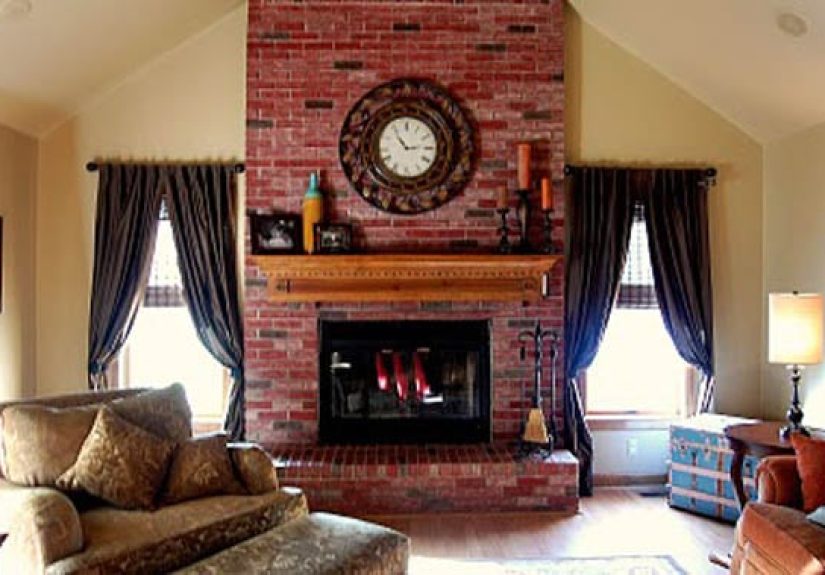
The appeal of brick stain comes down to one big thing: it changes color while preserving texture. That matters because brick is naturally varied. It has pores, edges, mortar joints, and small imperfections that give it warmth. When you stain brick, those details stay visible. When you paint it, you create more of a coated, uniform finish.
That is why a stained brick fireplace often feels more natural and high-end. Instead of hiding the masonry, stain lets the brick keep doing its brick thing. It still looks authentic, just better dressed.
Benefits of staining brick instead of painting it
First, stain usually creates a more nuanced finish. You can deepen red brick into a richer brown, soften harsh orange undertones, or take a dated fireplace toward charcoal, taupe, or greige without making it look flat. Second, stain tends to be a better fit for homeowners who want the fireplace to blend with updated decor while still feeling original to the house. Third, because stain penetrates the surface, it often ages more gracefully than paint when used on the right kind of brick.
That does not mean paint is always wrong. A painted fireplace can look beautiful, especially in modern, cottage, or high-contrast interiors. But if your top priority is preserving the natural character of the masonry, staining is often the better route.
Before You Touch a Brush: Know If Your Brick Can Be Stained
This is the part where excitement briefly meets responsibility. Not every fireplace is a good candidate for brick stain. If the brick has already been painted, sealed with a non-porous product, or has a glossy glazed finish, stain may not absorb evenly or at all. Brick stain needs porosity. If the surface cannot absorb, the stain cannot do its job.
You also want the brick to be in solid condition. Stain is not a magic trick for damaged masonry. If you have crumbling mortar, spalling brick, moisture problems, or heavy soot buildup that will not come clean, fix those issues first. Updating the color without addressing the underlying condition is like putting lipstick on a chimney. Technically possible, strategically questionable.
Signs your fireplace is a good candidate for stain
Your brick is unpainted, porous, and structurally sound. The mortar is intact or repairable. The fireplace surround is dry, stable, and free of major flaking or salt-like efflorescence. You are looking to shift the color rather than completely erase the fact that it is brick.
Signs you should slow down
If the fireplace is in a historic home, be especially careful. Older masonry can be more delicate, and harsh cleaning or incompatible coatings can cause damage. If your brick is heavily deteriorated, if moisture seems to be moving through the wall, or if you are not sure whether the surface was previously treated, get expert advice before choosing a stain. A prettier fireplace is great. A prettier fireplace with hidden moisture trouble is just a very stylish future headache.
How to Choose the Right Brick Stain Color
Choosing a stain color is less like selecting wall paint and more like negotiating with the brick you already have. Existing brick color, absorption rate, porosity, and mortar tone all affect the final result. That means the stain chip you love in the store or on a screen is only part of the story.
Most homeowners stain brick to solve one of these common problems: the brick looks too orange, too pink, too dark, too busy, or simply too dated for the room. The best color choice depends on the problem you are trying to solve.
Popular directions for stained brick fireplaces
Warm greige or taupe: Excellent for toning down orange-red brick while keeping a soft, natural look.
Charcoal or smoky brown: Great for dramatic rooms, modern spaces, and fireplaces that need visual weight.
Soft white or mineral wash look: Better for homeowners who want a lighter effect but still prefer texture over full paint coverage.
Earthy brown or mushroom: A smart choice when the room already has warm woods, leather, or traditional trim.
Always test first. Always. Brick absorbs differently across the surface, mortar often soaks up more product than expected, and a fireplace that looked “perfectly soft gray” in your imagination can turn surprisingly muddy by lunch.
How to Prep a Brick Fireplace for Staining
Prep is what separates “beautiful transformation” from “why does this look like a middle-school art experiment?” Brick is porous, which means it grabs onto whatever you put on it, including soot, residue, and cleaning products. A careful prep routine matters.
Step 1: Clean gently but thoroughly
Start by removing loose dust, ash, and debris with a vacuum and soft or nylon brush. Then clean the brick with a mild masonry-safe cleaner or gentle soap solution. Avoid aggressive abrasion, especially on older brick. Over-scrubbing can damage the outer surface and mortar. If the fireplace has soot stains, work from the gentlest cleaning method upward rather than jumping straight to the strongest cleaner in the cabinet like a person starring in a very small home-improvement action movie.
Step 2: Let the brick dry completely
This step is not optional. Brick must be dry before staining. If moisture is sitting in the pores, the stain can apply unevenly, lighten unpredictably, or fail to absorb the way it should. Patience here pays off later.
Step 3: Repair mortar or damaged areas
If joints are cracked or missing, repair them before staining. A color update should be the final cosmetic layer, not the first attempt at hiding repair issues. Make sure any repaired masonry has had adequate time to cure based on product guidance before you move forward.
Step 4: Protect nearby surfaces
Use painter’s tape, drop cloths, and a healthy respect for gravity. Brick stain is not the kind of product you want wandering onto your hardwood floor, mantel, trim, or favorite rug.
How to Stain a Brick Fireplace
The exact application process depends on the stain product, but the general workflow is straightforward.
1. Test in a hidden area
Try the stain on a small section at the side or lower portion of the fireplace. Let it dry fully before judging the color. Wet stain lies. Dry stain tells the truth.
2. Mix and stir carefully
Follow the manufacturer’s instructions exactly. Pigment needs to stay evenly distributed, so stir often during application.
3. Apply in thin, controlled coats
Use a brush to work the stain onto the brick in overlapping passes. Start lighter than you think you need. It is much easier to deepen the color than to reverse an overly dark first coat. Pay close attention to mortar lines, which often absorb faster than the brick face.
4. Build color gradually
The prettiest stained brick fireplaces usually do not come from one heavy coat. They come from layered, patient application. The goal is dimension, not a painted-over slab.
5. Allow proper curing time
Do not rush furniture back into place or light a fire before the stain has cured according to the product instructions. Fireplaces are dramatic enough already.
Common Mistakes That Can Ruin the Look
Skipping the test patch: This is the classic mistake. Brick color and absorption vary more than people expect.
Using stain on sealed or painted brick: If the surface cannot absorb, the finish will not behave properly.
Ignoring moisture issues: If brick is staining, crumbling, or showing efflorescence, solve that first.
Going too dark too fast: Brick stain is best approached like seasoning soup. You can add more, but taking it back is another story.
Treating the firebox the same as the outer surround: The visible exterior surround and the firebox are not the same zone. Areas exposed to direct flame need specialized high-heat products, not your standard makeover materials.
Stain, Paint, Limewash, or German Schmear?
If you are still deciding, here is the simple version.
Choose stain if you want to keep the brick texture visible, prefer a natural finish, and your brick is unpainted and porous.
Choose paint if you want maximum color control and a more uniform look, and you are comfortable with a film finish and ongoing maintenance.
Choose limewash or a mineral-style wash if you want a softer, old-world effect with visible variation.
Choose German schmear if you want more texture, more rustic character, and a heavier hand-applied look.
For many homeowners, a stained brick fireplace lands in the sweet spot between “too original” and “too coated.” It updates the room without pretending the fireplace was born yesterday.
Design Ideas for a More Beautiful Fireplace Makeover
Go tonal for a modern look
Stain the brick in a soft taupe, mushroom, or smoky gray and pair it with a mantel in a similar tone. This creates a calm, collected look that feels custom rather than trendy.
Use contrast for drama
A darker stained brick fireplace with lighter walls can create a focal point without the starkness of jet-black paint. This works especially well in living rooms with warm wood floors and layered textiles.
Keep the mortar visible
One reason stained fireplaces look so sophisticated is that the mortar and brick still read as masonry. Let some variation stay. Perfection is overrated, and in this case, it can make the result look less expensive.
DIY or Hire a Pro?
If your fireplace is small, accessible, unpainted, and in good shape, staining can be a manageable DIY project. If you are dealing with heavy soot, a very large fireplace wall, unusual brick absorption, previous coatings, or a historic home, calling a pro is money well spent.
A professional can also help if your goal is a very specific custom tone. Brick is less predictable than drywall, and matching the final look to your room takes more skill than many weekend projects admit.
Final Thoughts
Updating the color of your brick fireplace does not have to mean burying it under thick paint and pretending its best feature is not texture. A stained brick fireplace can preserve the character of the masonry while giving the entire room a fresher, more current feel. It is a smart choice for homeowners who want warmth, authenticity, and a finish that feels more architectural than decorative.
The secret is simple: start with the condition of the brick, solve moisture or repair issues first, test the color carefully, and build the finish slowly. Done well, brick stain can turn a dated fireplace into a focal point that looks intentional, timeless, and just dramatic enough to make the sofa area feel like the best seat in the house.
Extra Experiences and Real-World Lessons From Stained Brick Fireplace Projects
In real homes, the experience of updating a brick fireplace usually begins with uncertainty. Homeowners stand in front of the hearth, coffee in hand, staring at the brick and thinking some version of, “I know this can look better, but I do not want to ruin it.” That feeling is normal, and it is actually useful. A little hesitation keeps people from rushing into a finish they will regret.
One of the most common experiences is surprise at how much the undertone matters. Red brick that looks merely “warm” during the day can turn intensely orange at night under lamps. A fireplace that seemed neutral enough when decorated for the holidays can suddenly feel loud and dated once the room gets new flooring or lighter paint. That is often the moment homeowners realize the fireplace is not ugly, exactly. It is just no longer speaking the same design language as the rest of the room.
Another common lesson is that brick rarely behaves uniformly. Even on one fireplace, some bricks absorb quickly, some slowly, and some seem determined to keep their original personality no matter what. This is why people who test several samples usually get the best results. The winning color is often not the boldest or trendiest option. It is the one that calms the brick down without making it look artificial.
There is also a practical emotional shift that happens during these projects. Once the cleaning is done and the first test section dries, the fireplace starts to feel less like a problem and more like a possibility. The room looks more finished. Furniture suddenly makes more sense around it. Mantel styling becomes easier because the brick is no longer competing with every object in sight like an overcaffeinated background actor.
Homeowners also tend to remember the prep stage more vividly than they expect. Soot gets everywhere. Mortar lines demand patience. And many people discover that the project is not technically difficult, but it is detail-heavy. It rewards steady hands and realistic expectations more than speed. The best outcomes usually come from people who work in light layers, take breaks, and resist the urge to “fix” everything in one pass.
Perhaps the most satisfying experience comes at the end, when the fireplace still looks like brick, just better. It still has age, texture, and a little imperfection, but now it supports the room instead of dragging it backward. That is the charm of a stained brick fireplace. It does not erase history. It edits it. And in home design, that is often the difference between a makeover that feels temporary and one that feels right for years.