Table of Contents >> Show >> Hide
- What “fatty liver cancer” actually means
- Quick translation: NAFLD, NASH, MASLD, MASHwhat’s with all the letters?
- How fatty liver disease can lead to liver cancer
- Why fat in the liver can be a cancer-friendly environment
- Risk factors: who should pay closer attention?
- Symptoms: why liver cancer can be hard to catch early
- Screening and surveillance: who gets monitored for liver cancer?
- Risk assessment before cancer: how doctors estimate scarring in fatty liver disease
- Diagnosis: what happens if something suspicious is found?
- Treatment options: what liver cancer care can look like
- Prevention and risk reduction: what actually helps
- Putting it together: a practical “what should I do next?” checklist
- Conclusion
- Experiences: what this journey can feel like in real life (and what people wish they’d known)
- The “wait, I have fatty liver?” moment
- Learning that the liver is a quiet overachiever
- What surveillance feels like: “I’m fine… until I’m waiting for results”
- The lifestyle change reality: small steps beat heroic sprints
- Family dynamics: the diagnosis that becomes a household topic
- If cancer enters the picture: the “two battles” feeling
If your liver could talk, it would probably say, “I’m fine,” even when it’s quietly doing the stress-eating version of a meltdown. That’s part of the problem with fatty liver disease: it often stays silent for years, then shows up to the party with a very uninvited plus-oneserious scarring (cirrhosis) and, in some cases, liver cancer. This article breaks down what people mean when they say “fatty liver cancer,” how it happens, who’s most at risk, what screening and diagnosis look like, and what actually helps lower riskwithout turning your browser into a doom scroll.
What “fatty liver cancer” actually means
“Fatty liver cancer” isn’t a medical diagnosis you’ll see stamped on a lab report. Most of the time, people are talking about liver cancer (usually hepatocellular carcinoma, or HCC) that develops in someone with a history of fatty liver disease. HCC is the most common primary liver cancer in adults, meaning it starts in the liver itself (not a cancer that spread there from somewhere else).
Fatty liver disease can raise liver cancer risk indirectly by pushing the liver toward inflammation and scarring over time. Think of it like this: fat accumulation is the spark, chronic inflammation is the smoke, scarring is the charred furniture, and cancer is the house fire nobody wanted. The goal is to put things out long before “house fire” becomes a word you have to say out loud.
Quick translation: NAFLD, NASH, MASLD, MASHwhat’s with all the letters?
The medical world recently updated fatty liver terminology to better reflect what’s going on biologically and to reduce stigma. You may still see older terms online, so here’s the cheat sheet:
- NAFLD (nonalcoholic fatty liver disease) is now often called MASLD (metabolic dysfunction-associated steatotic liver disease).
- NASH (nonalcoholic steatohepatitis) is now often called MASH (metabolic dysfunction-associated steatohepatitis).
- Steatotic liver disease (SLD) is the broader umbrella term that covers fatty liver from different causes.
In plain English: MASLD is fatty liver tied to metabolic risk factors (like type 2 diabetes, high triglycerides, high blood pressure, or excess body weight), and MASH is the more aggressive form where fat plus inflammation starts injuring liver cells and can lead to fibrosis (scarring).
How fatty liver disease can lead to liver cancer
Fatty liver disease doesn’t automatically mean cancer. Many people with simple fat buildup in the liver never develop severe liver damage. The risk climbs when the condition progressesespecially when fibrosis becomes advanced or cirrhosis develops.
The “progression pathway” (not destiny, just a common route)
- Steatosis (fat buildup): Fat collects in liver cells. Often no symptoms.
- Steatohepatitis (MASH): Fat plus inflammation damages liver tissue.
- Fibrosis: The liver lays down scar tissue in response to ongoing injury.
- Cirrhosis: Extensive scarring changes the liver’s structure and function, raising HCC risk substantially.
- Hepatocellular carcinoma (HCC): Cancer can develop, most often in the setting of advanced fibrosis/cirrhosis.
But can HCC happen without cirrhosis in fatty liver disease?
Yesthis is one of the trickiest parts. A meaningful minority of people with fatty liver–associated HCC are diagnosed without established cirrhosis. That doesn’t mean cirrhosis isn’t the biggest risk factor overall (it is), but it does mean fatty liver disease isn’t always “safe until cirrhosis.” This is why doctors and researchers are working on better ways to identify higher-risk people earlier.
Why fat in the liver can be a cancer-friendly environment
Cancer risk rises when cells are repeatedly injured and forced to regenerate over and over. In fatty liver disease, several processes can combine to create that “injury + repair” loop:
- Insulin resistance (common in type 2 diabetes and metabolic syndrome), which can promote inflammatory signaling.
- Chronic inflammation that irritates liver tissue and stresses cells long-term.
- Oxidative stress (cell damage from reactive molecules), which can harm DNA over time.
- Fibrosis, which changes the liver’s architecture and can alter how cells grow and communicate.
None of this is meant to make your liver sound like a villain. It’s more like an overworked employee trying to meet impossible deadlines while someone keeps spilling grease on the keyboard.
Risk factors: who should pay closer attention?
Liver cancer risk is influenced by both liver-specific factors (how much scarring you have) and whole-body factors (metabolic health). Having fatty liver disease plus certain risks can raise concern.
Common risk boosters in fatty liver disease
- Advanced fibrosis or cirrhosis (biggest risk driver)
- Type 2 diabetes and insulin resistance
- Excess body weight (especially with metabolic complications)
- High triglycerides / abnormal cholesterol
- Older age (risk tends to rise over time)
- Male sex (on average, higher HCC rates)
- Alcohol use (especially heavier use or combined metabolic + alcohol-related liver injury)
- Smoking (a known cancer risk factor, including for liver cancer)
A key point: fibrosis stage matters more than “how fatty” the liver looks
A liver can look impressively fatty on imaging and still have minimal scarringor look less fatty yet have advanced fibrosis. When it comes to liver cancer risk, the amount of scarring (fibrosis) often tells the more important story.
Symptoms: why liver cancer can be hard to catch early
Early liver cancer often causes few or no symptoms. That’s not because it’s politeit’s because the liver is remarkably good at compensating until it can’t. Symptoms that should prompt medical evaluation (especially in anyone with known liver disease) can include:
- Unexplained weight loss or loss of appetite
- Persistent fatigue
- Right upper abdominal discomfort or fullness
- Nausea that doesn’t quit
- Yellowing of the skin or eyes (jaundice)
- Swelling in the abdomen or legs (more common with advanced liver disease)
Important: these symptoms can come from many conditions, including noncancerous liver problemsso they’re not a self-diagnosis kit. They’re a “please get checked” signal.
Screening and surveillance: who gets monitored for liver cancer?
Here’s where language matters. In liver care, you’ll often hear “surveillance” rather than “screening.” Surveillance usually means regular monitoring in people already known to be at higher risk (most commonly those with cirrhosis).
What’s commonly used
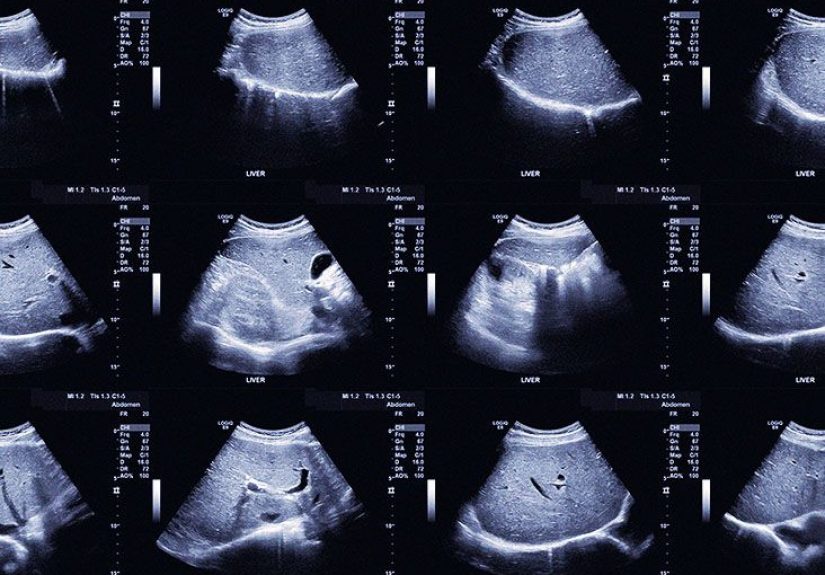
- Abdominal ultrasound at regular intervals (often every 6 months for people at higher risk)
- AFP blood test (alpha-fetoprotein) sometimes added to ultrasound, but not typically used alone
Who is typically considered “high risk” in fatty liver disease?
Most guidelines focus surveillance on people with cirrhosis (from any cause, including fatty liver disease). For fatty liver disease without advanced fibrosis/cirrhosis, routine HCC surveillance is generally not recommended for everyone, because the average annual risk is lower and broad testing can lead to false alarms and unnecessary procedures.
There’s also nuance: large evidence reviews note that demonstrating a clear mortality benefit from population screening is challenging. Still, many liver specialists support surveillance in clearly high-risk groups, aiming to find HCC earlier when more curative options are possible. Translation: surveillance is widely used in practice for people at elevated risk, even as research continues to optimize who benefits most.
Risk assessment before cancer: how doctors estimate scarring in fatty liver disease
Because fibrosis is such a major predictor, many clinicians start by estimating scarring using noninvasive tests. A common first step is a simple blood-test-based score such as FIB-4, which uses age and routine lab values. It’s often used as a “rule-out” tool: a low score can make advanced fibrosis less likely, while higher scores suggest the need for more testing.
If more clarity is needed, additional noninvasive tools may be used, such as transient elastography (often called “FibroScan”) or other imaging-based stiffness measurements. In selected cases, a liver biopsy may be considered, but many people can be risk-stratified without one.
Diagnosis: what happens if something suspicious is found?
If an ultrasound or other test shows a liver lesion, the next steps usually focus on confirming what it is. Liver cancer diagnosis often relies on specialized imagingtypically multiphase CT or MRIbecause liver tumors can show characteristic patterns.
Blood tests like AFP can support the picture, but AFP isn’t perfect: some cancers don’t raise it much, and some noncancerous conditions can raise it. A biopsy may be needed if imaging isn’t definitive, but in certain situations, a diagnosis can be made based on imaging + lab context.
Treatment options: what liver cancer care can look like
Liver cancer treatment depends on two big realities at once: (1) the tumor (size, number, spread) and (2) the liver (how well it still functions, and how much cirrhosis is present). This is why liver cancer care is often multidisciplinaryhepatology, oncology, radiology, surgery, transplant teamseverybody in the group project.
Potentially curative options (when the cancer is found early enough)
- Surgical resection: removing the tumor (best in selected patients with good liver reserve).
- Liver transplant: treats both the cancer and the underlying cirrhosis in appropriate candidates.
- Local ablation: destroying small tumors using heat/cold or other techniques.
Liver-directed therapies (often for intermediate stages)
- Embolization therapies that target blood supply to tumors (examples include chemoembolization or radioembolization).
- Radiation approaches in selected settings.
Systemic therapy (advanced/unresectable HCC)
For more advanced HCC, systemic treatments can include targeted therapies and immunotherapy-based regimens. In recent years, immune checkpoint inhibitor combinations have become important first-line options for many patients with unresectable disease. Treatment selection depends on liver function, bleeding risk, other medical issues, and tumor featuresso it’s not a one-menu-fits-all situation.
Prevention and risk reduction: what actually helps
If you want a single theme, it’s this: improving metabolic health helps the liver, and a healthier liver is less likely to progress to advanced fibrosis and cancer risk. Risk reduction isn’t about perfectionit’s about changing the long-term trajectory.
1) Weight loss (even modest) can make a real difference
For many people with fatty liver disease, gradual weight loss is associated with improvements in liver fat and inflammation. Clinicians commonly discuss targets like losing a meaningful percentage of body weight over time, but the best plan is one that’s safe, sustainable, and medically appropriate for you.
2) Treat the “metabolic squad”: diabetes, blood pressure, lipids
Fatty liver disease often travels with type 2 diabetes, high blood pressure, and abnormal cholesterol/triglycerides. Managing these conditions doesn’t just reduce heart riskit may also reduce liver stress. If you have diabetes, working with your care team to improve glucose control is a liver-friendly move.
3) Be honest about alcohol
Alcohol and fatty liver disease can stack their effects. Even if someone’s fatty liver started from metabolic causes, heavier alcohol use can worsen inflammation and scarring. If you already have liver disease, ask a clinician what level of alcohol (if any) is safe for you.
4) Don’t ignore viral hepatitis and vaccinations
Hepatitis B and C are major causes of liver cancer overall. Testing and treatment for hepatitis C, and vaccination for hepatitis B when appropriate, remain important public-health tools for lowering liver cancer burden.
5) Medications: progress is real, but it’s not magic
Lifestyle remains foundational, but medication options for fatty liver inflammation and fibrosis have expanded. For example, the FDA approved resmetirom (Rezdiffra) for adults with noncirrhotic steatohepatitis and moderate-to-advanced fibrosis, to be used along with diet and exercise. This is aimed at treating the liver disease process (MASH/NASH with fibrosis), which may help reduce progression toward cirrhosis over time. Whether and how much such therapies reduce liver cancer risk long-term is an active area of research.
Putting it together: a practical “what should I do next?” checklist
- If you’ve been told you have fatty liver disease: ask whether you’ve been assessed for fibrosis risk (often using FIB-4 and/or elastography).
- If you have advanced fibrosis or cirrhosis: ask about HCC surveillancewhat test, how often, and where you’ll do it.
- If you have type 2 diabetes or multiple metabolic risk factors: discuss liver evaluation, because high-risk groups are often underdiagnosed.
- If you develop new concerning symptoms: don’t waitget evaluated. Early action beats late regret.
- Build a long game: small sustainable changes in food, movement, sleep, and medical follow-up usually outperform short bursts of intensity.
Conclusion
“Fatty liver cancer” usually means liver cancermost often hepatocellular carcinomathat develops in someone with fatty liver disease, especially when scarring becomes advanced. The good news is that fatty liver disease is often modifiable, and the biggest risk acceleratorsadvanced fibrosis, uncontrolled metabolic disease, and combined liver stressorscan be addressed. The not-so-fun truth is that the liver can stay quiet while damage accumulates, which is why risk assessment and appropriate surveillance matter. If you take one thing away, let it be this: your liver loves boring consistencyregular follow-up, steady health habits, and early attention to risk.
Experiences: what this journey can feel like in real life (and what people wish they’d known)
Talking about “fatty liver cancer” can feel abstract until it touches real routinesdoctor visits, lab results, lifestyle changes, family conversations. Here are common experiences people report while navigating fatty liver disease and liver cancer risk. These aren’t one person’s story; they’re patterns that show up again and again.
The “wait, I have fatty liver?” moment
Many people find out they have fatty liver disease by accidentan ultrasound for something else, slightly elevated liver enzymes, or a routine physical. A typical reaction is confusion mixed with disbelief: “But I don’t drink much,” or “I feel fine,” or “Is this serious?” The emotional whiplash comes from the fact that fatty liver disease can be both common and potentially serious, depending on whether inflammation and scarring are present. What helps most early on is getting clarity on fibrosis riskbecause that’s the difference between “we’ll monitor and improve health habits” and “we need a tighter plan.”
Learning that the liver is a quiet overachiever
People often expect a dramatic symptom to warn themsharp pain, obvious illness, a flashing “Check Engine” light. The liver doesn’t do that. Instead, it compensates. Some describe fatigue that’s easy to blame on school, work, stress, or aging. That’s why education can feel oddly empowering: understanding that silence doesn’t equal safety helps people take follow-up seriously without panicking.
What surveillance feels like: “I’m fine… until I’m waiting for results”
For people with cirrhosis or advanced fibrosis, the rhythm of surveillance can create a strange emotional cycle: relief after a normal scan, then a slow rise of anxiety as the next one approaches. Ultrasounds are quick and painless, but the waiting can be loud. Many people cope by scheduling scans early in the day, asking how and when results will arrive, and building a small “after-scan ritual” (coffee with a friend, a walk, a favorite meal) to keep the day from becoming only about worry.
The lifestyle change reality: small steps beat heroic sprints
When someone hears “lose weight” or “eat healthier,” it can sound like a vague command from the sky. The people who tend to do best are the ones who translate advice into something measurable and livable: swapping sugary drinks for water most days, aiming for consistent protein and fiber, adding a daily walk they actually enjoy, or cooking at home two more nights per week. Progress often looks boringand that’s a compliment. Boring habits are the ones you can keep.
Family dynamics: the diagnosis that becomes a household topic
Fatty liver disease is tightly linked to metabolic health, which often runs in families. In many households, one person’s diagnosis becomes a group wake-up call: more balanced meals at home, fewer ultra-processed snacks, family walks after dinner, and more openness about checking blood sugar or cholesterol. The best versions of these conversations avoid blame and focus on teamworkbecause shame is not an evidence-based treatment.
If cancer enters the picture: the “two battles” feeling
People diagnosed with liver cancer often describe fighting on two fronts: the tumor itself and the underlying liver disease. This is why multidisciplinary care matters so much. Many patients find it reassuring (not overwhelming) when hepatology, oncology, radiology, and surgery teams communicate clearly. It can also help to bring a second set of ears to appointments, keep a running list of questions, and ask doctors to explain the goal of each treatment: cure, control, downstaging for transplant eligibility, symptom relief, or a combination. When the plan has a purpose, it feels less like chaos and more like a strategy.
Above all, many people say the most helpful shift was moving from fear to focus: “What can I do this week that makes my liver’s future easier?” That mindset doesn’t erase risk, but it turns a scary topic into a series of doable actionsand that’s where real progress tends to live.