Table of Contents >> Show >> Hide
- What Is the Umezawa Hinoki Bath Bucket with Handle?
- Why Hinoki Wood Is Such a Big Deal
- What the Handle Actually Changes
- How It Fits Into Japanese Bathing Culture
- Craftsmanship and the Umezawa Difference
- Who This Bath Bucket Is Best For
- How to Care for a Hinoki Bath Bucket
- What Makes It Worth the Price
- Potential Drawbacks to Know Before You Buy
- Experiences Related to the Umezawa Hinoki Bath Bucket with Handle
- Final Thoughts
If your bathroom has been feeling less “peaceful spa retreat” and more “room where shampoo bottles go to argue,” the Umezawa Hinoki Bath Bucket with Handle is the kind of object that can quietly change the mood. It is simple, traditional, and a little luxurious without needing to scream about it. No blinking lights. No app. No “smart” anything. Just a handcrafted wooden bath bucket made from fragrant hinoki cypress, designed to do one job very well: make bathing feel more intentional.
At first glance, it may look like a beautiful little pail with excellent posture. But once you understand what it represents, the appeal makes much more sense. This is not just bathroom décor wearing a fancy Japanese accent. The Umezawa Hinoki Bath Bucket with Handle is rooted in Japanese bathing culture, where washing, rinsing, and soaking are separate parts of the ritual. That difference matters. In a world that treats bathing like a race against the clock, a product like this gently suggests that maybe five extra minutes of calm would not ruin your life.
What Is the Umezawa Hinoki Bath Bucket with Handle?
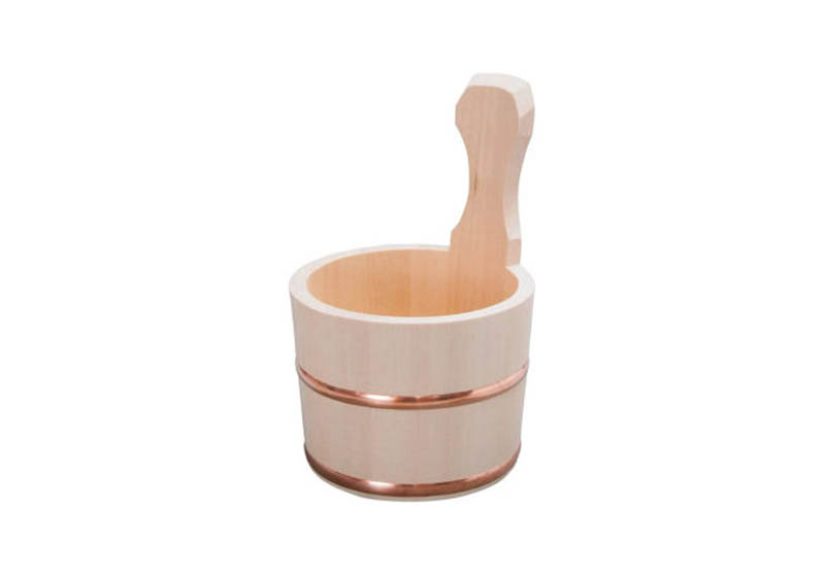
The Umezawa Hinoki Bath Bucket with Handle is a handcrafted Japanese wooden bath bucket made from hinoki, also known as Japanese cypress. Umezawa is a long-running Japanese woodworking company known for shaping practical daily objects from carefully selected wood. This particular bath bucket is made for humid environments like bathrooms, and the version with a handle adds a very practical advantage: it is easier to carry, tilt, pour, and use during a rinse routine.
In plain English, that means it is useful, not just pretty. The handle turns the bucket from a passive container into an active bathing tool. You can fill it, carry warm water to where you need it, rinse off before soaking, or even use it as a small vessel for bath accessories when it is off duty. Umezawa’s handled version is also compact enough to fit into modern bathrooms that do not exactly have the footprint of a luxury ryokan.
What makes this item stand out is not overdesign. It is the opposite. The beauty comes from the wood grain, the handcrafted finish, the gentle shape, and the fact that it feels like it belongs in a real routine. It is the kind of object that makes plastic bath caddies suddenly look like they owe you an apology.
Why Hinoki Wood Is Such a Big Deal
Hinoki is not just “nice wood”
Hinoki has a strong reputation for a reason. Japanese cypress has long been valued for its fine grain, durability, clean appearance, and ability to perform well in wet environments. That is why it shows up in baths, bath mats, stools, and even historic architecture. In other words, hinoki is not an aesthetic afterthought. It is a material with a track record.
For a bath bucket, that matters a lot. Bathrooms are hard on materials. Steam, standing water, temperature swings, and poor ventilation can turn the wrong product into a warped mess. Hinoki is better suited to that reality than many other woods because it is naturally associated with moisture resistance, durability, and a fresh scent that becomes more noticeable when wet. That combination explains why hinoki bath accessories have such staying power.
The scent is part of the experience
Then there is the fragrance. Hinoki has a soft, woodsy, citrus-leaning aroma that people often describe as calming and clean. It does not smell like a department store candle trying too hard. It smells more natural, subtle, and grounding. Some research on hinoki cypress leaf oil has even suggested short-term physiological relaxation effects from the scent, which helps explain why so many people connect hinoki with bath rituals and wellness spaces.
That said, nobody should buy a bath bucket expecting it to solve stress, inbox dread, or the emotional trauma of stepping on a wet bath mat. What it can do is contribute to an environment that feels quieter, warmer, and more restorative. Sometimes that is enough.
What the Handle Actually Changes
The handle is not a small detail. It changes the way the bucket works. A handled bath bucket is easier to lift when full, easier to tip when rinsing, and easier to reposition in a shower or next to a tub. That may sound obvious, but good design often is. The added reach also makes the bucket more comfortable for people who want to pour water without awkwardly gripping the body of the pail.
In practical terms, the handle makes this bucket friendlier for modern users. Not everyone has a built-in wet room or a classic Japanese bathing setup. Many people are adapting ritual-style bathing to standard American bathrooms. The handle helps bridge that gap. It makes the bucket feel accessible, especially for people who want the ritual without needing to redesign their whole home like a boutique spa in Kyoto.
It also adds visual personality. A handled bucket has more sculptural presence than a simple round pail. It looks intentional on a bath stool, next to a tub, or in a corner shelf setup with a folded towel and a bar of good soap. Suddenly your bathroom says, “I make time for myself,” even if you still answer emails while brushing your teeth.
How It Fits Into Japanese Bathing Culture
Rinse first, soak second
One of the most important ideas behind this product is the order of operations. In Japanese bathing culture, the soak is not the cleaning stage. You wash first, rinse thoroughly, and only then enter the bath. That is why buckets, stools, and bathing accessories are so closely tied to the ritual. A bucket like this is part of the transition from cleansing to soaking.
That ritual has a practical side and a mental side. Practically, it keeps the soak water clean. Emotionally, it creates a pause. You do not just tumble into the tub like a distracted otter. You prepare. You slow down. You rinse with intention. The Umezawa Hinoki Bath Bucket with Handle makes sense within that sequence because it supports the quiet, useful actions that happen before the soak itself.
Modern use at home
Even if you do not follow a traditional bathing routine, this bucket still works beautifully in a modern home. It can hold warm water for a pre-soak rinse, help with a bucket bath after a sauna, store washcloths or bath salts, or simply make a small bathroom feel more grounded and curated. It is one of those rare objects that can be both practical and atmospheric without becoming cheesy.
Craftsmanship and the Umezawa Difference
Umezawa’s story adds depth to the product. The company dates back to 1924 and emphasizes hand craftsmanship and what it calls the beauty created by human hands. That matters because a bath bucket like this is not exciting because it is high-tech. It is exciting because someone actually cared while making it. The product descriptions for the handled bucket mention carefully selected straight-grain hinoki and a manually finished surface shaped with hand-planing techniques to improve water resistance and durability.
That type of detail may sound nerdy, but it is exactly the kind of nerdy that makes a difference over time. Straight grain tends to be stronger and more stable. Hand finishing can improve the feel of the surface and the way the wood behaves in use. When you buy a handcrafted bath bucket, that is what you are really paying for: not just the material, but the judgment, restraint, and skill behind it.
Who This Bath Bucket Is Best For
The Umezawa Hinoki Bath Bucket with Handle is a strong fit for several kinds of buyers. First, it is great for people who genuinely enjoy bathing and want their routine to feel more intentional. Second, it suits homeowners or renters who care about natural materials and thoughtful design. Third, it makes sense for anyone building a Japanese-inspired bathroom setup with a stool, bath mat, or soaking tub.
It is also a smart pick for shoppers who are tired of disposable bathroom accessories. Plastic is cheap, but it rarely ages well, visually or emotionally. A hinoki bucket asks for a little more care, yet it offers much more character in return. If you like objects that develop a patina, hold a scent, and quietly improve a room, this bucket will probably make you very happy.
On the other hand, if you want something you can neglect completely, leave in a puddle, and forget behind a shower curtain for weeks, wood may not be your soulmate. This is not difficult care, but it is still care.
How to Care for a Hinoki Bath Bucket
Good news: caring for a hinoki bath bucket is not complicated. Bad news: you do need to act like you own it on purpose. The most important rule is to let it dry properly after use. Keep it in a well-ventilated space, drain excess water, and avoid leaving it sitting wet for long periods. Some retailers specifically recommend resting bath pails upside down after use so water can drain more effectively.
Because wood is a living material, it can change with humidity. That is normal. Grain, tone, and texture may vary from one piece to another, and the wood may expand or contract slightly depending on the environment. That is not a flaw. That is the price of owning something real instead of something injection-molded in a factory that also makes lawn chairs.
You should also avoid harsh cleaners and prolonged direct sunlight. Gentle rinsing, simple wiping, and proper drying do most of the work. If you treat the bucket like a handcrafted object instead of a gym locker, it can age beautifully.
What Makes It Worth the Price
Let us address the obvious question: yes, a handcrafted hinoki bath bucket costs more than a basic plastic bucket. A lot more. But the comparison is not really fair. This is not just a container for water. It is a crafted bath accessory made from a premium material, produced by a company with a long woodworking history, and tied to a deeper bathing tradition. It brings function, atmosphere, scent, and visual warmth into one object.
That makes the value easier to understand. You are not only buying utility. You are buying ritual. You are buying material quality. You are buying a bathroom object that looks better the moment you place it in the room. If you care about those things, the Umezawa Hinoki Bath Bucket with Handle makes a strong case for itself.
Potential Drawbacks to Know Before You Buy
No product deserves a free pass, so here are the realistic trade-offs. First, wood requires maintenance. Second, natural variation means your bucket will not look exactly like every photo online. Third, if you live in a very dry environment or store the bucket carelessly, the wood may change more quickly than you expect. And fourth, this is definitely a “buy once because you want something beautiful” item, not a bargain-bin necessity.
Still, most of those drawbacks are really just the terms of the relationship. If you love natural materials, they will feel reasonable. If you want absolute convenience, you may prefer stainless steel or plastic. But convenience and soul do not always live at the same address.
Experiences Related to the Umezawa Hinoki Bath Bucket with Handle
Using a bucket like this changes the mood of bathing in small but noticeable ways. The first experience people usually mention is the shift in pace. You do not grab it the way you grab a bottle of body wash. You pick it up, fill it, feel the weight of the water, and start moving more deliberately. The handle helps with that. It gives the bucket balance, and suddenly a basic rinse feels less like a rushed chore and more like part of a sequence.
Another common experience is sensory. Warm water hitting hinoki tends to release more of the wood’s natural fragrance, and that can make an ordinary bathroom feel more layered and calm. It is not an overpowering scent bomb. It is softer than that. More like walking into a wooden spa or opening the door to a quiet sauna. For many people, that smell becomes the cue that the workday is over. Laptop closed. Shoulders down. Brain, please stop trying to host a committee meeting.
There is also the tactile side. Plastic bath tools tend to disappear from memory the second you put them down. A hinoki bucket does the opposite. You notice the smoothness of the wood, the slight warmth it develops in a humid room, and the way it feels lighter in the hand than it looks. It has presence. Even when it is sitting empty beside a tub, it contributes something. It makes the room feel edited, not crowded.
For people who enjoy ritual, the bucket often becomes part of a repeatable rhythm. Fill with warm water. Rinse feet and legs. Sit on a stool. Wash thoroughly. Pour one final rinse over the shoulders. Then soak. That sequence can feel surprisingly restorative because it creates a beginning, a middle, and an end. Bathing stops being random. It becomes a practice. Not in an intimidating “I now own twelve crystals” kind of way. Just in a grounded, sensory, human way.
Guests notice it too. A hinoki bath bucket with handle tends to draw comments because it looks both unfamiliar and obviously purposeful. People ask what it is. Then they touch it. Then they say some version of, “Oh wow, this smells amazing.” That is part of the charm. It is useful, but it is also a conversation piece that does not feel loud or gimmicky.
There is also a quieter, longer-term experience that matters just as much: the way the object ages in the room. Over time, a good wooden accessory starts to feel less like a purchase and more like part of the home. The grain becomes familiar. The slight tonal changes make it feel lived with. Instead of looking worn out, it can look settled. That is something mass-market bath accessories almost never achieve.
Perhaps the best experience, though, is the simplest one. At the end of a long day, when the room is warm and the water is ready, lifting a beautifully made bucket full of warm water feels reassuringly analog. No battery. No charger. No password reset. Just wood, water, and a few calm minutes that belong entirely to you. That may not solve everything, but it is an excellent place to start.
Final Thoughts
The Umezawa Hinoki Bath Bucket with Handle is a small object with a surprisingly rich story. It combines Japanese bathing tradition, skilled woodworking, natural material beauty, and real practical use. It is compact, elegant, and rooted in a ritual that values cleanliness, calm, and intention. The handle makes it easier to use in everyday life, while the hinoki wood gives it the fragrance, warmth, and moisture-friendly durability that have made this material so beloved for bath accessories.
If you want a bathroom item that is functional, beautiful, and quietly luxurious, this bucket earns its place. It will not transform your home into a mountainside hot spring retreat overnight. But it will make your bathing routine feel more thoughtful, more sensory, and a lot less forgettable. And honestly, that is pretty impressive for a bucket.