Table of Contents >> Show >> Hide
- What Makes Ukrainian Beet Leaf Rolls Stuffed With Bread So Special?
- Ingredients for the Recipe
- How to Make Ukrainian Beet Leaf Rolls Stuffed With Bread
- Best Tips for Success
- What to Serve With Ukrainian Beet Leaf Rolls
- Why This Recipe Works
- Kitchen Experience: What It Feels Like to Make These Rolls at Home
- Conclusion
- SEO Tags
Yield: 20 to 24 small rolls | Prep time: 35 minutes, plus rising time | Cook time: 40 to 45 minutes
If you have only ever met stuffed rolls in their cabbage-and-rice era, allow me to introduce you to their softer, greener, slightly more mysterious cousin: Ukrainian beet leaf rolls stuffed with bread. These tender little bundles are one of those recipes that feel humble and special at the same time. They look rustic, they smell like a very good weekend, and they deliver the kind of comfort that makes people hover near the baking dish “just to check on them” every seven minutes.
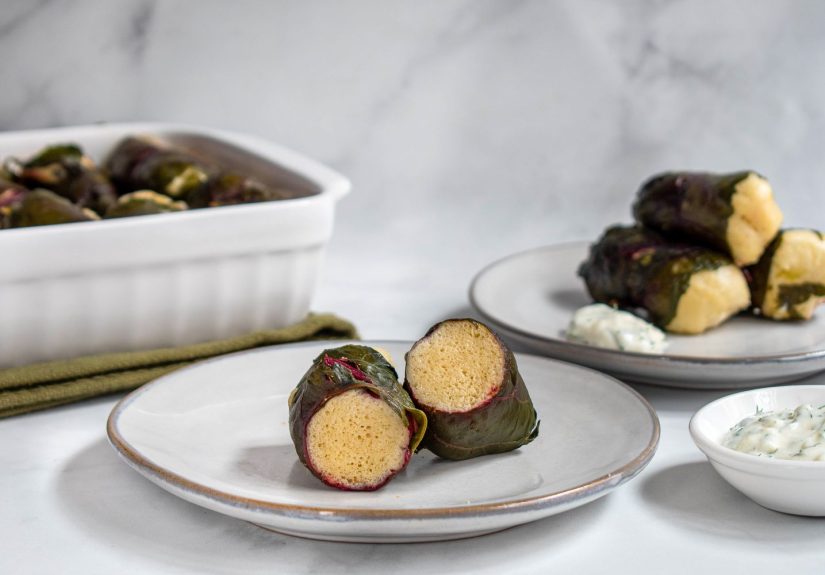
This version is built around a classic idea found in Ukrainian cooking: using beet leaves as the wrapper instead of cabbage, then filling them with soft bread dough rather than the more familiar rice or meat mixture. The result is wonderfully different. Instead of a hearty, grain-packed center, you get a fluffy, pillowy interior wrapped in delicate greens. Add a buttery finish and a creamy dill sauce, and suddenly a simple pan of rolls becomes the sort of dish that disappears faster than your dinner guests can say, “Wait, these are made with beet leaves?”
One reason this recipe works so well is that beet leaves are naturally more tender than cabbage. Young leaves can often be rolled without much fuss, while larger leaves benefit from a quick blanch to make them flexible and easy to shape. That means you can skip the wrestling match that sometimes comes with standard cabbage rolls. No flying leaves. No dramatic sighing. No vegetable-related betrayal.
What Makes Ukrainian Beet Leaf Rolls Stuffed With Bread So Special?
The beauty of this dish is contrast. The beet leaves are earthy, mild, and slightly sweet, while the bread dough bakes up soft and airy. Together, they create a texture that is lighter than stuffed cabbage but still deeply satisfying. The dough absorbs flavor from the butter, pan juices, and sauce, so each bite tastes richer than the ingredient list might suggest.
Another reason cooks love this recipe is flexibility. If your beet leaves are small, you can make petite rolls that are perfect for side dishes or holiday tables. If your leaves are larger, you can make bigger, more dramatic rolls and serve them as the main event with sour cream, potatoes, or a crisp cucumber salad. And if beet leaves are hard to find, the same dough can be used with cabbage leaves. That is not cheating. That is kitchen diplomacy.
This is also a recipe that rewards patience more than technical skill. If you can mix a simple dough, wash greens well, and roll something roughly burrito-shaped, you can make this dish. It is far more forgiving than it looks, which is exactly the kind of culinary energy we should all be inviting into our homes.
Ingredients for the Recipe
For the bread dough filling
- 2 1/4 teaspoons active dry yeast or instant yeast
- 1/2 cup warm water
- 1 cup warm whole milk
- 1 tablespoon granulated sugar
- 3 tablespoons unsalted butter, melted
- 1 large egg
- 1 teaspoon kosher salt
- 3 1/2 to 4 cups all-purpose flour, plus more as needed
For the rolls
- 20 to 24 large beet leaves, washed very well
- 2 tablespoons unsalted butter, melted
- 1 tablespoon olive oil or softened butter for greasing the pan
- 1/4 teaspoon salt
- Freshly ground black pepper, to taste
For the creamy dill sauce
- 2 tablespoons unsalted butter
- 1 tablespoon all-purpose flour
- 1 cup vegetable broth or chicken broth
- 1/2 cup sour cream
- 2 tablespoons chopped fresh dill
- 1 small garlic clove, grated
- Salt and black pepper, to taste
How to Make Ukrainian Beet Leaf Rolls Stuffed With Bread
1. Start with the dough
In a large bowl, combine the warm water, warm milk, and sugar. Sprinkle in the yeast and let it stand for 5 to 10 minutes, until foamy. Stir in the melted butter, egg, and salt. Add 3 1/2 cups of flour and mix until a shaggy dough forms. Knead for 8 to 10 minutes by hand, or 6 to 7 minutes with a dough hook, adding a little more flour only if the dough is unbearably sticky. You want it soft, smooth, and slightly tacky, not stiff.
Transfer the dough to a lightly greased bowl, cover, and let it rise in a warm place until doubled, about 1 to 1 1/2 hours. If you are using instant yeast, the timing may be a bit faster. If your kitchen is chilly, your dough may take longer. Dough has no respect for your calendar.
2. Prepare the beet leaves
Wash the beet leaves thoroughly in a large bowl of cold water, swishing them around to remove any grit hiding in the stems and ridges. Trim the thickest part of the stem and, if necessary, shave down the heavy center rib so the leaves roll more easily.
If the leaves are very young and flexible, you can use them raw. If they are large or slightly tough, blanch them in simmering water for about 15 to 20 seconds, then transfer them to a towel to dry. The goal is not to cook them into sadness. You just want them relaxed and cooperative.
3. Shape the rolls
Grease a 9-by-13-inch baking dish or a medium Dutch oven. Punch down the risen dough and divide it into 20 to 24 pieces. Flatten each piece into a short log or oval. Place one dough piece near the base of a beet leaf, fold in the sides if you can, and roll it up loosely. Loose is important here. The dough still needs room to rise in the leaf and in the oven.
Arrange the rolls seam-side down in the baking dish. Brush the tops lightly with melted butter and season with a tiny bit of salt and pepper. Cover loosely and let the rolls rest for 20 minutes. If you want to know whether they are ready, use the classic poke test: lightly flour your finger and gently press the dough. If the indentation stays, they are good to bake.
4. Bake until tender and puffed
Heat the oven to 350°F. Cover the dish with foil or a lid and bake for 25 minutes. Uncover and bake for another 15 to 20 minutes, until the rolls are puffed, lightly golden in spots, and cooked through. The beet leaves will soften and cling to the dough, while the inside turns wonderfully fluffy.
5. Make the creamy dill sauce
While the rolls bake, melt the butter in a saucepan over medium heat. Stir in the flour and cook for about 1 minute. Slowly whisk in the broth and simmer until lightly thickened. Lower the heat and whisk in the sour cream, dill, and garlic. Season with salt and black pepper. Keep the sauce warm, but do not boil it once the sour cream goes in.
6. Serve warm
Spoon the warm dill sauce over the rolls just before serving, or serve it on the side so everyone can go full drama with the sauce level. A dollop of extra sour cream on top is never a bad idea.
Best Tips for Success
Choose beet bunches with fresh-looking greens. The leaves should look lively, not limp. If you buy beets with beautiful tops attached, separate the roots from the greens when you get home so the leaves stay fresher.
Do not over-flour the dough. A softer dough gives you the tender, pillowy center that makes this recipe memorable. Adding too much flour can make the finished rolls dry and dense.
Roll loosely, not tightly. This is not a gym challenge. The dough expands while it rises and bakes, so a gentle roll gives the bread enough room to puff without tearing the leaf.
Blanch only when needed. Some cooks skip pre-cooking beet leaves entirely, especially when the greens are young and delicate. Others give them a quick blanch for flexibility. Both approaches work. Your leaves get the final vote.
Use frozen bread dough if you need a shortcut. A homemade dough has wonderful flavor, but a good thawed bread dough can absolutely get dinner onto the table faster. Weeknight you deserves that option.
What to Serve With Ukrainian Beet Leaf Rolls
These rolls pair beautifully with foods that balance their softness and richness. A bowl of clear soup or borscht makes a lovely starter. Roasted mushrooms, buttered potatoes, or caramelized onions work beautifully on the side. If you want contrast, add something cool and crisp, like cucumber salad with dill and a little vinegar.
For a more complete meal, serve the rolls alongside roast chicken, baked fish, or a plate of sautéed vegetables. They also fit naturally on a holiday table because they can be made ahead, baked in a casserole dish, and passed around family-style. In other words, they are practical and charming, which is a rare and attractive personality combination in both people and side dishes.
Why This Recipe Works
At first glance, bread wrapped in leaves may sound oddly minimalist. But this recipe is all about texture, aroma, and absorption. The dough steams and bakes inside the leaf, which helps keep it soft. The leaf adds gentle earthiness, and the butter plus dill sauce provide richness and brightness. It is a smart recipe, not a flashy one. It proves that comforting food does not need a mile-long ingredient list to earn a permanent place in your dinner rotation.
It also offers a different way to use beets from root to leaf. Instead of treating the greens as an afterthought, this dish makes them the star wrapper. That root-to-leaf style of cooking feels practical, flavorful, and honestly a little smug in the best possible way. You bought the whole bunch. You might as well let it shine.
Kitchen Experience: What It Feels Like to Make These Rolls at Home
If you have never made Ukrainian beet leaf rolls stuffed with bread before, the first surprise is how calm the whole process feels once you begin. There is something soothing about washing the leaves, lining them up on a towel, and watching the dough come together from a sticky mess into a smooth, springy ball. It is the kind of recipe that slows a kitchen down in a good way. Not fancy-restaurant slow. More like “music on, sleeves rolled up, everybody suddenly interested in what is happening” slow.
The second surprise is how tactile the recipe is. You are not just measuring and stirring. You are touching the dough, feeling whether it is too sticky, gently flattening it, and deciding which leaves are big enough for the larger rolls. You start to understand the rhythm of it. Big leaf, small piece of dough, tuck, roll, place in the pan. Repeat. It becomes almost meditative by the fifth or sixth roll, which is convenient because by the tenth roll you may begin talking to them like tiny green parcels of hope. This is normal. Probably.
The smell is another part of the experience that deserves its own applause. While the dough rises, the kitchen takes on that warm, slightly sweet scent that only yeast can create. Then the earthy freshness of the beet leaves joins in, followed by butter, dill, and the faint tang of sour cream. By the time the dish is in the oven, the entire house smells like someone’s beloved family recipe is happening, even if it is your first time making it.
Then there is the visual payoff. Before baking, the rolls look rustic and almost modest. After baking, they puff up gently, settle into one another, and take on that unmistakable homemade look that says, “Yes, a human made this, and yes, you should absolutely have seconds.” When the warm dill sauce goes over the top, the whole thing changes from simple to irresistible. Suddenly it is no longer a tray of leafy rolls. It is dinner with a story.
What many home cooks love most, though, is how these rolls create conversation. Someone always asks what the filling is. Someone else usually guesses rice and is delightfully wrong. Then comes the moment when everyone learns the center is bread dough, and that is when the table gets very interested. Bread inside leaves sounds unusual until you taste it. After that, it makes perfect sense. The dough is soft, the leaf is tender, and the sauce ties everything together in a way that feels cozy and a little unexpected.
There is also an emotional side to this kind of recipe. It is not fast food, and it is not flashy food. It is make-with-intention food. It belongs to the category of dishes that feel generous, even when the ingredients are simple. You can picture them at a holiday table, at a Sunday family dinner, or in a kitchen where somebody learned the method from a parent, grandparent, neighbor, or handwritten card with mysterious stains on it. Even if you are learning it from scratch, it carries that same energy.
And perhaps that is why this recipe lingers in memory. It is not just because the rolls taste good, though they absolutely do. It is because making them feels like participating in something older than a trend and more personal than a standard dinner. You are rolling dough in greens, baking them until tender, and serving them warm to people you like. That is not just cooking. That is the kind of kitchen experience that sticks with you.
Conclusion
Ukrainian beet leaf rolls stuffed with bread are the kind of recipe that quietly wins people over. They are tender, comforting, and just different enough to feel memorable without being difficult. The beet leaves bring freshness, the bread dough brings softness, and the creamy dill sauce brings everything home. If you want a dish that feels rooted in tradition, practical in the kitchen, and genuinely delicious at the table, this is one worth making again and again.