Table of Contents >> Show >> Hide
- What Is a Carriage Style Garage Door?
- Why a Carriage Door Makeover Is Worth It
- Before You Start: Safety and Planning
- Tools and Materials You Will Need
- Step 1: Clean the Garage Door Like You Mean It
- Step 2: Sand Rough Spots and Remove Loose Paint
- Step 3: Pick the Right Carriage Door Color
- Step 4: Tape, Protect, and Prime
- Step 5: Paint the Garage Door
- Step 6: Plan the Carriage Hardware Layout
- Step 7: Install the Decorative Hinges and Handles
- Step 8: Add Faux Windows or Trim Details
- Step 9: Upgrade the Surrounding Details
- Common Mistakes to Avoid
- Budget-Friendly Carriage Door Makeover Ideas
- Maintenance After the Makeover
- Real-Life Experience: What This Makeover Actually Feels Like
- Conclusion
There comes a moment in every homeowner’s life when they pull into the driveway, stare at the garage door, and think, “Wow, that is a giant beige rectangle of sadness.” The good news? You do not need to replace the whole door, sell the house, or pretend the garage is “minimalist.” With a smart carriage door makeover, a plain garage door can go from builder-basic to charming, cottage-inspired, and suspiciously expensive-looking.
This carriage door tutorial walks you through how to turn an ugly garage door into a stylish carriage-style garage door using paint, decorative hardware, smart layout tricks, and a little weekend determination. The project is budget-friendly, beginner-friendly, and curb-appeal friendly. Your neighbors may slow down. Your mail carrier may nod approvingly. Your garage door may finally stop looking like it gave up in 2007.
What Is a Carriage Style Garage Door?
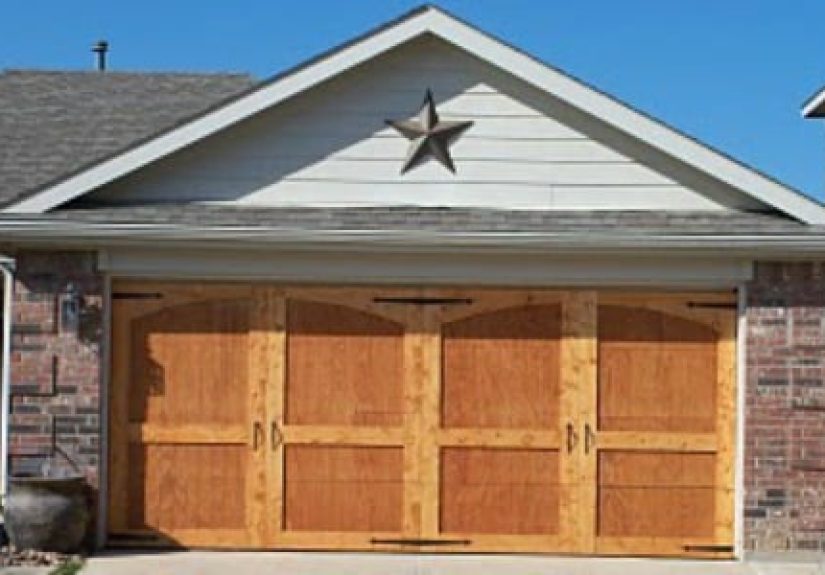
A carriage style garage door is inspired by old carriage house doors that traditionally swung open from the center. Modern carriage-style doors usually operate like regular overhead garage doors, but they mimic the look of old-fashioned swing-out doors with decorative handles, faux hinges, divided panels, trim details, and sometimes window-style accents.
The beauty of this style is that it works on many homes: farmhouse, cottage, Craftsman, colonial, traditional, and even some modern exteriors when the design is kept simple. Instead of replacing your existing garage door, this DIY makeover creates the illusion of a custom carriage door. Think of it as giving your garage a tailored blazer instead of letting it wear a wrinkled hoodie.
Why a Carriage Door Makeover Is Worth It
The garage door is one of the largest visual surfaces on the front of many homes. If it looks faded, dented, dirty, or painfully plain, it can drag down the entire exterior. A carriage door makeover adds architectural detail without the cost of a full replacement.
Main Benefits of a DIY Carriage Garage Door Makeover
First, it improves curb appeal quickly. A fresh paint color and decorative hardware can make the house feel more polished in a single weekend. Second, it is affordable. Magnetic or screw-on carriage hardware kits are widely available, and paint is far cheaper than a new garage door. Third, the project is customizable. You can go rustic, clean, classic, or bold depending on your home’s exterior.
Most importantly, this project does not require messing with garage door springs, tracks, cables, or the opener system. Those parts are not the place for casual DIY heroics. Decorative updates are fair game; mechanical repairs should be left to trained garage door professionals.
Before You Start: Safety and Planning
Before grabbing a paintbrush like a caffeinated home-improvement wizard, inspect the door. Look for rust, peeling paint, warped panels, broken weatherstripping, loose hinges, frayed cables, or opener problems. A cosmetic makeover should not cover up a real repair issue.
If your home was built before 1978, be cautious with sanding or scraping old paint because older painted surfaces may contain lead. In that case, use lead-safe practices and consider hiring a certified professional before disturbing the surface. Also, do not adjust garage door springs or cables yourself. Those parts are under high tension and can be dangerous.
Best Weather for Painting a Garage Door
Choose a mild, dry day. Avoid painting in direct blazing sun, during rain, or when temperatures swing wildly. Paint needs time to bond properly, and extreme heat can make it dry too fast on the surface while staying soft underneath. Ideally, work when the door is shaded and the forecast gives you enough dry time.
Tools and Materials You Will Need
For this carriage door tutorial, you do not need a professional workshop. You need patience, basic tools, and the ability to measure twice before drilling once. That last part is where many DIY dreams go to wobble.
- Exterior cleaner or mild detergent
- Bucket, sponge, and soft scrub brush
- Garden hose
- Painter’s tape
- Drop cloth
- Fine-grit sanding sponge
- Exterior primer, if needed
- High-quality exterior acrylic latex paint
- Paint roller and angled brush
- Decorative carriage door hardware kit
- Measuring tape
- Pencil or removable marker
- Level
- Drill and bits, if using screw-on hardware
- Magnetic hardware, if you prefer a no-drill option
Step 1: Clean the Garage Door Like You Mean It
A beautiful paint job begins with a clean surface. Unfortunately, garage doors collect dust, pollen, spiderwebs, road grime, fingerprints, mystery smudges, and whatever that one stain is that nobody wants to discuss. If you paint over dirt, the paint may peel, bubble, or look uneven.
Mix mild detergent with water and scrub the door from top to bottom. Pay close attention to panel grooves, edges, and corners. Rinse thoroughly with a garden hose and let the surface dry completely. Do not rush this step. Painting a damp garage door is like putting socks on wet feet: technically possible, emotionally wrong.
Step 2: Sand Rough Spots and Remove Loose Paint
Once the door is dry, lightly sand rough areas, chipped paint edges, and glossy spots. The goal is not to strip the entire door unless the existing finish is failing badly. You simply want to create a surface that helps primer and paint stick.
If the door is metal and you find rust, remove loose rust carefully, clean the area, and use a primer designed for metal before painting. If rust has eaten through the panel or the door has structural damage, pause the makeover and call a garage door professional. Paint is magical, but it is not a structural engineer.
Step 3: Pick the Right Carriage Door Color
Color can make or break the makeover. For a classic carriage style garage door, choose a color that works with the house instead of screaming for attention. Warm white, soft black, deep bronze, muted taupe, greige, charcoal, or a wood-look brown can all work beautifully depending on your siding, brick, trim, roof, and front door.
A simple rule: if the garage door already dominates the front of the house, choose a color close to the siding or trim so it blends in elegantly. If the garage sits farther back or your home has strong architectural balance, you can go slightly darker for contrast.
Garage Door Colors to Use Carefully
Bright red, neon blue, candy yellow, and high-gloss jet black can look fun online but harsh in real life. Very dark colors may absorb more heat, especially on metal or vinyl doors in hot climates. Stark white can look crisp, but it also shows dirt quickly. When in doubt, tape paint samples to the door and look at them in morning, afternoon, and evening light.
Step 4: Tape, Protect, and Prime
Use painter’s tape around trim, weatherstripping, windows, handles, and any areas you do not want painted. Put a drop cloth under the door. If your door has windows, cover the glass carefully. If your garage door has an automatic opener, disconnecting the opener while painting may help you control door position safely, but only do this according to the opener manual.
Primer is important when you are changing from a dark color to a light color, painting bare metal, covering stains, or dealing with a surface that has been sanded. Use a primer suitable for your garage door material. Let it dry according to the product directions. Do not treat drying times like friendly suggestions. Paint cans are boring, but they are usually right.
Step 5: Paint the Garage Door
Use an angled brush for grooves, trim details, and edges. Then use a roller for flat sections. Work in manageable areas and follow the natural panel layout of the door. On paneled garage doors, paint recessed areas first, then the raised panels, then the rails and stiles. Keep the coat thin and even.
Most garage doors look better with two thin coats instead of one thick coat. A thick coat can drip, sag, or create a gummy finish. Allow the first coat to dry fully before adding the second. Once the final coat is dry, remove painter’s tape carefully. Congratulations: your garage door has officially stopped looking like it lost a fight with the weather.
Step 6: Plan the Carriage Hardware Layout
Decorative hardware creates the carriage door illusion. The most common pieces are faux strap hinges and center handles. A typical single garage door may use four faux hinges and two handles. A double garage door may use the same arrangement scaled across both sides or centered to mimic two swing-out doors.
Before attaching anything, lay out the hardware with painter’s tape. Stand back from the street or sidewalk and check the proportions. Hardware that looks fine from two feet away can look hilariously tiny from the curb. The goal is balance: not too high, not too low, not crooked, not “installed during a minor earthquake.”
Magnetic vs. Screw-On Garage Door Hardware
Magnetic carriage hardware is great for steel doors because it is removable, easy to reposition, and does not require drilling. Screw-on hardware is more permanent and may feel sturdier, but it requires careful placement and proper fasteners. If your door is aluminum, wood, fiberglass, or composite, check compatibility before buying a kit.
Step 7: Install the Decorative Hinges and Handles
For magnetic hardware, clean the surface first, then place the hinges and handles according to your layout. Use a level and measuring tape to keep everything even. Press firmly and check that the magnets sit flat.
For screw-on hardware, mark pilot holes carefully. Use a center punch if needed to keep the drill bit from wandering on metal. Drill pilot holes according to the hardware instructions, then attach the pieces without overtightening. Overtightening can dent thin metal doors or crack certain materials. Decorative hardware should look strong; it does not need to bench-press the garage.
Step 8: Add Faux Windows or Trim Details
If your garage door has no windows, you can still create a carriage-house look with faux window panels. Some homeowners use magnetic faux window kits, exterior vinyl decals, or carefully painted rectangles near the top row of panels. Keep the shapes symmetrical and consistent with the style of the home.
For a more advanced makeover, you can add lightweight decorative trim to create the look of framed carriage panels. However, be careful not to add heavy materials that interfere with the balance of the garage door. Garage doors are engineered to move with specific weight. If you want major trim additions, ask a garage door professional before changing the load.
Step 9: Upgrade the Surrounding Details
A carriage garage door makeover looks even better when the surrounding area gets a little attention. Replace cracked weatherstripping, clean the driveway, update exterior light fixtures, add planters, or refresh the trim around the garage opening. These small changes make the whole project look intentional instead of “I painted one giant thing and ran out of energy.”
If your garage is attached to the house, also think about insulation and sealing. A better-sealed garage door can reduce drafts, improve comfort, and help protect items stored inside. Weatherstripping along the bottom and sides is a practical upgrade that supports both curb appeal and function.
Common Mistakes to Avoid
Skipping Surface Prep
Paint does not stick well to dirt, chalky residue, grease, rust, or loose old paint. If you skip cleaning and sanding, the door may look good for about three weeks, then begin peeling like a sunburned tourist.
Choosing Hardware That Is Too Small
Garage doors are large, so tiny hardware can disappear. Choose pieces scaled for garage doors, not cabinet doors, barn décor, or craft projects. The hardware should be visible from the curb without looking cartoonishly oversized.
Painting the Door Shut
Paint around panel edges carefully. Open and close the door as recommended after the paint has dried enough, so sections do not stick together. Follow paint directions for cure time before heavy use.
Ignoring the Home’s Architecture
A carriage style garage door should complement the house. Rustic black strap hinges may look great on a farmhouse but strange on an ultra-modern stucco home. Match the level of detail to the home’s personality.
DIY-ing Mechanical Repairs
Decorating is safe for many homeowners. Repairing springs, cables, tracks, and opener systems is a different story. If the door is noisy, crooked, heavy, stuck, or damaged, get it inspected before starting the pretty part.
Budget-Friendly Carriage Door Makeover Ideas
If you are working with a small budget, start with paint and magnetic hardware. That combination delivers the biggest visual change for the least money. Choose a timeless exterior color, add black or bronze decorative hinges, and call it a weekend victory.
For a medium budget, include new exterior lights, fresh garage trim paint, and updated house numbers. For a higher-end look, consider professional refinishing, insulated carriage-style replacement panels, or a new door with real windows and wood-look texture. The DIY version is the appetizer; the full replacement is the steak dinner.
Maintenance After the Makeover
Once your garage door looks fabulous, keep it that way. Wash it a few times a year with mild soap and water. Touch up chips quickly before moisture gets under the paint. Check magnetic hardware after storms or extreme weather. Inspect weatherstripping for cracks. Keep the door tracks clean, but do not lubricate or adjust parts unless the manufacturer recommends it.
Also, step back once in a while and look at the whole exterior. A garage door makeover may inspire you to paint the front door, refresh shutters, plant flowers, or finally remove that mystery bucket from beside the driveway. Home improvement is contagious. Fortunately, this kind does not require a doctor, only a Saturday.
Real-Life Experience: What This Makeover Actually Feels Like
The first thing you notice during an ugly garage door makeover is that the door is much larger than it looks. From the car, it is just “the garage door.” Up close, it becomes a giant moving wall with corners, grooves, dusty edges, and enough surface area to make your paint roller question its career choices. This is normal. Do not panic. Put on music, start at the top, and treat the project like painting several small doors that happen to be attached into one enormous rectangle.
The cleaning stage is usually the least glamorous and the most important. Many homeowners are shocked by how much grime comes off a garage door. The water may run gray. The sponge may become emotionally damaged. But once the door is clean, you can finally see what you are working with. Small dents become visible. Old brush marks show up. The faded color suddenly looks even more tired, as if the door stayed up all night worrying about property values.
Painting brings the big emotional payoff. The first coat may look uneven, especially if you are making a dramatic color change. That is not failure; that is primer and paint doing their awkward first dance. The second coat is where everything starts to look intentional. Suddenly the panels look sharper, the trim looks cleaner, and the house begins to feel more put together. It is the exterior version of combing your hair before a photo.
Hardware placement is where patience saves the day. The best experience is to tape everything in place before committing. Walk to the curb. Look from the driveway. Look from across the street if it is safe. Ask another person to check whether the handles are centered and the hinges line up. This is not because you lack skill. It is because garage doors are optical-illusion machines. A handle that is only half an inch off can look like it is trying to escape.
Magnetic hardware is especially satisfying because the transformation is instant. One minute, the garage door is plain. Five minutes later, it has personality. Screw-on hardware takes more courage because drilling into a garage door feels strangely serious, but careful measuring makes it manageable. The key is to avoid rushing. Rushing is how handles become diagonal, and diagonal handles are how neighbors invent stories.
The best part of the finished project is the moment you pull into the driveway and forget, for a second, that you did it yourself. The house looks warmer. The garage looks designed instead of ignored. Even if the project is not perfect, it feels personal and polished. A carriage door makeover proves that curb appeal does not always require a massive renovation. Sometimes it just needs soap, paint, hardware, and the courage to say, “Ugly garage door, your reign ends today.”
Conclusion
An ugly garage door can make an otherwise lovely home look unfinished, but a carriage door tutorial gives you a practical way to fix that without replacing the entire door. By cleaning thoroughly, choosing the right exterior paint, adding well-scaled decorative hardware, and respecting garage door safety limits, you can create a charming carriage-style garage door that boosts curb appeal and makes the front of your home feel more intentional.
The secret is balance. Do not overdecorate, do not skip prep, and do not choose a color that fights the rest of the house. Keep the look classic, the layout symmetrical, and the mechanical parts untouched unless a professional is involved. With a weekend of work, your garage door can go from “please ignore me” to “yes, I have architectural charm now.”