Table of Contents >> Show >> Hide
- What Does “Tight Bra” Really Mean?
- Common Signs Your Bra Is Too Tight
- 1. Deep Red Marks That Last
- 2. The Band Digs Into Your Rib Cage
- 3. You Feel Short of Breath or Restricted
- 4. Breast Tissue Spills Over the Cups
- 5. The Underwire Pokes, Pinches, or Sits on Breast Tissue
- 6. The Center Gore Floats Away From Your Chest
- 7. Straps Dig Into Your Shoulders
- 8. Your Skin Gets Irritated, Itchy, or Chafed
- 9. You Cannot Wait to Take It Off
- Why Your Bra Feels Too Tight
- How to Fix a Tight Bra
- How to Measure for a Better Bra Fit at Home
- Best Bra Options for Different Needs
- Can a Tight Bra Cause Health Problems?
- When to See a Healthcare Professional
- How to Prevent Tight Bra Problems
- Personal Experiences: What Tight Bras Feel Like in Real Life
- Conclusion
A tight bra has a sneaky talent: it can look innocent in the drawer, behave politely for the first ten minutes, and then spend the rest of the day acting like a tiny upholstered cage. If you have ever unclasped your bra at the end of the day and felt like you just released a hostage situation, your bra may not be doing its job.
The good news is that bra discomfort is common, fixable, and usually not a mystery once you know what to look for. A well-fitting bra should support your breasts, stay in place, allow comfortable movement, and not make you think about it every 14 seconds. A tight bra, on the other hand, may leave red marks, dig into your ribs, squeeze breast tissue, irritate your skin, or make you feel like taking a deep breath requires a permission slip.
This guide explains the signs of a tight bra, why bras become uncomfortable, how to fix tight bras, when to replace them, and how to choose a better fit for everyday wear, exercise, pregnancy, breastfeeding, sensitive skin, and changing body shapes.
What Does “Tight Bra” Really Mean?
A tight bra is not simply a bra that feels snug. A supportive bra should feel secure around the band because the band provides most of the support. The problem starts when “secure” turns into “squeezing,” “digging,” “pinching,” or “counting down the minutes until freedom.”
Fit issues can come from the band, cups, straps, underwire, fabric, hook setting, or even the wrong bra style for your breast shape. Sometimes the band is truly too small. Other times, the cups are too small, which pushes breast tissue outward and makes the entire bra feel tighter than it actually is. In bra language, this is the plot twist: the band may not be the villain; the cups may be framing it.
Common Signs Your Bra Is Too Tight
1. Deep Red Marks That Last
Light marks from clothing can happen, especially after a long day. But if your bra leaves deep red grooves on your shoulders, ribs, back, or under your breasts, it is likely applying too much pressure. Marks that are painful, itchy, raised, or slow to fade are especially worth noticing.
2. The Band Digs Into Your Rib Cage
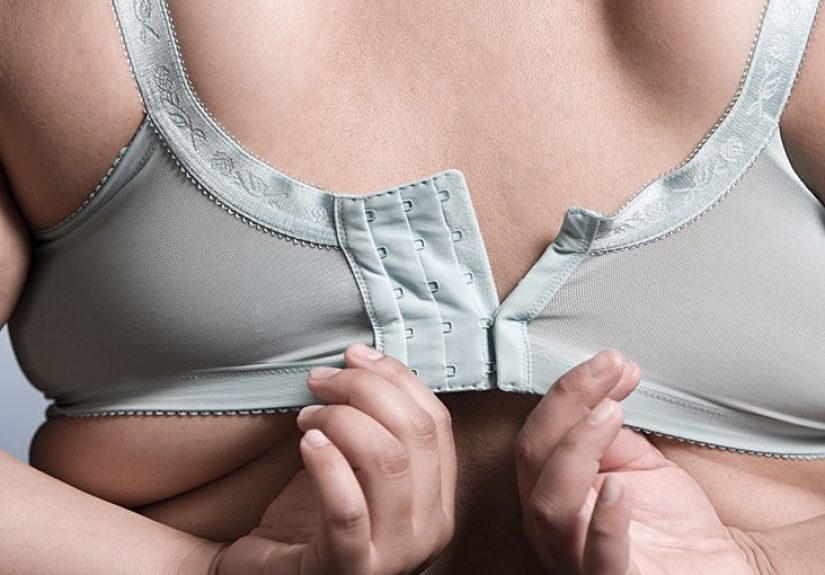
The bra band should sit level around your body and feel firm but comfortable. If it digs into your ribs, creates bulging, or makes you feel squeezed when sitting, bending, or breathing, the band may be too tight or the style may not match your torso shape.
3. You Feel Short of Breath or Restricted
A bra should not make breathing feel difficult. This is especially important with sports bras, which are designed to reduce breast movement but should not crush the rib cage. If you feel restricted during exercise, try a less compressive style, a different size, or an encapsulation sports bra that supports each breast separately instead of flattening everything with maximum enthusiasm.
4. Breast Tissue Spills Over the Cups
Spillage at the top, sides, or underarms often means the cups are too small or too shallow. Many people assume overflow means the band is tight, but small cups can push tissue outward and create pressure everywhere. If your bra gives you “quad-boob,” side bulges, or underarm squeezing, it is asking for retirement or at least a size reassessment.
5. The Underwire Pokes, Pinches, or Sits on Breast Tissue
Underwire should rest against the rib cage, not on top of breast tissue. If the wire pokes your armpit, presses into your sternum, or digs underneath the breast, the cup size, cup shape, or wire width may be wrong. A properly fitted underwire should feel supportive, not like office furniture with an agenda.
6. The Center Gore Floats Away From Your Chest
The center gore is the piece between the cups. In many underwire bras, it should lie flat against the sternum. If it floats, the cups may be too small, too shallow, or the style may not suit your breast shape. This can make the whole bra feel tight even when the band size seems correct.
7. Straps Dig Into Your Shoulders
Bra straps should help stabilize the cups, but they should not carry the entire workload. If the straps are digging in, your band may be too loose, your cups may be too small, or you may need a style with wider straps and stronger band support. Shoulder grooves are not a personality trait; they are a fit clue.
8. Your Skin Gets Irritated, Itchy, or Chafed
Tight bras can trap sweat and increase friction. This may lead to chafing, heat rash, contact irritation, or breakouts under the band, between the breasts, or near the straps. Sensitive skin may also react to dyes, elastic, rough seams, lace, metal components, or detergent residue.
9. You Cannot Wait to Take It Off
Comfort is data. If you constantly adjust your bra, pull the band down, move the straps, scoop tissue back in, or fantasize about unclasping it before lunch, something is wrong. A good bra should support you quietly, like a dependable friendnot announce itself like a marching band.
Why Your Bra Feels Too Tight
Your Size Has Changed
Bra size is not permanent. Weight changes, hormonal shifts, pregnancy, breastfeeding, menopause, exercise habits, medications, and aging can all affect breast volume and shape. Even a small body change can make a once-perfect bra feel suddenly rude.
The Bra Has Worn Out
Elastic stretches over time. Cups lose structure. Wires bend. Bands become uneven. A bra that once fit beautifully may start riding up, digging in, or failing to support. If your favorite bra has survived three apartments, two hair colors, and a questionable ex, it may deserve a respectful goodbye.
You Are Wearing It on the Wrong Hook
A new bra should usually fit on the loosest hook so you can tighten it as the elastic stretches. If a new bra only feels supportive on the tightest hook, it may wear out faster. If an older bra is still too tight on the loosest hook, the band may be too small or the style may not be right for you.
The Cup Shape Does Not Match Your Breast Shape
Two people can wear the same size and need completely different bras. Some breasts are fuller on top, fuller on bottom, wide-set, close-set, shallow, projected, asymmetrical, or softer in tissue. Molded T-shirt bras may gap on some shapes and squeeze others. A plunge, balconette, full-coverage, wireless, or stretch-lace cup may fit better depending on your body.
The Sports Bra Is Too Compressive
Sports bras often rely on compression, encapsulation, or both. Compression bras press breast tissue against the chest. Encapsulation bras use separate cups. High-impact support is useful, but too much compression can feel restrictive, especially during running, HIIT, or long workouts. The goal is bounce control without rib-cage punishment.
How to Fix a Tight Bra
Start With the Band Test
Put the bra on using the loosest comfortable hook. The band should sit level around your torso, parallel to the floor. You should be able to slide one or two fingers under it with gentle resistance. If you can barely get a finger underneath, it is too tight. If it rides up your back, it may be too loose or stretched out.
Check the Cups Before Blaming the Band
If the band feels tight, try the bra on upside down and backward, with the cups hanging down your back. This removes the cups from the equation. If the band suddenly feels comfortable, the cups are likely too small or the wrong shape. If the band still feels painfully tight, try a larger band size.
Try Sister Sizing
Sister sizes keep a similar cup volume while changing the band. For example, if a 34C band feels too tight, you might try a 36B. If a 36B band feels too loose, you might try a 34C. Sister sizing is not magic, but it is a useful fitting tool when you are close to the right size and need a more comfortable balance.
Adjust the Straps Correctly
Straps should be snug enough to stay in place but not so tight that they dig. After adjusting, slide two fingers under each strap. If you cannot, loosen them. If your straps keep slipping even after adjustment, the cups may be too large, the band may be too loose, or the strap placement may not suit your shoulders.
Use a Bra Extender Carefully
A bra extender can help if your band is only slightly tight, especially during bloating, PMS, pregnancy, recovery, or weight fluctuation. However, an extender will not fix cups that are too small, wires that poke, or a style that does not suit your body. Think of it as a short-term comfort hack, not a universal bra pardon.
Switch Styles
If underwire bothers you, try a wireless bra with a strong band and structured cups. If molded cups gape or squeeze, try stretch lace or seamed cups. If straps dig, look for wider straps. If your skin gets irritated, choose breathable, smooth fabrics and avoid scratchy lace, thick seams, or stiff elastic.
How to Measure for a Better Bra Fit at Home
You do not need a boutique spotlight or a measuring-tape ceremony to get a better idea of your size. Wear a non-padded bra or go braless if comfortable. Use a soft measuring tape and keep it level.
Measure Your Band
Wrap the tape around your rib cage directly under your bust. Keep it snug but not tight. Round to the nearest whole number. This gives you a starting point for your band size.
Measure Your Bust
Wrap the tape around the fullest part of your bust. Keep the tape level and relaxed. Do not pull so tightly that breast tissue is compressed.
Calculate Cup Difference
Subtract the band measurement from the bust measurement. A 1-inch difference usually starts around an A cup, 2 inches around a B cup, 3 inches around a C cup, and so on. This is only a starting point because brands, styles, and breast shapes vary.
Try More Than One Size
Bring at least three sizes into the fitting room: your measured size, one sister size up, and one sister size down. Try different styles, not just different numbers. A bra that fits in one brand may feel completely different in another because cup depth, wire width, and fabric stretch all matter.
Best Bra Options for Different Needs
For Everyday Comfort
Look for a smooth band, soft cups, breathable fabric, and enough support for your breast size. A lightly lined T-shirt bra, wireless contour bra, or flexible underwire bra may work well. The best everyday bra is the one you forget you are wearing.
For Large Breasts
Choose a firm band, wider straps, deeper cups, and side support. Full-coverage, seamed, and balconette styles can offer lift without forcing the straps to do all the work. Avoid sizing up only in the band to escape tightness; that can reduce support and increase shoulder strain.
For Exercise
Use a sports bra designed for your activity level. Low-impact bras may work for walking, yoga, or strength training. Running and jumping usually require high-impact support. If you feel squeezed, try encapsulation styles, adjustable bands, adjustable straps, or a larger cup size.
For Sensitive Skin
Choose tagless, seamless, breathable bras with soft fabric. Wash new bras before wearing them. Use fragrance-free detergent if you are prone to irritation. If rash, itching, cracking, or skin breakdown persists, take a break from the irritating bra and consider speaking with a healthcare professional.
For Pregnancy, Breastfeeding, or Hormonal Changes
Breast size can change quickly during pregnancy, nursing, PMS, perimenopause, and menopause. Choose flexible cups, soft bands, and adjustable features. During breastfeeding, support is helpful, but overly tight bras can add pressure and discomfort. Comfort and adjustability matter more than forcing yourself into your old size.
Can a Tight Bra Cause Health Problems?
A tight bra can cause discomfort, skin irritation, chafing, pressure marks, shoulder pain, rib discomfort, and breast tenderness. During exercise, an overly restrictive sports bra may make breathing feel less efficient. An ill-fitting bra can also make existing breast pain worse, especially if the cups compress tender tissue or the band rubs sensitive skin.
However, it is important to separate real discomfort from scary myths. Wearing a bra, including an underwire bra, has not been shown to cause breast cancer. If your bra hurts, fix the fit because you deserve comfortnot because you need to fear your lingerie drawer.
When to See a Healthcare Professional
Most bra-related discomfort improves when you change size, style, fabric, or support level. But some symptoms should not be blamed on a tight bra without checking further. Contact a healthcare professional if you have breast pain lasting more than two weeks, a new lump, nipple discharge, skin dimpling, sudden swelling, warmth, fever, a rash that spreads, open sores, or pain that does not improve after removing the bra.
Also seek medical advice if one breast changes noticeably in size or shape, if pain is severe, or if you are breastfeeding and develop redness, flu-like symptoms, or intense breast tenderness. A bra may be part of the discomfort, but it should not become a convenient excuse to ignore symptoms that need care.
How to Prevent Tight Bra Problems
Recheck Your Size Every 6 to 12 Months
Your body changes. Your bras age. Your favorite size may not remain your best size forever. Rechecking your fit twice a year can prevent months of unnecessary discomfort.
Rotate Your Bras
Wearing the same bra every day wears out the elastic faster. Rotate several bras and let each one rest between wears. Yes, your bra apparently needs downtime too. Relatable.
Wash Bras Gently
Hand washing is ideal, but if you use a machine, place bras in a lingerie bag, use a gentle cycle, and air dry. Heat from the dryer can damage elastic and shorten the life of the bra.
Replace Bras That No Longer Support You
If the band is stretched, cups are warped, wires are bent, hooks are damaged, or the bra only works on the tightest setting, it may be time to replace it. A tired bra cannot provide fresh support.
Prioritize Fit Over the Number on the Tag
Bra sizing is inconsistent across brands. Do not get emotionally attached to one number and letter combination. The best size is the size that fits your body in that specific bra. The tag is not your identity; it is merely a suggestion printed by a company that may or may not understand your rib cage.
Personal Experiences: What Tight Bras Feel Like in Real Life
Many people do not realize their bra is too tight until they experience the dramatic relief of taking it off. One common experience is the “after-work exhale.” You come home, unclasp the bra, and suddenly your shoulders drop, your ribs expand, and your mood improves by at least 37 percent. That moment is funny, but it is also information. Clothing should not feel like a daily endurance test.
Another familiar situation happens during shopping. You try on your usual size, notice the cups look smooth under a shirt, and assume everything is fine. Then, after wearing it for a full day, the underwire starts pressing into your ribs, the band leaves marks, and the straps dig into your shoulders. This is why a good fitting-room test should include movement. Sit down, lift your arms, twist gently, take a deep breath, and bend forward. If the bra only behaves while you stand like a department-store mannequin, it is not ready for real life.
Some people discover that their “tight bra problem” is actually a cup problem. The band feels unbearable, so they keep buying larger bands. But larger bands ride up and offer less support, causing the straps to work harder. The real fix may be going up in cup size while keeping the band supportive. This can feel surprising because cup letters carry a lot of emotional baggage. But cup size is relative to band size, and going up a cup is not a personality change. It is just geometry with padding.
Sports bras bring their own lessons. A high-impact sports bra may feel secure at first, but if it restricts breathing during running or leaves bruised-feeling ribs afterward, it may be too compressive. Some people do better with adjustable sports bras, separate cups, or a slightly different band-and-cup combination. The goal is not to flatten the chest into silence; the goal is controlled support that lets you move, breathe, and finish your workout without negotiating with your underband.
Sensitive skin can make bra fit even more personal. A technically correct size may still irritate if the fabric is rough, the elastic is stiff, or the seams rub in exactly the wrong place. In that case, the solution may be a soft wireless bra, a seamless style, breathable cotton lining, or a different detergent. Comfort is not only about measurements; it is also about materials, skin sensitivity, temperature, sweat, and daily routine.
The biggest lesson from real-life bra frustration is that you do not have to “break in” pain. Shoes may need a short adjustment period; bras should not require a survival strategy. A new bra can feel firm, but it should not stab, squeeze, numb, chafe, or make you dread wearing it. If you are constantly aware of your bra, your bra is being too loud. The best fit supports your body and then politely disappears from your thoughts.
Conclusion
A tight bra can cause red marks, skin irritation, breast spillage, rib pressure, shoulder grooves, underwire pain, and all-day discomfort. The fix may be as simple as loosening the band, adjusting the straps, trying a sister size, choosing a different cup shape, or replacing an old bra. In other cases, a professional fitting or a different stylesuch as wireless, full-coverage, seamed, breathable, or adjustable sports supportcan make a major difference.
Most importantly, your bra should work for your body, not the other way around. If it supports you comfortably, stays in place, and lets you breathe, move, and live your life without constant adjusting, congratulations: you have found a keeper. If not, your next better-fitting bra is out there, probably waiting patiently in a drawer, looking innocent, and hopefully behaving better than the last one.