Table of Contents >> Show >> Hide
- What Is Thomas Hoof's Porcelain Ceiling Mounted Fitting?
- Why Porcelain Works So Well for a Ceiling Light Fitting
- The Beauty of Minimalist Lighting
- Where This Porcelain Ceiling Light Fits Best
- Understanding the E27 Socket
- IP20 Rating: What It Means in Real Life
- Choosing the Right Bulb
- How to Style Thomas Hoof's Porcelain Ceiling Mounted Fitting
- Installation and Safety Considerations
- Pros and Cons
- Real-World Experience: Living With a Porcelain Ceiling Mounted Fitting
- Conclusion
Some lights enter a room like they are auditioning for Broadway. Others simply do their job, quietly, beautifully, and without demanding a standing ovation. Thomas Hoof’s Porcelain Ceiling Mounted Fitting belongs to the second group. It is small, honest, practical, and almost stubbornly simple. And that is exactly why design lovers keep noticing it.
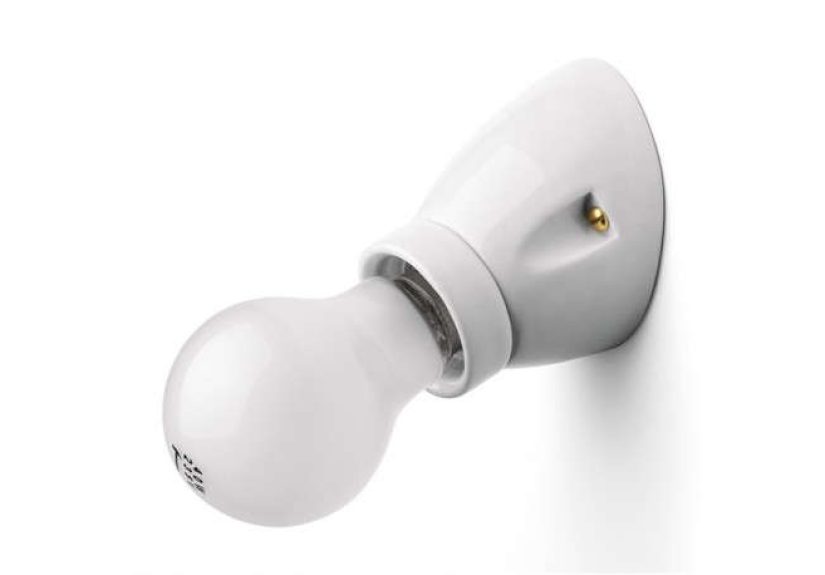
This porcelain ceiling mounted fitting is the kind of fixture that makes you rethink what “basic” means. At first glance, it looks like a modest ceiling light socket. Look again, and it becomes a lesson in material honesty, functional design, vintage utility, and minimalist lighting. It does not hide behind a decorative shade or a dramatic metal cage. It lets the porcelain body, exposed bulb, and clean ceiling-mounted profile do the talking.
Originally listed by Remodelista with SCP as the retailer and Thomas Hoof as the designer, the fitting was described as a porcelain ceiling light with an E27 socket, IP20 rating, a maximum wattage of 75 watts, and compact dimensions of approximately 6.5 cm wide, 7.5 cm deep, and 8 cm high. In other words: tiny footprint, big design personality. Think of it as the espresso shot of ceiling lights.
What Is Thomas Hoof’s Porcelain Ceiling Mounted Fitting?
Thomas Hoof’s Porcelain Ceiling Mounted Fitting is a ceiling-mounted light fitting made from porcelain. It is designed to sit close to the ceiling and hold a screw-base bulb, creating a direct, stripped-back lighting effect. Unlike a chandelier, pendant, or large flush mount fixture, this piece is not trying to become the room’s centerpiece. It is more like a well-cut white shirt: simple, dependable, and surprisingly stylish when used correctly.
The design follows a long tradition of utilitarian porcelain lighting. Porcelain sockets have appeared in workshops, utility rooms, kitchens, pantries, hallways, and industrial spaces for generations. Thomas Hoof’s version elevates that practical language without making it fussy. It keeps the form minimal, the material visible, and the purpose obvious.
Key Product Characteristics
The fitting is best understood through its essential features:
- Material: porcelain
- Mounting style: ceiling mounted
- Socket: E27 fitting
- IP rating: IP20
- Maximum wattage: 75 watts
- Bulb: not included
- Design language: minimalist, vintage, utilitarian, industrial-inspired
These specifications make the fixture especially interesting for people who like practical design with character. It is not ornate. It is not trendy in the “will look dated by next Tuesday” sense. It is a small architectural detail that becomes more appealing the longer you live with it.
Why Porcelain Works So Well for a Ceiling Light Fitting
Porcelain is not just pretty white ceramic with good manners. It is a high-fired ceramic material known for hardness, density, and a smooth surface. Traditional porcelain bodies are commonly associated with kaolin, silica, feldspar, and controlled firing. That may sound like a ceramics class sneaking into your lighting article, but it matters.
In lighting, porcelain offers several practical advantages. It feels clean and timeless. It resists the visual aging that can make cheaper plastic fittings look tired. It also connects with older electrical fittings, laboratory fixtures, utility lighting, and classic European hardware. The result is a ceiling light that feels both humble and refined.
Porcelain also has a tactile quality that metal or plastic cannot fully imitate. It catches light softly. It looks crisp against white ceilings. It contrasts beautifully with warm wood, limewash walls, exposed brick, painted beadboard, and handmade tile. If a room has texture, porcelain usually knows how to behave around it.
The Beauty of Minimalist Lighting
Minimalist lighting succeeds when it removes clutter without removing warmth. That is the trick. A room can be simple and still feel human. Thomas Hoof’s Porcelain Ceiling Mounted Fitting works because it does not decorate the ceiling so much as clarify it.
In a small hallway, it can provide a neat overhead point of light without lowering the ceiling visually. In a pantry, it can feel intentional rather than forgotten. In a mudroom, it can add a utility-room charm that says, “Yes, boots live here, but they live here stylishly.” In a cottage kitchen or converted loft, it can reinforce the architecture instead of fighting it.
This is where the fitting earns its place in modern interiors. It suits several styles without pretending to be all things to all people:
- Industrial interiors: pairs well with exposed conduit, concrete, brick, and steel shelving.
- Scandinavian spaces: supports pale woods, white walls, and practical simplicity.
- Farmhouse kitchens: adds a clean utility note without fake rustic drama.
- Vintage-inspired homes: feels period-appropriate without becoming a museum prop.
- Minimalist apartments: gives overhead lighting a purposefully quiet profile.
Where This Porcelain Ceiling Light Fits Best
A porcelain ceiling mounted fitting is not the best answer for every room. That is not a flaw; that is good design being honest. This fixture works best in spaces where low-profile lighting, simplicity, and functional character are more important than dramatic decorative impact.
Hallways and Entry Spaces
Hallways often get terrible lighting. They are either ignored completely or punished with bulky fixtures that make the ceiling feel lower than it is. A small porcelain ceiling fitting can solve that problem elegantly. It provides a compact overhead light source while keeping the passage visually open.
For narrow corridors, a row of simple porcelain fittings can look especially sharp. Instead of one lonely ceiling light trying to illuminate everything like a tired lighthouse, several small fittings can create rhythm and balance.
Kitchens and Pantries
In kitchens, Thomas Hoof’s Porcelain Ceiling Mounted Fitting works best as supporting light rather than the only light source. It can be charming above a sink, in a pantry, near open shelving, or in a small breakfast nook. Pair it with under-cabinet lighting, wall sconces, or pendants over a work surface for a layered lighting plan.
The exposed-bulb style also allows the bulb choice to become part of the design. A clear globe bulb gives a sharper industrial effect. A frosted LED bulb softens glare. A warm white bulb brings a cozy café mood, minus the overpriced muffin.
Bedrooms and Small Rooms
For bedrooms, this fitting works best when the rest of the lighting plan includes lamps or sconces. A single bare ceiling bulb can feel too stark if used alone. But when paired with bedside lamps, it becomes a useful overhead layer for cleaning, sorting laundry, or finding the sock that somehow entered another dimension.
Utility Rooms, Closets, and Mudrooms
This is the fixture’s natural habitat. Porcelain ceiling lights have long been associated with practical spaces, and Thomas Hoof’s version honors that heritage. In a laundry room, utility closet, basement landing, or mudroom, it looks purposeful and durable. It is the opposite of overdesigned.
Understanding the E27 Socket
One important detail is the E27 socket. E27 is a common Edison screw base used in many regions outside North America. In the United States, the common household screw base is often E26. The two look very similar, and in some cases bulbs may physically fit, but that does not automatically mean a fixture is appropriate for every electrical system.
For American homeowners, this matters. Before buying or installing an imported E27 porcelain ceiling light fitting, confirm voltage compatibility, bulb compatibility, listing or certification status, and local electrical code requirements. A fixture that looks simple is still an electrical product. Electricity, as charming as it is when powering a warm bulb, has no sense of humor when installed incorrectly.
IP20 Rating: What It Means in Real Life
The product listing describes the fitting as IP20. In plain English, that means it is generally intended for dry indoor environments and not designed for wet exposure. It is not the fixture you casually install in a shower, outdoors under heavy rain, or in a steam-heavy bathroom zone without checking code and safety requirements.
For bathrooms, laundry areas, covered porches, or damp spaces, choose a fixture with an appropriate damp or wet rating. If you love the Thomas Hoof look, you can still use the design as inspiration: porcelain, compact shape, utility charm, and clean lines. Just match the actual product rating to the actual location.
Choosing the Right Bulb
Because the bulb is visible, bulb choice is not a minor detail. It is half the outfit. With an exposed porcelain ceiling fitting, the wrong bulb can make the fixture look harsh or unfinished. The right bulb makes it sing.
Warm White LED Bulbs
For most living spaces, a warm white LED bulb is the safest choice visually. Look for a color temperature around 2700K to 3000K if you want a warm, inviting glow. This is especially useful in bedrooms, hallways, and kitchens where comfort matters.
Frosted Bulbs
A frosted bulb helps reduce glare. Since this type of ceiling mounted fitting often leaves the bulb exposed, glare control matters. A frosted globe or frosted A-shape bulb can make the light easier on the eyes while preserving the minimalist look.
Clear Bulbs
Clear bulbs offer a more vintage-industrial effect. They can look beautiful, especially with decorative filaments, but they may create sharper shadows. Use them where atmosphere matters more than task lighting.
Energy Efficiency
LED bulbs are generally the smart modern choice. They use far less energy than traditional incandescent bulbs and last much longer. A fixture with a 75-watt maximum rating does not require you to use a 75-watt incandescent bulb. In many cases, an LED bulb can provide the light output you need while using much lower wattage.
How to Style Thomas Hoof’s Porcelain Ceiling Mounted Fitting
The secret to styling this fixture is restraint. Do not force it into a glamorous room and expect it to behave like a crystal chandelier. Let it do what it does best: add functional, architectural simplicity.
Pair It with Natural Materials
Porcelain looks excellent with wood, stone, linen, brass, iron, and handmade tile. A white porcelain fitting against a plaster ceiling can feel quiet and traditional. Against dark paint, it becomes graphic and modern. Against raw wood, it feels warm and workshop-like.
Use Repetition
One fitting is useful. Three fittings in a line can be beautiful. Repetition turns a simple object into a design strategy. In a long hallway, pantry wall, or small commercial interior, multiple porcelain ceiling mounted fittings create rhythm without visual clutter.
Let the Bulb Shape Matter
Try a round globe bulb for softness, a tubular bulb for a more technical look, or a classic A-shape bulb for everyday practicality. The fixture is simple enough that the bulb can change the personality dramatically. It is basically the lighting equivalent of changing shoes.
Installation and Safety Considerations
Even the simplest ceiling light should be installed safely. If you are replacing a fixture, confirm that the electrical box is properly mounted, the wiring is suitable, and the circuit is turned off before work begins. If there is any doubt, hire a qualified electrician. This is especially important with imported fittings, older homes, unfamiliar wiring, or any fixture that has not been clearly listed for your region.
In the United States, many homeowners look for UL, ETL, or other recognized safety marks when buying light fixtures. A beautiful porcelain fitting is not automatically ready for every market simply because it looks sturdy. Check documentation before installation.
Pros and Cons
Pros
- Timeless minimalist design
- Durable porcelain material
- Compact ceiling-mounted profile
- Works well in low-ceiling areas
- Pairs beautifully with warm LED bulbs
- Strong vintage-industrial character
Cons
- Exposed bulb may cause glare if the wrong bulb is used
- IP20 rating limits use in damp or wet spaces
- E27 socket may require extra compatibility checks for U.S. homes
- Minimal look may feel too plain for highly decorative rooms
- Imported fixtures may need verification for local electrical standards
Real-World Experience: Living With a Porcelain Ceiling Mounted Fitting
The first thing you notice after installing a porcelain ceiling mounted fitting is how little space it takes up. That sounds obvious, but it changes the room. A bulky fixture announces itself every time you walk in. A porcelain fitting simply sits there, crisp and quiet, like it has always belonged. In a small hallway, that can make the ceiling feel higher and the walls feel less crowded.
The second thing you notice is how important the bulb becomes. I have seen this style look cold with a harsh clear bulb and instantly better with a warm frosted LED. The fixture itself is neutral, which means the bulb controls much of the mood. A globe bulb can make it feel intentional and design-forward. A standard warm white bulb can make it practical and modest. A decorative filament bulb can look charming, but only if the light is not shining directly into your eyes every time you pass under it.
In a kitchen, the fitting works best when it is not asked to do all the work. Put it above a sink, pantry doorway, or small prep zone, and it adds character. Ask it to light an entire large kitchen by itself, and it may look like it is quietly filing a complaint. Layer it with under-cabinet lighting or wall lights, and suddenly the whole space feels more considered.
In older homes, the porcelain finish can be especially satisfying. It looks right with painted trim, simple doors, old pine floors, subway tile, and beadboard ceilings. It has that “useful object” charm that old houses love. But it also works in newer homes because its shape is so restrained. It does not fake history; it simply borrows the logic of older hardware.
Cleaning is refreshingly easy. There are no dangling crystals, fabric shades, or tiny decorative crevices where dust goes to start a family. A gentle wipe keeps the porcelain looking fresh. The bulb, of course, may need occasional dusting, especially in kitchens or utility rooms where airborne grease and lint can collect.
The biggest lesson is this: Thomas Hoof’s Porcelain Ceiling Mounted Fitting is not for someone who wants a showpiece. It is for someone who appreciates proportion, material, and restraint. It is for the person who notices cabinet hinges, door latches, handmade tile edges, and the satisfying click of a good switch. It rewards people who believe small details can make a room feel finished.
After living with this kind of fixture, other ceiling lights can start to feel overcomplicated. The porcelain fitting reminds you that design does not always need a dramatic gesture. Sometimes the best object is the one that quietly solves the problem and looks good doing it.
Conclusion
Thomas Hoof’s Porcelain Ceiling Mounted Fitting proves that a ceiling light does not need to be large, shiny, or expensive-looking to be memorable. Its appeal comes from proportion, material honesty, and practical beauty. The porcelain body gives it permanence. The compact ceiling-mounted form makes it useful in tight spaces. The exposed bulb invites customization. The minimalist design lets it work across vintage, industrial, Scandinavian, farmhouse, and modern interiors.
For U.S. homeowners, the most important advice is to admire the design while checking the details. Confirm socket compatibility, voltage, certification, IP rating, bulb choice, and installation requirements before bringing any imported fixture into a project. When chosen carefully and installed correctly, this porcelain ceiling light can turn an overlooked ceiling spot into a small but satisfying design moment.
It is not a loud fixture. It will not compete with art, furniture, or architectural details. But that is the point. Like good hardware, good tile, and good lighting switches, it earns attention through usefulness. And in a world full of overdesigned objects, that kind of quiet confidence feels wonderfully bright.