Table of Contents >> Show >> Hide
- Meet the LG Tiiun: A Mini Greenhouse Disguised as an Appliance
- Why Futuristic Indoor Gardening Appliances Are Suddenly Everywhere
- LG Tiiun vs. Other Smart Indoor Gardens
- Who Is the LG Tiiun For?
- How to Get the Most from a Futuristic Indoor Garden
- Real-World Experiences with Futuristic Indoor Gardens
- Conclusion
If you’ve ever tried to grow basil on a windowsill and ended up with a crispy twig instead of fragrant leaves, the idea of a
“futuristic indoor gardening appliance” probably sounds like a dream. That’s exactly the promise behind the LG Tiiun, the
sleek mini greenhouse that Bob Vila’s team dubbed an indoor gardening must-have: a climate-controlled cabinet that looks
like a stylish mini fridge, but quietly grows your salad.
Indoor gardening has come a long way from a clay pot and a sunny window. Today’s smart garden systems can automate lighting,
watering, and even plant nutrition, turning city apartments and dimly lit kitchens into year-round micro farms. From vertical
hydroponic towers like Gardyn and large-format AeroGarden systems to compact herb gardens tested by Good Housekeeping,
Better Homes & Gardens, and other U.S. outlets, the market is full of techy ways to grow fresh food at home.
The LG Tiiun stands out in that crowd for one simple reason: it takes everything we expect from a modern applianceprecise
controls, intuitive apps, and sleek designand applies it to gardening. Think of it as a refrigerator that swapped frozen
pizza for living lettuce.
Meet the LG Tiiun: A Mini Greenhouse Disguised as an Appliance
A greenhouse that lives next to your couch
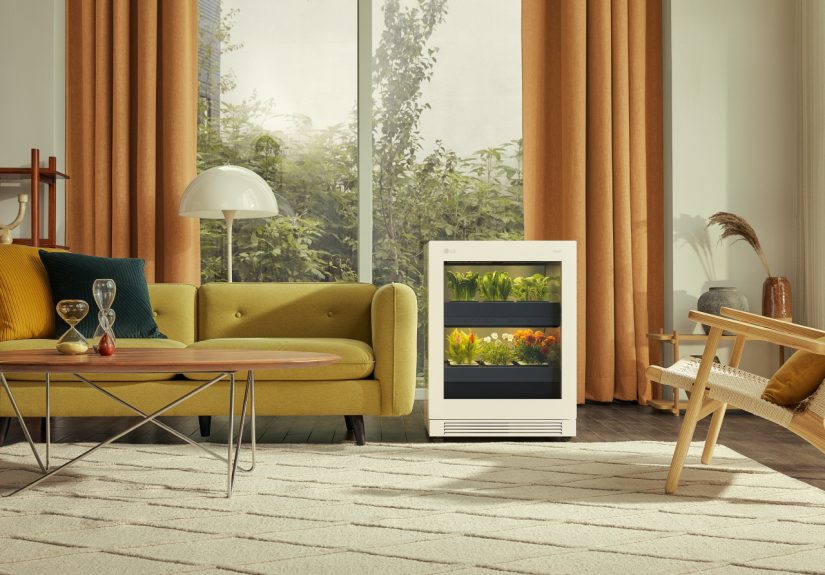
The LG Tiiun (its name means “to sprout” in Korean) is a freestanding indoor gardening appliance that looks a lot like a
compact mini fridge with a glass door. Inside that door is a fully climate-controlled growing chamber designed to raise
herbs, leafy greens, and flowers from seed to harvest in a highly controlled environment.
Instead of traditional pots, the Tiiun uses LG’s all-in-one seed packages. Two interior shelves each hold up to six seed
packages (from three different seed kit sets), and each package contains multiple planting holesenough for up to 10 seeds
apiece. That means a fully loaded Tiiun can support dozens of plants at once without you ever touching a bag of potting mix.
How LG Tiiun does the hard work for you
LG basically took the brains from its refrigerators and repurposed them for plants. The Tiiun carefully manages temperature,
moisture, and airflow in the cabinet, using internal sensors and smart controls to keep conditions stable. It also includes:
-
A “smart gardening system” that automatically waters the plants up to eight times a day and maintains optimal moisture
levels in the growing medium. -
LED grow lights positioned and shaped to maximize photosynthesis, with reflective interior surfaces that help bounce light
back onto the leaves. -
A tightly sealed transparent door that keeps out household pests and drafts while still letting you enjoy the view of your
indoor jungle.
LG says the system can take plants from seed to maturity in about one to two months, depending on the crop. That’s comparable
to many hydroponic systems, which often grow greens faster than soil-based gardens thanks to constant access to water and
nutrients.
Smart, app-connected gardening
Because this is LG, of course there’s an app. The Tiiun connects to the LG ThinQ ecosystem, giving you the ability to check
in on your garden remotely. Through the app, you can:
- Monitor system status and receive alerts when the water tank needs a refill.
- Adjust settings like light or growth mode, depending on your plants.
- Keep an eye on your plants even when you’re out of town.
It’s the same “tap your phone, manage your home” experience LG offers for its refrigerators, washers, and air purifiersjust
repurposed for basil, lettuce, and marigolds.
Design that actually belongs in your living room
A lot of indoor gardening gear looks… technical. Tubes, pumps, bright purple grow lights that make your living room look
like a nightclub. The Tiiun takes a more interior-design-friendly approach. It comes in two neutral tonesNature Green and
Nature Beigedesigned to blend with furniture and cabinetry. The internal lighting turns your plants into a living decor
piece, like an illuminated terrarium or a modern plant display.
The clear door doesn’t just let you admire your garden; it also ensures you can check growth at a glance, watch for any
issues, and enjoy a bit of “plant TV” while you sip your morning coffee.
Why Futuristic Indoor Gardening Appliances Are Suddenly Everywhere
LG isn’t the only brand betting that people want high-tech ways to grow their own food. In the past few years, vertical and
countertop smart gardens have exploded in popularity. Systems like Gardyn Home and Studio, AeroGarden Harvest and Bounty,
and compact units from brands like iDOO and Click & Grow are showing up in kitchens and living rooms all over the U.S.
The appeal: fresh food, small footprint
Indoor gardening appliances appeal to people for a few big reasons:
-
Year-round harvests: Vertical hydroponic systems like Gardyn can grow up to 30 plants in just 2 square
feet and provide fresh greens even in the dead of winter. -
Space efficiency: Countertop units like the AeroGarden Harvest or Harvest Elite fit on a kitchen counter
and still manage to grow six or more plants at a time, making them ideal for apartments. -
Automation: Many systems now automate watering, lighting, and nutrient delivery, using timers and sensors
so you don’t have to remember when to feed your basil. -
Predictable results: Seed pods, guided apps, and preconfigured light cycles help even total beginners get
decent harvests.
Combined with concerns about food prices and a desire for fresher, pesticide-free greens, it’s not surprising that
high-tech gardening has become a staple in product tests by major outlets like Bob Vila, Good Housekeeping, Better Homes &
Gardens, and Wired.
Tech you can taste
For many users, the payoff is simple: better flavor. Fresh lettuce clipped 10 seconds before it hits your plate tastes very
different from a bag of greens that’s been traveling and sitting for days. Reviews of systems like Gardyn Home 4.0 and
AeroGarden Harvest repeatedly highlight the sweetness of lettuce, the fragrance of herbs, and the thrill of getting big
yields from such a small footprint.
LG Tiiun vs. Other Smart Indoor Gardens
So where does the LG Tiiun fit into the current indoor gardening landscape? It’s not a vertical tower like Gardyn, and it’s
not a tiny countertop unit like an AeroGarden Harvest. It sits in the middle as a full-fledged appliance.
Compared to vertical systems like Gardyn
Vertical systems such as Gardyn Home are designed to grow a lot of plants in a narrow footprint. A Gardyn unit can support
around 20–30 plants, is fully hydroponic, and uses an app with AI features (Kelby, the “smart gardener”) to guide you on
watering, pruning, and harvesting.
The LG Tiiun, by contrast:
- Feels more like a cabinet than a tower, with enclosed sides and a full door.
- Leans heavily into climate controltemperature and humidityalong with lighting and watering.
- Targets smaller, curated plant collections using LG’s seed packs rather than a huge vertical wall of foliage.
If your dream is a dramatic vertical wall of chard and cherry tomatoes, a tower system might be more up your alley. If you
want something that visually behaves like an appliance and tucks nicely into a kitchen or living space, the Tiiun’s enclosed
design will feel more familiar.
Compared to countertop gardens like AeroGarden
Countertop gardens such as the AeroGarden Harvest and Harvest Elite are fantastic entry-level systems. They’re affordable,
fit on a small surface, and consistently rank high in testing for indoor herb gardens thanks to their simple controls and
reliable growth.
However, they do have some limitations:
- They’re open systems, so pests and household dust can still reach your plants.
- The grow lights are exposed and often visibly bright in your space.
- You’re usually limited to a single flat plane of plants directly under the light bar.
LG Tiiun’s complete enclosure solves some of those issues. The sealed door helps keep pests and drafts out, and the
reflective interior plus multi-angle lighting make more efficient use of light. The tradeoff is that it’s a larger, more
expensive commitmentless like buying a gadget, more like adding a specialty appliance to your home.
A note about safety and cutting-edge tech
As with any new technology, it’s worth being thoughtful about design details. Innovative systems like fogponic smart
gardens (which use nutrient-laden mist instead of water flows) have raised questions about indoor air quality in some tests,
with reviewers recommending these more experimental devices be used in well-ventilated spaces rather than tiny apartments.
LG, Gardyn, AeroGarden, and other mainstream brands largely stick to well-established hydroponic or similar approaches, but
it’s still smart to:
- Place your unit in a reasonably ventilated room.
- Follow cleaning instructions carefully to prevent algae and biofilm buildup.
- Periodically check hoses, tanks, and growing trays for residue or off smells.
Who Is the LG Tiiun For?
The LG Tiiun isn’t a “throw it in your cart on a whim” gadget. It’s designed for people who are serious enough about fresh
food and interior aesthetics to give a dedicated appliance some floor space.
Urban gardeners and renters
If you live in a high-rise with no balcony, the Tiiun gives you a controlled environment that doesn’t rely on your building’s
sun exposure. Because it’s freestanding, you can move it with you when you change apartments, unlike a custom built-in
greenhouse.
Busy home cooks
For people who cook often, the appeal is obvious: snip herbs and greens right before they go into the pan. Systems like
AeroGarden and Gardyn are already beloved by home cooks for this reason, and the Tiiun offers the same benefit, just in a
more “appliance-like” package.
Design-conscious homeowners
If you care about how your space looks, the Tiiun’s clean lines and neutral colors are a big plus. It functions as both a
garden and a glowing design object, something you’d actually want to display instead of hiding in a laundry room.
Beginners who want training wheels
The Tiiun’s seed packs and automated environment lower the barrier to entry for new gardeners who don’t want to dive into
pH meters, grow tents, and complicated nutrient schedules. It follows the same “guided gardening” approach that has made
systems like AeroGarden, Gardyn, and Click & Grow so popular with first-time growers.
How to Get the Most from a Futuristic Indoor Garden
Whether you invest in an LG Tiiun or another smart garden system, you’ll get better results if you treat it like the living,
breathing appliance it isnot just a plant-shaped lamp.
1. Choose crops that match the system’s strengths
Most smart gardens excel at leafy greens, herbs, and smaller fruiting plants. If you’re using something like the Tiiun or a
mid-size AeroGarden, focus on:
- Fast-growing lettuces (butterhead, romaine, mixed salad blends).
- Classic herbs (basil, parsley, dill, thyme, mint, cilantro).
- Compact dwarf varieties of tomatoes or peppers if the height allows.
You’ll enjoy faster success and more harvests if you’re not trying to push the appliance beyond what it was designed for.
2. Respect the cleaning schedule
The downside of closed, damp environments is that algae, mineral buildup, and biofilms can sneak in over time. No matter how
futuristic your garden looks, it still needs regular maintenance:
- Flush and clean the reservoir on the schedule recommended by the manufacturer.
- Wipe down interior surfaces when you reset between crops.
- Inspect pumps, filters, and tubing for clogs.
This is just as true for Tiiun owners as it is for hydroponic systems like Gardyn, AeroGarden, and other tested setups.
3. Think about light placement in your home
Smart gardens use bright LED grow lights, and they’re not always subtle. Some people love the glow; others feel like they’re
living on a spaceship. Before you buy, think about:
- Which room can handle the light spill without disturbing sleep.
- Whether you want to see the plants all the time (kitchen or living room) or prefer them tucked away.
- Using built-in light schedules or “sunrise/sunset” modes when available, like those on newer Gardyn units.
4. Use the app as your gardening coach
If your system has an appwhether it’s LG ThinQ, Gardyn’s Kelby assistant, or another companionlean on it. Guided prompts
for pruning, thinning seedlings, adding nutrients, and harvesting can shorten your learning curve dramatically.
5. Start small, then scale up
There’s no rule that says you must jump straight to the most advanced system. Many gardeners start with an affordable
countertop garden and eventually graduate to larger systems like Gardyn or dedicated appliances like the Tiiun once they
know what they enjoy growing most.
Real-World Experiences with Futuristic Indoor Gardens
Beyond specs and feature lists, what is it actually like to live with a high-tech garden appliance?
Reviewers who test systems like Gardyn Home 4.0, AeroGarden Harvest Elite, and other smart gardens talk about the same
handful of themes: delight, convenience, and, occasionally, a bit of “wow, this is bright.”
One common story: a tester sets up the system in a kitchen corner, follows the simple instructions to pop in seed pods, fills
the tank, and then… forgets about it. A couple of weeks later, there’s a mini forest of basil, dill, and lettuce. That
“set-and-semi-forget” experience is exactly what LG is aiming for with the Tiiunjust packaged in a way that feels more like
a premium appliance than a gadget on your countertop.
Space is another recurring topic. Vertical gardens like Gardyn or tower systems reclaim vertical real estate, fitting
impressive plant counts into narrow footprints. Testers appreciate being able to grow 16–30 plants in roughly the same floor
space as a bar stool.
Light management, though, is where the “real life” part kicks in. People quickly learn that you probably don’t want a bright
hydroponic tower in your bedroom unless you enjoy feeling like you live inside a greenhouse at 2 a.m. That’s where more
enclosed systemslike the LG Tiiun or LG’s newer lamp-style indoor gardenscan really shine, pun absolutely intended. They
offer more control over direction and diffusion of light.
Cost is a fair concern. High-end systems and garden appliances aren’t cheap. Reviewers and users often describe them as
lifestyle upgrades rather than money-saving devices. You might not “beat the supermarket” financiallyespecially once you
factor in seed packs or membership feesbut you gain convenience, freshness, and a daily dose of greenery that’s hard to
put a price on.
For serious home cooks or health-conscious households, that trade-off often feels worth it. Imagine building a salad using
lettuce, basil, and cherry tomatoes you harvested 30 seconds ago without stepping outside. That’s the kind of experience
futuristic appliances like the Tiiun are designed to create.
Another underappreciated benefit is confidence. Many lifelong “plant killers” report that their first smart garden gave them
the confidence to try more ambitious projectseventually moving on to raised beds, balcony gardens, or even full-blown
backyard plots. It’s easier to take risks outdoors when you’ve already seen what a healthy root system or a properly pruned
basil plant looks like inside a guided appliance.
In that sense, a futuristic indoor gardening appliance isn’t just a gadget; it can be a gateway. Whether the LG Tiiun ends up
in your kitchen or you opt for a different smart system, the promise is the same: you don’t need a huge yard, perfect
sunlight, or a gardening degree to enjoy fresh, homegrown food. You just need a bit of space, some curiosity, and a machine
that’s willing to do the fussy, technical parts for you.
Conclusion
The LG Tiiun captures a big idea in a small footprint: that home gardening can be as simple, predictable, and stylish as
running a dishwasher or a smart fridge. By combining climate control, automation, and thoughtful design, it turns indoor
gardening from a hobby that requires constant vigilance into something closer to a living appliancebeautiful to look at and
genuinely useful in everyday life.
Whether you choose the Tiiun, a vertical system like Gardyn, or a countertop classic like AeroGarden, the message is clear:
indoor gardening has officially entered the age of smart home tech. And for anyone who wants fresher food, more greenery,
and a touch of futuristic flair, that’s very good news.