Table of Contents >> Show >> Hide
- Why a Blender Helps Compost Break Down Faster
- How Blender Composting Works
- The Right Way to Use a Blender for Compost
- Where Blender Composting Works Best
- Why Faster Composting Is About More Than the Blender
- Common Mistakes That Slow Everything Down
- Specific Examples of How Gardeners Can Use This Trick
- Is the Blender Really the Secret?
- My Experience-Inspired Takeaways on Faster Composting
- Final Thoughts
If your compost pile has ever moved at the speed of a lazy Sunday, you are not alone. Plenty of people start composting with big dreams of black, crumbly garden gold, only to discover that nature has its own calendar and it is not impressed by your weekend plans. The good news is that faster composting does not always require a fancy tumbler, a backyard laboratory, or the patience of a monk. Sometimes the real secret is sitting right on your kitchen counter.
That appliance is the blender.
Yes, the same gadget that makes smoothies, pancake batter, and the occasional regrettable “healthy dessert” can also help speed up composting. The idea is simple: when you blend compostable kitchen scraps into smaller pieces, they break down faster because microbes can get to work more easily. It is not magic. It is just smart composting with a little help from modern kitchen convenience.
In other words, your blender may not wear a cape, but it absolutely deserves a little respect.
Why a Blender Helps Compost Break Down Faster
Composting is powered by microorganisms, moisture, oxygen, and the right mix of materials. Those microorganisms are hardworking, but they are not miracle workers. If you toss in huge chunks of vegetable scraps, citrus halves, or thick peels, it takes longer for microbes to colonize and digest them. Large pieces equal slower breakdown. Small pieces equal faster action.
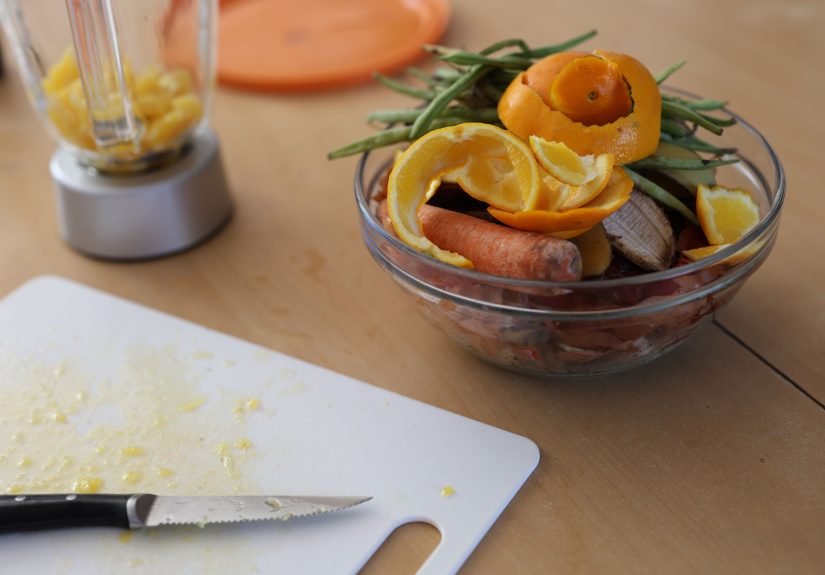
That is where the blender earns its moment in the spotlight. By pulsing food scraps with a little water, you create a soft, fine-textured slurry that offers much more surface area than whole scraps. Think of it like this: a whole carrot top is a project. A blended carrot top is an invitation.
This matters because surface area is one of the biggest factors in compost speed. The more exposed area microbes can reach, the faster decomposition moves. Gardeners have known for years that chopping, shredding, and cutting materials helps. A blender simply takes that principle and makes it ridiculously easy for kitchen scraps.
What “Faster” Actually Means
Let’s keep expectations realistic. Blending scraps will not turn banana peels into finished compost overnight. Composting is still a biological process, not a microwave dinner. But if you are trying to build an active pile, feed a worm bin, or create a nutrient-rich pre-compost mixture that breaks down more quickly in soil, a blender can shave off time and help the whole system work more efficiently.
It is especially useful for people who compost mostly kitchen waste rather than large amounts of yard debris. If your compost ingredients are mostly fruit peels, coffee grounds, wilted lettuce, and vegetable trimmings, the blender fits right into your workflow.
How Blender Composting Works
Blender composting is exactly what it sounds like: you collect suitable food scraps, add a bit of water, and blend them into a loose mixture. That mixture can then be added to a compost pile, a worm bin, or buried directly into garden soil in the right context.
The key point is that blending is not a replacement for composting fundamentals. It is a shortcut for particle size, not a free pass around balance, aeration, or moisture control.
Best Scraps to Use
The best materials for blender composting are standard compost-friendly kitchen scraps such as:
- Fruit and vegetable peels
- Apple cores
- Lettuce and leafy greens
- Coffee grounds
- Tea leaves or tea bags without plastic components
- Soft herb stems
- Crushed eggshells in small amounts
These items blend fairly easily and break down quickly once added to a compost system.
What to Leave Out
Not everything in the kitchen belongs in the blender compost batch. Skip meat, dairy, greasy foods, large bones, oils, and heavily processed leftovers. These materials can attract pests, create odors, or interfere with healthy aerobic composting. If your goal is faster compost, the last thing you want is a stinky science experiment auditioning for a horror movie.
The Right Way to Use a Blender for Compost
If you want this trick to work well, use a method that supports the rest of your compost setup.
Step 1: Collect Scraps for a Few Days
Keep a small container in the kitchen for compostable scraps. Many people store scraps in the freezer until they have enough for a batch. Freezing is handy because it reduces odors, keeps fruit flies from launching a tiny rebellion in your kitchen, and helps soften plant tissue so blending later is easier.
Step 2: Add Water Sparingly
When you are ready to blend, add just enough water to help the scraps move. You are aiming for a thick, pourable consistency, not a compost smoothie worthy of a reusable straw. Too much water can make your compost pile soggy, and overly wet compost tends to become slow, smelly, and low in oxygen.
Step 3: Blend Until Smooth but Not Soupy
Pulsing usually works better than running the blender nonstop. You want small, broken-down pieces, not a completely watery puree. The final texture should look more like chunky garden slurry than neon juice-bar ambition.
Step 4: Pair It with Browns
This is the part many beginners miss. Blended kitchen scraps are rich in nitrogen and moisture, which means they count as “greens” in compost language. Greens need to be balanced with carbon-rich “browns” such as dry leaves, shredded paper, cardboard, or straw. If you dump blender sludge straight into a pile without enough browns, you may create a compacted, wet mess that smells bad and decomposes slowly.
A good rule of thumb is to layer or mix the blended scraps with dry browns immediately. Think of the browns as the compost pile’s dry shampoo. They soak up excess moisture, improve airflow, and help keep everything fresh enough that your neighbors remain your neighbors.
Where Blender Composting Works Best
In a Traditional Compost Pile
This is the most obvious use. Pour the blended scraps into the center of the pile, where microbial activity is strongest, then cover them with browns. Turning the pile regularly helps distribute moisture and oxygen, which keeps the system active and speeds decomposition.
If your pile is large enough, balanced properly, and turned on schedule, you can produce finished compost much faster than passive methods. Active composting may take just a few months, while an untended pile can drag on much longer.
In a Compost Tumbler
Blender scraps also work well in a tumbler because the fine texture mixes easily with shredded paper, leaves, or other dry materials. Just be careful not to overload the tumbler with wet material. Tumblers need airflow too, and too much slurry can turn them into heavy, damp drums of disappointment.
In a Worm Bin
Worms are not known for speed, but they do appreciate manageable bites. Small, soft food scraps are easier for worms and microbes to process. If you vermicompost, blender batches can be useful in moderation. The trick is not to overfeed. Add small amounts, bury the material under bedding, and monitor moisture so the worm bin stays healthy.
In Garden Trenches
Another option is trench composting, where you bury compostable scraps directly in the garden. Blender-prepped scraps can break down more quickly in soil than larger pieces. This can be a convenient choice for empty beds or off-season garden areas. Still, use common sense: bury the material deeply enough to discourage pests, and do not overload one spot.
Why Faster Composting Is About More Than the Blender
The blender is a terrific helper, but it is only one piece of the composting puzzle. If the rest of your setup is off, even perfectly blended scraps will not save the day.
Balance Greens and Browns
Kitchen scraps are usually nitrogen-rich greens. Dry leaves, paper, and cardboard supply carbon-rich browns. A pile that leans too green often gets wet and smelly. A pile that leans too brown can sit there looking noble and dry while doing almost nothing. The sweet spot is a balanced mix that feeds microbes without smothering them.
Protect Moisture Levels
Compost should feel like a wrung-out sponge: damp, but not dripping. If the pile is too dry, decomposition slows down. If it is too wet, oxygen drops and odors rise. Blended scraps add moisture, so always compensate with enough dry material.
Keep Oxygen Flowing
Fast compost is aerobic compost. That means oxygen matters. Turning a pile, fluffing materials, and avoiding dense, waterlogged layers all help. This is another reason blender composting works best when mixed well with coarse browns. Microbes need room to breathe.
Make Sure the Pile Is Big Enough
A tiny pile struggles to heat up and hold moisture. If your compost setup is too small, faster decomposition becomes harder no matter how finely you blend the scraps. Bigger, properly built piles generally perform better because they retain microbial heat and maintain more stable conditions.
Common Mistakes That Slow Everything Down
Using Too Much Blended Material at Once
It is tempting to go full kitchen wizard and pour in a week’s worth of blended scraps in one dramatic move. Resist that urge. Large amounts of wet puree can compact and turn sour. Add moderate amounts and mix thoroughly with browns.
Using Your Everyday Smoothie Blender
Could you? Technically, yes. Should you? That is a separate and far more emotional question. Most gardeners prefer using an old, dedicated blender for compost work. It keeps the process sanitary, avoids weird odors, and prevents the unsettling possibility of wondering whether your morning protein shake tastes faintly of onion peel.
Ignoring the Carbon Side
Fast composting is not just about breaking down food scraps. It is about creating an environment where decomposition runs efficiently. Without enough browns, your pile can become dense and sloppy instead of hot and active.
Assuming Blended Scraps Are Finished Compost
They are not. They are still raw organic matter, just in smaller form. That means they still need to decompose properly before becoming stable compost. If you apply raw blended scraps carelessly around plants, especially in large amounts, you may invite odors, pests, or nutrient imbalances instead of garden glory.
Specific Examples of How Gardeners Can Use This Trick
Say you cook often and generate a steady stream of onion skins, celery leaves, carrot peels, coffee grounds, and herb stems. Instead of tossing those into the pile whole, you freeze them for several days, blend them with a little water, then mix the batch with shredded cardboard and fall leaves. The result is a more uniform compost input that heats faster and disappears more quickly into the pile.
Or imagine you live in a smaller home with limited outdoor space and use a worm bin. In that case, you could blend soft fruit and vegetable scraps once a week, add a small portion to the bin, and bury it beneath damp shredded paper. The worms are not suddenly entering a speed contest, but the food becomes easier to process and distribute.
Another example: if you are refreshing a vegetable bed between seasons, you can trench in a modest amount of blender-prepped scraps, cover them well with soil, and let them break down before planting later. It is efficient, tidy, and satisfying in the very specific way that composting enthusiasts enjoy perhaps a little too much.
Is the Blender Really the Secret?
Honestly, it is one of the smartest shortcuts for kitchen-scrap composting. The reason it feels like a “secret” is that many people focus only on bins, tumblers, and compost starters while forgetting the basic biology. Compost speeds up when microbes can reach more surface area, when the pile has enough oxygen, when moisture stays in the right range, and when greens and browns are balanced.
The blender directly improves one of those core factors: particle size. That does not make it the whole answer, but it does make it a surprisingly effective tool. If you already own one, the barrier to trying it is low. If you are serious about composting faster, an old dedicated blender may be one of the cheapest upgrades you can make.
My Experience-Inspired Takeaways on Faster Composting
The most interesting thing about faster composting is that it changes the entire rhythm of kitchen cleanup. Once people start treating scraps as future soil instead of trash, ordinary routines feel different. A pile of carrot peels after dinner stops looking like waste and starts looking like raw material. The blender trick fits into that shift beautifully because it makes composting feel practical, not precious.
One lesson many beginners learn quickly is that speed is less about buying more stuff and more about understanding the process. People often assume composting is slow because that is just how nature works. Then they begin chopping, blending, layering browns, and turning the pile, and suddenly the process looks far more alive. The pile heats. The volume drops. The center becomes rich and earthy. That is when composting stops feeling like a vague eco-friendly intention and starts feeling like a system that actually responds to your effort.
Another common experience is discovering that kitchen scraps can overwhelm a pile if they are added carelessly. A blender can help, but it also teaches a useful discipline. Because the scraps are wetter and finer, you become more aware of your browns. You start saving dry leaves on purpose. You shred cardboard instead of tossing it into recycling without a thought. You notice moisture levels. In a funny way, the blender does not just speed decomposition; it turns you into a more observant composter.
There is also something satisfying about the neatness of the method. Whole scraps can be messy, bulky, and sometimes a little dramatic. A blended batch is compact, easy to mix, and much less likely to sit there announcing itself to every fruit fly in a ten-mile radius. For apartment dwellers, suburban gardeners, or anyone with a small setup, that convenience can be the difference between sticking with composting and giving up on it.
Of course, every composting setup has its own personality. Some piles run hot and fast. Others behave like they are considering your request and will get back to you next season. Weather matters. Volume matters. Materials matter. But the experience many gardeners share is this: once scraps are smaller, well-mixed, and balanced with dry carbon, everything gets easier. The pile smells better, breaks down faster, and feels less like a mystery.
In the end, the beauty of this kitchen-appliance trick is not that it replaces composting basics. It is that it makes those basics easier to apply in real life. And that is usually the difference between a compost plan that sounds good in theory and compost you can actually spread in the garden.
Final Thoughts
If you want faster composting, do not overlook the appliance already living a few feet from your cutting board. A blender can turn ordinary kitchen scraps into a finer, more compost-ready material that breaks down more quickly when paired with the right compost habits. It is simple, practical, and refreshingly low-tech in spirit, even if it hums like a tiny engine.
So yes, this common kitchen appliance may be the secret to faster composting. Not because it performs miracles, but because it helps you work with the biology instead of against it. And in composting, that is usually where the real magic happens.