Table of Contents >> Show >> Hide
- Why Simple Skin Care Wins
- The Core Routine: Morning and Night
- How to Tailor the Routine to Your Skin Type
- The Biggest Skin Care Mistakes People Make
- A Derm-Like Simple Routine You Can Actually Follow
- What Results Should You Expect?
- When a Simple Routine Is Not Enough
- Real-Life Experiences With a Simple Skin Care Routine
- Final Thoughts
If skin care has started to feel like a part-time job with expensive jars, mysterious acids, and enough steps to qualify as cardio, here is the good news: your skin does not need a 14-product pep rally. In fact, most dermatologists keep coming back to the same boring-in-the-best-way formula. A simple routine works because it is easier to follow, less likely to irritate your skin, and more likely to protect the one thing trends keep forgetting exists: your skin barrier.
So what is the routine a no-nonsense derm would actually swear by? It is not glamorous. It will not arrive with a tiny gold spoon. And it definitely will not require you to learn chemistry before coffee. It is this: cleanse gently, moisturize consistently, wear sunscreen every single morning, and use one targeted treatment at night if you need it. That is the backbone. Everything else is a supporting actor, not the lead.
Why Simple Skin Care Wins
Simple routines work for a very unsexy reason: skin likes stability. When you constantly switch products, stack too many active ingredients, or scrub your face like you are sanding a deck, your skin often answers with redness, stinging, peeling, breakouts, or dullness. Then people assume they need more products to fix the chaos caused by too many products. That, in technical terms, is a mess.
A streamlined routine solves several problems at once. First, it protects your moisture barrier, which is your skin’s built-in defense system. Second, it improves consistency. A routine you can actually do every day beats a ten-step routine you quit by Thursday. Third, it saves money. And fourth, it helps you figure out what is working, because your face is no longer a group project.
If a dermatologist had to strip skin care down to its essentials, the goal would be simple: keep skin clean without stripping it, keep it hydrated without smothering it, protect it from ultraviolet damage, and add one targeted treatment only when there is a real reason to do so.
The Core Routine: Morning and Night
Morning: Protect and Prevent
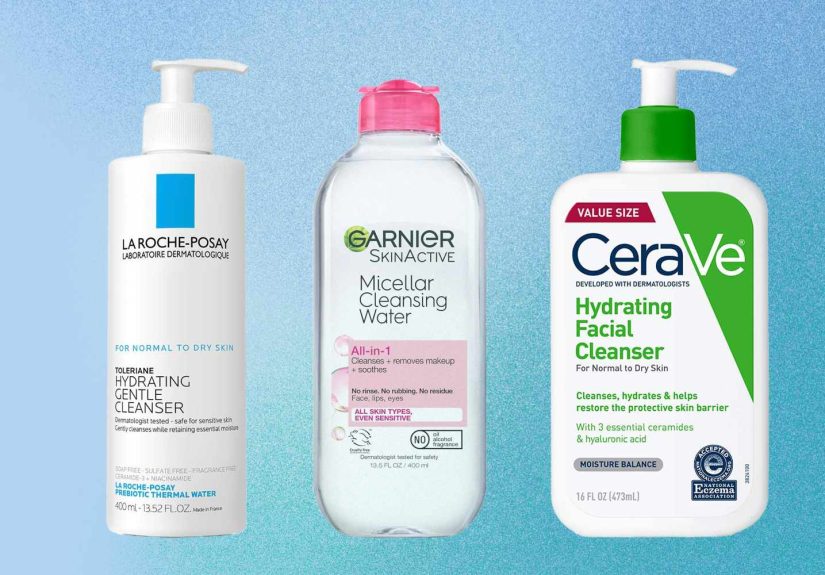
Step 1: Gentle cleanser. In the morning, wash with a mild cleanser that removes overnight oil, sweat, and skin care residue without leaving your face feeling tight. If your skin is very dry or sensitive, a light rinse or very gentle cleanse may be enough. The goal is clean skin, not squeaky skin. “Squeaky clean” is usually your barrier filing a complaint.
Step 2: Moisturizer. A good moisturizer helps hold water in the skin and keeps the barrier healthy. Look for ingredients like glycerin, hyaluronic acid, ceramides, or petrolatum depending on your skin type. Dry skin usually prefers richer creams. Oily skin often does better with lighter lotions or gels. Sensitive skin typically likes fragrance-free formulas with as little drama as possible.
Step 3: Broad-spectrum sunscreen SPF 30 or higher. This is the real MVP. If you do only one anti-aging step, let it be sunscreen. Daily sunscreen helps protect against sunburn, dark spots, collagen breakdown, uneven texture, and skin cancer risk. Put it on every morning, rain or shine, even when you are just “going out for one second,” which somehow turns into 47 minutes and a coffee run. If you are outside for extended periods, reapply as directed.
Optional Step: Antioxidant serum. If your skin tolerates it and you want one extra daytime upgrade, vitamin C is the usual favorite. It can help brighten skin and support your sunscreen effort. But optional is the key word here. A simple routine does not become better just because it has more steps. It becomes better when the steps you use actually suit your skin.
Night: Cleanse and Repair
Step 1: Remove the day. At night, cleanse again to lift sunscreen, oil, pollution, and makeup. If you wore heavy makeup or water-resistant sunscreen, you may prefer a cleansing balm or micellar water first, followed by your usual cleanser. Double cleansing can be helpful, but it is not a religious requirement. If a gentle single cleanse gets the job done, congratulations, you have just saved time and sink splash damage.
Step 2: Targeted treatment, if needed. This is where one “smart active” can come in. If your main concern is early aging, uneven texture, or post-acne marks, a retinoid or retinol at night is one of the most evidence-backed options. Start slowly, usually two or three nights a week, and use only a pea-sized amount for the whole face. If your concern is acne, ingredients like adapalene, salicylic acid, azelaic acid, or benzoyl peroxide may be useful depending on your skin and breakout type. The keyword is one. Not three acids, a retinoid, and a scrub in the same evening because social media told you to “go hard.” Your face is not a science fair volcano.
Step 3: Moisturizer again. Night is the perfect time to replenish. Moisturizer can be applied after your treatment or, for more sensitive skin, before and after a retinoid to reduce irritation. This “sandwich” method is popular for a reason. It helps beginners ease into stronger ingredients without turning their cheeks into a red flag.
How to Tailor the Routine to Your Skin Type
Dry or Sensitive Skin
If your skin gets tight, flaky, or easily irritated, choose a creamy or lotion-based cleanser and skip harsh scrubs. Fragrance-free products are usually the safer bet. Look for ceramides, glycerin, hyaluronic acid, colloidal oatmeal, and barrier-supportive creams. Use retinoids cautiously and not every night at first. When in doubt, boring products are your friends. Boring products rarely go viral, but they often keep skin happy.
Oily or Acne-Prone Skin
Oily skin still needs moisturizer. Let us retire the myth that drying your face into submission is a personality trait. Over-drying can push skin into irritation and make everything feel worse. Look for oil-free, noncomedogenic moisturizers and sunscreens. If you break out frequently, a cleanser or leave-on product with salicylic acid can help with clogged pores, while benzoyl peroxide may help inflammatory breakouts. Adapalene is often a strong option for mild to moderate acne, especially if texture and clogged pores are part of the problem.
Combination or Normal Skin
You have the luxury of flexibility. A gentle gel or lotion cleanser, lightweight moisturizer, and daily sunscreen will usually form a solid base. From there, you can add one targeted ingredient depending on your goals, whether that is vitamin C in the morning, retinoid at night, or niacinamide if you want something generally well-tolerated and barrier-friendly.
The Biggest Skin Care Mistakes People Make
Using too many active ingredients at once. Retinoids, exfoliating acids, vitamin C, acne washes, and peels can all be useful, but not all at the same time on the same face unless your dermatologist has actually told you to do that. More is not automatically smarter.
Skipping moisturizer because you are oily. Oily skin can still be dehydrated. A lightweight moisturizer helps support the barrier and may actually make treatment products easier to tolerate.
Treating sunscreen like a beach-only product. Daily sun exposure adds up, even on regular workdays and even when you are mostly indoors near windows or outside in short bursts.
Scrubbing too hard. Harsh washcloths, gritty scrubs, and hot water can make irritation worse. Gentle cleansing is not lazy. It is strategic.
Changing products too fast. Skin care is not instant noodles. Many products need several weeks of steady use before you can fairly judge them. If you switch everything at once, you will never know what helped and what caused the breakout party.
Ignoring patch testing. If you have sensitive skin or are trying a potent product, test it first on a small area. That is much better than learning the hard way across your entire face before a wedding, graduation, interview, or literally any Tuesday.
A Derm-Like Simple Routine You Can Actually Follow
Basic Morning Routine
- Gentle cleanser
- Moisturizer suited to your skin type
- Broad-spectrum sunscreen SPF 30 or higher
Basic Night Routine
- Gentle cleanser
- Retinoid or acne treatment if needed and tolerated
- Moisturizer
If You Want One Upgrade
Add vitamin C in the morning or a retinoid at night. Pick one first. Let your skin settle. Then decide whether you truly need anything else. Skin care should feel deliberate, not chaotic.
What Results Should You Expect?
Here is the honest answer: a simple routine is not magic, but it is powerful. Within a couple of weeks, many people notice less dryness, less irritation, and more balanced skin. Over a longer stretch, consistent sunscreen may help prevent new discoloration and premature aging. Moisturizer can improve comfort and smoothness. Retinoids and acne treatments typically take more time, often several weeks to a few months, to show meaningful changes.
This is important because unrealistic expectations are half the reason people abandon good routines. Skin improvement usually looks gradual. It is less “overnight miracle” and more “Wait, why does my skin look calmer in every photo lately?” That slower, steady progress is exactly what many dermatologists prefer.
When a Simple Routine Is Not Enough
A simple routine is the foundation, not the cure for every skin issue. If you have painful acne, cysts, rosacea, eczema, persistent rashes, sudden pigment changes, or irritation that will not calm down, it is time to see a board-certified dermatologist. The same is true if you are pregnant, trying to become pregnant, or breastfeeding and are unsure whether a product is appropriate. Some ingredients, especially retinoids, require extra caution.
Think of simple skin care as your base camp. It keeps things stable. It makes prescription treatment easier to tolerate if you need it later. And it gives a dermatologist a clear starting point instead of forcing them to untangle the aftermath of seven serums and a scrub you bought because the packaging looked trustworthy.
Real-Life Experiences With a Simple Skin Care Routine
What makes this kind of routine so convincing is not just the science. It is the lived experience people keep having once they stop trying to outsmart their skin. A lot of people begin with the same story: they start with one cleanser and one moisturizer, then somewhere along the way end up with acids, masks, toners, peels, overnight treatments, and a shelf that looks like it has a better social life than they do. At first, the routine feels exciting. Then the irritation starts. Their skin gets tight, flaky, red, or weirdly both oily and dry at the same time. Breakouts pop up, but so does sensitivity. Suddenly even plain water feels rude.
Then they simplify. They go back to a gentle cleanser, a basic moisturizer, and daily sunscreen. Sometimes they add one nighttime treatment. And the surprising thing happens: their skin starts acting less dramatic. They notice their face feels calmer after washing. Makeup sits better. Their cheeks are less blotchy. They are not constantly trying to decode whether that stinging sensation means a product is “working” or just bullying them. The routine becomes easy enough to repeat, and that consistency is often what finally moves the needle.
People with acne often describe another shift. They assume they need the strongest, driest, most intense products possible, but once they start moisturizing properly and using one acne treatment consistently instead of five randomly, their skin becomes more manageable. Breakouts may not vanish overnight, but the cycle of inflamed, irritated, angry skin begins to slow down. That matters. Calm skin responds better than stressed skin.
People focused on aging usually have a similar aha moment. They realize the “anti-aging” part was never the expensive miracle cream. It was sunscreen all along. The fancy stuff may have a role, but daily SPF and a tolerable nighttime retinoid often do more over time than a vanity full of products they only use when they remember. The win is not glamour. The win is habit.
Even people who love skin care as a hobby often admit there is something refreshing about a routine that takes five minutes and does not leave the sink looking like a storm hit a beauty counter. Simple routines are easier to travel with, easier to stick to during stressful weeks, and easier to maintain when life is doing what life does best: being inconvenient. That practicality is probably why so many dermatologists keep recommending the same foundation again and again. Skin tends to do well when we stop treating it like a laboratory experiment and start treating it like living tissue with limits, preferences, and a very clear dislike of chaos.
Final Thoughts
The simple skin care routine one derm would swear by is not flashy, but that is exactly why it works. Start with a gentle cleanser. Follow with a moisturizer that suits your skin. Wear broad-spectrum SPF 30 or higher every morning. Add one nighttime treatment only if you actually need it. Be patient. Be consistent. And remember: the routine that works is not the one with the most steps. It is the one your skin can tolerate and your real life can support.