Table of Contents >> Show >> Hide
- What Evaporated Milk Actually Does (So You Can Replace It Like a Pro)
- How to Choose the Best Substitute (One Quick Question)
- The Best All-Around Substitutes for Evaporated Milk
- Dairy-Free Substitutes (Creamy, Reliable, and Not Sad)
- Best Substitutes by Recipe Type (So You Don’t Have to Guess)
- Quick Conversion Chart (Common Measurements)
- Common Mistakes (A.K.A. How Kitchens Get Loud)
- So… What’s the “Perfect” Substitute?
- Kitchen Stories & Real-World Tips (Extra of “Been There” Energy)
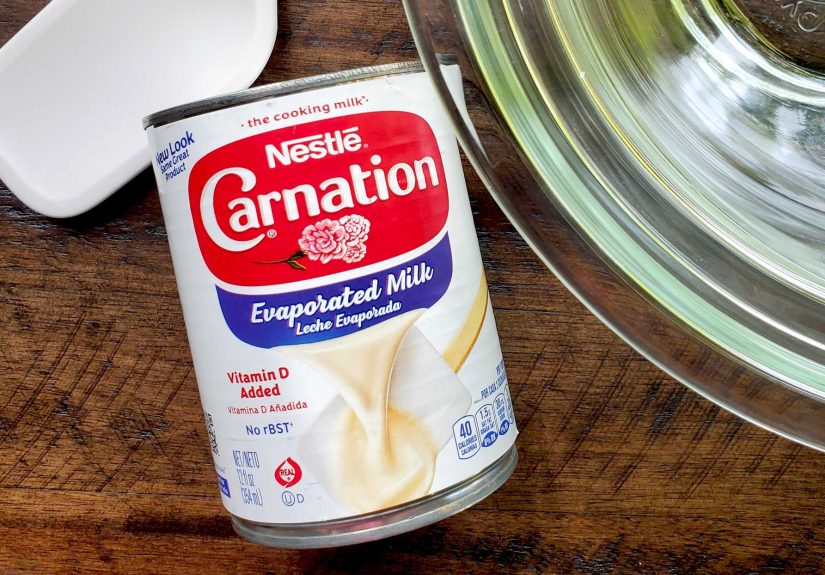
Evaporated milk is one of those pantry items that doesn’t get invited to the party until the host panics.
It’s the “backup singer” of creamy soups, pumpkin pies, mac and cheese, caramel candies, and a surprising number
of family recipes written on index cards that smell faintly like nutmeg and nostalgia.
But what happens when the recipe says “1 can evaporated milk” and your pantry says, “Best I can do is… vibes”?
Good news: you’ve got optionsmany of them already sitting in your fridge.
The trick is choosing a substitute that matches why evaporated milk was there in the first place.
What Evaporated Milk Actually Does (So You Can Replace It Like a Pro)
Evaporated milk is basically regular milk that’s been gently cooked down until it’s thicker and creamier.
That slow reduction concentrates milk proteins and fat, which is why evaporated milk can:
- Add creaminess without needing a lot of heavy cream
- Thicken sauces and custards (hello, pies and flans)
- Behave nicely in heat compared with some fresh dairy (less likely to break in certain sauces)
- Bring a lightly “cooked milk” flavor that reads as cozy and rich
So the “perfect substitute” depends on your mission: are you after richness, thickness, stability, or a dairy-free swap?
Let’s match the replacement to the jobbecause your recipe deserves better than a random splash of whatever’s open.
How to Choose the Best Substitute (One Quick Question)
Ask yourself: Is evaporated milk there for texture, for fat, or for structure?
- Texture & creaminess (soups, sauces, coffee): reach for half-and-half, cream blends, or coconut milk.
- Structure (pumpkin pie, custards, candies): choose a richer dairy swap, or add a small thickener if using milk.
- Dairy-free: use full-fat coconut milk, reduced oat/soy milk, or a cashew-style cream.
The Best All-Around Substitutes for Evaporated Milk
1) Half-and-Half (Best “Just Swap It” Option)
If you want the simplest, least dramatic substitution, half-and-half is your MVP.
It’s close in texture, reliably creamy, and behaves well in both sweet and savory recipes.
How to use it: Substitute 1:1 for evaporated milk.
Where it shines: pumpkin pie, mac and cheese, chowders, casseroles, custards, coffee creamer-style uses.
2) Heavy Cream + Milk (Best “Make It Match” Blend)
Evaporated milk is richer than regular milk but usually not as heavy as straight cream.
Blending cream with milk lets you land in the creamy middlewhere recipes feel luxurious, not greasy.
Easy blend: For every 1 cup evaporated milk, use:
- 3/4 cup heavy cream + 1/4 cup whole milk
Where it shines: desserts, custards, creamy sauces, and anything where you want “full-body” richness.
If your dish already has a lot of fat (butter, cheese, cream cheese), consider half-and-half instead so things don’t get too rich.
3) Whole Milk + Thickener (Best Budget Swap)
Whole milk can work, but it’s thinner than evaporated milk. That means your pie filling might set softer,
your sauce might feel lighter, and your soup might lose that “velvet hoodie” texture.
The fix is simple: add a small thickener.
How to use it: Replace 1 cup evaporated milk with:
- 1 cup whole milk + 1 tablespoon cornstarch (whisk cold, then heat)
Where it shines: pumpkin pie, custards, puddings, and sauces where structure matters.
Bonus: it’s also a great move when you only have low-fat milk and need a little extra help.
4) Powdered Milk (Best Pantry “Science Hack”)
Powdered milk is milk with the water removedso you can “rebuild” it thicker by using less water than the label says.
This is a fantastic pantry workaround because it mimics the concentrated nature of evaporated milk.
How to use it: Mix powdered milk with about 60% of the usual water to create a richer liquid,
then substitute 1:1.
Where it shines: baking, casseroles, creamy soups, and recipes where you don’t want the extra fat of heavy cream.
5) Make Your Own Evaporated Milk (Best Flavor Match)
If you want the closest match in both flavor and performance, you can literally evaporate milk at home.
It sounds fancy. It isn’t. You’re just simmering milk patiently while it becomes more concentrated.
- Pour milk into a wide saucepan (wider = faster evaporation).
- Simmer gently (don’t boil hard), stirring occasionally.
- Cook until reduced by roughly half and slightly thickened.
- Cool before using, especially for custards and pies.
Where it shines: recipes where evaporated milk is the star ingredient (fudge, flan, custards),
or where you want that subtle “cooked milk” note without guesswork.
Dairy-Free Substitutes (Creamy, Reliable, and Not Sad)
Whether you’re dairy-free by choice or necessity, you can still get creamy results.
The key is picking a substitute with enough bodywatery plant milks can leave desserts flat and sauces thin.
1) Full-Fat Coconut Milk (Best Dairy-Free 1:1 Swap)
Full-fat canned coconut milk is rich, thick, and close in texture to evaporated milk.
It also plays nicely in desserts and many savory dishes (especially anything with spices, curry vibes, or sweetness).
How to use it: Substitute 1:1.
Flavor note: You may taste a gentle coconut hint. In pumpkin pie, that’s usually a win.
In mashed potatoes, it depends on your household’s sense of adventure.
2) Reduced Oat Milk or Soy Milk (Best Neutral Option)
If you want less coconut flavor, reduce a neutral plant milk on the stovetop until it thickens and concentrates.
Oat milk tends to feel naturally creamy; soy milk often has good protein structure.
How to use it: Simmer and reduce by about half, then use 1:1.
3) “DIY Cream” Blend (Best for Custards & Desserts)
For pies, puddings, and anything that needs body, combine a creamy base with a richer element:
- 3/4 cup oat milk + 1/4 cup cashew cream (or blended soaked cashews)
- 3/4 cup soy milk + 1/4 cup coconut cream
This gives you thickness and richness without having to reduce liquid for a long time.
Best Substitutes by Recipe Type (So You Don’t Have to Guess)
Pumpkin Pie, Sweet Potato Pie, and Custards
These recipes need creaminess and structure. Your safest picks are half-and-half or a cream/milk blend.
If you use regular milk, add a thickener so the filling sets confidently instead of wobbling like a nervous jellyfish.
- Best: half-and-half (1:1)
- Also great: 3/4 cup heavy cream + 1/4 cup milk per cup
- Works with help: milk + cornstarch (1 tbsp per cup)
Soups, Chowders, and Creamy Sauces
Here, evaporated milk is often about smooth richness without heaviness.
Half-and-half is again a favorite, but you can also use whole milk thickened lightly with a roux or cornstarch.
- Best: half-and-half (1:1)
- Rich option: cream/milk blend
- Lighter option: milk + thickener
Mac and Cheese & Cheese Sauces
Evaporated milk is beloved here because its concentrated proteins help sauces stay smooth instead of separating.
If you don’t have it, you can mimic that stability by combining dairy with a little starch and gentle heat.
- Best: half-and-half (1:1), then add cheese slowly off heat
- Stability hack: milk + cornstarch, whisked smooth before heating
- Dairy-free: creamy oat base + a touch of starch + dairy-free cheese (melt gently)
Candy, Fudge, and Caramels
Candy recipes are picky. They rely on specific ratios of water, sugar, and proteins to hit the right texture.
If a candy recipe calls for evaporated milk, choose a substitute that won’t add extra water.
- Best: homemade reduced milk (closest match)
- Also works: half-and-half
- Use with caution: regular milk (may change texture unless reduced)
Coffee and Tea
Evaporated milk makes coffee feel creamy without being as heavy as cream.
Any creamy dairy (or barista-style plant milk) can step in here with zero drama.
- Best: half-and-half
- Dairy-free: barista oat milk, or coconut milk if you like the flavor
Quick Conversion Chart (Common Measurements)
| Recipe Calls For | Use This Substitute | Notes |
|---|---|---|
| 1 cup evaporated milk | 1 cup half-and-half | Best all-purpose swap |
| 1 cup evaporated milk | 3/4 cup heavy cream + 1/4 cup whole milk | Richer; great for desserts |
| 1 cup evaporated milk | 1 cup whole milk + 1 tbsp cornstarch | Best when structure matters |
| 1 cup evaporated milk | 1 cup full-fat coconut milk | Dairy-free 1:1 option |
| 1 can (12 fl oz) evaporated milk | 1 1/2 cups half-and-half | Many recipes call for “one can” |
| 1 can (12 fl oz) evaporated milk | Make your own: reduce ~4 cups milk down to ~1 1/2 cups | Closest flavor match |
Common Mistakes (A.K.A. How Kitchens Get Loud)
1) Swapping in Sweetened Condensed Milk
Sweetened condensed milk is not evaporated milk. It contains a lot of added sugar and is much thicker.
If you use it by accident in a savory dish, congratulationsyou’ve invented dessert chili.
2) Using Thin Milk Without Adjusting the Recipe
If your substitute adds more water than evaporated milk would, your filling may set softer and your sauce may thin out.
That’s why thickening (cornstarch) or choosing a richer dairy base matters.
3) Overheating Creamy Mixtures
Some substitutes (especially dairy-free milks or yogurt-based blends) can separate if boiled hard.
Keep things at a gentle simmer, whisk often, and add delicate ingredients (like cheese) off heat when possible.
So… What’s the “Perfect” Substitute?
If you want one answer that works in the most recipes with the least math, it’s this:
Half-and-half is the closest, easiest substitute for evaporated milk.
It’s creamy, stable, and usually plays nice in everything from pies to casseroles.
If you want the most accurate match for a specific recipe:
- For pies/custards: half-and-half, or cream + milk blend
- For sauces (especially cheese): half-and-half, or milk + a touch of starch
- For candy/fudge: homemade reduced milk (closest control)
- For dairy-free: full-fat coconut milk, or reduced oat/soy milk
Kitchen Stories & Real-World Tips (Extra of “Been There” Energy)
If you cook long enough, you eventually earn a few classic evaporated-milk momentslike realizing you’re missing it
after the oven is preheated and before your brain has accepted that grocery stores close.
The most common scene is pumpkin pie season: the crust is ready, the spices are lined up like a tiny cinnamon-scented choir,
and the recipe says “1 can evaporated milk” as casually as it says “breathe air.”
In that moment, half-and-half is the hero. Cooks who keep it around for coffee suddenly feel like geniuses,
because it pours right in with no reduction, no starch slurry, and no existential questions.
The pie sets beautifully, the filling tastes rich, and no one at the table says,
“Hmm, this tastes like you substituted something.” They just say, “Can I have another slice?” which is the only review that matters.
Then there’s the mac-and-cheese emergency. Evaporated milk is famous for keeping cheese sauces smooth,
so when it’s missing, people often panic and dump in straight milk, crank the heat, and wonder why the sauce looks like it’s
going through a breakup. The fix is almost always gentler heat and a smarter liquid:
half-and-half works, and milk plus a little cornstarch works even better if you’re chasing that glossy, stable texture.
The “aha” moment many home cooks have is realizing that starch isn’t cheatingit’s engineering.
And cheese sauce is basically delicious chemistry.
Dairy-free cooks have their own version of the story: finding a substitute that’s creamy enough without tasting like a tropical vacation
in recipes that don’t want to be tropical. Full-fat coconut milk is fantastic in desserts and spiced dishes,
but if you want neutral creaminess, reduced oat milk often feels like the calm, dependable friend who shows up on time.
Some people keep a can of coconut milk for emergencies and an oat-based creamer for daily life,
which is honestly a pretty advanced kitchen strategy.
One of the most useful “experience” tips is this: when you’re unsure, start with the substitute that matches the recipe’s vibe.
A cozy custard? Go richer. A creamy soup that already has potatoes or flour? Whole milk plus a little thickener is plenty.
A candy recipe? Respect it like it’s a tiny, delicious science experimentreduce your milk or choose a low-water option.
And whenever you swap something in, taste your mixture before baking or simmering. That quick spoonful tells you a lot:
too thin, too bland, too rich, too sweetyour taste buds will catch problems before your guests do.
In other words: the “perfect substitute” isn’t just a single ingredient. It’s the ingredient that makes your recipe come out
the way you wantedcreamy, set, smooth, and confidently deliciouswithout requiring a midnight grocery run in pajama pants.