Table of Contents >> Show >> Hide
- What Amazon’s Overstock Outlet Actually Is
- Why the Best Deals Show Up Here First
- The Best Categories to Shop in Amazon’s Overstock Outlet
- How to Spot a Deal That Is Actually Good
- What Usually Delivers the Best Value
- What to Skip in Amazon’s Overstock Outlet
- How to Build a Smarter Amazon Outlet Strategy
- Specific Examples of the Kinds of Deals Worth Watching
- The Shopping Experience: Why People Keep Coming Back
- Final Thoughts: Is Amazon’s Overstock Outlet Worth It?
- Extra Perspective: Real-World Shopping Experiences in Amazon’s Overstock Outlet
- SEO Tags
There are two kinds of Amazon shoppers. The first group types in exactly what they need, adds it to the cart, and leaves like disciplined adults. The second group wanders into a strange corner of the site, finds a deeply discounted Dutch oven, blackout curtains, workout leggings, and a tomato corer they never knew they needed, then calls it “smart shopping.” This article is for the second group.
Amazon’s Overstock Outlet is one of those not-so-secret sections that still manages to feel hidden in plain sight. It is designed for markdowns, clearance items, and extra inventory that Amazon and sellers want gone before it starts collecting digital dust. In plain English: it is where perfectly good stuff goes to get a price haircut. And sometimes that haircut is dramatic enough to make your full-price cart look like a series of poor life choices.
If you have ever wondered whether Amazon Outlet is actually worth browsing, the answer is yeswith a few caveats. The best deals tend to hide in categories where style, seasonality, and storage space matter: home, kitchen, apparel, beauty, organization, small electronics, and outdoor gear. The trick is knowing what to buy, what to skip, and how to tell a real bargain from a fake “was” price that only exists to make you feel victorious.
What Amazon’s Overstock Outlet Actually Is
Amazon Outlet is not the same thing as Amazon Resale, and mixing them up is how shoppers end up wondering why their “brand-new steal” arrived in a box that looks like it survived a wrestling match. Outlet is mainly for new overstock and clearance inventory. Amazon Resale is where you find used, open-box, or pre-owned items. Amazon Renewed is the lane for refurbished products that have been inspected and tested. They can all be valuable, but they are not interchangeable.
That distinction matters because the best Amazon Outlet deals usually come from excess inventory, not damaged goods. Think unsold seasonal décor, surplus kitchen tools, extra bedding sets, fashion basics in odd remaining sizes, storage solutions, and lower-profile brand-name products that need a little help getting off the shelf. In other words, Outlet is retail’s polite way of saying, “Please adopt this toaster before accounting starts asking questions.”
Why the Best Deals Show Up Here First
Overstock is created by a few predictable forces. Retailers overestimate demand. Trends change fast. A color sells poorly. A holiday passes. A newer model arrives. A seller wants faster turnover. The result is a pool of inventory that still has value but needs a lower price to move. Amazon’s Outlet benefits from all of those dynamics, which is why the section can feel like a mash-up of smart bargains, random treasures, and the internet’s most chaotic yard saleonly with better shipping.
That is also why some of the strongest finds are not flashy gadgets but everyday items you would buy anyway. Storage containers, sheet sets, frying pans, closet organizers, gardening accessories, slippers, drinkware, and household basics often outperform trendier categories in real value. They may not be glamorous, but neither is paying full price for trash bags and pan organizers.
The Best Categories to Shop in Amazon’s Overstock Outlet
1. Home Organization and Storage
This is one of the Outlet’s most reliable sweet spots. Bins, drawer dividers, shoe racks, wall hooks, under-bed storage, closet organizers, bathroom shelving, and pantry helpers show up again and again because they are easy for sellers to overbuy and hard for consumers to get excited about at full price. That is precisely why bargain hunters should care. These products do not need to be thrilling. They need to be useful, well-reviewed, and cheaper than what you would pay elsewhere.
If your house contains a chair covered in laundry, a cabinet avalanche, or a junk drawer that qualifies as a geological event, Outlet organization deals can be surprisingly high impact. Just measure first. Nothing destroys the thrill of saving money like discovering your bargain shelf is three inches too wide for the space you had in mind.
2. Kitchen Tools and Small Appliances
Kitchen deals are probably the most fun because they sit at the intersection of practical and impulsive. One minute you are shopping for measuring cups; the next you are seriously considering a pan set, a French press, silicone storage bags, a milk frother, and a garlic rocker that looks like modern sculpture.
The smartest Outlet buys in this category are everyday upgrades: nonstick pans, food storage sets, cutting boards, prep tools, strainers, utensils, bakeware, and smaller countertop gear when the discount is substantial. Brand names help, but function matters more. A deeply discounted kitchen gadget that solves no actual problem is still a waste of money, even if it has 14,000 reviews and a suspiciously enthusiastic product title.
3. Bedding, Bath, and Soft Home Goods
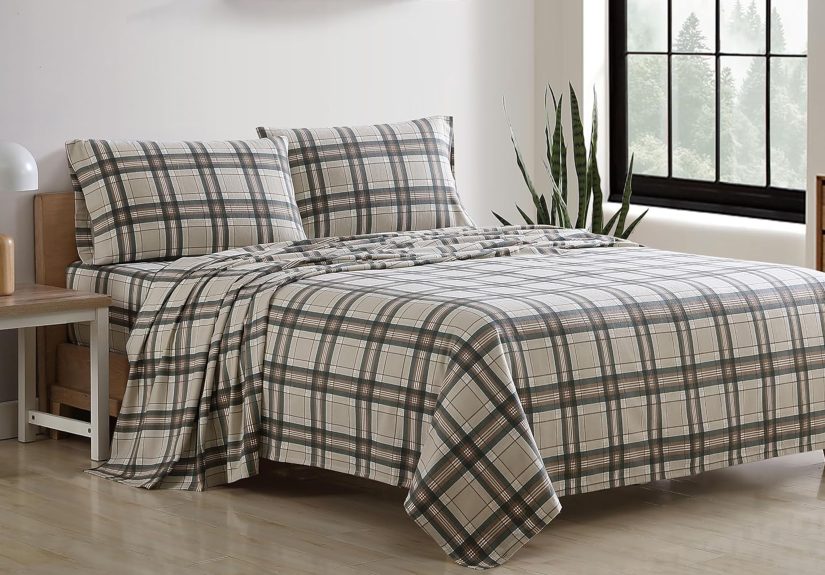
Sheets, blankets, bath mats, towels, throw pillows, curtains, and comforter sets often land in overstock because colors and patterns move unevenly. Neutral basics can disappear quickly, but oddball shades and seasonal looks linger long enough to become excellent bargains. That is good news if your personal design style is “clean, calm, and not offensively expensive.”
Search for material details before you buy. “Soft” is not a material. Microfiber, cotton, linen blend, flannel, and blackout lining are the words that matter. Outlet pricing is only a win when the product specs still meet your standards.
4. Fashion Basics and Seasonal Apparel
Amazon’s Overstock Outlet is especially useful for low-risk wardrobe staples: leggings, sweatshirts, slippers, socks, lounge sets, sandals, rain layers, sun hats, and off-season jackets. Sizing gaps can create some of the steepest markdowns, so flexible categories do well here. A roomy hoodie is forgiving. Tailored trousers are less forgiving and more likely to turn your “deal” into a return label.
The best move is to shop apparel when you are not emotionally attached to one exact color or size run. If you are open-minded, Outlet can reward you. If you are hunting for one specific black coat in one specific cut, you may leave irritated and over-caffeinated.
5. Beauty, Wellness, and Personal Care Accessories
This category can be sneaky good, especially for non-perishable accessories and tools. Think cosmetic bags, makeup organizers, headbands, pimple patches, beauty sponges, basic skincare accessories, reusable cotton rounds, and at-home wellness items. Be more cautious with anything highly time-sensitive, heat-sensitive, or difficult to verify for freshness. Savings are fun, but expired mystery serum is not a personality trait anyone should adopt.
6. Garden, Patio, and Seasonal Living
Seasonal inventory is where overstock logic shines. Outdoor cushions, planters, garden tools, hose accessories, wreaths, doormats, string lights, and backyard basics often hit better prices when demand softens or weather shifts. Shopping one season ahead can feel profoundly uncool in the moment, but it is one of the most effective ways to buy smarter.
How to Spot a Deal That Is Actually Good
The hardest part of shopping Amazon Outlet is not finding discounts. It is separating meaningful discounts from decorative discounts. A product can say “deal” and still be mediocre value. Start with the item itself, not the markdown badge. Would you want it at a normal price? Is it from a credible brand or a seller with a track record? Does it have enough reviews to suggest a real purchase history, not just a handful of suspiciously poetic compliments?
Then check the math. Compare the Outlet price with the main Amazon listing, other retailers, and similar products. See whether a coupon can stack. Sometimes the real steal is not in Outlet at all but on a standard listing with a clipped coupon, a Deal of the Day tag, or a temporary promo. Outlet should be one stop in your comparison process, not the entire process.
Also look at shipping speed, return eligibility, and product details. Bargain hunters love the big number next to “percent off,” but the details do the real work. A cheap air fryer that is too small, too slow, or impossible to clean will not feel like a victory after week two.
What Usually Delivers the Best Value
The strongest Outlet purchases tend to share a few traits. They are practical. They are from recognizable or well-reviewed brands. They are not heavily trend-dependent. They are easy to evaluate online. And they are products you were already likely to need. In other words, the best Amazon Outlet deals are rarely the weirdest ones. They are the useful ones with a timely markdown.
That means home basics often beat novelty products. A discounted set of glass food containers, a dependable bath mat, or a sturdy shoe rack can be a better use of money than a flashy single-purpose gadget that will spend most of its life in a drawer beside a melon baller and your abandoned smoothie ambitions.
What to Skip in Amazon’s Overstock Outlet
Not every cheap thing deserves your attention. Skip products with vague specs, thin review histories, inflated list prices, or branding that looks like a keyboard had a panic attack. Be careful with categories where fit, durability, and safety matter a lot, especially if the listing leaves major questions unanswered.
You should also avoid buying just because the markdown looks dramatic. A 70% discount on something you did not need is not a bargain. It is just a cheaper mistake. And while Outlet is full of tempting categories, some items are better bought elsewhere if you need white-glove customer support, deep warranty coverage, or hands-on comparison before purchase.
How to Build a Smarter Amazon Outlet Strategy
Use Outlet with Coupons and Today’s Deals
Amazon’s best savings often come from layering your browsing habits, not from one page alone. Check Outlet, then cross-reference Today’s Deals, coupons, and category promotions. The most price-savvy shoppers treat Amazon like a map, not a destination. They click around, compare, and wait when needed.
Prioritize Repeat-Use Items
A deal gets better every time you use the product. That makes repeat-use items your best candidates: cookware, bedding, storage, daily beauty tools, home basics, and organization products. If you will use it weekly, a decent markdown matters. If you will use it once for a themed brunch and then never again, the item is auditioning for clutter.
Think Seasonally, Not Emotionally
Shop spring items before peak spring demand. Buy winter layers when everyone else is shopping swimsuits. Look for patio accessories when summer is winding down. Overstock is powered by timing, so your strategy should be, too. Shopping off-season is not glamorous, but neither is paying full price in a panic.
Specific Examples of the Kinds of Deals Worth Watching
Across recent editorial roundups and Amazon’s own shopping sections, a pattern keeps repeating: shoppers find the best Outlet value in cookware sets, food storage containers, kitchen prep tools, loungewear, leggings, small storage furniture, blankets, garden accessories, curtains, simple décor, and home-organization gear. These are not fantasy purchases. They are ordinary life purchases with better-than-ordinary pricing.
That is the real charm of Amazon’s Overstock Outlet. It is not just about scoring some dramatic unicorn discount. It is about catching useful products at the moment they become misfit inventory. Retail calls it overstock. Smart shoppers call it opportunity.
The Shopping Experience: Why People Keep Coming Back
There is a certain thrill to Amazon Outlet that traditional shopping pages do not quite replicate. It feels less curated, more accidental, and therefore more satisfying when you find something good. The hunt is part of the value. You are not just buying a storage bench; you are rescuing it from the strange limbo between full price and forgotten stockroom purgatory.
And yes, sometimes you will open the page and find absolute chaos: glitter sneakers, curtain tiebacks, a vegetable chopper, yoga pants, and a pressure washer all living side by side like contestants in a very confusing reality show. But that randomness is also what makes the Outlet work. When inventory is driven by surplus, the page reflects real retail pressure, not just marketing polish.
Final Thoughts: Is Amazon’s Overstock Outlet Worth It?
Yesespecially if you approach it with a calm head, a practical list, and enough skepticism to resist nonsense. Amazon’s Overstock Outlet is at its best when you use it for household upgrades, seasonal buys, low-risk fashion basics, kitchen tools, soft home goods, and organization products that have clear utility. It is less effective when you shop like a raccoon with a credit card and no supervision.
The best deals hiding in Amazon’s Overstock Outlet are not always the loudest ones. They are the products that quietly improve your routine while costing much less than expected. A smarter pan. Better sheets. A shelf that fixes a problem you are tired of looking at. A storage bin that ends a domestic cold war. That is the sweet spot. Not chaos for the sake of chaosjust useful things, discounted at exactly the right moment.
Extra Perspective: Real-World Shopping Experiences in Amazon’s Overstock Outlet
People who shop Amazon Outlet regularly tend to describe the experience in one of two ways: either it feels like treasure hunting, or it feels like getting lost in a digital basement with fluorescent lighting. The truth is that it is a little of both, and that is part of the appeal. The page rewards patience more than urgency. The shoppers who get the best value are rarely the ones chasing every flashy markdown. They are the ones who know their households, understand their own habits, and can tell the difference between a smart buy and a boredom buy.
One common experience is stumbling into the Outlet while looking for something boringsay, food storage containersand leaving with three more useful things that solve problems you had been ignoring. Maybe it is a set of blackout curtains for a bedroom that gets attacked by sunrise at 6 a.m. Maybe it is a shoe rack that finally gets sneakers off the floor. Maybe it is a bath mat that replaces the one you have been pretending still looks “fine” even though it absolutely does not. These small upgrades are where Outlet shopping feels most rewarding, because the savings are real and the purchases age well.
Another frequent experience is learning restraint the hard way. Plenty of shoppers have bought an extremely discounted gadget that seemed brilliant in theory and then used it exactly once. The Outlet makes it easy to justify odd purchases because the price looks low enough to feel harmless. But clutter is expensive in its own annoying way. Veteran shoppers often say their best Outlet habit is to pause and ask one question: where will this live, and will I still want it in six months? If the answer is “I don’t know” and “probably not,” the deal is not hiding treasure. It is hiding regret.
There is also a quiet satisfaction in catching seasonal items at the right moment. Buying gardening accessories before spring rushes in, or picking up cozy home goods after peak winter demand, feels less like impulse shopping and more like tactical budgeting. Over time, shoppers who think this way begin to use Outlet less like an entertainment page and more like a timing tool. They know the categories they trust, ignore the noise, and pounce when the right item appears.
Perhaps the biggest lesson people learn from Amazon’s Overstock Outlet is that a great deal is personal. The “best” find is not always the highest percentage off or the trendiest product. Sometimes it is the unglamorous item that makes daily life smoother: the organizer that fits perfectly, the pan that cooks evenly, the blanket everyone in the house keeps stealing, the curtain panel that actually blocks light, the slippers that turn into an unofficial work-from-home uniform. These are not headline-grabbing purchases, but they are often the ones shoppers remember most fondly.
That is why the Outlet continues to attract loyal browsers. It turns routine shopping into a slightly more strategic, slightly more entertaining experience. You do not need luck so much as discipline, curiosity, and a healthy suspicion of things that look too dramatic. Bring those, and Amazon’s Overstock Outlet can feel less like a mess of random markdowns and more like a quiet source of clever wins.