Table of Contents >> Show >> Hide
- Introduction: When “Bad Writing” Somehow Becomes Great Comedy
- What Happens in “The Gang Hits the Road”?
- The U-Haul Problem: A Tiny Plot Hole With Giant Comedy Energy
- Glenn Howerton’s Favorite Episodes Reveal His Comedy Taste
- Why “Bad Writing” Can Work in a Great Sitcom
- The Episode’s Real Genius: The Destination Does Not Matter
- Specific Examples of the Episode’s Comic Craft
- How “The Gang Hits the Road” Fits the Legacy of It’s Always Sunny
- What Writers Can Learn From the “Bad Writing” Joke
- Why Fans Love Calling Out the Flaw
- Experience Section: Watching, Rewatching, and Learning From the Episode
- Conclusion: The U-Haul May Be Empty, But the Episode Is Loaded
Note: This article is written for web publishing in standard American English, with factual details synthesized from reputable entertainment and reference sources. No source links are inserted in the article body.
Introduction: When “Bad Writing” Somehow Becomes Great Comedy
In most television shows, “bad writing” is the kind of accusation that sends writers into a panic, critics sharpening their knives, and fans sprinting to Reddit with the confidence of a courtroom attorney who owns zero suits. But in the world of It’s Always Sunny in Philadelphia, even a possible writing flaw can become part of the joke. That is especially true with one of Glenn Howerton’s favorite episodes: “The Gang Hits the Road,” Season 5, Episode 2.
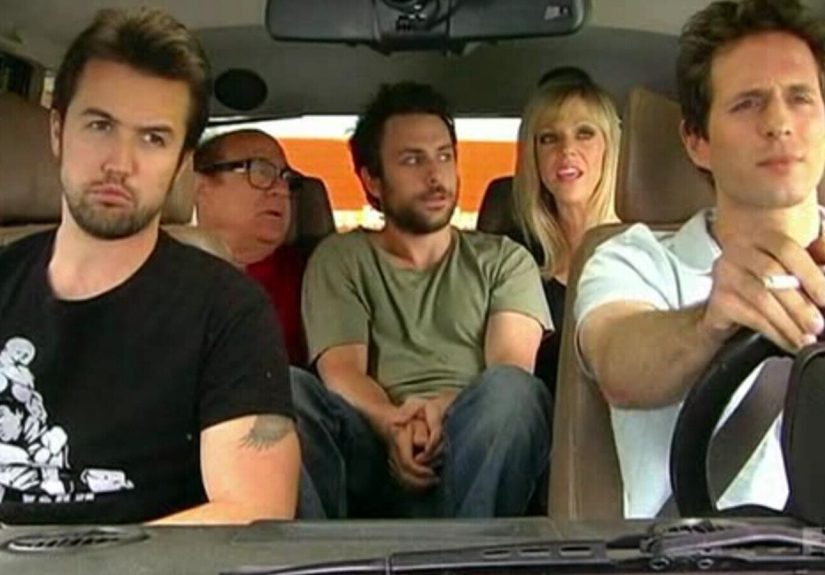
The episode is simple on paper. Dennis, Mac, Charlie, Frank, and Dee try to take a road trip to the Grand Canyon. That is it. No celebrity stunt, no elaborate fantasy sequence, no enormous conceptual gimmick. Just five terrible people attempting one extremely normal task and failing with the confidence of raccoons operating heavy machinery.
Yet this episode has become one of the most beloved It’s Always Sunny in Philadelphia episodes because it captures the show’s secret weapon: the Gang cannot handle ordinary life. Buying fruit, driving, packing a trailer, making bathroom stops, or interacting with a hitchhiker all become disasters. Somewhere inside that chaos is the famous “bad writing” question: why exactly did they need a U-Haul trailer in the first place?
In a 2019 interview, Glenn Howerton was asked about that logistical oddity. His response was charmingly blunt: maybe it was just bad writing. The comment was funny because it did not feel defensive. It felt like someone looking back at a beloved mess and admitting, “Yes, the couch is on fire, but the lighting is excellent.”
So let’s unpack why this so-called bad writing works, why “The Gang Hits the Road” remains one of Glenn Howerton’s favorite Always Sunny episodes, and what writers, fans, and comedy nerds can learn from a U-Haul that may or may not have needed to exist.
What Happens in “The Gang Hits the Road”?
“The Gang Hits the Road” originally aired on September 24, 2009. The episode was directed by Fred Savage and written by Glenn Howerton and Charlie Day. Its premise is wonderfully clean: the Gang decides to expand their horizons by traveling from Philadelphia to the Grand Canyon.
Of course, because this is It’s Always Sunny in Philadelphia, the phrase “expand their horizons” mostly means “create problems within a few city blocks.” Charlie is terrified of leaving Philadelphia. Dee interrupts the guys’ plan by arriving with a new small car. Frank wants the trip to happen, Dennis wants control, Mac wants to be useful, and everyone wants to act like they are the only sane person in a rolling circus of terrible decisions.
The episode quickly turns into a comedy of delays. They make stops. They buy fruit so Charlie can try basic produce. They become obsessed with small details. They encounter a cyclist. They move between vehicles. They attempt to make the U-Haul comfortable. And despite all the big talk about the Grand Canyon, the trip becomes less about reaching Arizona and more about proving that the Gang cannot survive the opening chapter of a family vacation brochure.
The U-Haul Problem: A Tiny Plot Hole With Giant Comedy Energy
The “bad writing” issue centers on the U-Haul trailer. At the start, the Gang appears to have a trailer hitched for the road trip. Later, the trailer becomes useful when characters end up riding in it. But if the original plan involved the guys traveling in Dennis’ Range Rover, why bring an empty trailer at all?
That is the kind of detail a continuity-focused viewer notices immediately. In a more realistic show, the trailer would need a clear purpose. Camping gear? Furniture? Supplies? Frank’s mysterious road-trip coffin? Something. But in “The Gang Hits the Road,” the explanation is fuzzy.
And that is exactly why Glenn Howerton’s comment is so funny. Instead of offering an overly polished explanation, he essentially allowed that the episode may have had a writing gap. The honesty is refreshing. It also reveals something important about sitcom construction: not every flaw damages the final product. Sometimes the emotional logic of a comedy is stronger than the mechanical logic of the plot.
Why the Plot Hole Does Not Ruin the Episode
The trailer problem does not break “The Gang Hits the Road” because the episode is not powered by logistical realism. It is powered by character. The question is not, “Would a group of responsible adults rent a U-Haul for this specific purpose?” The question is, “Would these five lunatics rent a U-Haul for a reason they barely understand and then pretend it was part of a genius plan?” Absolutely. That is practically the show’s business model.
In normal storytelling, a plot hole can feel like a betrayal. In Always Sunny, it can feel like an extension of the characters’ stupidity. The Gang often behaves as though half-remembered ideas are legal documents. They decide something, forget why, defend it loudly, and then blame someone else when the plan collapses. The U-Haul fits that pattern even if the script never explains it neatly.
Glenn Howerton’s Favorite Episodes Reveal His Comedy Taste
Howerton has praised “The Gang Hits the Road” for its simplicity. That matters. Many fans love It’s Always Sunny in Philadelphia for its outrageous concepts, but some of the strongest episodes are built around ordinary goals: go on a road trip, win an award, survive quarantine, sell the bar, or complete a flight. The smaller the goal, the more room there is for character failure.
“The Gang Hits the Road” is basically a stress test for the entire cast dynamic. Dennis wants status and control. Mac wants validation. Charlie is ignorant but oddly poetic. Dee is unwanted but impossible to ignore. Frank is chaos in human form. Put them in transit, remove the usual comfort of Paddy’s Pub, and their worst instincts bloom like poisonous flowers in a gas-station bathroom.
That structure explains why Howerton’s favorite episodes often have a contained quality. A limited premise forces the jokes to come from behavior rather than spectacle. The Gang is trapped with itself, and that is usually punishment enough.
Why “Bad Writing” Can Work in a Great Sitcom
There is a difference between sloppy writing and elastic comedy writing. Sloppy writing loses track of what matters. Elastic comedy writing bends reality to serve rhythm, escalation, and character. “The Gang Hits the Road” may have a questionable U-Haul setup, but the episode never loses track of its real engine: the Gang cannot complete a simple trip because every member is emotionally unfit for cooperation.
Comedy Often Runs on Broken Logic
Some of the funniest sitcom moments are not perfectly logical. They are emotionally accurate. A character overreacts. A plan spirals. A small inconvenience becomes a moral crisis. That is not how sensible people behave, but it is exactly how sitcom characters reveal themselves.
In this episode, Charlie’s anxiety about leaving Philadelphia is funnier than any map-based plot point. Dee’s intrusion is funnier than a clean travel itinerary. Dennis and Mac’s arrogance is funnier than a reasonable packing list. The trailer may be under-explained, but the behavior around it feels completely right for these characters.
The Gang Makes Bad Decisions Look Like Worldbuilding
In another series, an unexplained trailer might feel like a production shortcut. In Always Sunny, it feels like something Dennis would insist was necessary, Mac would pretend to understand, Frank would misuse, Charlie would fear, and Dee would be excluded from until it became inconvenient. The show has built such a strong comic world that even mistakes can look like character details.
That is not an excuse for careless writing. It is a reminder that comedy is not engineering. A joke does not always need a blueprint; sometimes it needs a fuse.
The Episode’s Real Genius: The Destination Does Not Matter
“The Gang Hits the Road” is funny because the Grand Canyon is almost irrelevant. The landmark represents growth, beauty, and the vastness of America. The Gang represents pettiness, ignorance, and a bar that probably smells like old beer and poor decisions. The gap between those two things is the joke.
They say they want a grand experience, but they cannot stop sabotaging themselves with tiny obsessions. Charlie needs fruit. Dennis needs control. Mac needs to perform toughness. Dee needs to be included. Frank needs whatever Frank needs at that exact second, which is usually alarming and sticky.
The road trip becomes a parody of self-improvement. The Gang claims to seek a bigger world, but every step outside their comfort zone makes them retreat further into themselves. That is sharp writing, even if one trailer detail wobbles like a barstool at Paddy’s.
Specific Examples of the Episode’s Comic Craft
Charlie and the Fruit
One of the episode’s funniest threads involves Charlie encountering ordinary fruit as though he has discovered alien technology. The joke works because it is absurd but also perfectly aligned with Charlie Kelly. Charlie’s ignorance is not random; it is part of the show’s long-running portrait of a man whose life experience is both extremely narrow and bizarrely rich in sewer-based confidence.
The Road Trip That Barely Becomes a Road Trip
The phrase “road trip episode” usually suggests open highways, scenic views, personal bonding, and maybe one emotional conversation near a sunset. Always Sunny rejects all of that. The comedy comes from the fact that the Gang can barely begin. The episode turns preparation into catastrophe, which is one of the show’s most reliable moves.
Dee as the Unwanted Variable
Dee’s presence complicates the guys’ plan, but not because she is uniquely unreasonable. Everyone is unreasonable. The joke is that the men treat her as the problem while behaving just as badly, if not worse. This dynamic has always been central to It’s Always Sunny in Philadelphia: the characters are terrible judges of other people because they have no working mirror inside their souls.
The U-Haul as Accidental Symbol
The unexplained U-Haul becomes funnier the longer you think about it. It is a physical symbol of the Gang’s planning style: large, unnecessary, poorly justified, and somehow central to the disaster. Whether or not the script fully earns it, the trailer visually communicates the episode’s comic thesis. These people do not travel light because they bring their dysfunction everywhere.
How “The Gang Hits the Road” Fits the Legacy of It’s Always Sunny
It’s Always Sunny in Philadelphia began as a scrappy comedy and grew into one of the longest-running live-action sitcoms in American television history. Its endurance comes from more than shock value. The show has a precise understanding of selfishness, denial, and social performance. The Gang is not funny because they are simply bad people. They are funny because they are bad people who think they are the heroes of every room they enter.
“The Gang Hits the Road” is a perfect example of that formula. The characters believe they are becoming worldly travelers. Instead, they reveal that they are barely functional adults. The episode does not need a complicated plot because the central joke is already strong: give the Gang a normal human activity and watch them destroy it from the inside.
That is why the alleged bad writing does not weaken the episode. The U-Haul question is real, but it is not fatal. The characters, pacing, and escalation are strong enough to carry the story. In fact, the imperfection may make the episode feel even more like Always Sunny: rough-edged, chaotic, and weirdly perfect because it refuses to behave.
What Writers Can Learn From the “Bad Writing” Joke
The lesson is not “plot holes are fine.” They are not. A confusing setup can pull viewers out of a story, especially when the plot depends on rules, mystery, or emotional stakes. But comedy has a special advantage: if the audience is laughing, they may forgive a surprising amount of narrative duct tape.
Still, the forgiveness only happens when the fundamentals work. “The Gang Hits the Road” succeeds because the characters are clear, the objective is simple, and every detour reveals personality. The episode’s structure is strong even when one prop choice raises questions.
For writers, that is a useful reminder. A perfectly logical script can still be boring. A slightly messy script can be memorable if it has energy, voice, and comic momentum. The ideal, of course, is to have both logic and laughs. But when forced to choose, Always Sunny usually chooses the laugh, then speeds away before anyone can inspect the paperwork.
Why Fans Love Calling Out the Flaw
Fans enjoy the U-Haul question because it is not a hateful criticism. It is affectionate nitpicking. Viewers who love a show often take pleasure in its tiny oddities. They notice continuity errors, strange props, questionable timelines, and background details because they have watched the episode enough times to treat it like a vacation home with structural issues.
In this case, the flaw adds another layer to the fandom. It gives people something to debate, laugh about, and bring up during rewatches. The U-Haul becomes part of the episode’s mythology. What was in it? Why did they rent it? Did Dennis insist on it? Did Frank pay for it? Did Charlie think the Grand Canyon required furniture? The unanswered question becomes a playground.
That is the magic of a long-running cult comedy. Even the gaps become content.
Experience Section: Watching, Rewatching, and Learning From the Episode
The experience of watching “The Gang Hits the Road” is different from watching a neatly plotted sitcom episode. A polished sitcom often feels like a machine: setup, complication, punchline, callback, resolution. This episode feels more like being trapped in a car with five people who all believe they should be in charge of the aux cord. It is loud, irrational, and somehow beautifully organized beneath the chaos.
For viewers, the funniest experience may be recognizing the road-trip behavior. Most people have been on a trip where the plan starts falling apart before anyone leaves town. Someone packed too much. Someone forgot something. Someone suddenly needs coffee. Someone insists on a “quick stop” that becomes a full archaeological dig through a convenience store. “The Gang Hits the Road” exaggerates that familiar experience until it becomes grotesque, but the foundation is relatable.
For comedy writers, the episode is a useful case study in how to build from a simple objective. The Gang wants to reach the Grand Canyon. That goal is clear, visual, and easy to understand. Because the destination is simple, the writers can spend their energy on character-driven interruptions. Charlie’s fear, Dee’s arrival, Dennis’ control issues, Mac’s overconfidence, and Frank’s impulsiveness all create obstacles. The plot does not need a villain because the Gang is already its own weather system.
For fans of Glenn Howerton, the episode also highlights why Dennis Reynolds works so well as a comic character. Dennis often acts like the rational leader, but his version of rationality is just vanity wearing a button-down shirt. In a road-trip scenario, that becomes especially funny. Travel requires flexibility. Dennis requires obedience. Those two forces do not mix, and the result is a slow-motion meltdown disguised as leadership.
The “bad writing” discussion also creates a valuable viewing experience because it encourages fans to think about what actually matters in storytelling. When people first learn about writing, they often become obsessed with plot logic. That matters, but it is not everything. Comedy depends on rhythm, surprise, tone, and character truth. If a scene makes viewers laugh because it expresses exactly who the characters are, the audience may accept a few rough edges.
Rewatching the episode with the U-Haul question in mind makes it even funnier. Instead of ruining the story, the flaw becomes a running mental joke. Every time the trailer appears, it whispers, “Do not ask why I am here.” And honestly, that is very Always Sunny. The Gang rarely understands why they are doing anything. They simply commit, escalate, deny responsibility, and leave emotional debris behind them.
That experience is why “The Gang Hits the Road” remains so durable. It is not just a road-trip episode. It is a miniature version of the whole series: bad plans, worse people, sharp jokes, questionable logistics, and a strange ability to turn failure into comic gold.
Conclusion: The U-Haul May Be Empty, But the Episode Is Loaded
The “bad writing” in one of Glenn Howerton’s favorite It’s Always Sunny in Philadelphia episodes is not really a disaster. It is a tiny crack in a very funny wall. Yes, the U-Haul setup in “The Gang Hits the Road” raises a fair question. But the episode survives because its comedy is rooted in character, not perfect logistics.
Glenn Howerton’s willingness to laugh at the flaw only makes the episode more endearing. It reminds fans that great comedy is not always sterile and seamless. Sometimes it is messy. Sometimes it forgets to justify a trailer. Sometimes it tosses five awful people into a travel plan and watches them fail before the real journey begins.
And sometimes, that is exactly why it works.