Table of Contents >> Show >> Hide
- What Is a Standard Cored Concrete Block?
- Standard Sizes and Dimensions
- What ASTM C90 Means for Concrete Blocks
- Main Benefits of Standard Cored Concrete Block
- Common Uses for Standard Cored Concrete Block
- Cored Concrete Block vs. Solid Concrete Block
- Mortar, Grout, and Reinforcement: The Supporting Cast
- How to Choose a Standard Cored Concrete Block
- Installation Basics for Better Results
- Maintenance and Long-Term Care
- Common Mistakes to Avoid
- Experience-Based Notes on Working With Standard Cored Concrete Block
- Conclusion
Standard cored concrete block may not be the flashiest product in the building aisle, but it is one of those quiet workhorses that keeps projects upright while everyone else takes the credit. It does not sparkle, it does not come with a remote control, and it probably will not become the star of a home renovation show. Still, when you need a strong wall, a sturdy foundation, a utility partition, a garden structure, or a reliable masonry unit that can take weather, load, fire, and noise seriously, the standard cored concrete block deserves a front-row seat.
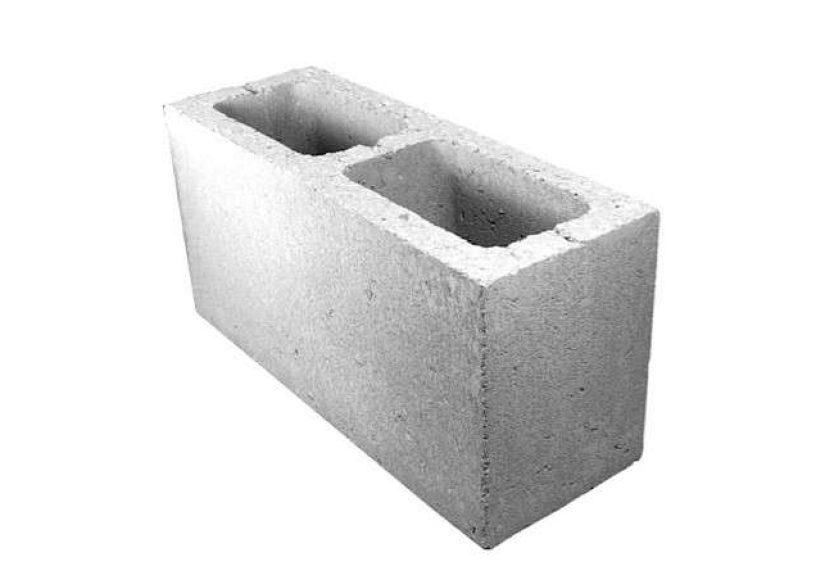
Also known as a concrete masonry unit, CMU, hollow block, or cored block, this familiar gray building block is commonly sold in nominal 8-inch by 8-inch by 16-inch dimensions. Its hollow cells reduce weight, improve handling, and create space for grout, reinforcing steel, utilities, or insulation. That simple cored shape is the reason the block is practical for homeowners, contractors, masons, landscapers, and commercial builders alike. In other words, the holes are not a flaw. They are the feature.
This guide explains what a standard cored concrete block is, how it is used, what makes it different from solid block, what ASTM C90 means, and how to choose, handle, and install it more intelligently. Whether you are planning a retaining wall, a shed base, a structural wall, or a weekend project that starts with confidence and ends with a sore back, this article will help you understand the block before you stack it.
What Is a Standard Cored Concrete Block?
A standard cored concrete block is a rectangular masonry unit made from cement, water, and mineral aggregates. The word “cored” means the block contains open internal cells, usually two or three, instead of being completely solid from face to face. These cores reduce the block’s weight and make it easier to use in reinforced masonry construction.
Most people recognize the common gray 8-inch by 8-inch by 16-inch block. In masonry language, that size is usually called the nominal size. The actual size is typically smaller, often about 7 5/8 inches high, 7 5/8 inches deep, and 15 5/8 inches long. That difference is intentional because mortar joints are normally about 3/8 inch thick. Once the blocks and mortar joints are assembled, the finished layout works neatly with the nominal module.
Why the Cores Matter
The hollow cores make the block more versatile. They allow vertical reinforcing bars to pass through the wall, then be locked in place with grout. They can also create chases for certain utilities, reduce material use, and make the block easier to lift than a fully solid masonry unit. Anyone who has carried a stack of blocks across a yard knows this is not a tiny detail. Your shoulders will vote strongly in favor of the cores.
In structural work, those cores can be filled with grout to create stronger walls. In nonstructural projects, the hollow cells still help with handling and layout. For some applications, the cores may also be partly filled with insulation or aggregate, depending on the design requirements.
Standard Sizes and Dimensions
The most common standard cored concrete block in the United States is the nominal 8 x 8 x 16 block. However, concrete masonry units come in many sizes, shapes, and configurations. Local suppliers may offer 4-inch, 6-inch, 8-inch, 10-inch, or 12-inch widths, along with specialty units such as corner blocks, bond beam blocks, half blocks, lintel blocks, sash blocks, and split-face architectural blocks.
The 8 x 8 x 16 size is popular because it balances strength, speed, and availability. It is large enough to build quickly but still manageable for one person to set by hand. A wall built from these blocks also fits well into modular construction planning, which helps reduce cuts, waste, and job-site frustration.
Nominal Size vs. Actual Size
Nominal dimensions include the expected mortar joint. Actual dimensions are the real measurements of the block itself. This distinction matters when calculating wall length, estimating materials, or building around doors, posts, footings, and corners.
For example, if you line up ten nominal 16-inch blocks with standard mortar joints, the finished wall length is designed to work close to 160 inches. If you measure only the physical blocks without accounting for the joints, your math may start behaving like it skipped breakfast. Always plan with the full masonry module in mind.
What ASTM C90 Means for Concrete Blocks
ASTM C90 is the widely referenced standard specification for loadbearing concrete masonry units in the United States. When a standard cored concrete block is labeled as meeting ASTM C90, it means the unit is manufactured to meet requirements related to materials, dimensions, strength, absorption, and classification.
This is important because not every block should be treated like a structural block. Decorative garden blocks, lightweight landscape products, or non-loadbearing units may not be suitable for structural walls. If a project involves a foundation, retaining wall, commercial building, garage wall, or any wall expected to carry load, local code requirements and the project design should guide the block selection.
Loadbearing and Nonloadbearing Uses
Standard cored concrete blocks can be used in both loadbearing and nonloadbearing applications when the units, mortar, reinforcement, grout, footing, and design are appropriate. For loadbearing walls, engineers and code officials often focus on compressive strength, reinforcement placement, grout fill, wall height, lateral loads, and exposure conditions.
For nonloadbearing projects such as garden walls, equipment screens, trash enclosures, short partitions, and utility walls, the design may be simpler, but good construction still matters. A crooked block wall is still a crooked block wall, even if it is only holding back the view of your recycling bins.
Main Benefits of Standard Cored Concrete Block
1. Strength and Durability
Concrete masonry is known for strength and long service life. A properly designed and installed CMU wall can resist impact, weather, pests, and daily wear better than many lighter wall systems. Concrete blocks do not rot, warp, or attract termites. They also tolerate moisture better than wood framing, although water management is still essential.
Durability is one of the biggest reasons standard cored concrete block is used in schools, warehouses, garages, foundations, utility buildings, site walls, and commercial spaces. It may not be glamorous, but neither is replacing a wall too soon. Concrete masonry prefers to skip that drama.
2. Fire Resistance
Concrete masonry is noncombustible and commonly used where fire resistance matters. Depending on wall thickness, aggregate type, grout fill, finishes, and assembly design, concrete block walls can contribute to rated fire-resistance assemblies. This makes CMU a practical choice for garages, multi-family buildings, mechanical rooms, stair towers, property separation walls, and commercial construction.
For homeowners, this does not mean a block wall makes a building invincible. It does mean concrete masonry can be part of a safer, more resilient wall system when designed correctly.
3. Sound Control
Concrete blocks are heavy, dense, and good at reducing sound transmission. That is why CMU walls are often used in schools, hotels, apartments, dormitories, mechanical spaces, and exterior walls exposed to traffic noise. A standard cored concrete block wall can make a space feel quieter and more solid.
If your neighbor owns a leaf blower with the enthusiasm of a marching band, you will understand the value of mass in a wall system.
4. Energy Performance and Thermal Mass
Concrete masonry has thermal mass, meaning it can absorb, store, and slowly release heat. In the right climate and wall assembly, this can help moderate indoor temperature swings. Insulation strategies vary, and hollow cores may be insulated or combined with other wall materials depending on energy-code requirements.
Standard cored concrete block should not be described as magic insulation. It is not a sleeping bag shaped like a wall. But when paired with proper insulation, air sealing, moisture control, and finishes, CMU can contribute to an energy-conscious building envelope.
5. Design Flexibility
CMU is available in many shapes, textures, colors, and finishes. Standard gray block is the basic version, but builders can also use split-face block, ground-face block, scored block, burnished block, lightweight units, architectural units, and specialty shapes. For projects where appearance matters, the block wall can be finished with stucco, paint, veneer, plaster, or decorative caps.
This makes standard cored concrete block useful beyond plain utility walls. With the right detailing, it can look clean, modern, industrial, rustic, or surprisingly polished.
Common Uses for Standard Cored Concrete Block
Foundations and Stem Walls
Concrete block is often used for foundation walls and stem walls where local building codes allow. The hollow cores make it possible to reinforce the wall with steel and grout. Proper footing design, drainage, waterproofing, reinforcement, and inspection are essential for foundation work.
Retaining Walls
Standard cored concrete blocks may be used in some retaining wall designs, especially when reinforced and grouted. However, retaining walls are serious structures because soil pressure, water buildup, frost, surcharge loads, and wall height can create major forces. For anything beyond a very low landscape wall, professional design is strongly recommended.
Garages, Shops, and Utility Buildings
CMU walls are common in garages, workshops, storage buildings, and agricultural or utility structures because they are tough and low maintenance. They can take bumps from tools, carts, equipment, and the occasional mysterious object that nobody admits they knocked over.
Privacy and Site Walls
Standard cored concrete block can create durable privacy walls, property screens, equipment enclosures, and dumpster areas. With paint, stucco, decorative block, or capstones, these walls can look much better than their humble gray beginnings suggest.
Garden and Outdoor Projects
Homeowners use cored concrete block for raised beds, benches, outdoor tables, firewood stands, shed bases, and small landscape borders. For these projects, stability and drainage still matter. Blocks should sit on a level, compacted base, and walls should not be casually stacked higher than they can safely support.
Cored Concrete Block vs. Solid Concrete Block
The main difference is the amount of open space inside the unit. A cored block has hollow cells, while a solid block has a greater percentage of concrete across its cross-section. Solid blocks may be used where mass, bearing area, or specific detailing is needed. Cored blocks are more common for general wall construction because they are lighter, easier to reinforce, and more efficient to manufacture and install.
For most standard wall work, cored CMU is the default. For special applications, project specifications may call for solid units, fully grouted cores, bond beams, pilasters, or specialty shapes. When in doubt, do not guess based on how confident the block looks. Check the plans, code, supplier data, or engineer’s instructions.
Mortar, Grout, and Reinforcement: The Supporting Cast
A concrete block wall is not just blocks. Mortar bonds the units together and helps distribute loads. Grout fills selected cores and locks reinforcement into the wall. Steel reinforcing bars add tensile strength, which concrete masonry needs because concrete is excellent in compression but much less impressive in tension.
Mortar Joints
Standard mortar joints are commonly planned around 3/8 inch thick. Consistent joints help keep the wall level, plumb, and attractive. Mortar should be mixed to the correct workable consistency: not soup, not beach sand, but something that spreads, holds shape, and bonds properly.
Grouted Cells
Not every hollow core is always filled. In reinforced masonry, the design may specify which cells receive vertical rebar and grout. Bond beams may be used to provide horizontal reinforcement. The spacing and placement depend on wall height, loads, seismic zone, wind exposure, openings, and local code requirements.
Rebar Placement
Reinforcing steel must be placed accurately. If rebar is too close to the face shell, poorly lapped, unsupported, or missing where required, the wall will not perform as designed. The block may still look strong, but looks are not structural engineering. A tuxedo does not make a penguin an architect.
How to Choose a Standard Cored Concrete Block
Start by matching the block to the project. For structural work, look for units that meet ASTM C90 and check local code requirements. Confirm the size, weight, strength, shape, and availability. If the wall will be visible, consider texture and finish. If it will be painted or coated, choose units with a surface suitable for the finish system.
For outdoor projects, think about exposure. Will the wall face freeze-thaw cycles? Heavy rain? Soil pressure? Vehicle impact? Irrigation overspray? A block that works fine for a short garden border may not be appropriate for a tall retaining wall or building foundation.
Quick Buying Checklist
- Confirm nominal and actual dimensions.
- Check whether the block meets ASTM C90 for structural uses.
- Choose the correct width for the wall design.
- Inspect blocks for major cracks, chips, or inconsistent shapes.
- Estimate extras for cuts, breakage, corners, and waste.
- Match mortar, grout, reinforcement, flashing, drainage, and coatings to the job.
Installation Basics for Better Results
Good concrete block work starts below the first course. A level, properly sized footing or base is essential. If the bottom is wrong, every course above it becomes a negotiation with gravity, and gravity is famously stubborn.
Before laying block, many masons dry-fit the first course to check layout, cuts, openings, and corners. Lines, levels, story poles, and string guides help keep the wall straight. The first course should be carefully set because mistakes there multiply upward. Mortar joints should be tooled properly to shed water and improve appearance.
Moisture Control Matters
Concrete block is durable, but walls still need drainage, flashing, weep systems, waterproofing, cap details, and proper grading where applicable. Water trapped behind or inside masonry can lead to staining, efflorescence, freeze-thaw damage, and long-term performance problems.
For retaining walls and foundation walls, drainage is not optional decoration. It is part of the wall’s survival plan. Gravel backfill, drain tile, waterproofing membranes, and positive surface drainage can make the difference between a wall that lasts and a wall that starts sending distress signals.
Maintenance and Long-Term Care
Standard cored concrete block is relatively low maintenance, but low maintenance does not mean no maintenance. Periodically inspect walls for cracks, movement, staining, loose mortar, water intrusion, leaning, or damaged caps. Small issues are easier to fix before they grow into expensive masonry soap operas.
Painted block may need recoating over time. Unpainted block can be cleaned with appropriate masonry cleaners, but harsh methods should be avoided unless recommended for the specific surface. Pressure washing can help in some cases, but too much pressure may damage mortar joints or drive water into the wall.
Common Mistakes to Avoid
Using the Wrong Block for the Job
Do not assume every gray block is structural. Some blocks are intended for landscape or nonstructural use. For loadbearing walls, confirm the specifications before construction begins.
Ignoring the Footing
A block wall is only as good as its base. An undersized, uneven, or poorly drained footing can cause cracking, settlement, and leaning. The footing is the quiet hero under the wall, and it should not be treated like an afterthought.
Skipping Reinforcement Where Required
Hollow cores make reinforcement possible, but they do not reinforce themselves. If the design calls for rebar and grout, install them correctly. Empty cells are useful, but they are not invisible steel.
Poor Water Management
Moisture problems often come from missing caps, bad grading, clogged drainage, or lack of waterproofing. Concrete block can handle a lot, but repeated water intrusion can still cause damage and staining.
Experience-Based Notes on Working With Standard Cored Concrete Block
One of the first practical lessons about standard cored concrete block is that the block teaches patience very quickly. On paper, an 8 x 8 x 16 block looks simple: stack, mortar, repeat. On a job site, that same block becomes a lesson in layout, lifting, leveling, timing, weather, and humility. The first course is where most of the future wall is decided. If it is level, square, and aligned, the work feels almost friendly. If it is rushed, every course above it becomes a correction exercise, and the wall starts arguing back.
A useful habit is to stage materials before mixing mortar. Blocks should be close enough to reach without constant walking, but not so close that they crowd the work area. Mortar, tools, water, reinforcement, line blocks, a level, jointer, brush, and trowel should all be ready. Nothing makes fresh mortar feel shorter-lived than realizing the jointer is hiding in the truck like it joined a witness protection program.
Another experience-based tip is to inspect the blocks as they come off the pallet. Small chips are normal, especially on utility walls, but badly cracked or misshapen units should be set aside for cuts or rejected if appearance or structural quality matters. For visible walls, pulling cleaner blocks for corners and faces makes the final project look more professional. Corners catch the eye first, so they deserve the best units.
When laying block, consistency beats speed. A steady rhythm helps: spread the mortar bed, butter the head joint, set the block, tap it into position, check alignment, and clean excess mortar. Rushing usually creates wavy joints, uneven courses, and a wall that looks like it heard bad news. Professional masons can move quickly because their fundamentals are automatic. Beginners should focus on clean placement and frequent checking.
Weather also matters more than many people expect. Hot, dry days can pull moisture from mortar too quickly, weakening the bond and making the work harder. Cold weather can slow curing and create serious problems if masonry freezes before it gains strength. Rain can wash out joints or fill open cores. Good masonry work respects the forecast. The sky may not read your project schedule, but it definitely edits it.
For DIY projects, one of the biggest lessons is to know when the job has crossed from “weekend project” into “call a professional.” A short garden bench or low decorative wall is one thing. A retaining wall holding back soil, a garage wall, or a foundation wall is another. Standard cored concrete block is strong, but it is not a permission slip to ignore engineering. Soil pressure, reinforcement, drainage, wind load, and code requirements all matter.
The final experience worth remembering is that block work rewards planning more than muscle. Yes, the blocks are heavy. Yes, your hands will notice. But the real difference between a frustrating job and a successful one is layout, base preparation, material choice, and patience. A standard cored concrete block is simple, honest, and unforgiving in the best possible way. Treat it correctly, and it will give you a wall that feels solid, useful, and ready for years of service.
Conclusion
Standard cored concrete block is one of the most dependable materials in American masonry construction. Its hollow-core design makes it practical to handle, efficient to reinforce, and adaptable for many residential, commercial, landscape, and utility projects. From foundations and site walls to garages and garden structures, this familiar gray block continues to earn its place because it is strong, affordable, fire-resistant, sound-dampening, and widely available.
The key is choosing the right block for the right job. Check standards, understand nominal versus actual dimensions, plan for mortar joints, manage moisture, and never ignore reinforcement or drainage when the project requires them. The block may look simple, but good masonry is built on details. Get those details right, and a standard cored concrete block becomes more than a rectangle with holes. It becomes the backbone of a wall that works.