Table of Contents >> Show >> Hide
- What Is a Stainless Steel Oil Can?
- Why Stainless Steel Works So Well for Oil
- Food-Grade Stainless Steel: What Buyers Should Know
- Key Features to Look for in a Stainless Steel Oil Can
- Stainless Steel Oil Can vs. Glass vs. Plastic
- How to Use a Stainless Steel Oil Can the Smart Way
- Who Should Buy a Stainless Steel Oil Can?
- Common Mistakes to Avoid
- Final Thoughts on the Stainless Steel Oil Can
- Experience: Living With a Stainless Steel Oil Can in a Real Kitchen
- SEO Tags
If you have ever tried to drizzle olive oil into a hot pan straight from the giant store bottle, you already know the problem: one second nothing happens, the next second your skillet looks like it just survived a small oil spill. Enter the stainless steel oil can, the humble kitchen sidekick that makes you feel oddly professional, even if you are just making Tuesday night eggs in sweatpants.
A good stainless steel oil can is not just about looking sleek on the counter, although it absolutely does that. It is also about control, freshness, durability, and keeping your cooking oil where it belongs: in the pan, on the salad, or over roasted vegetables, not running down the side of a slippery plastic bottle. For home cooks who use olive oil, avocado oil, or other everyday cooking oils, a stainless steel oil can can be a smart upgrade that combines function with long-term value.
In this guide, we will break down what a stainless steel oil can is, why so many cooks like it, what features matter most, how it compares with glass and plastic, and how to choose one that actually earns its spot in your kitchen. Because yes, even a small oil can deserves standards. High standards. Stainless standards, if you will.
What Is a Stainless Steel Oil Can?
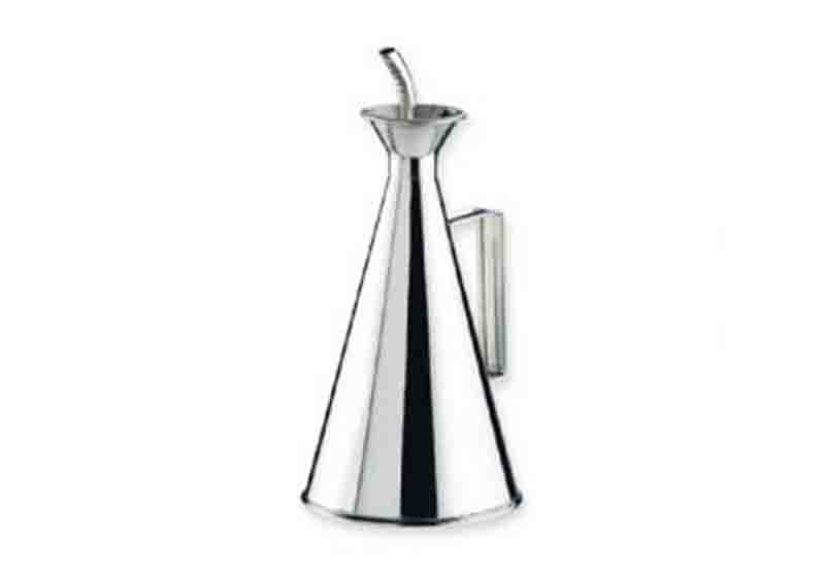
A stainless steel oil can is a food-safe container designed to store and pour cooking oil with more precision than the original retail bottle. Most models are made for olive oil, but they can also be used for vegetable oil, grapeseed oil, avocado oil, infused oil, or even vinegar when labeled separately.
Some are designed as countertop dispensers for daily cooking. Others are larger storage cans meant to keep oil protected until you decant a smaller amount into a pourer. The most common household versions include a narrow spout, a lid or flap, and a handle or shaped body that makes pouring easier.
The appeal is simple: a stainless steel oil can gives you better control, cleaner storage, and a more polished kitchen setup. It turns a messy necessity into a tool you actually enjoy using.
Why Stainless Steel Works So Well for Oil
It Helps Protect Oil From Light
One of the biggest enemies of cooking oil, especially olive oil, is light exposure. Oil quality declines faster when it is exposed to light, air, and heat. That is why storage matters. Stainless steel has a major advantage here because it is opaque. Unlike clear bottles, it does not let light in, which can help preserve flavor and freshness.
That matters most for oils you use regularly but not instantly. If your favorite extra-virgin olive oil sits on the counter all week, a stainless steel oil can provides more protection than a clear decorative bottle that looks pretty but behaves like a tiny greenhouse for oxidation.
It Is Durable and Less Fragile Than Glass
Glass dispensers can be excellent, especially dark glass, but they still have one tiny drawback: gravity exists. Stainless steel is harder to crack, chip, or shatter, which makes it especially practical in busy kitchens, homes with kids, or cooking spaces where things occasionally collide with alarming enthusiasm.
If you are the kind of cook who reaches for oil with one hand while stirring pasta with the other, durability matters. Stainless steel is forgiving in a way that fragile containers simply are not.
It Is Easy to Clean
Food-contact stainless steel is valued for corrosion resistance, chemical stability, and cleanability. In plain English, that means it is a practical material for something that touches food every day. A smooth interior is less likely to hold odors and residue than rougher materials, and a well-made oil can is typically easy to rinse and maintain.
This is especially useful if you switch oils seasonally, use infused oils, or want to keep flavors from mixing. Nobody wants last month’s garlic oil haunting today’s lemon vinaigrette.
It Looks Good Without Trying Too Hard
There is also the aesthetic factor. Stainless steel has that clean, understated, professional-kitchen vibe. It works in modern kitchens, farmhouse kitchens, minimalist kitchens, and even those wonderfully chaotic kitchens where nothing matches except the person cooking in them. A good stainless steel oil can looks intentional on the counter instead of accidental.
Food-Grade Stainless Steel: What Buyers Should Know
Not all stainless steel is exactly the same, so it helps to understand a few common terms. When shopping for a stainless steel oil can, you will often see grades like 18/8, 18/10, 304, or 316.
304 Stainless Steel
304 stainless steel is one of the most common food-grade stainless steels used in kitchen and food equipment. It is known for corrosion resistance, durability, and reliable performance in food-contact applications. For most home cooks, 304 stainless steel is a strong and sensible choice for an oil can.
18/8 and 18/10 Stainless Steel
These labels describe the proportion of chromium and nickel in the steel. An 18/8 stainless steel contains roughly 18 percent chromium and 8 percent nickel. An 18/10 version has slightly more nickel. Both are used in food-related products, and both are widely associated with good corrosion resistance and durability.
For a countertop oil dispenser, either can work well. The practical difference for the average home cook is less dramatic than the marketing language might suggest. The bigger issue is build quality: a smart spout, a secure lid, smooth seams, and a design that does not dribble like it is auditioning for a mess-making competition.
316 Stainless Steel
316 stainless steel offers even stronger corrosion resistance and is often used in more demanding food, marine, or industrial settings. It can be a premium option, but it is not essential for every household oil can. For everyday kitchen use, 304 is usually perfectly adequate.
Key Features to Look for in a Stainless Steel Oil Can
A Controlled Pour Spout
The best oil can in the world becomes annoying very quickly if it pours like a waterfall. Look for a narrow, well-designed spout that gives you steady flow for sautéing, dressing salads, or finishing dishes. A drip-resistant spout is even better, because wiping oil rings off the counter is no one’s favorite hobby.
A Lid or Dust Cover
A covered spout helps keep out dust, kitchen grease, and other countertop mysteries. It also makes the can feel cleaner between uses. If you store the oil can near the stove, this matters even more.
The Right Capacity
Capacity should match how you cook. A smaller can, around 10 to 17 ounces, is ideal for daily use because it stays easy to handle and encourages you to refill with fresh oil rather than letting a huge amount sit for too long. If you buy olive oil in bulk, keep the main supply sealed in a cool, dark place and fill the countertop can as needed.
A Comfortable Handle or Balanced Shape
Good ergonomics matter. If the can is awkward to grip, too heavy, or poorly balanced, you will notice every single time you cook. A comfortable handle or a body designed for easy holding makes a real difference in daily use.
A Wide Mouth for Refilling
This sounds boring until you try to refill a narrow-neck container without a funnel and accidentally baptize your countertop in olive oil. A wider opening makes refilling easier and cleaning less irritating.
Stainless Steel Oil Can vs. Glass vs. Plastic
Stainless Steel vs. Glass
Glass has a lot going for it. It is nonreactive, easy to clean, and popular in dispenser testing. Dark glass can also protect oil better than clear glass. Still, stainless steel wins on impact resistance, light blocking, and everyday toughness. If you are choosing between a decorative clear bottle and a stainless steel can, the stainless option is usually the more practical storage choice.
If you already own a good tinted glass dispenser and love it, there is no need to stage a dramatic breakup. But if your priority is protection plus durability, stainless steel is a very strong contender.
Stainless Steel vs. Plastic
Plastic wins on price and weight, but it generally feels less premium and less durable over time. It can also scratch, stain, and hold odors more easily. For cooks who care about kitchen aesthetics, longevity, and better long-term performance, stainless steel is usually the nicer investment.
That said, restaurant kitchens often use squeeze bottles for speed and precision. A practical home setup can borrow that idea: keep your main oil in stainless steel or a protected container, then decant a small amount into a quick-use bottle if needed.
How to Use a Stainless Steel Oil Can the Smart Way
Do Not Fill It and Forget It Forever
An oil can is a dispenser, not a time capsule. Fill it with a reasonable amount you will actually use in the near future. Freshness matters, especially for extra-virgin olive oil.
Keep It Away From the Hottest Part of the Stove
Even if stainless steel blocks light, heat still matters. Try to store the can near your cooking area, not directly above or beside constant heat. A slightly cooler counter or cabinet-adjacent spot is better for oil quality.
Clean It Regularly
Rinse and clean the can often enough to prevent residue buildup. If you notice sticky drips around the spout, do not ignore them until they evolve into a full architectural feature. A quick clean keeps the can hygienic and pleasant to use.
Label Specialty Oils
If you keep more than one oil on hand, label them clearly. This is especially helpful when using infused oils, finishing oils, or vinegar. Nobody wants to pour chili oil into pancake batter by mistake. That is a breakfast plot twist no one requested.
Who Should Buy a Stainless Steel Oil Can?
A stainless steel oil can makes sense for several kinds of cooks:
The Everyday Home Cook
If you cook often and reach for olive oil constantly, a countertop can adds convenience and better pouring control.
The Design-Conscious Kitchen Person
If you care about what stays visible on your counter, stainless steel looks cleaner and more intentional than a half-crumpled supermarket bottle.
The Bulk Oil Buyer
If you buy larger bottles or tins, decanting into a smaller stainless steel oil can makes daily use easier while helping you keep the main supply stored properly.
The Spill-Weary Realist
If you are tired of slippery bottles, greasy labels, and oil trails running down the side of containers, this is your people group.
Common Mistakes to Avoid
Choosing Style Over Function
A beautiful oil can that leaks is basically modern art with a cleanup penalty. Prioritize spout design, seal quality, and ease of cleaning.
Buying One That Is Too Large
Bigger is not always better. A huge can is heavier, clumsier, and may encourage you to keep oil sitting out longer than ideal.
Ignoring the Material Details
Look for food-grade stainless steel, preferably 304, 18/8, or 18/10. That tells you more than vague phrases like “premium metal finish,” which sounds impressive but reveals approximately nothing.
Final Thoughts on the Stainless Steel Oil Can
The best stainless steel oil can is not flashy. It is useful, durable, easy to clean, and satisfying to use every day. It helps protect oil from light, gives you better control while cooking, and makes your kitchen feel a little more organized and intentional. That is a lot of work for one small container, honestly.
If you cook often and want a practical upgrade, a stainless steel oil can is one of those small kitchen tools that quietly improves your routine. It will not chop onions, wash dishes, or explain why the smoke alarm always gets involved when you sear anything. But it will pour cleanly, look sharp, and keep your oil in better shape than the average bottle from the store. That is a respectable résumé.
Experience: Living With a Stainless Steel Oil Can in a Real Kitchen
After using a stainless steel oil can regularly, the biggest difference is not dramatic. It is cumulative. The first thing you notice is how much easier cooking feels when the oil is ready to use. You stop wrestling with oversized retail bottles. You stop wiping greasy rings off caps. You stop guessing whether the next pour will be a neat drizzle or a full-scale flood. A stainless steel oil can turns oil from a mildly annoying ingredient into a smooth part of your cooking rhythm.
There is also a small psychological shift that happens. When the oil is stored in a proper can, you tend to cook more intentionally. A quick splash for roasting vegetables becomes a controlled pour. A finishing drizzle over soup or pasta feels more deliberate. Even making a basic salad dressing seems a little more civilized. It is one of those rare kitchen tools that makes everyday meals feel nicer without demanding any extra effort from you.
In practical terms, the countertop stays cleaner. That may sound like a tiny victory, but it is the kind that adds up over weeks. The outside of a stainless steel oil can is easier to wipe than the sticky shoulder of a plastic bottle with a label that slowly turns into a gluey disaster. The can looks tidy, feels solid in the hand, and does not announce its age the way cheap plastic tends to. It ages with dignity. More kitchen tools should aspire to that.
Another real-world advantage is consistency. Once you get used to a good spout, it becomes surprisingly hard to go back. Whether you are oiling a skillet, dressing greens, or finishing grilled bread, you can control the amount better. That means less waste and fewer accidental heavy pours. Over time, you start to trust the motion. Tilt, pour, done. No drama. No puddle. No muttering under your breath while you grab a paper towel.
There is also something reassuring about the material itself. Stainless steel feels sturdy and dependable. You do not worry about it slipping from your hand and shattering on the floor. You do not baby it the way you might with a delicate cruet. In a busy household, that matters. It is a workhorse disguised as a stylish object, which is honestly the best kind of stylish object.
Of course, no oil can is magical. A bad design will still drip. A giant one will still be awkward. If you fill it with oil and park it next to a blazing stove for months, you are not exactly helping the cause. But a well-chosen stainless steel oil can, used thoughtfully, becomes one of those tools you stop thinking about because it simply works. And that might be the strongest compliment any kitchen item can get. It earns its place not by being exciting, but by being useful every single day.
SEO Tags
: