Table of Contents >> Show >> Hide
- What Are Sprouted Nuts, Exactly?
- Sprouted Nuts Nutrition: What You’re Really Eating
- Do Sprouted Nuts Have More Nutrients?
- Benefits of Sprouted Nuts: What’s Realistic (and What’s Hype)
- How to Sprout (or “Activate”) Nuts at Home
- Food Safety Notes (Worth Reading, Even If You’re Hungry)
- How to Eat Sprouted Nuts (Without Getting Bored)
- FAQ: Quick Answers to Common Sprouted Nut Questions
- Real-World “Experiences” With Sprouted Nuts (The Part No One Mentions on the Label)
- Conclusion
Nuts already have an excellent résumé: crunchy, portable, and packed with nutrients. Then along came “sprouted nuts,”
strutting around health-food aisles like they just discovered mindfulness and hydration.
The big question is: are sprouted nuts actually better, or are they just nuts with a glow-up?
Let’s break it down in plain English: what “sprouted” usually means, what changes (and what doesn’t),
the real-world benefits people notice, and a safe, step-by-step way to make them at home without turning your kitchen
into a science fair gone rogue.
What Are Sprouted Nuts, Exactly?
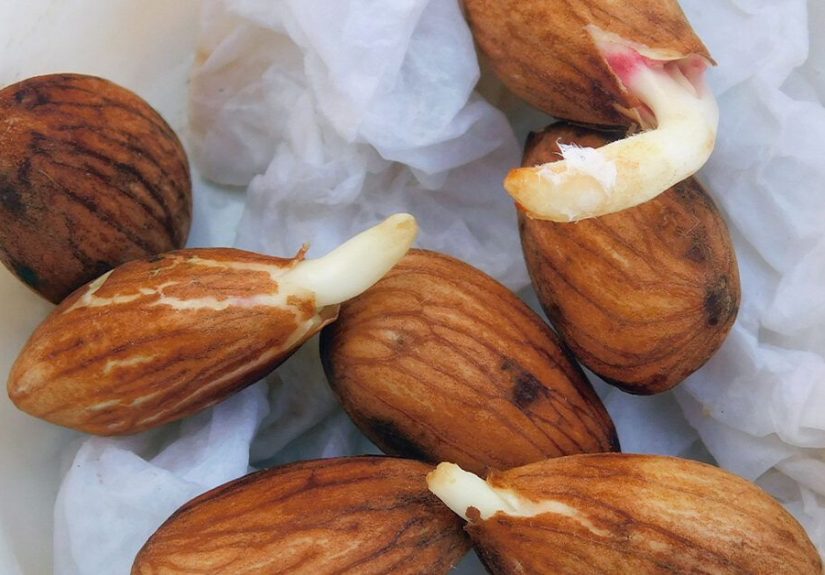
“Sprouted” sounds like tiny green tails and a nature documentary voiceover. In reality, most products labeled
sprouted nuts are more accurately soaked and dehydrated nuts.
That’s because many nuts don’t reliably sprout the way beans or alfalfa seeds do.
They’re still seeds, but they often need very specific conditions to truly germinate.
Sprouted vs. Activated vs. Soaked
- Soaked nuts: Raw nuts soaked in water for several hours, then drained.
- Activated nuts: A trendy label that usually means soaked (often in salted water) and then dried.
- Sprouted nuts: Nuts soaked and held long enough to begin germination (when it actually happens).
Here’s a practical reality check: in the U.S., many “raw” almonds are treated for food safety,
which can affect how well they sprout (or whether they sprout at all). That’s not a flawit’s a safety feature.
It just means your “sprouting” project might end up being a “soak and crisp” project, which is still totally useful.
Sprouted Nuts Nutrition: What You’re Really Eating
Before we talk sprouting, it helps to remember why nuts are popular in the first place. In general, nuts bring:
- Healthy fats (mostly unsaturated)
- Plant protein (helpful for fullness)
- Fiber (supporting digestion)
- Micronutrients like magnesium, potassium, zinc, and more (varies by nut)
- Vitamin E (especially in almonds)
- Natural antioxidants (different types across different nuts)
A quick, concrete example
A typical 1-ounce serving of almonds (about a small handful) is around 160–170 calories and includes
roughly 6 grams of protein and a few grams of fiber, plus vitamin E and magnesium.
Different nuts shift the balance: walnuts are famous for omega-3 (ALA), pistachios bring more potassium,
and cashews tend to be slightly higher in carbs.
Bottom line: whether raw, roasted, soaked, or “sprouted,” nuts remain a nutrient-dense food.
Sprouting/soaking is more about how your body experiences them (texture, digestibility, flavor)
than turning a nut into a completely different food.
Do Sprouted Nuts Have More Nutrients?
This is where the internet gets… enthusiastic. You’ll see claims like “sprouting removes all antinutrients”
or “activated nuts supercharge mineral absorption.” The science is more measured.
Phytates (aka phytic acid): the “antinutrient” headline
Nuts contain phytate, a natural plant compound that can bind to minerals like iron and zinc,
which may reduce absorption in certain contexts. That’s why it’s often labeled an “antinutrient.”
But phytate is also being studied for potential benefits (like antioxidant activity), so it’s not a cartoon villain
twirling a mustache over your multivitamin.
What soaking/sprouting seems to change (and what it doesn’t)
-
Phytate reduction from soaking nuts appears modest. Some studies find only small changes
in phytate levels after soaking. -
Mineral content can drop with soaking because minerals can leach into the soaking water
(especially if nuts are chopped). -
Digestibility and texture can change more than nutrition. Many people feel soaked nuts
are easier to chew, less harsh on the stomach, and more pleasant to eatespecially once dried back to a crunch.
Translation: sprouted nuts are not “fake,” but they’re also not magic.
If you’re generally healthy and eating a balanced diet, the difference in mineral absorption from phytates
is usually not the make-or-break factor in your nutrition.
Benefits of Sprouted Nuts: What’s Realistic (and What’s Hype)
1) Easier chewing and a softer bite
Soaking makes nuts less rigid. If you have braces, sensitive teeth, or just don’t enjoy fighting an almond like it’s a
jaw-strengthening exercise, soaked nuts can be a relief. This is one of the most consistent “benefits,” and it’s simple:
water changes texture.
2) Potentially easier digestion for some people
Some people report fewer stomach complaints with soaked/activated nuts. That may be due to texture changes,
softer fiber, or simply eating a slower, smaller portion because soaked nuts feel more filling.
Not everyone notices a differencebut if you do, it’s a practical reason to keep doing it.
3) Flavor: less bitterness, more “buttery”
Depending on the nut, soaking can mellow sharp notes. After drying, the flavor often lands somewhere between raw and
roastedcleaner than roasted, but less “green” than straight raw.
4) Crunch control (yes, that’s a thing)
If you dehydrate soaked nuts until they’re truly dry, you can get an extra crisp crunch that works well for granola,
yogurt bowls, salads, and trail mix. It’s like giving your snack a better soundtrack.
What sprouted nuts probably won’t do
- “Detox” you (your liver is already employed full-time).
- Turn a high-calorie food into a low-calorie food (physics remains undefeated).
- Fix mineral deficiencies on their own if your diet is lacking overall.
How to Sprout (or “Activate”) Nuts at Home
The safest, most realistic home method is: soak → rinse → dry thoroughly.
True sprouting (actual germination) may happen with certain nuts (like truly raw almonds), but you don’t need it to get
the texture and flavor benefits.
What you’ll need
- Raw nuts (unsalted, unroasted)
- A large bowl or jar
- Water (filtered is nice, but clean tap water is usually fine)
- A strainer
- Clean towel or paper towels
- Dehydrator or oven (optional but strongly recommended for storage and crunch)
Step 1: Choose the right nuts
Look for raw, unsalted nuts. Roasted nuts won’t sprout because they’ve been heated.
Also note: some nuts (like cashews) are often heat-treated during processing; they may soak fine but won’t truly sprout.
Step 2: Soak
Cover nuts with plenty of water (they expand). A general range is 6–12 hours.
Softer nuts may need less time; firmer nuts may need more. If you want the “activated” style many brands use,
add a small pinch of salt to the soak water.
Common-sense soaking guide (not a strict rulebook):
- Almonds: 8–12 hours
- Walnuts / pecans: 4–8 hours
- Cashews: 2–4 hours (they soften fast)
- Hazelnuts: 8–12 hours
Step 3: Drain and rinse well
Drain the soaking water (this is where some compounds and minerals may end up). Rinse the nuts thoroughly under cool
running water. This step is also about cleanliness.
Optional Step 4: “Sprout” (attempt germination)
If you’re aiming for true sprouting, place the drained nuts in a jar covered with a breathable cloth (or a sprouting lid),
tilt the jar so excess water can drain, and rinse/drain 1–2 times a day. If sprouting happens, you may see a tiny
white “tip” appear (often more of a nub than a dramatic tail).
Important: if anything smells funky, looks slimy, or feels “off,” don’t power through. Toss it. Your goal is crunchy
deliciousness, not an unplanned biology lesson.
Step 5: Dry thoroughly (the step that makes this worth it)
To store soaked nuts safely and get that “sprouted nuts” crunch, dry them until they’re no longer moist inside.
A dehydrator is ideal because it dries evenly.
- Dehydrator: 105–135°F (40–57°C) for 12–24 hours, depending on nut size and moisture.
- Oven: Use the lowest setting, keep the door slightly cracked if needed, and stir/turn occasionally.
Nuts should feel dry and crisp, not bendy. Let them cool completely before storing (warm nuts can trap steam and
reintroduce moisture).
Food Safety Notes (Worth Reading, Even If You’re Hungry)
Sprouting seeds is a known food safety risk because warm, humid conditions can help bacteria multiply.
Nuts aren’t usually sprouted like alfalfa, but any wet food held too long at warm temperatures can be risky.
Simple safety rules
- Wash hands, use clean jars/bowls, and rinse thoroughly.
- If your kitchen is very warm, consider soaking in the fridge.
- Dry nuts completely for storage. Moist nuts can spoil or mold.
- Store dried nuts in an airtight container; for longer storage, use the fridge or freezer.
If you are pregnant, immunocompromised, or cooking for someone who is, be extra careful with any “sprouting” practice.
When in doubt, skip the germination step and stick to soaking + thorough drying, or buy from reputable brands.
How to Eat Sprouted Nuts (Without Getting Bored)
Snack ideas
- Eat as-is with a pinch of cinnamon or cocoa powder (no sugar required, but no judgment either).
- Mix into trail mix with dried fruit and dark chocolate chips.
- Chop and sprinkle over oatmeal, yogurt, or smoothie bowls.
- Use as a crunchy salad topper instead of croutons.
Kitchen upgrades
- Nut butter: Dried activated nuts blend into a creamy spread with a mild flavor.
- Homemade granola: Use sprouted nuts for a clean crunch.
- Plant-based sauces: Blend with herbs, garlic, lemon, and water for a quick creamy dressing.
FAQ: Quick Answers to Common Sprouted Nut Questions
Are sprouted nuts healthier than regular nuts?
They can be a great optionespecially if you prefer the taste or find them easier to digestbut they’re not automatically
“healthier” in a dramatic, life-changing way. The biggest differences tend to be texture and personal comfort.
Do sprouted nuts have fewer antinutrients?
Soaking can change phytate levels, but research suggests the changes may be modest for whole nuts.
Also, phytate isn’t purely negativeit can have potential benefits too. For most people, variety in the diet matters more
than obsessing over one compound.
Why are sprouted nuts more expensive?
Because time and drying cost money. The process adds labor, equipment, and extra steps. If you love them, buy them.
If you mostly want the vibe, you can DIY for cheaper.
Can I just soak and eat them without drying?
You can, but treat them like a perishable food. Keep them refrigerated and eat within a short window.
For longer storage and better crunch, drying is the move.
Real-World “Experiences” With Sprouted Nuts (The Part No One Mentions on the Label)
If you’ve ever tried making sprouted (or activated) nuts at home, you know the first “experience” is emotional:
you feel extremely responsible. Suddenly you’re rinsing almonds like they’re tiny pets who need
fresh water twice a day. And honestly? That’s kind of the charm.
The second experience is sensory. Soaked nuts smell differentcleaner, sometimes a little sweeter, sometimes just…
“wet nut,” which is not a phrase anyone asked for, but here we are. The texture shift is real: raw almonds can be
firm and sharp-edged; soaked almonds become softer and slightly buttery. If you’ve got sensitive teeth or braces,
that softer bite can feel like a small miracle.
Then comes the plot twist: the “sprout” you imagined (a cute little tail) is often more like a tiny pale dot.
People expect a dramatic transformation and instead get a subtle change that whispers, “Hello, I tried.”
That’s normal. Many nuts just don’t sprout theatrically in a home setupespecially if they’ve been treated for safety.
The win isn’t always the sprout; it’s the final crunch after drying.
Drying is where most first-timers learn patience. You put the nuts in the dehydrator (or the oven on low),
check after six hours, and they’re still… not done. It’s a slow process, and the payoff is surprisingly satisfying:
fully dried activated nuts can taste cleaner and crispier than raw nuts, almost like a fresh, “snack-bar” crunch.
Once you nail the dryness level, you’ll understand why brands sell these at premium prices.
People also learn the “storage lesson” quickly. If nuts aren’t dried enough and you seal them in a jar,
they can turn stale or weird fast. But if they’re truly dry, they keep wellespecially in the fridge or freezer.
A lot of home cooks end up doing a weekly rhythm: soak on a Friday night, rinse Saturday, dry overnight, and then
stash a jar for easy breakfasts and snacks all week.
Finally, there’s the social experience: once you tell someone you “sprout nuts,” you will get one of two reactions:
(1) “That’s so healthy!” or (2) “Why are you doing science to your snack?” Both are fair. The best part is that you
don’t need to defend it with wellness buzzwords. You can just say the truth: “I like the taste and the crunch.”
Nutrition should be practical, not a performance.
If you try it and love it, greatmake it part of your routine. If you try it once and decide you’d rather eat a handful
of normal nuts and move on with your life, also great. Either way, you’re still eating a nutrient-dense food that has
strong evidence behind it as part of a heart-healthy eating pattern.
Conclusion
Sprouted nuts are best understood as soaked, rinsed, and thoroughly dried nutsoften with a texture and flavor
upgrade, and sometimes with small shifts in certain compounds. They can be easier to chew, pleasant to digest for some
people, and fun to use in everyday meals. Just keep expectations realistic: they’re not a nutrition cheat code, but they
are a tasty, practical option if you enjoy them.