Table of Contents >> Show >> Hide
- What Are Spanish Noodles with Shrimp and Peas?
- Why This Recipe Works
- Ingredients
- How to Make Spanish Noodles with Shrimp and Peas
- Recipe Card: Spanish Noodles with Shrimp and Peas
- Expert Tips for the Best Spanish Noodles
- Variations and Substitutions
- What to Serve with Spanish Noodles with Shrimp and Peas
- Storage and Reheating
- Common Mistakes to Avoid
- Nutrition and Food Safety Notes
- Conclusion
- Kitchen Experience: What Cooking Spanish Noodles with Shrimp and Peas Feels Like
- SEO Tags
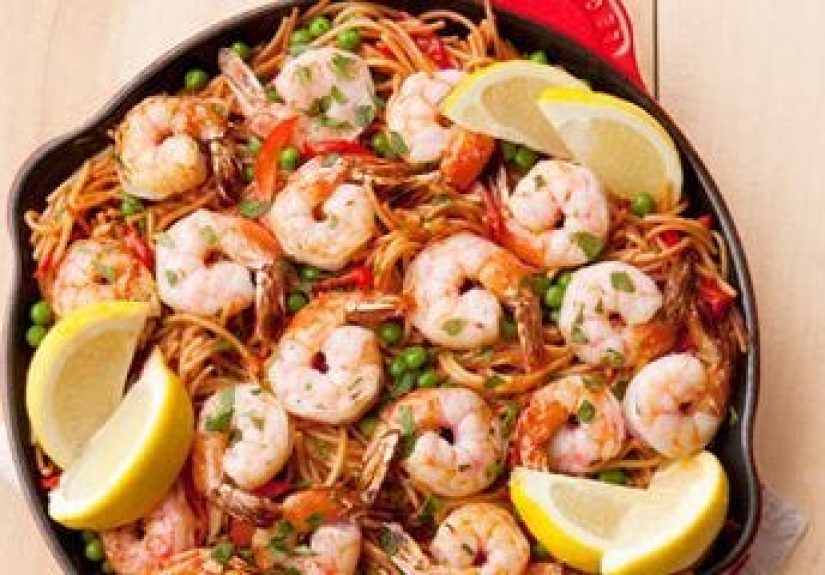
Spanish noodles with shrimp and peas is the kind of dinner that makes a regular Tuesday feel like someone opened a tiny seaside restaurant in your kitchen. It is bold, fragrant, colorful, and happily cooked in one pan, which means fewer dishes and more time to pretend you are eating near the Mediterranean instead of standing next to the sink wondering where all the forks went.
This recipe is inspired by fideuà, Spain’s beloved noodle cousin of paella. Instead of rice, short noodles are toasted in olive oil until nutty, then simmered in a saffron-scented tomato broth with garlic, smoked paprika, sweet peas, and juicy shrimp. The result is not exactly pasta, not exactly paella, and absolutely not boring. The noodles soak up the broth, the shrimp stay tender, and the peas add little pops of sweetness that keep every bite lively.
If you are searching for a Spanish noodles with shrimp and peas recipe that feels impressive but does not require chef-level juggling, this version is built for you. It uses accessible ingredients, practical timing, and clear steps so the final dish lands with big flavor and minimal drama. The only real danger is that everyone at the table may suddenly develop very strong opinions about who gets the crispy bottom bits.
What Are Spanish Noodles with Shrimp and Peas?
Spanish noodles with shrimp and peas are a seafood noodle dish inspired by traditional fideuà, a coastal Spanish specialty commonly associated with Valencia and Catalonia. In classic fideuà, short noodles called fideos are cooked in a wide pan with seafood stock, tomatoes, garlic, paprika, saffron, and seafood. Think of it as paella’s fun cousin who brought pasta to the party and somehow made everyone happier.
The defining technique is simple but powerful: toast the noodles before adding liquid. This changes everything. Dry pasta becomes golden, slightly nutty, and able to absorb broth without turning into a soft pile of regret. When the noodles simmer in a tomato-rich seafood broth, they take on deep flavor from the inside out.
This recipe keeps the spirit of fideuà while making it friendly for an American home kitchen. You do not need a paella pan, a wood fire, or a fishmonger who knows your life story. A large oven-safe skillet works beautifully. Shrimp cooks quickly, frozen peas are convenient and sweet, and pantry spices like smoked paprika and saffron bring the dish its signature Spanish-style warmth.
Why This Recipe Works
1. Toasted noodles build flavor before the broth even enters the pan
Toasting the noodles in olive oil gives them a roasted, nutty flavor and helps them hold their shape. This step is small, but skipping it is like going to a concert and leaving before the guitar solo. The noodles become golden and fragrant, then later soak up broth like tiny flavor sponges.
2. Sofrito creates the base
A Spanish-style sofrito usually begins with onion, garlic, tomato, and olive oil. Here, we cook onion and bell pepper until soft, add garlic, then stir in grated tomato or crushed tomatoes. The tomato reduces slightly, becoming sweeter and more concentrated. That base gives the noodles a savory foundation instead of making them taste like they were merely introduced to sauce in passing.
3. Shrimp is added late so it stays juicy
Shrimp can go from tender to rubber band very quickly. For this reason, the noodles cook most of the way before the shrimp is nestled on top. The steam and heat from the skillet finish the shrimp gently, keeping it plump, pink, and flavorful.
4. Peas brighten the dish
Peas are not just there for color, though they do make the pan look cheerful. They add sweetness, texture, and a fresh spring-like flavor that balances the smoky paprika and seafood-rich broth. Frozen peas work especially well because they cook quickly and do not require any prep.
Ingredients
For 4 servings
- 8 ounces fideos, broken angel hair pasta, or thin spaghetti broken into 1-inch pieces
- 1 pound large shrimp, peeled and deveined
- 3 tablespoons extra-virgin olive oil, divided
- 1 small yellow onion, finely chopped
- 1 red bell pepper, finely diced
- 4 garlic cloves, minced
- 1 cup grated fresh tomato or canned crushed tomatoes
- 1 teaspoon smoked paprika
- 1/4 teaspoon sweet paprika, optional
- 1 generous pinch saffron threads
- 3 cups seafood stock, chicken broth, or vegetable broth
- 1/2 cup dry white wine, optional
- 1 cup frozen peas
- 1 teaspoon kosher salt, plus more to taste
- 1/2 teaspoon freshly ground black pepper
- 1/4 teaspoon red pepper flakes, optional
- 1 lemon, cut into wedges
- 2 tablespoons chopped fresh parsley
- Garlic aioli or mayonnaise mixed with lemon and garlic, optional for serving
Ingredient Notes
Fideos: Fideos are short Spanish noodles often used in soups and fideuà. If you cannot find them, break angel hair pasta or thin spaghetti into short pieces. It is slightly chaotic but very satisfying, like culinary bubble wrap.
Saffron: Saffron gives the dish its golden aroma and subtle floral flavor. A little goes a long way. If saffron is not available, you can still make a delicious version with smoked paprika and a pinch of turmeric for color, though the flavor will be different.
Shrimp: Large shrimp are ideal because they cook quickly but remain juicy. Frozen shrimp are perfectly fine; thaw them first and pat them dry so they sear instead of steaming too early.
Peas: Frozen peas are convenient, sweet, and reliable. Add them near the end so they stay bright and tender rather than dull and mushy.
How to Make Spanish Noodles with Shrimp and Peas
Step 1: Warm the broth
In a small saucepan, warm the seafood stock or broth over low heat. Crumble the saffron into the warm liquid and let it bloom while you prepare the rest of the dish. This helps the saffron release its color and aroma evenly.
Step 2: Season the shrimp
Pat the shrimp dry with paper towels. Toss them with 1 tablespoon olive oil, a pinch of salt, black pepper, and a small pinch of smoked paprika. Set aside while you toast the noodles and build the sofrito.
Step 3: Toast the noodles
Heat 1 tablespoon olive oil in a large, wide skillet over medium heat. Add the fideos or broken pasta and cook, stirring often, for 4 to 6 minutes, until the noodles turn golden brown. Watch closely because thin pasta can go from toasted to “call the fire department” faster than expected. Transfer the toasted noodles to a bowl.
Step 4: Build the sofrito
Add the remaining 1 tablespoon olive oil to the skillet. Add onion and bell pepper. Cook for 5 to 7 minutes, stirring occasionally, until softened. Add garlic and cook for 30 seconds, just until fragrant. Stir in the tomato, smoked paprika, sweet paprika, red pepper flakes if using, and a pinch of salt. Cook for 5 minutes, allowing the tomato to thicken and darken slightly.
Step 5: Add wine and broth
Pour in the white wine, if using, and scrape up any browned bits from the bottom of the pan. Let it bubble for 1 to 2 minutes. Add the warm saffron broth and bring everything to a steady simmer.
Step 6: Cook the noodles
Return the toasted noodles to the skillet and spread them evenly. Simmer uncovered for 6 to 8 minutes, stirring once or twice at the beginning, until the noodles are almost tender and most of the liquid has been absorbed. After that, resist the urge to stir constantly. Letting the noodles sit helps the bottom develop a lightly crisp texture.
Step 7: Add peas and shrimp
Scatter the frozen peas over the noodles. Nestle the shrimp on top in a single layer. Cover the skillet and cook for 3 to 5 minutes, until the shrimp are pink, opaque, and firm. If your skillet is oven-safe, you can also place it under the broiler for 2 to 3 minutes to crisp the top lightly.
Step 8: Rest and serve
Remove the skillet from the heat and let the noodles rest for 5 minutes. Finish with chopped parsley and lemon wedges. Serve with garlic aioli on the side if you want the full “I definitely know what I am doing” restaurant effect.
Recipe Card: Spanish Noodles with Shrimp and Peas
- Prep Time: 15 minutes
- Cook Time: 30 minutes
- Total Time: 45 minutes
- Servings: 4
- Cuisine: Spanish-inspired
- Course: Main dish
Instructions Summary
- Warm broth with saffron.
- Season shrimp and set aside.
- Toast fideos or broken pasta in olive oil until golden.
- Cook onion, bell pepper, garlic, tomato, and paprika into a sofrito.
- Add wine, then saffron broth.
- Return noodles to the pan and simmer until almost tender.
- Add peas and shrimp, cover, and cook until shrimp are opaque.
- Rest for 5 minutes, garnish with parsley, and serve with lemon and aioli.
Expert Tips for the Best Spanish Noodles
Use a wide pan
A wide skillet gives the noodles more surface area, which helps them absorb broth evenly and develop texture. A deep pot will still cook the dish, but it will behave more like pasta stew than Spanish noodle paella.
Do not drown the noodles
The goal is not to boil pasta in a lake. Add enough broth for the noodles to absorb, but not so much that the dish turns soupy. If the pan looks dry before the noodles are tender, add a splash more hot broth.
Keep shrimp in one layer
Shrimp cooks best when it has direct contact with steam and heat. Piling shrimp into a mountain may look generous, but it creates uneven cooking. Spread them out so each piece has room to turn pink and opaque.
Let the dish rest
Resting allows the noodles to finish absorbing the broth and settle into the right texture. It also saves your tongue from the heroic but unnecessary experience of meeting molten tomato broth at full temperature.
Variations and Substitutions
Make it spicy
Add extra red pepper flakes or a pinch of cayenne with the paprika. You can also drizzle chile oil over the finished dish.
Add more seafood
Mussels, clams, squid, or chunks of firm white fish can be added for a more traditional seafood-style fideuà. Add delicate seafood near the end so it does not overcook.
Use chicken broth instead of seafood stock
Seafood stock gives the deepest coastal flavor, but chicken broth works well and is easier to find. Vegetable broth is also a good option for a lighter base.
Make it vegetarian
Skip the shrimp and use chickpeas, artichoke hearts, roasted red peppers, or mushrooms. Use vegetable broth and finish with lemon, parsley, and aioli.
Add chorizo
For a smoky, richer version, sauté a small amount of Spanish-style chorizo before adding the onion and bell pepper. Use it as an accent, not the whole personality of the dish.
What to Serve with Spanish Noodles with Shrimp and Peas
This dish is hearty enough to stand alone, but a few simple sides make it feel like a complete Spanish-inspired meal. Serve it with a crisp green salad, roasted asparagus, grilled zucchini, or crusty bread for scooping up any remaining sauce. Lemon wedges are essential because their brightness wakes up the shrimp, broth, and paprika.
Garlic aioli is optional but highly recommended. A spoonful on top melts into the hot noodles and creates a creamy contrast to the smoky, savory base. If you do not want to make aioli from scratch, stir grated garlic, lemon juice, and a little olive oil into good-quality mayonnaise. Nobody needs to know. Your secret is safe with the peas.
Storage and Reheating
Store leftovers in an airtight container in the refrigerator for up to 2 days. Because shrimp can become tough when reheated, warm leftovers gently in a skillet over low heat with a splash of broth or water. Cover the pan for a few minutes to steam the noodles back to life.
Freezing is not ideal for this recipe. The noodles can soften, and shrimp may lose its pleasant texture. If you want to prep ahead, chop the vegetables, thaw the shrimp, and measure the spices in advance. The actual cooking is quick enough for a weeknight.
Common Mistakes to Avoid
Burning the noodles
Toasted is good. Charcoal is not. Stir frequently and keep the heat at medium. Once the noodles are golden and smell nutty, remove them from the pan.
Adding shrimp too early
Shrimp cooks quickly, so add it near the end. If it cooks for the entire simmering time, it may become dry and springy.
Skipping the lemon
Lemon juice balances the richness of the olive oil, broth, and paprika. Without it, the dish may taste flat. With it, everything suddenly stands up straight and behaves.
Using too much liquid
Spanish-style noodles should be tender and moist, not floating. Start with the recommended amount of broth and add only a little more if needed.
Nutrition and Food Safety Notes
Shrimp is a lean protein that cooks quickly and pairs well with vegetables, grains, and pasta. For food safety, shrimp should be cooked until the flesh is firm, pearly, and opaque. When using a thermometer, seafood is generally considered safely cooked at 145°F.
Peas add fiber, plant-based protein, and natural sweetness. They are especially useful in quick recipes because frozen peas cook in minutes and do not need thawing before going into the skillet. Together, shrimp and peas make this Spanish noodle recipe feel satisfying without being heavy.
Conclusion
Spanish noodles with shrimp and peas is a beautiful example of how a few smart techniques can turn simple ingredients into something memorable. Toast the noodles, build a rich sofrito, use warm saffron broth, add shrimp at the right moment, and finish with lemon. That is the whole magic trick.
This recipe brings together the comfort of pasta, the drama of paella, and the ease of a one-pan dinner. It is casual enough for a weeknight but special enough for guests, especially if you bring the skillet straight to the table and let everyone admire the golden noodles before diving in. Just be prepared: once people taste the crispy edges, polite conversation may briefly pause.
Kitchen Experience: What Cooking Spanish Noodles with Shrimp and Peas Feels Like
The first time you make Spanish noodles with shrimp and peas, the recipe may look like pasta trying to sneak into paella’s family reunion. Then the noodles hit the olive oil, start turning golden, and the whole kitchen changes. Toasted fideos smell warm and nutty, almost like fresh bread crust. This is usually the moment when someone wanders in and asks, “What are you making?” even though they ignored you completely when you were chopping onions five minutes earlier.
One of the best parts of this dish is how interactive it feels. You are not simply boiling noodles and dumping sauce on top. You are building layers. The onion softens, the pepper sweetens, the garlic jumps in with its usual dramatic entrance, and the tomato thickens into a deep red base. When smoked paprika hits the pan, the aroma becomes unmistakably cozy. It has that campfire-meets-seaside quality that makes the dish feel bigger than the ingredient list.
The broth stage is where patience pays off. As the noodles simmer, they begin to drink in the saffron-tinted liquid. You can see the pan transforming from soup to dinner. The noodles swell, the color deepens, and little bubbles rise between the strands. It is tempting to stir constantly, but the best move is restraint. Let the noodles settle. Let the bottom get a little crisp. Let the pan do its quiet, delicious work.
Adding the shrimp near the end always feels like the grand finale. Raw shrimp may look gray and unimpressed, but within minutes they turn pink and curl gently into the noodles. The peas brighten everything instantly. Their sweetness is small but important, like a good supporting actor who steals two scenes and makes the whole movie better. A squeeze of lemon at the end pulls the flavors into focus, cutting through the richness and making the seafood taste fresher.
Serving this dish family-style is the most rewarding approach. Place the skillet in the center of the table, scatter parsley over the top, add lemon wedges around the edges, and offer aioli for spooning. The first scoop is usually soft and saucy; the second scoop may reveal those prized toasted bits from the bottom. In many kitchens, those crispy noodles become the unofficial treasure. No one says they are competing for them, but watch the serving spoon. People reveal themselves.
This recipe is also flexible in real life, which matters. If you forgot seafood stock, chicken broth works. If you only have thin spaghetti, break it up and carry on. If your peas are still frozen, perfect. If you want extra vegetables, add artichokes, roasted peppers, or asparagus. The dish forgives small changes as long as you respect the core technique: toast the noodles, season the broth, and do not overcook the shrimp.
After making it a few times, Spanish noodles with shrimp and peas becomes less of a strict recipe and more of a rhythm. Toast, sauté, simmer, steam, rest, finish. It is the kind of meal that teaches you confidence because the results look impressive, but the process is completely manageable. Best of all, it tastes like something you ordered on vacation, even if you cooked it while wearing slippers and listening to the dishwasher complain in the background.