Table of Contents >> Show >> Hide
- The Blue Fur Mystery: Real Dogs, Wrong Assumptions
- Why Are There Dogs at Chernobyl in the First Place?
- What Science Has Found About the Dogs of Chernobyl
- Could Radiation Ever Affect Appearance?
- The Dogs’ Real Story Is Less About Color and More About Survival
- What the Blue Dogs Reveal About How We Read Science
- Experiences From the Edge of Chernobyl: What This Story Really Feels Like
- Conclusion
Note: Yes, dogs with bright blue fur were really seen in the Chernobyl exclusion zone. No, the best available evidence does not suggest they turned blue because of radiation. Reality, as usual, is both less sci-fi and somehow more bizarre.
At first glance, the headline sounds like the setup for a low-budget apocalypse movie: some dogs at Chernobyl have turned blue. You can practically hear the ominous soundtrack already. But the real story is more interesting than a cheap mutant cliché, because it sits at the crossroads of science, animal welfare, internet mythmaking, and the long, radioactive shadow of one of history’s worst nuclear disasters.
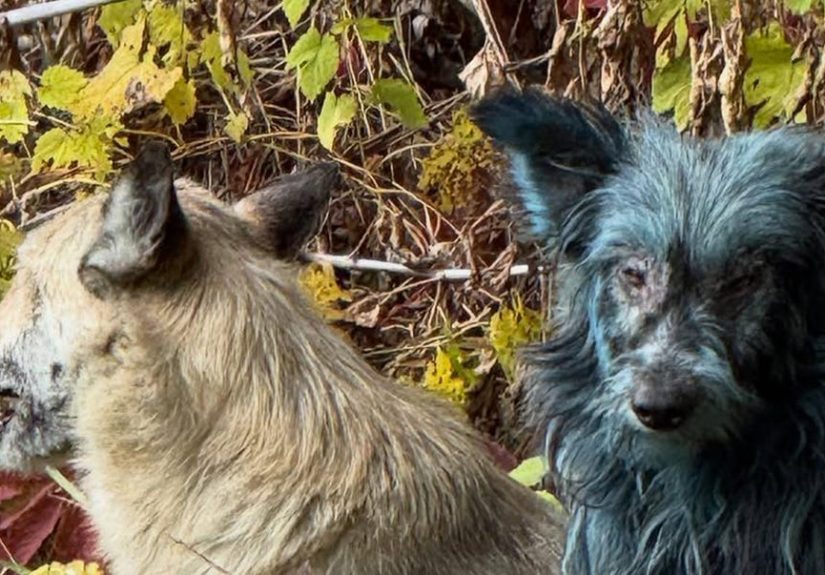
The short version is this: a few dogs in the Chernobyl exclusion zone were recently spotted with vivid blue fur, and the most likely explanation is not some dramatic radiation-powered makeover. Instead, animal welfare workers and researchers believe the color probably came from contact with a blue chemical substance, possibly from a leaking portable toilet or similar material. In other words, these were not nuclear Smurf dogs. They were almost certainly dogs being very, very dog-like in a very strange place.
Still, the story exploded online because Chernobyl is not just any place. Mention it, and people immediately imagine glowing forests, mysterious mutations, and wildlife that looks like it wandered out of a comic book. The truth is both simpler and more fascinating. The dogs of Chernobyl are real, they matter to scientists, and they may help researchers better understand how animals survive in contaminated environments. But the blue fur headline only makes sense when you zoom out and look at the full picture.
The Blue Fur Mystery: Real Dogs, Wrong Assumptions
What made the blue-dog story spread so quickly was not just the photos. It was the location. If a dog in suburban Ohio turned blue, most of us would assume it rolled in paint, shampoo, or something suspiciously arts-and-crafts-adjacent. But if a dog in Chernobyl turns blue, the internet immediately reaches for the word mutation like it is grabbing the last snack at a party.
That leap is understandable, but it is not supported by the evidence. The nonprofit teams working with the animals made it clear that they were not linking the blue color to radiation. Reports indicated that the dogs otherwise appeared active and healthy, which also points away from the kind of catastrophic biological event people imagine when they hear “radiation.” A temporary external stain is a much more plausible explanation than a sudden inherited change in coat color.
And honestly, that makes sense. Radiation exposure does not usually produce cartoonishly neat cosmetic effects. Biology is rude like that. It is more likely to damage cells, affect tissues, increase cancer risk, or create subtle long-term changes than to hand out bright cobalt fur as if nature accidentally opened the wrong filter menu.
There is also a practical scientific reason not to overreact. External contamination or staining can happen when material gets on skin, hair, or fur. That does not automatically mean the color reflects a deep biological transformation. Sometimes blue is just blue. Sometimes a weird dog photo is not a portal into speculative fiction. Sometimes the dog rolled in something gross and kept moving.
Why Are There Dogs at Chernobyl in the First Place?
To understand why these animals matter, you have to go back to April 1986, when Reactor No. 4 at the Chernobyl nuclear power plant exploded during a botched safety test. The disaster triggered fires, released large amounts of radioactive material, and forced a massive evacuation. More than 300,000 people were eventually displaced, and a roughly 30-kilometer exclusion zone became the most famous no-go area on Earth.
Humans left. Many animals did not.
Among the most haunting legacies of that evacuation were the pets that residents had to abandon. Over time, some of those dogs survived, reproduced, and formed free-roaming populations in and around the plant, Chernobyl City, checkpoints, and nearby settlements. Today, there are still hundreds of dogs living in the exclusion zone. Animal welfare groups estimate that more than 250 roam near the power plant, more than 225 live in Chernobyl City, and many more move around the broader zone.
That reality is heartbreaking and scientifically important at the same time. These dogs are not mythical beasts. They are living descendants of domestic animals that were left behind by history. Their presence turns Chernobyl from a frozen symbol into something more complicated: a place where disaster, survival, neglect, adaptation, and ordinary life keep colliding in strange ways.
What Science Has Found About the Dogs of Chernobyl
The dogs are not just famous because they live in an eerie place. Scientists have been studying them because they may serve as a useful model for understanding long-term exposure to contaminated environments. Dogs share environments with humans more closely than many wild species do, and that makes them especially interesting as sentinels for health and ecological research.
One major genetic study examined more than 300 free-roaming dogs from populations living near the nuclear power plant and farther away in Chernobyl City and Slavutych. Researchers found that the dogs near the plant are genetically distinct from dogs living only a short distance away. That is striking. You would not necessarily expect free-roaming dogs in nearby places to separate so clearly.
But here is the part that matters most: genetically distinct does not automatically mean radiation-mutated in the way people casually imagine. The dogs near the plant may differ for multiple reasons, including isolation, breeding patterns, founder effects, selective pressures, or a combination of environmental factors. Some populations near the plant also appear more inbred or more tightly clustered than dogs from other locations.
In plain English, the science says, “These dogs are different,” but it does not say, “Radiation gave them spectacular mutant traits and painted their fur blue.” That difference is doing a lot of heavy lifting.
Distinct, But Not Proven to Be Mutating Faster
A later and deeper analysis pushed the story even further away from the internet’s favorite explanation. Researchers looked for evidence that increased mutation rates were driving the genetic differences between dogs near the nuclear power plant and those in Chernobyl City. They did not find evidence that a higher mutation rate explained the divergence.
That is a big deal. It means the dogs can be genetically unusual without serving as proof of dramatic, runaway radiation mutation. The scientists also did not find gross chromosomal abnormalities in the subset they examined. In other words, the modern evidence favors a more careful interpretation: these dog populations are biologically interesting, but they do not confirm the most sensational theory.
That nuance may not be as shareable as “nuclear dogs turned blue,” but it is far more useful. It suggests that long-term contamination can shape animal populations in complex ways, yet those effects may not look anything like pop culture’s version of mutation.
Could Radiation Ever Affect Appearance?
Yes, but not usually in the tidy, theatrical way headlines imply.
Radiation can damage DNA and influence survival, reproduction, and health over time. Researchers have also reported that other animals in or around Chernobyl show unusual traits or possible adaptive responses. For example, some tree frogs in the region have been found to be darker than populations outside the zone, possibly because darker pigmentation offered some protection after the disaster. There has also been research into wolves in the exclusion zone and whether they may show biological patterns that help them tolerate harsh conditions.
But even these findings do not justify treating every striking image as proof of mutation. Evolutionary changes tend to be messy, gradual, and population-level. A dog suddenly showing bright blue fur is exactly the kind of thing that should make scientists think “external agent” before “novel inherited phenotype.” If that sentence sounds fancy, here is the less fancy version: before you assume mutant dog, first check for spilled chemicals, weird dye, or a canine urge to roll around in something awful.
That is especially true in a place like Chernobyl, where animals may encounter old infrastructure, industrial waste, contaminated water, debris, dust, and all kinds of substances no sensible veterinarian would ever order in bulk.
The Dogs’ Real Story Is Less About Color and More About Survival
The blue-fur episode got attention, but the deeper story is not really about color at all. It is about endurance.
Free-roaming dogs in the exclusion zone face a hard life. They deal with hunger, parasites, disease risk, harsh weather, injury, reproduction without routine care, and a contaminated environment that still raises scientific questions decades after the accident. Some welfare groups working in the zone vaccinate, sterilize, tag, and monitor the dogs in an effort to stabilize populations and improve animal health. That work is slow, difficult, and emotionally intense.
And because this is Chernobyl, every ordinary challenge arrives wearing a dramatic trench coat. A vet does not just catch a stray dog. A vet catches a stray dog near one of the most infamous disaster sites in modern history. A researcher does not just collect genetic samples. A researcher does it in a place people still associate with invisible danger, abandoned apartments, silent Ferris wheels, and radioactive soil.
That contrast is part of what makes these dogs so compelling. They are ordinary animals in an extraordinary landscape. They chase, breed, nap, scavenge, bark, hide from strangers, and occasionally apparently roll in questionable blue substances. They are not symbols first and dogs second. They are dogs first, which may be the most grounding fact in the whole story.
What the Blue Dogs Reveal About How We Read Science
The “blue dogs” headline spread because people love a mystery, but it also spread because many of us still treat radiation as a magical plot device rather than a physical process. The word itself can flatten our judgment. Once Chernobyl enters the sentence, everything starts to sound possible, even if it is biologically ridiculous.
That is why this story matters beyond the meme. It is a great reminder that science is often less cinematic and more careful than headlines. Researchers do not start with the wildest answer. They start with the most testable one. They ask whether a coat color change is inherited, environmental, chemical, temporary, or superficial. They separate what looks spooky from what is actually measurable.
And in this case, the careful answer is the best one. The dogs were blue. The photos were real. But the color does not appear to be evidence of radiation turning dogs into science-fiction props. It is more likely evidence that life in the exclusion zone is strange, messy, and full of very earthly substances that do not belong on fur.
Experiences From the Edge of Chernobyl: What This Story Really Feels Like
If you want to understand the emotional force of the blue-dog story, imagine not the headline, but the scene.
You are standing in the Chernobyl exclusion zone, in a landscape that seems to have forgotten how normal places are supposed to behave. Buildings still stand, but many look paused rather than alive. Metal rusts. Concrete flakes. Trees and brush creep into human space with the confidence of squatters who know the landlord is never coming back. The air is not glowing, of course, because reality almost never looks like the movies. It is quieter than that, flatter than that, and in some ways much creepier because of it.
Then a dog trots past.
Not a monster. Not a mutant horror. A dog. Tail alert, eyes sharp, body lean, moving with that familiar mix of caution and curiosity stray dogs everywhere seem to master. The shock comes from the contrast. In a place associated with catastrophe, the dog feels almost offensively normal. It sniffs. It pauses. It judges you like you may or may not be worth the effort. Then it keeps going.
Now imagine that same dog, except bright blue.
That is the kind of moment that hits both the brain and the imagination at once. The rational part of you says, “This is probably some external substance.” The rest of your mind starts pitching documentary titles and bad streaming specials. That split-second tension is exactly why the story exploded. Chernobyl already feels unreal, so anything visually strange gets turbocharged by the setting.
For veterinarians and field teams, though, the experience is probably less “mystery thriller” and more “please let us safely catch this dog and figure out what is on its fur.” Their work is practical, not theatrical. They are trying to vaccinate animals, sterilize populations, monitor health, and reduce suffering. Even a weirdly colored coat is not a symbol to them first. It is a problem to assess. Is the substance toxic? Is the dog otherwise healthy? Can it be cleaned? Can it be captured without causing more stress?
For scientists, the experience is a different kind of surreal. Chernobyl offers a living laboratory no one would ever ethically design. The dogs are descendants of abandonment, survival, isolation, and adaptation. Every blood sample or cheek swab carries a sliver of that history. But serious research moves slowly, carefully, and usually far less dramatically than the public expects. The lesson from the blue dogs is almost comically human: after all the fear, speculation, and viral panic, the answer may be that a dog rolled in nasty blue chemicals because it was Tuesday and because dogs remain committed to making terrible personal grooming decisions.
That combination of sorrow, absurdity, resilience, and scientific caution is the real experience of this story. The dogs of Chernobyl are not valuable because they make great internet folklore. They are valuable because they force us to hold two truths at once: this place is still marked by disaster, and life keeps improvising anyway. Sometimes that life looks noble. Sometimes it looks heartbreaking. And sometimes, somehow, it looks bright blue and trots off before anyone can catch it.
Conclusion
So yes, some dogs at Chernobyl have turned blue, at least temporarily in appearance. But the smartest takeaway is not that radiation has started handing out designer coats. It is that the truth is both stranger and more grounded. The dogs of Chernobyl are real descendants of abandonment and survival. Scientists have found that some populations are genetically distinct, yet recent evidence does not support the idea that higher mutation rates are what made them different. And the blue fur itself appears to be a surface-level stain, not a biological revolution.
That may disappoint anyone hoping for instant mutant mythology, but it gives us something better: a true story about how quickly the internet jumps to spectacle, how slowly science earns its answers, and how ordinary animals continue to live in one of the most extraordinary landscapes on Earth. Chernobyl does not need invented monsters. It already has abandoned cities, long-lived contamination, ecological puzzles, and blue dogs that are weird enough without any help.