Table of Contents >> Show >> Hide
Sneezing is one of the body’s fastest, loudest, and least socially strategic reflexes. It can show up in the middle of a quiet meeting, during a first date, or right when you are trying to take one decent sip of coffee. Annoying? Absolutely. Mysterious? Sometimes. But in most cases, sneezing is your body’s way of trying to clear irritants from your nose and upper airway.
That makes sneezing less of a random betrayal and more of a built-in cleanup crew. The catch is that this reflex can be triggered by a long list of things, including allergies, viral infections, smoke, perfume, weather changes, spicy food, and even bright light in some people. So if you have ever wondered why your nose seems to have its own dramatic personality, you are not alone.
This guide breaks down the common causes of sneezing, how to tell whether allergies or a cold may be behind it, what treatments can help, and which prevention strategies are actually worth your time. We will also cover when frequent sneezing deserves a closer look from a healthcare professional.
What Is a Sneeze, Exactly?
A sneeze is a protective reflex. When the lining of your nose or throat gets irritated, your nervous system responds by forcing air out through your nose and mouth at high speed. The goal is simple: remove whatever is bothering you before it settles in and causes more trouble.
That irritation may come from pollen, dust, viruses, pet dander, smoke, dry air, or other triggers. In other words, a sneeze is not a disease. It is a clue. The real question is what set it off.
Common Causes of Sneezing
1. Allergies
Allergies are one of the most common reasons people sneeze again and again. When your immune system mistakes a harmless substance for a threat, it releases chemicals such as histamine. That reaction can lead to sneezing, a runny nose, nasal congestion, itchy eyes, and an itchy nose or throat.
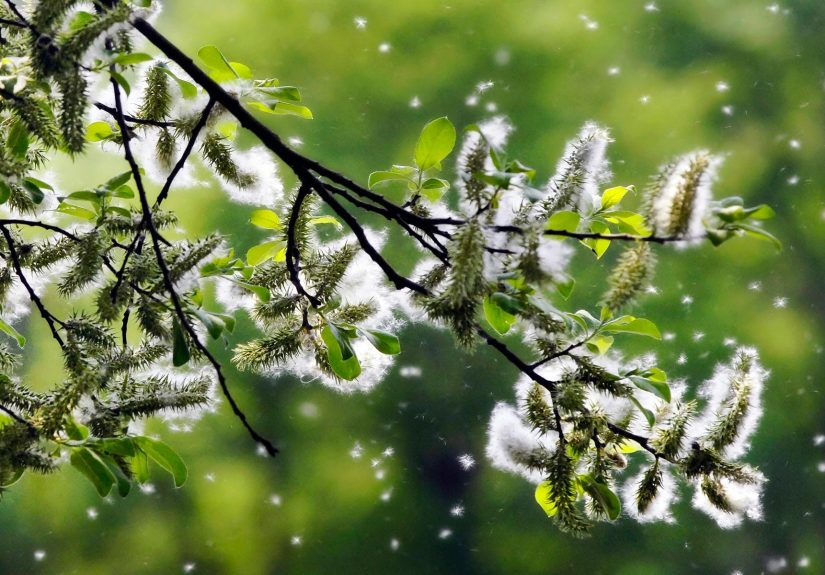
Common allergy triggers include pollen, dust mites, pet dander, mold, and cockroach particles. Seasonal allergies often flare when trees, grasses, or weeds release pollen. Perennial allergies can hang around year-round if the trigger lives indoors. If your sneezing comes with watery eyes and itching, allergies move way up the suspect list.
2. The Common Cold and Other Viral Infections
Sneezing is also a classic symptom of the common cold. Viruses that infect the upper respiratory tract can irritate the nasal passages and spark sneezing along with congestion, a runny nose, sore throat, cough, and sometimes a low-grade fever. Cold symptoms usually peak within a few days and then gradually improve.
Unlike allergies, colds are caused by viruses, not immune overreaction to harmless particles. That means your body is dealing with an infection, not just an overenthusiastic response to springtime. If your sneezing is paired with body aches, fatigue, or a scratchy throat, a viral illness may be the more likely culprit.
3. Nonallergic Rhinitis and Everyday Irritants
Not all sneezing is about germs or pollen. Some people develop nasal symptoms from nonallergic rhinitis, which is irritation or inflammation of the nasal lining without a true allergy. Triggers can include smoke, perfume, cleaning products, car exhaust, changes in temperature, dry air, spicy foods, and strong odors.
This is why one person can stroll past a candle shop like a champion while another starts sneezing before the first vanilla label comes into view. The nose can be surprisingly dramatic when it does not like its environment.
4. Bright Light, Pepper, and Other Oddball Triggers
Some triggers are more quirky than dangerous. Black pepper is the classic example because tiny particles can irritate the inside of the nose. Bright light can also trigger sneezing in some people, a phenomenon often called the photic sneeze reflex. And hot or spicy foods may bring on sneezing or a runny nose in sensitive noses.
These causes are usually harmless, but they can still be inconvenient, especially when your own face seems to react to sunlight like it is auditioning for a comedy sketch.
5. Less Common Causes
Sneezing can sometimes be linked to medication effects, overuse of certain nasal sprays, withdrawal from some drugs, structural nasal issues, or chronic sinus and rhinitis problems. If sneezing is persistent, unexplained, or tied to other ongoing symptoms, it may be worth a medical evaluation rather than another guessing game with tissues.
How to Tell What Might Be Causing Your Sneezing
Clues That Point to Allergies
Allergy-related sneezing often shows up with itching. Your eyes may water, your nose may itch, and you may feel worse after being outdoors, around pets, or in dusty rooms. Symptoms often repeat in a pattern, such as every spring, every fall, or every time you visit a friend with a fluffy cat and a fluffy sofa.
Clues That Point to a Cold
If your sneezing comes with a sore throat, cough, fatigue, mild fever, or general blah feelings, a cold is more likely. Cold symptoms typically start a day or two after exposure to a virus and improve over time. Allergies may stick around for weeks or months if the trigger remains, but they do not usually cause fever.
Clues That Point to Irritants
If you sneeze right after smelling perfume, stepping into cold air, cleaning with harsh products, or eating spicy food, nonallergic triggers may be to blame. In these cases, the pattern is less “I always suffer in April” and more “my nose has strong opinions about chili oil and scented detergent.”
Treatments That Can Help
Start With the Cause
The best treatment for sneezing depends on why it is happening. A cold, an allergy flare, and irritation from strong odors may all cause the same symptom, but they do not respond to the exact same strategy. Treat the cause, and the sneezing usually settles down.
Helpful Home Remedies
For many people, simple home care goes a long way. Staying hydrated helps keep mucus thinner and the nasal passages less irritated. Rest matters if you are dealing with a viral illness. A humidifier may ease dryness, though it should be cleaned regularly so it does not become a mold machine in disguise.
Saline nasal spray or nasal irrigation can also help rinse out mucus, allergens, and irritants. If you use a neti pot or squeeze bottle, use distilled, sterile, or previously boiled water that has been cooled. That detail is not glamorous, but it is important.
Medicines for Allergy-Related Sneezing
If allergies are behind your symptoms, antihistamines can reduce sneezing, itching, and a runny nose. Nasal corticosteroid sprays are often especially helpful for ongoing allergic rhinitis because they calm inflammation in the nasal passages. Some people also benefit from decongestants, but they are not right for everyone and should be used carefully.
If symptoms keep showing up despite over-the-counter treatment, an allergist may recommend testing and possibly immunotherapy, often called allergy shots. This approach does not just mask symptoms. It can help reduce your sensitivity over time.
Medicines and Care for a Cold
For a cold, treatment is mostly about symptom relief. Fluids, rest, humidified air, and time are the main players. Antibiotics do not treat the common cold because colds are caused by viruses, not bacteria. That means demanding antibiotics for a basic cold is like bringing a canoe to a flat tire problem: very committed, not very useful.
What Not to Do
Do not overuse decongestant nasal sprays for days on end unless your healthcare professional tells you otherwise. Overuse can lead to rebound congestion, which is the nasal version of trying to fix a squeaky door by teaching it new tricks. Also, try not to hold in a sneeze. It is better to let it happen naturally while covering your nose and mouth with a tissue or your elbow.
Prevention Strategies That Actually Help
Preventing Infection-Related Sneezing
If sneezing is linked to colds or other respiratory viruses, basic hygiene is your best friend. Cover coughs and sneezes with a tissue or your elbow, wash your hands often, avoid touching your face with unwashed hands, and clean frequently touched surfaces. If you are sick, keeping some distance from others can also help prevent spread.
It is also smart to stay current with recommended vaccines for respiratory illnesses when appropriate, especially if you are at higher risk for complications. Sneezing itself is only one symptom, but the germs behind it can travel.
Preventing Allergy Sneezing
If pollen is a trigger, keep windows closed during high-pollen periods and use air conditioning when possible. After spending time outdoors, changing clothes and showering can help keep pollen from setting up camp in your hair, on your skin, and across your pillowcase. Checking local pollen forecasts can also help you plan outdoor activity more strategically.
For indoor allergies, reducing dust, controlling moisture, changing filters, and using HEPA filtration may help. If pets are a trigger, keeping them out of the bedroom can make a real difference, even if they are personally offended by the new rule.
Preventing Irritant-Triggered Sneezing
If your nose reacts to smoke, perfumes, sprays, or cleaning products, the simplest prevention is avoidance. Choose fragrance-free products when you can, improve ventilation, and minimize exposure to known triggers. Some noses are adaptable. Others act like tiny critics with no filter.
When Sneezing Deserves a Medical Visit
Sneezing by itself is usually not a sign of a serious problem. But there are times when it should not be brushed off. Contact a healthcare professional if your symptoms last more than 10 days without improvement, keep getting worse, or come with trouble breathing, wheezing, dehydration, or a high fever.
You should also seek care if sneezing is accompanied by hives, swelling, severe shortness of breath, or other signs of a serious allergic reaction. Ongoing sneezing with chronic congestion, facial pain, frequent sinus infections, or unclear triggers may also deserve evaluation. The goal is not to panic over every achoo. It is to know when the pattern stops being ordinary.
Real-Life Sneezing Experiences: What It Can Actually Feel Like
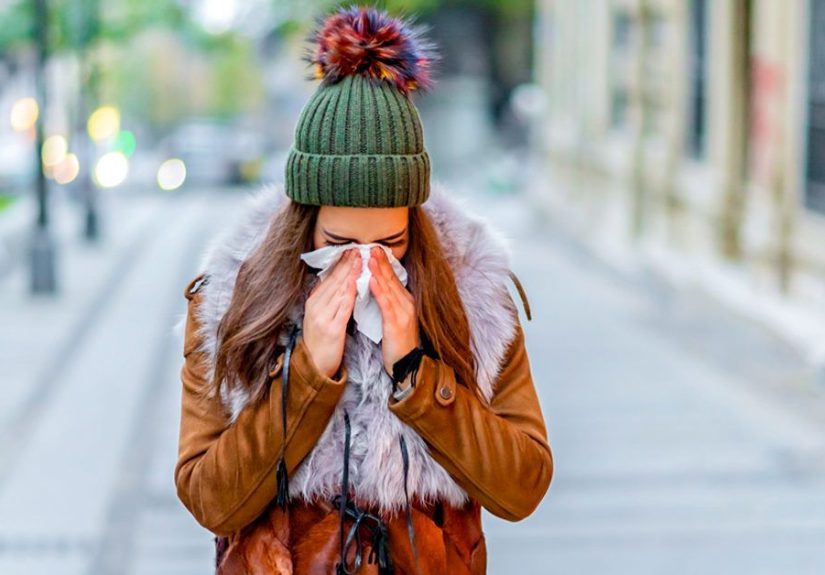
One reason sneezing feels so frustrating is that the experience changes depending on the cause. Allergy sneezing often arrives in clusters. You feel one tickle, then two sneezes, then five more, and suddenly you are standing in the kitchen with watery eyes, a tissue in one hand, and absolutely no memory of why you walked in there. People with seasonal allergies often describe a “morning wave” of symptoms, especially after sleeping with pollen on their clothes or hair from the day before. It can feel like your nose starts the day already annoyed.
Cold-related sneezing is usually a different kind of experience. It tends to be part of a bigger package. You may first notice a scratchy throat, then congestion, then sneezing, then the general sense that your head has been replaced with a bag of cotton. Instead of itchy eyes and a clear pattern around triggers, a cold often feels like a slow takeover. By the time the sneezing starts, you may also be tired, achy, and wondering why breathing through your nose has become an advanced skill.
Nonallergic sneezing can be even weirder because it often feels random until you notice the pattern. Maybe it hits every time someone sprays air freshener in the office. Maybe cold wind on your face sets it off the second you step outside. Maybe one bite of extra-spicy salsa turns dinner into a surprise sneeze festival. These experiences can make people feel like their nose is unpredictable, but the triggers are often there if you start paying attention.
There is also the bright-light sneeze crowd, who know the oddly specific experience of walking into sunshine and immediately sneezing like the sun personally offended them. It can be harmless, but it is still inconvenient, especially while driving or stepping out of a dark building. Sunglasses are not just stylish in that situation. They can be practical backup.
Parents also notice sneezing differently in kids. A child with allergies may seem perfectly energetic but constantly rub their nose, sniffle, and sneeze through the season. A child with a cold may be more tired, fussier, and less interested in food or sleep. Adults, meanwhile, often ignore sneezing until it starts affecting work, sleep, exercise, or social plans. Nothing makes a symptom feel real quite like canceling an outing because your nose refuses to cooperate.
The emotional side matters too. Frequent sneezing can be embarrassing in public, exhausting during allergy season, and stressful when other people assume you are contagious. That is one reason identifying the cause matters. Once you know whether you are dealing with pollen, perfume, or a plain old virus, the symptom becomes less mysterious and much more manageable.
Conclusion
Sneezing is common, but the reason behind it can vary quite a bit. For some people, it is an allergy issue driven by pollen, dust, or pets. For others, it is part of a cold or a reaction to smoke, strong scents, weather changes, or spicy foods. The good news is that sneezing often improves once you match the treatment to the cause.
Pay attention to the pattern, use practical relief measures, and do not ignore symptoms that are severe, persistent, or paired with breathing trouble or fever. Your nose may be noisy, dramatic, and occasionally terrible at timing, but it is also trying to tell you something. The trick is learning how to listen before the next tissue disappears.