Table of Contents >> Show >> Hide
- Why You’ll Love This Skillet Lasagna Recipe
- Ingredients for Easy Skillet Lasagna
- How to Make Skillet Lasagna Step by Step
- Recipe Timing and Servings
- Tips for the Best Skillet Lasagna
- Easy Variations
- What to Serve With Skillet Lasagna
- How to Store and Reheat Leftovers
- Common Skillet Lasagna Problems and Fixes
- Experience Notes: What Cooking Skillet Lasagna Teaches You
- Conclusion
- SEO Tags
Lasagna is the comfort-food equivalent of a warm blanket, a good movie, and someone else volunteering to do the dishes. The only problem? Traditional lasagna often asks for multiple pots, careful layering, a baking dish, a long oven time, and the emotional strength to wait whgna recipe keeps the cozy, saucy, cheesy magic but moves the whole operation into one pan.
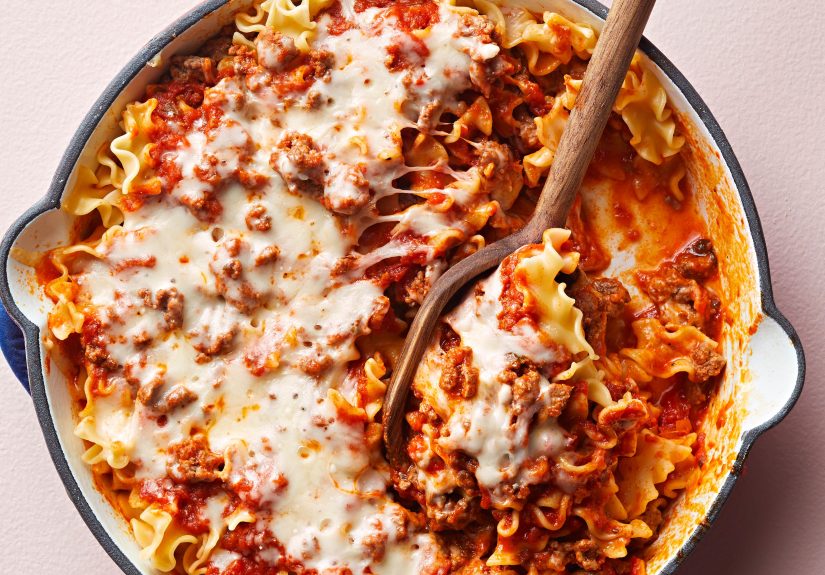
Think of it as classic lasagna’s weeknight-friendly cousin: a little less formal, a lot faster, and still wildly satisfying. Broken lasagna noodles simmer directly in a rich tomato meat sauce, soaking up flavor instead of boiling alone in a separate pot. Ricotta gets dolloped across the top, mozzarella melts into glorious strings, and Parmesan adds that salty, nutty finish that makes everyone suddenly “just checking” the skillet with a fork.
This recipe is ideal for busy families, beginner cooks, pasta lovers, and anyone who believes dinner should taste like effort without requiring a kitchen that looks like a food tornado hit it. It is hearty enough for Sunday supper, fast enough for Wednesday night, and flexible enough to handle ground beef, Italian sausage, turkey, vegetables, or whatever cheese situation is currently happening in your fridge.
Why You’ll Love This Skillet Lasagna Recipe
The beauty of one-pan skillet lasagna is that it delivers the best parts of baked lasagna without the usual waiting game. You still get tender pasta, bold tomato sauce, creamy ricotta, melted mozzarella, and savory Italian seasoning. What you skip is the separate boiling, draining, layering, and baking marathon.
It Tastes Like Classic Lasagna, But Cooks Faster
Traditional lasagna is wonderful, but it often takes more than an hour from start to finish. This stovetop version can be ready in about 40 minutes, depending on the noodles and skillet you use. The sauce thickens while the pasta cooks, so the finished dish tastes rich and developed without needing a long bake.
It Uses Simple Grocery Store Ingredients
No specialty shopping trip is required. You need ground meat, onion, garlic, marinara sauce, crushed tomatoes, lasagna noodles, ricotta, mozzarella, Parmesan, and a few pantry seasonings. If you already keep pasta and jarred sauce around, you are halfway to dinner before you even put on an apron.
It Makes Cleanup Easier
Since the noodles cook in the sauce, this recipe saves you from washing a pasta pot, colander, baking dish, and half the utensils in the drawer. A deep skillet, a spoon, a measuring cup, and a cheese-loving attitude are basically the whole toolkit.
Ingredients for Easy Skillet Lasagna
This recipe serves about 6 people. If your household includes teenagers, athletes, or people who treat melted cheese as a love language, consider serving it with garlic bread and a salad to stretch the meal.
Main Ingredients
- 1 tablespoon olive oil
- 1 pound ground beef, or use half ground beef and half Italian sausage
- 1 small yellow onion, finely chopped
- 4 garlic cloves, minced
- 2 tablespoons tomato paste
- 1 teaspoon Italian seasoning
- 1/2 teaspoon dried basil
- 1/4 teaspoon crushed red pepper flakes, optional
- 1 teaspoon kosher salt, plus more to taste
- 1/2 teaspoon black pepper
- 1 jar marinara sauce, 24 ounces
- 1 can crushed tomatoes, 14.5 to 15 ounces
- 1 cup water or low-sodium beef broth
- 8 to 10 regular lasagna noodles, broken into 2-inch pieces
- 1 cup whole-milk ricotta cheese
- 1 1/2 cups shredded mozzarella cheese
- 1/3 cup grated Parmesan cheese
- Fresh basil or parsley, for serving
Best Pan to Use
A 12-inch high-sided skillet works best for this recipe. Cast iron, stainless steel, or a heavy nonstick skillet can all work, as long as the pan is deep enough to hold the sauce and noodles. If your skillet has a lid, perfect. If not, use a sheet pan or foil as a temporary cover. Fancy? No. Effective? Absolutely.
How to Make Skillet Lasagna Step by Step
Step 1: Brown the Meat
Heat olive oil in a large skillet over medium-high heat. Add the ground beef and cook for 5 to 7 minutes, breaking it into small crumbles with a wooden spoon. If using Italian sausage, remove it from the casing first. Cook until the meat is browned and no longer pink. Drain excess grease if needed.
Browning matters because it builds flavor. Do not just gray the meat sadly and move on. Let it get a little color. Those browned bits are tiny flavor trophies.
Step 2: Add Onion, Garlic, and Seasoning
Stir in the chopped onion and cook for 3 to 4 minutes, until softened. Add the garlic, tomato paste, Italian seasoning, dried basil, red pepper flakes, salt, and black pepper. Cook for 1 minute, stirring constantly, until the garlic smells fragrant and the tomato paste darkens slightly.
This quick step gives the sauce a deeper flavor. Tomato paste tastes sharper straight from the can, but when it cooks in the skillet with the aromatics, it becomes richer and slightly sweet.
Step 3: Build the Sauce
Pour in the marinara sauce, crushed tomatoes, and water or broth. Stir well, scraping the bottom of the skillet to lift up the browned bits. Bring the sauce to a steady simmer.
The sauce should look a little loose at this stage. That is intentional. The broken noodles need liquid to cook properly, and they will absorb plenty as they soften.
Step 4: Add the Broken Lasagna Noodles
Add the broken lasagna noodles to the skillet and gently press them into the sauce. Try to spread them evenly so they do not clump together. Cover the skillet and reduce the heat to medium-low.
Simmer for 18 to 24 minutes, stirring every 4 to 5 minutes. This keeps the noodles from sticking and helps them cook evenly. If the sauce thickens too quickly before the pasta is tender, add another splash of water or broth.
Step 5: Add Ricotta, Mozzarella, and Parmesan
Once the noodles are tender, reduce the heat to low. Dollop ricotta cheese over the top of the pasta. Sprinkle mozzarella and Parmesan evenly across the skillet. Cover again for 3 to 5 minutes, until the cheese melts.
For a bubbly top, place the skillet under the broiler for 1 to 3 minutes if your pan is oven-safe. Watch closely because broilers have exactly two moods: “nothing is happening” and “congratulations, it is charcoal.”
Step 6: Rest and Serve
Remove the skillet from heat and let the lasagna rest for 5 to 10 minutes. This short pause helps the sauce settle and makes serving easier. Finish with fresh basil or parsley, then scoop generous portions into bowls or plates.
Note: If using ground beef, cook it thoroughly before adding the noodles. For best food safety, ground beef should reach an internal temperature of 160°F. Store leftovers in airtight containers and refrigerate within two hours.
Recipe Timing and Servings
- Prep time: 10 minutes
- Cook time: 30 minutes
- Total time: About 40 minutes
- Servings: 6
- Skill level: Easy
Tips for the Best Skillet Lasagna
Use Enough Liquid
The most common skillet lasagna mistake is not using enough liquid. Unlike baked lasagna, where cooked or oven-ready noodles soften between layers, skillet lasagna relies on sauce to cook the pasta directly. If the noodles are still firm and the sauce looks thick, add 1/4 cup of water or broth at a time.
Stir Gently, But Don’t Ignore It
You do not need to stir constantly, but you should stir every few minutes. This prevents noodles from sticking together or scorching on the bottom. Use a flexible spatula or wooden spoon and move carefully so the pasta pieces stay intact.
Choose a Sauce You Actually Like
Jarred marinara is a smart shortcut, but its flavor matters. Choose one with garlic, basil, and good tomato flavor. If your sauce tastes flat, brighten it with a pinch of sugar, a splash of balsamic vinegar, extra garlic, or more Parmesan at the end.
Don’t Skip the Resting Time
Resting may feel annoying when everyone is hovering near the stove, but it helps the sauce thicken and the cheese settle. Without that pause, your first scoop may slide around like pasta soup wearing a mozzarella hat.
Easy Variations
Italian Sausage Skillet Lasagna
Replace half or all of the ground beef with mild or hot Italian sausage. Sausage adds fennel, garlic, and spice, making the sauce taste like it cooked longer than it did. If using hot sausage, reduce or skip the red pepper flakes.
Vegetarian Skillet Lasagna
Skip the meat and sauté mushrooms, zucchini, bell peppers, spinach, or eggplant with the onion. Mushrooms are especially useful because they bring a savory, meaty texture. For extra protein, add white beans or plant-based crumbles.
Turkey Skillet Lasagna
Ground turkey makes a lighter version. Since turkey is leaner than beef, add an extra tablespoon of olive oil and consider using broth instead of water for more flavor.
Spicy Skillet Lasagna
Add hot Italian sausage, red pepper flakes, and a spoonful of Calabrian chile paste. This version is bold, cozy, and not here to whisper.
Extra-Cheesy Skillet Lasagna
Stir 1/2 cup shredded mozzarella into the pasta before topping it with more cheese. You can also add provolone, fontina, or a little cream cheese for a richer finish.
What to Serve With Skillet Lasagna
This dish is filling on its own, but the right sides can turn it into a complete meal. A crisp green salad with lemon vinaigrette balances the richness. Garlic bread is always welcome because sauce deserves a delivery vehicle. Roasted broccoli, sautéed green beans, or a simple cucumber salad also work well.
For a casual family dinner, serve skillet lasagna straight from the pan. For guests, garnish with fresh basil, extra Parmesan, and a drizzle of olive oil. Suddenly, your “easy one-pan dinner” looks restaurant-level. No one needs to know the skillet did most of the heavy lifting.
How to Store and Reheat Leftovers
Let leftovers cool slightly, then transfer them to airtight containers. Refrigerate for up to 3 to 4 days. The noodles will continue absorbing sauce as the lasagna sits, so add a splash of water or marinara before reheating.
To reheat on the stovetop, place a portion in a small skillet with a splash of water, cover, and warm over medium-low heat. To use the microwave, cover loosely and heat in short intervals, stirring or rotating as needed. Add fresh cheese on top if you want to revive the “just made” feeling.
You can freeze skillet lasagna, although the texture of the noodles may soften after thawing. For best results, freeze individual portions in airtight containers for up to 2 months. Thaw overnight in the refrigerator before reheating.
Common Skillet Lasagna Problems and Fixes
The Noodles Are Still Hard
Add more liquid, cover the skillet, and continue simmering. Hard noodles usually mean the sauce reduced too quickly or the heat was too high.
The Sauce Is Too Watery
Remove the lid and simmer for a few minutes to reduce the liquid. The sauce will also thicken as the lasagna rests.
The Cheese Is Not Melting
Cover the skillet and keep the heat on low for a few more minutes. If your skillet is oven-safe, broil briefly for a golden top.
The Pasta Is Sticking
Stir more often and make sure the noodles are fully coated in sauce. Broken noodles like to travel in packs, so separate them when adding them to the pan.
Experience Notes: What Cooking Skillet Lasagna Teaches You
Making skillet lasagna is one of those kitchen experiences that quietly improves your cooking instincts. At first, it feels almost too casual. You break noodles by hand, stir them into sauce, cover the skillet, and hope the whole thing turns into dinner. Then, about 20 minutes later, the noodles soften, the sauce thickens, and the cheese melts into creamy pockets. Suddenly, it makes sense. This is not “fake lasagna.” It is lasagna that took off its tie and decided to relax.
The first lesson is that pasta loves flavor. When noodles cook in plain boiling water, they need sauce later. When they cook directly in tomato sauce, broth, garlic, onion, and meat drippings, they absorb seasoning from the inside out. That is why skillet lasagna can taste surprisingly rich even though it cooks quickly. The pasta is not just carrying the sauce; it has been simmering in it like it had dinner plans all along.
The second lesson is that texture matters. A great skillet lasagna should not be dry, but it also should not be soupy. The sweet spot is scoopable: tender noodles, thick sauce, creamy ricotta, and stretchy mozzarella. You learn to watch the pan instead of obeying the clock blindly. If the sauce gets too thick, add liquid. If it looks too loose, simmer uncovered. This recipe teaches flexible cooking, which is much more useful than memorizing exact minutes.
Another real-life advantage is how forgiving it is. Forgot to buy ricotta? Use cottage cheese or a little cream cheese. Only have penne instead of lasagna noodles? Congratulations, you have made lazy lasagna pasta, and it will still be delicious. Need more vegetables? Add spinach at the end or mushrooms with the onion. Want more protein? Use sausage, beef, turkey, or a combination. Skillet lasagna is not fussy; it is the friend who says, “Come over anyway, we’ll figure it out.”
This dish also shines for families because it feels familiar. Kids recognize the pasta and cheese. Adults appreciate the deeper tomato flavor and the fact that dinner did not require every dish in the kitchen. It is easy to serve from the pan, easy to pack for lunch, and easy to reheat the next day. In fact, leftovers often taste even better because the noodles continue soaking up the sauce overnight.
The best experience tip is to finish with freshness. A heavy pasta dish needs a little lift, and fresh basil or parsley does exactly that. A final sprinkle of Parmesan and a crack of black pepper make the skillet look polished. Set it on the table with a salad and bread, and you have the kind of meal that feels generous without being complicated. That is the charm of this skillet lasagna recipe: it gives you comfort, speed, flexibility, and just enough drama when the cheese stretches from spoon to plate.
Conclusion
This skillet lasagna recipe is everything a weeknight dinner should be: hearty, cheesy, practical, and deeply satisfying. It keeps the soul of traditional lasagna while trimming away the extra steps that make classic versions feel like a weekend project. By simmering broken lasagna noodles directly in a rich tomato meat sauce, you get pasta that is flavorful, tender, and coated in every bite.
Whether you make it with ground beef, Italian sausage, turkey, or vegetables, this one-pan lasagna is easy to customize and hard to mess up. Add a salad, warm bread, and maybe a little extra Parmesan at the table, and dinner is officially handled. Best of all, cleanup is mercifully short, which means more time enjoying the meal and less time negotiating with a sink full of dishes.