Table of Contents >> Show >> Hide
- What Is a Simple Storage Ladder, Exactly?
- Why Storage Ladders Work So Well
- Types of Simple Storage Ladders (Pick Your Personality)
- How to Choose the Right Storage Ladder
- Safety First: The Rules of Storage Ladders (No, You Can’t Climb It)
- Where Storage Ladders Shine (Room-by-Room Ideas)
- DIY Basics: Build a Simple Blanket or Towel Ladder Without Overthinking It
- How to Style a Storage Ladder So It Looks Intentional
- Common Mistakes (So You Don’t Learn the Hard Way)
- Real-World Experiences With Simple Storage Ladders (The Good, the Funny, and the Fixable)
- Conclusion: Small Footprint, Big Impact
Every home has that one problem: stuff. Cozy throws that migrate from couch to chair like they’re trying to start a new life.
Towels that multiply when you’re not looking. Scarves, magazines, “I’ll read it later” books, and that one plant you keep
moving because it looks sad in the corner (it’s not the corner’s fault).
Enter the simple storage ladder: a leaning, lightweight, vertical storage solution that’s part organizer,
part decor, and part “look, I have my life together” illusion. Storage ladders work because they use wall height instead of
precious floor space, and they keep everyday items visible and within reachwithout requiring a full closet remodel or a
weekend spent arguing with hex keys.
What Is a Simple Storage Ladder, Exactly?
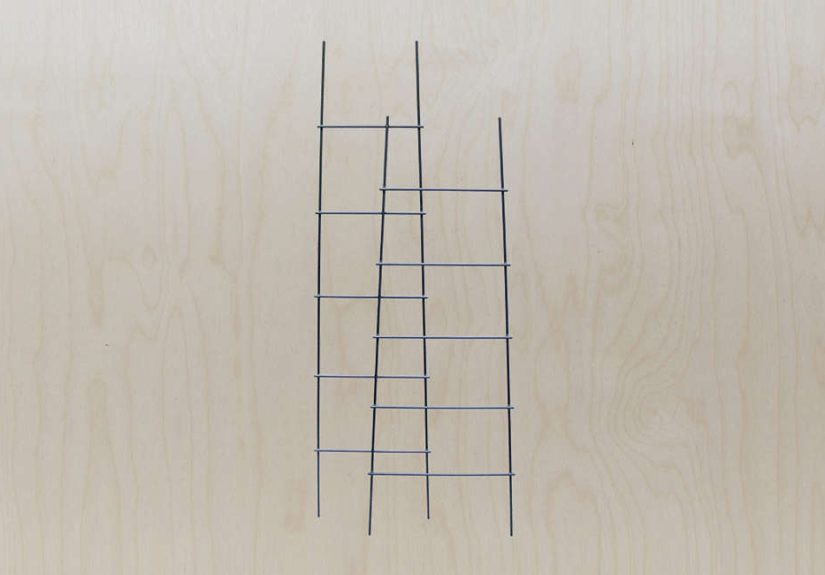
A storage ladder is a decorative, usually non-climbable ladder-style piece designed to lean against a wall. Instead of being
used for actual ladder things (like reaching a high shelf or making questionable choices), it’s meant to hold items:
blankets, towels, baskets, plants, books, and accessories.
The magic is in the geometry: a ladder’s angled stance creates a stable footprint, while its rungs (or shelves) provide
multiple “parking spots” without taking up much room. This makes leaning ladder storage a favorite for small
apartments, narrow bathrooms, and anyone who wants the space-saving benefits of vertical storage with a softer, warmer look
than industrial shelving.
Why Storage Ladders Work So Well
1) They turn “dead wall space” into useful space
Most rooms have walls doing absolutely nothing besides holding up art and absorbing your motivational quotes. A
decorative ladder storage piece can add function to that wall without needing a built-in system.
2) They reduce visual clutterif you use them thoughtfully
Open storage can either look curated… or look like a laundry explosion. The ladder format encourages limits: you only have so
many rungs, so you naturally edit what stays out. That’s good design and good sanity.
3) They’re flexible (and often renter-friendly)
Many ladders simply lean in place. You can move them easily when you rearrange furniture, redecorate seasonally, or realize
you’ve been using the “reading chair” as a clothes chair again. (No judgment. Okay, a little.)
Types of Simple Storage Ladders (Pick Your Personality)
Blanket ladder
The classic: a tall, slim ladder with evenly spaced rungs to drape throws and quilts. A blanket ladder works
best when you want cozy texture in a living room or bedroom. It’s also one of the easiest DIY builds because it’s basically
two rails + rungs + patience.
Towel ladder
Same concept, more humidity. A towel ladder is popular in bathrooms for rolled towels, bath mats, and even
robe hooks. Look for finishes that handle moisture (sealed wood, powder-coated metal) and give your towels breathing room.
Leaning ladder shelf
This version swaps some rungs for shelves. A leaning ladder shelf is great for plants, small bins, toiletries,
candles, and lightweight books. It feels “designed” but still casual.
Over-the-toilet ladder shelf
Bathrooms are notorious for wasting vertical space. An over-the-toilet ladder shelf is designed to fit above a toilet tank,
adding storage where you didn’t think you had any. It’s an easy way to store extra toilet paper, folded towels, and small
containers without installing cabinetry.
Repurposed vintage ladder
An old wooden ladder can be transformed into rustic decor storageespecially in farmhouse, cottage, or eclectic interiors.
Some people hang them horizontally on walls or suspend them from ceilings for creative storage, but a simple leaning setup is
the most approachable.
How to Choose the Right Storage Ladder
Start with the job: what are you storing?
- Throws and quilts: rungs with enough spacing so fabrics don’t bunch.
- Towels: rungs or bars that allow airflow (no towel-smell apocalypse).
- Toiletries or decor: shelves with a slight lip or baskets on shelves for stability.
- Entryway items: hooks or bars for scarves, hats, bags (keep weight modest).
Check proportions: height, width, and rung spacing
Most blanket/towel ladders land around 5–6 feet tall with a width near 18–20 inches, which
gives a balanced look and enough space for textiles. Rung spacing varies by style:
-
If you want big, drapey throws to hang nicely, wider spacing can look cleaner. Some DIY guides use larger spacing (around a
foot and a half between rungs). - If you’re storing smaller items (hand towels, magazines, rolled linens), tighter spacing can be more practical.
Translation: don’t chase a single “perfect” measurement. Choose spacing based on what you’re storing, how you fold/roll it,
and whether you want the ladder to look airy or packed.
Pick materials that match your space
- Wood: warm, classic, easy to stain/paint. Seal it in bathrooms.
- Metal: sleek, modern, and often thinner visually (great in small rooms).
- Bamboo: light and spa-likepopular for bathrooms and minimalist decor.
Don’t ignore stability
A ladder should sit with a confident leanno wobble, no drama. Many retail ladder racks include anti-tip hardware, and
safety experts generally recommend anchoring tall, narrow, or top-heavy items, especially in homes with kids or pets.
Safety First: The Rules of Storage Ladders (No, You Can’t Climb It)
Decorative storage ladders are not designed to be climbed. They’re organization furniture, not a tool.
Treating a storage ladder like a real ladder is how you end up starring in a “please don’t do this at home” montage.
Smart safety habits
- Anchor it if possible: Use an anti-tip strap or bracket, especially if the ladder is tall or in a high-traffic area.
- Add floor protection: Felt pads or rubber feet help prevent sliding and protect floors.
- Keep heavy items low: Put heavier blankets or baskets on the lower rungs to lower the center of gravity.
- Watch placement: Avoid blocking door swings or placing near heaters, tubs, or spots where it can get knocked easily.
- Mind kids and pets: A tempting “climbable” shape plus curiosity is a risky comboanchor and keep the setup simple.
Where Storage Ladders Shine (Room-by-Room Ideas)
Living room: blanket ladder styling that doesn’t look staged
A living room blanket ladder works best when it looks intentional but not precious. Try this simple formula:
2–4 throws + 1 texture accent.
- One chunky knit blanket (texture)
- One lighter throw (everyday use)
- One patterned textile (color or seasonal vibe)
- Optional: a small basket at the base for remotes or a rolled throw
Keep the color story tight: neutrals + one accent color is usually enough. If everything is loud, the ladder stops being
“storage” and starts being “textile billboard.”
Bathroom: towel ladder storage that stays fresh
In bathrooms, airflow matters. Use the ladder to dry towels between uses or store clean towels in a way that
doesn’t trap moisture. A sealed wood ladder or metal towel ladder can hold:
- Two bath towels (folded or draped)
- Two hand towels
- A bath mat (lower rung)
- Hooks for a robe or loofah (keep it light)
Bedroom: the “I actually fold laundry” illusion
A storage ladder in the bedroom can hold extra bedding, tomorrow’s outfit (the neat version), or accessories. It’s also a
great way to keep seasonal items visibleso you use them instead of forgetting they exist until next winter.
Entryway: a small-space drop zone
In an entry, ladder storage can replace bulky coat racks. Add S-hooks or use rungs for scarves and lightweight bags. Pair it
with a small tray at the base for keys and sunglasses so you stop doing the “where are my keys” dance every morning.
Home office: vertical organization that looks calm
Use a ladder shelf for baskets labeled “Cables,” “Paper,” and “Things I’ll Deal With Later.” (That last one is optional, but
emotionally accurate.) A few baskets keep open shelving from looking messy.
DIY Basics: Build a Simple Blanket or Towel Ladder Without Overthinking It
A DIY blanket ladder is popular because it’s a straightforward build and forgiving of beginner-level tools. Most versions
follow the same core structure: two side rails and a handful of rungs attached with screws, dowels, or pocket holes.
A practical DIY blueprint (common approach)
- Height: about 60–72 inches
- Width: about 18–20 inches between rails (so throws drape nicely)
- Rungs: 4–6 rungs, spaced based on what you’ll hang
- Finish: sand smooth, then paint or stain; seal if used in a bathroom
Fast tips that save you from DIY regret
- Pre-drill holes: prevents splitting and keeps joints cleaner.
- Measure once, mark twice: because uneven rung spacing will haunt you from across the room.
- Clamp before you screw: keeps rungs aligned and reduces wobble.
- Choose a finish that fits your lifestyle: matte paint hides imperfections; stain highlights wood grain (and your sanding effort).
If you want a ladder that looks more “store-bought,” spend extra time on sanding, use wood filler on visible screw holes, and
apply a durable topcoatespecially for towel ladders in humid bathrooms.
How to Style a Storage Ladder So It Looks Intentional
Use negative space (aka: don’t fill every rung)
Leaving one rung empty can make the whole ladder look more designed. The ladder is the frame; your items are the art. Yes,
we’re calling towels art now. Let us have this.
Mix folds and drapes
Fold one blanket cleanly, drape another casually. Variety adds texture and keeps the ladder from looking like a retail
display. Unless you want that. Some people do. No shame.
Add one “anchor” element at the base
A small basket, plant, or lidded bin at the bottom helps the ladder feel grounded and gives you a place to stash the less
photogenic items (like the throw that’s seen things).
Common Mistakes (So You Don’t Learn the Hard Way)
Mistake 1: Treating it like heavy-duty shelving
Storage ladders are best for light to moderate loads. If you need to store textbooks, cast iron cookware, or
your collection of bowling trophies, use a real shelf.
Mistake 2: Ignoring wall and floor contact points
If it slides, scuffs, or wobbles, it won’t feel “simple.” Add felt pads, non-slip feet, or a wall anchor to make it stable
and safe.
Mistake 3: Putting it where it gets bumped constantly
A ladder in a tight hallway or behind a frequently opened door is a daily annoyance. Choose a low-traffic wall where it can
lean comfortably without becoming a collision course.
Real-World Experiences With Simple Storage Ladders (The Good, the Funny, and the Fixable)
People love storage ladders for the same reason they love “one-pan dinners”: the promise of fewer steps and less mess. In
practice, the experience tends to fall into a few familiar chapters.
Chapter 1: The “Why Didn’t I Do This Sooner?” phase. The first week is pure victory. Blankets stop living on
the sofa like they pay rent. Towels look spa-like instead of slumped over the shower rod. The room feels taller and calmer,
even though the only thing you changed is where fabric goes to rest.
Chapter 2: The “I chose the wrong spot” realization. This usually happens when a door swings open and taps the
ladder just enough to shift it. Or when you discover that the ladder looks amazing… until you actually try to pull a blanket
off while holding a mug of tea. The fix is simple: rotate the ladder to a wall where you can approach it from the side, or
move it a few inches so it’s not in the “daily traffic lane.”
Chapter 3: The scuff marks you didn’t plan for. Leaning items can rub walls and floors over time. This is
where tiny upgrades feel like genius: felt pads where rails meet the floor, a clear bumper at the wall contact point, or a
small strip of removable protective film. It’s not glamorous, but neither is repainting a wall because your ladder “slowly
migrated” like a polite houseguest.
Chapter 4: The “How many blankets is too many blankets?” question. A ladder is a natural boundary. Many people
find that four throws look styled, five looks busy, and six looks like you’re preparing for a surprise blizzard. If you have
more blankets than rungs, rotate seasonally: keep two everyday throws on the ladder and store off-season quilts elsewhere.
It’s a storage solution and a decorating strategy in one.
Chapter 5: The bathroom reality check. Towel ladders are gorgeousuntil you hang damp towels too close together
and discover the dreaded “musty towel” situation. The best experiences happen when towels have space to breathe. People often
switch to folding towels over two rungs instead of one, or reserving the ladder for clean towels and using hooks for drying.
If you’re DIY-ing, sealing the wood and keeping the ladder away from direct shower spray makes a noticeable difference.
Chapter 6: The safety upgrade that brings peace of mind. The ladder feels stable… until a pet brushes past it,
or a kid decides it’s a mountain. This is where anchoring turns “pretty storage” into “pretty storage that doesn’t give you
anxiety.” Many ladder racks include wall hardware; if yours doesn’t, adding an anti-tip strap is a small step that makes the
setup feel more permanent and secure without ruining the look.
The overall takeaway from real households is consistent: simple storage ladders work best when you keep them simple.
Don’t overload them, don’t place them where they’ll be bumped, and don’t expect them to replace your entire closet. But as a
hybrid of decor + everyday organization, they’re one of the easiest upgrades you can makeespecially when you want your home
to feel more intentional without starting a full-scale renovation.
Conclusion: Small Footprint, Big Impact
A simple storage ladder is one of those rare home upgrades that’s practical, affordable, and genuinely good-looking.
Whether you choose a blanket ladder in the living room, a towel ladder in the bathroom, or a leaning ladder shelf for plants
and baskets, you’re using vertical space smarterand making everyday items easier to grab and easier to put away.
Keep it stable, keep it lightly loaded, and style it with intention. Do that, and your ladder won’t just store thingsit’ll
make your space feel calmer, taller, and more put together. Even if your junk drawer remains a lawless kingdom. One step at a
time.