Table of Contents >> Show >> Hide
- What “Delft Tile” Actually Means (Without the Art History Lecture)
- Why Delft Tile and Scented Candles Are a Surprisingly Great Match
- Ways to Create the “Scented Candle Delft Tile” Look
- Scent Pairings That Fit the Delft Tile Mood
- How to Choose a Delft-Style Scented Candle That Burns Well
- Candle Care & Safety (Because Your Decor Should Not Become a News Story)
- DIY Ideas: Delft Tile Style Without the Kiln (or the Regret)
- Where This Style Works Best in the Home
- Buying Tips: What to Look for (and What to Side-Eye)
- Field Notes: Experiences That Make Delft Tile Candles Even Better (About )
- 1) The tile coaster becomes the MVP
- 2) Crisp scents feel more “authentic” to the look
- 3) The first burn is where good candles prove themselves
- 4) Blue-and-white patterns hide “life mess” surprisingly well
- 5) Gifting works best when you choose the room first
- 6) The empty jar becomes a permanent resident
- Conclusion
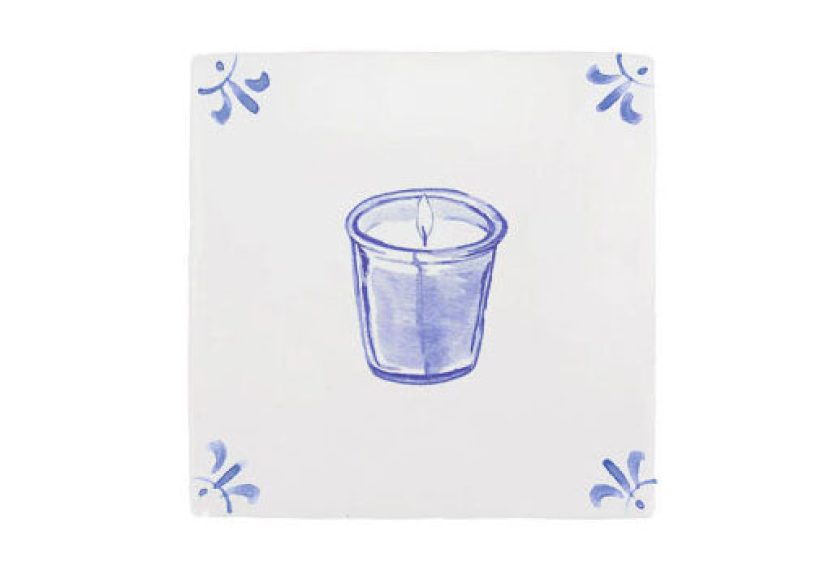
If you’ve ever looked at a blue-and-white Delft tile and thought, “This needs a warm glow and a better attitude,” welcome. A scented candle Delft tile concept is exactly what it sounds like: the timeless Dutch-inspired pattern language of Delftwarewindmills, florals, little landscape scenespaired with the modern obsession of home fragrance. It’s old-world charm… with a wick.
And the best part? This trend doesn’t require you to remodel your kitchen into a 17th-century Dutch townhouse (unless you’re emotionally ready). You can borrow the look through candle vessels, labels, tile coasters, and styling tricks that make your space feel curated, cozy, and suspiciously put-together.
What “Delft Tile” Actually Means (Without the Art History Lecture)
Delft-style tiles come from the broader tradition of Delftwaredecorative ceramics known for a bright white ground and cobalt-blue designs. Historically, Delftware is a type of tin-glazed earthenware that created a porcelain-like look long before everyone could casually buy porcelain online. The tiles often feature painted scenes (ships, flowers, pastoral moments, the occasional heroic cow) framed by corner motifs.
Today, “Delft tile” gets used in design to describe that crisp blue-and-white aestheticwhether it’s authentic antique tiles, modern reproductions, or just the vibe. The vibe counts. The vibe always counts.
Why Delft Tile and Scented Candles Are a Surprisingly Great Match
Delft tile décor is visually “cool”: lots of white space, sharp blue lines, orderly repetition. A scented candle is sensory “warm”: flicker, fragrance, softness. Together they balance each other like a well-designed room (or a friendship where one person owns a label maker).
The design win
Blue-and-white patterns read as clean and classic, so they play nicely with almost any interior stylefarmhouse, coastal, modern traditional, even minimalist. Add a candle and you get a functional accent that looks intentional, not like you panic-bought “decor” the night before guests arrived.
The emotional win
Delft evokes heritage and craft. Scent evokes memory. Together, they create the kind of “small luxury” moment that makes a Tuesday feel like it’s trying harder.
Ways to Create the “Scented Candle Delft Tile” Look
1) Candle vessels that echo Delftware
The most direct route is a ceramic candle jar with Delft-inspired artworkblue florals, scenic line drawings, or tile-like borders. These look gorgeous in bathrooms and kitchens because they naturally complement the clean, glazed tile environment.
- Ceramic jars: The closest visual cousin to Delftware; reusable and giftable.
- White glass with blue print: A modern, safer-for-heat option that still nails the palette.
- Tin candles with Delft patterns: Travel-friendly and charming, like a postcard you can light.
2) Delft tile coasters (the easy upgrade)
Even if your candle is in a plain jar, set it on a Delft-style tile coaster and suddenly it looks like it belongs in a magazine spread titled “This Person Definitely Folds Their Towels.”
Choose a tile with a simple corner motif if you want a subtle look, or a scenic tile if you want the candle to feel like it’s starring in its own tiny Dutch opera.
3) Labels and packaging that feel “tile-inspired”
If you’re a maker or brand-builder, Delft-style packaging can be a signature: blue botanical line art, classic corner flourishes, and a white background. Keep the typography modern so the design feels fresh instead of “grandma’s attic” (unless that’s your brandno judgment, just commitment).
Scent Pairings That Fit the Delft Tile Mood
Delft tile aesthetics feel crisp and airy, so scents that lean clean, botanical, or coastal often pair beautifully. But you can also go “cozy contrast” with warmer notesjust keep the blend elegant, not sugar-rush.
Clean & linen-forward
Think: fresh cotton, soft musk, white tea, light aldehydes (that “just-laundered” sparkle). These scents match the bright, tidy feel of blue-and-white décor. Perfect for bathrooms, entryways, and anywhere you want guests to assume you’re effortlessly organized.
Botanical & herb garden
Rosemary, basil, tomato leaf, lavender, chamomile, bergamotthese notes feel classic and lived-in, like a kitchen that actually gets used. They also work well with floral Delft motifs.
Coastal & watery (the “clean air” illusion)
Sea salt, driftwood, ozone, cucumber, watery florals. The Delft palette naturally reads coastal-adjacent, so these scents feel visually and emotionally aligned. Bonus: they’re usually not too sweet, which helps maintain that “ceramic-clean” impression.
Warm contrast: vanilla, amber, soft spice
Want the candle to be the cozy counterpoint to the cool pattern? Go for vanilla bean (not frosting), gentle amber, sandalwood, or a restrained cinnamon/clove. The trick is balance: refined warmth, not “holiday candle exploded in aisle seven.”
How to Choose a Delft-Style Scented Candle That Burns Well
A candle can look stunning and still burn like it’s holding a grudge. For a candle you’ll actually enjoy, evaluate the basics: wax, wick, vessel, and fragrance throw.
Wax: pick your priorities
- Soy wax: Popular for a reasonoften a clean burn and good scent performance when formulated well.
- Beeswax: Naturally aromatic and long-burning, though scenting it heavily can be trickier.
- Coconut blends: Often creamy with strong throw, typically in blends for stability.
- Paraffin: Strong scent throw; quality matters, and ventilation is always smart.
Wick: the quiet hero
The wick impacts flame size, soot, and whether the candle tunnels. In general, you want a stable flame and an even melt pool without smoking. A good brand will match wick size to vessel diameter and wax type, which is basically candle matchmaking.
The first burn matters more than people admit
Container candles often do best when the first burn is long enough to melt wax close to the edges. If you blow it out too early, you can set up “tunneling” (a wax ring that refuses to forget). As a rule of thumb, many candle experts recommend about one hour of burn time per inch of candle diameter on early burns.
Candle Care & Safety (Because Your Decor Should Not Become a News Story)
Delft tile may be fire-resistant. Your curtains, however, are not. For safe, clean burning:
- Trim the wick before lighting (often recommended around 1/4 inch) to help reduce soot and keep the flame controlled.
- Keep candles away from drafts (vents, fans, open windows) for a steadier burn and fewer messes.
- Give space: keep a burning candle well away from anything that can burn.
- Don’t burn for marathon sessions: many safety guides suggest limiting continuous burn time and letting the candle cool before relighting.
- Never leave it unattendedthe coziest scent is “peace of mind.”
- Use a stable, heat-safe surface (a tile coaster works great) and keep away from kids and pets.
Indoor air quality: keep it simple
Any combustion indoors can contribute to particles and odors. If you’re sensitive to fragrance, try smaller candles, shorter burn sessions, better ventilation, and cleaner-burning options. You can still enjoy a Delft tile scented candle moment without turning your living room into a Victorian mystery novel fog scene.
DIY Ideas: Delft Tile Style Without the Kiln (or the Regret)
Make a Delft tile candle coaster
Buy a single ceramic tile in a blue-and-white pattern, add felt pads to the bottom, and seal the top if needed (choose a heat-appropriate sealer). Set your candle on it and enjoy the instant “designed” look. It’s the décor equivalent of putting on a blazer over a T-shirt.
Create Delft-inspired candle labels
For makers: print blue line-art patterns on white label stockbotanicals, scenic frames, or corner flourishes. Pair with a clean serif or modern sans-serif. Keep it breathable; Delft designs look best when they aren’t fighting for oxygen.
Upcycle the jar
When the candle is done, clean the vessel and reuse it. A Delft-style jar becomes a great holder for cotton rounds, makeup brushes, tea packets, or those mystery keys you’re absolutely sure belong to something important.
Where This Style Works Best in the Home
Kitchen
Delft tile and kitchens are natural friends. Pair with herbal scents (rosemary, basil, citrus) and keep the candle away from cooking splatter. A blue-and-white accent near a backsplash looks polished without trying too hard.
Bathroom
Bathrooms love crisp design. Choose linen, eucalyptus, white tea, or soft florals. Place on a tile or stone tray and keep it clear of towels and products. Bonus: Delft patterns make even a basic rental bathroom feel more intentional.
Living room
Use Delft as an accent: one statement candle on a coffee table stack, a small tile coaster on a side table, or a matching pair on a mantel. Scents like soft amber, sandalwood, or coastal notes can work beautifully here.
Buying Tips: What to Look for (and What to Side-Eye)
- Clear labeling: wax type, burn time, safety instructions.
- Solid vessel quality: no hairline cracks, stable base, heat-resistant materials.
- Balanced fragrance: you want pleasant throw, not a scent that tackles you at the door.
- Clean burn behavior: minimal soot, steady flame, even melt pool with proper care.
- Design integrity: Delft-inspired doesn’t mean “random blue squiggles.” Look for intentional motifs and good print quality.
Field Notes: Experiences That Make Delft Tile Candles Even Better (About )
Here’s what home-fragrance fans, gift-givers, and occasional “I just wanted it to look cute” shoppers tend to learn after living with a Delft tile scented candle for a while. Consider this the practical, real-world add-onlike the instruction manual, but with less scolding.
1) The tile coaster becomes the MVP
People often buy a Delft-style candle for the jarand then realize the coaster is what makes the whole setup look deliberate. A simple blue-and-white tile under almost any candle reads as design, not clutter. It also helps protect furniture from heat and tiny wax drips. If you’re styling a console table or bathroom vanity, that tile base is the difference between “decor” and “I am a person who owns matching things.”
2) Crisp scents feel more “authentic” to the look
Delft visuals are cool and clean, so the most satisfying pairings tend to be linen, soft citrus, herbal botanicals, or airy coastal blends. Warm gourmands can work, but they’re best when they’re restrainedvanilla bean instead of cupcake frosting, amber instead of sugar cookie. In practice, the scent that matches the color palette often feels more expensive, even if it cost the same.
3) The first burn is where good candles prove themselves
A common experience: someone lights a brand-new candle for 30 minutes, blows it out, and later wonders why it tunnels like it’s trying to escape. When the first burn is long enough to establish an even melt pool, the candle typically behaves better for the rest of its life. The result is less wasted wax and a cleaner-looking surface, which matters more when the jar is decorative and you actually care what it looks like.
4) Blue-and-white patterns hide “life mess” surprisingly well
In real homes, surfaces get fingerprints, dust, and the occasional “what is that smear?” Delft-style patterns are visually forgiving. The fine linework distracts the eye from minor mess, especially compared to solid glossy white containers that show every smudge like a crime scene investigator. This is a tiny but meaningful reason people keep reaching for patterned vessels on open shelving.
5) Gifting works best when you choose the room first
A smart gifting trick: pick the destination room, then pick the scent. Bathroom gift? Go clean and fresh. Kitchen gift? Herbal or citrus. Bedroom gift? Soft floral, gentle musk, or calming blends. The Delft look is broadly appealing, but scent is personalanchoring it to a room’s “job” makes it feel thoughtful instead of risky. Add a tile coaster and suddenly the gift looks custom, even if you bought it while wearing sweatpants.
6) The empty jar becomes a permanent resident
Many people intend to reuse a pretty candle jar. Delft-style vessels actually get reusedbecause the pattern makes them decorative even when they’re holding boring necessities. Cotton balls, hair ties, tea bags, paper clips, makeup brushes, spare change: the jar doesn’t care. It just sits there looking classy, quietly improving your life the way a good side character does.
Conclusion
The scented candle Delft tile idea works because it blends two kinds of comfort: visual calm (blue-and-white pattern, classic craft energy) and sensory warmth (fragrance and flame). Whether you go all-in with a Delft-inspired ceramic vessel or keep it simple with a tile coaster under your favorite candle, you’re getting a décor moment that feels curated, not forced.
Choose a scent that matches the vibe, burn it smart, and let the blue-and-white charm do what it does best: make everyday spaces feel a little more intentional and a lot more pleasant to walk into.