Table of Contents >> Show >> Hide
- What Is Matzo Farfel (and Why Does It Save Passover Dinner)?
- Quick Recipe Snapshot
- Ingredients
- Step-by-Step: How to Make Savory Simmered Matzo Farfel
- Why This Works (A Little Cooking Science, Passover Edition)
- Variations for Different Passover Tables
- Serving Ideas: What Goes with Savory Simmered Matzo Farfel?
- Make-Ahead, Storage, and Reheating Tips
- FAQs (Because Someone Always Asks)
- Passover Table Experiences: The Real-Life Joy of Savory Simmered Matzo Farfel
- Conclusion
Passover cooking is a beautiful mix of tradition, creativity, and the occasional moment of staring into the pantry like it owes you money. Enter savory simmered matzo farfel: the cozy, spoonable side dish that tastes like comfort food and behaves like a sponge for gravy (in the best possible way). It’s quick enough for a weeknight during Pesach, but it still feels “holiday-table legitimate.”
If you’ve only met matzo in its original form (a.k.a. “edible cardstock”), farfel is your glow-up moment. These small pieces of matzo cook into tender, savory bites that can replace noodles, rice, or stuffingwithout breaking the “kosher for Passover” vibe.
What Is Matzo Farfel (and Why Does It Save Passover Dinner)?
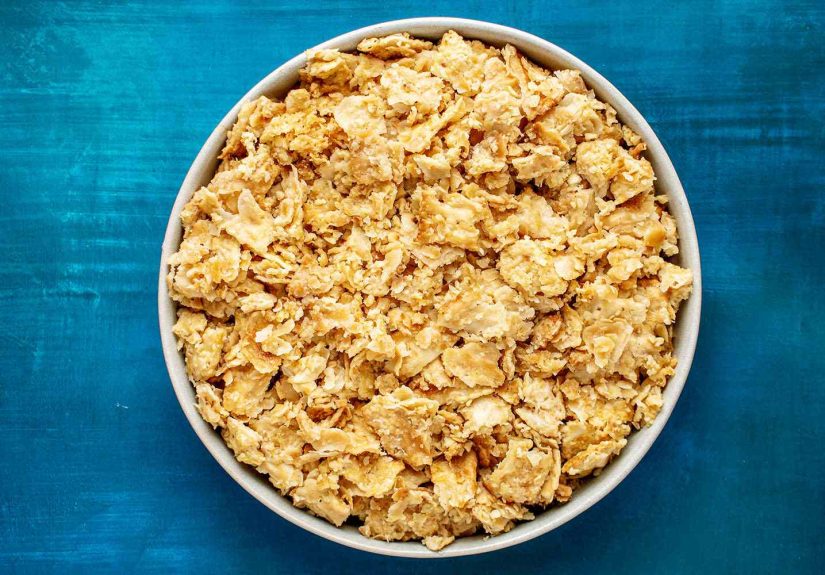
Matzo farfel is simply matzo broken into small piecesusually around pea-size to about 1/4-inch-ish. In many Passover kitchens, it steps in where pasta would normally show up, because regular noodles are off the menu for the holiday. Think of it as the practical cousin of matzo balls: less formal, more “I’m here to help soak up sauce.”
The best part? You can buy it boxed, or you can make your own in under a minute by crushing matzo sheets (which is extremely satisfying, like bubble wrap for cooks). Either way, it cooks fast and plays well with onions, broth, mushrooms, herbs, and pretty much any savory flavor you love.
Quick Recipe Snapshot
- Time: 20–25 minutes
- Serves: 4–6 as a side
- Texture: Tender, lightly chewy, spoonable
- Best with: Brisket, roast chicken, turkey, tsimmes, saucy veggies, or anything with pan drippings
- Passover note: This is a gebrokts dish (matzo gets wet). If your family avoids gebrokts, skip to the alternatives section.
Ingredients
Everything below is simple, but for Passover, make sure your broth and seasonings are labeled Kosher for Passover if your household follows that standard.
Main Ingredients
- 4 cups matzo farfel (store-bought or crushed from 6–7 matzo sheets)
- 2 tablespoons olive oil, schmaltz, or Passover-approved margarine
- 1 medium yellow onion, finely diced
- 2 cloves garlic, minced (optional but highly encouraged)
- 2 large eggs, lightly beaten
- 1/3 cup matzo meal (helps the egg coat the pieces; optional but recommended)
- 2 to 2 1/2 cups chicken broth (or vegetable broth), hot
- 1 to 1 1/2 teaspoons kosher salt, to taste
- Black pepper, to taste
Optional Flavor Boosters (Pick Your Adventure)
- 1 cup sliced mushrooms, sautéed with the onions
- 1/2 cup thinly sliced celery (adds crunch and aroma)
- 1/2 cup shredded carrot (subtle sweetness + color)
- 2 tablespoons chopped parsley or dill
- 1/2 teaspoon dried thyme, or a pinch of za’atar if that’s your style
- A tiny squeeze of lemon at the end (brightens everything)
Step-by-Step: How to Make Savory Simmered Matzo Farfel
1) Make (or Prep) the Farfel
If using matzo sheets, place them in a large zip-top bag and gently crush into small pieces. Don’t pulverize into dustaim for little shards and nuggets. If it starts looking like sand at the beach, you’ve wandered into matzo meal territory (still useful, just a different job).
2) Give It a Quick Dampening (So It Cooks Evenly)
Put the farfel in a large bowl. Splash with warm waterjust enough to barely moistenand let it sit for 60–90 seconds. Then drain well and press out excess water. You’re not making cereal. You’re just taking the edge off that “cracker” energy so the egg can coat it nicely.
3) Coat with Egg (and a Little Matzo Meal)
Add beaten eggs, matzo meal (if using), salt, and pepper to the damp farfel. Toss until everything looks evenly coated and slightly clumpy. This step sets you up for farfel that tastes savory and satisfying instead of “wet matzo that had a rough day.”
4) Sauté the Aromatics
Heat the oil (or schmaltz) in a wide skillet or sauté pan over medium heat. Add onion (and mushrooms/celery if using). Cook 6–8 minutes until softened and turning golden. Add garlic for the last 30 seconds so it smells amazing and doesn’t get bitter.
5) Toast the Farfel Mixture
Add the egg-coated farfel to the pan. Spread it out and sauté 3–4 minutes, stirring and pressing gently, until the egg sets and you get a few toasted, golden bits. That little toasty edge is the difference between “fine” and “why didn’t we make a double batch?”
6) Simmer in Broth Until Tender
Pour in 2 cups of hot broth. Stir, bring to a gentle simmer, then reduce heat to low. Cover and cook 6–8 minutes. Check the texture: if it’s still too firm, add another splash of broth and give it 2–3 more minutes.
7) Finish Like a Pro (Even If You’re Wearing Pajama Pants)
Turn off heat. Fluff with a fork. Taste and adjust salt and pepper. Stir in fresh herbs if using. If you want it slightly drier (more pilaf-like), cook uncovered for 1–2 minutes to evaporate extra liquid. If you want it softer (more spoonable), keep it covered until serving.
Why This Works (A Little Cooking Science, Passover Edition)
Matzo farfel is famously thirsty. Once it meets liquid, it absorbs it quicklylike it has been waiting all year for this moment. That’s why broth matters: water will soften it, but broth makes it taste like something you planned.
The egg-coating step does two important jobs: it adds richness and helps the farfel pieces stay distinct instead of dissolving into a single matzo blob. The quick toasting in fat builds flavor, and the final simmer finishes the texture so it’s tender and comforting.
Variations for Different Passover Tables
Mushroom-Onion “Almost Stuffing” Farfel
Add 2 cups mushrooms (sliced) and a little extra onion. Sauté until the mushrooms release their liquid and start to brown. Proceed with the recipe. This version tastes like stuffing decided to become a stovetop side dish.
Vegetarian / Pareve-Friendly
Use vegetable broth and olive oil. Add herbs (dill + parsley is a classic combo) and consider a pinch of thyme. Pair it with roasted vegetables or a tomato-based main to keep things lively.
Extra-Crispy Bottom (For the Crunch People)
After simmering, let the farfel sit uncovered in the pan for 2 minutes, then press it lightly and cook on low for another 2–3 minutes without stirring. You’ll get a golden, crispy layer. It’s basically the matzo version of “the good part.”
Matzo Farfel Muffin Inspiration
If you love the idea of crisp outside/soft inside, you can pivot this flavor profile into muffin cups with sautéed veggies and eggs. That’s a great make-ahead option for Passover lunches or brunch spreads.
Serving Ideas: What Goes with Savory Simmered Matzo Farfel?
- With brisket: Let the farfel catch the gravy. This is not optional; it’s the assignment.
- With roast chicken or turkey: Especially good if you spoon pan juices over the top.
- With tsimmes or stewed fruit: The sweet-savory combo works surprisingly well.
- With soup: Serve a scoop on the side or under a ladle of broth for a cozy bowl.
- With a bright salad: Something lemony balances the richness.
Make-Ahead, Storage, and Reheating Tips
Storing
Refrigerate in an airtight container for up to 3–4 days. Because farfel continues to absorb moisture, it may firm up as it sits. No panic required.
Reheating (Choose Your Texture)
- Softer: Reheat covered in a saucepan with a splash of broth.
- Crispier: Reheat uncovered in a skillet, letting the moisture cook off.
Freezing is possible, but the texture won’t be quite as dreamy after thawing. This dish is fast enough that fresh is usually worth it.
FAQs (Because Someone Always Asks)
Is matzo farfel gluten-free?
Traditional matzo is made from wheat, so it’s not gluten-free. Some brands make gluten-free matzo and matzo meal specifically for Passoveruse those if you need a gluten-free version, and verify they’re labeled Kosher for Passover if that matters in your kitchen.
Can I make it without eggs?
Yes, but the texture changes. Without eggs, focus on toasting the dry farfel in oil first, then simmer with broth. It will be softer and less “separate” than the egg-coated version, but still tastyespecially with onions and herbs.
Is this dish “gebrokts”?
Yesbecause the matzo gets dampened and simmered. If your household avoids gebrokts during Passover, this isn’t the right recipe for that week. (Consider potato kugel, roasted potatoes, or a vegetable side instead.)
Passover Table Experiences: The Real-Life Joy of Savory Simmered Matzo Farfel
Every Passover table has at least one “quiet hero” dishthe one nobody makes a speech about, but everybody keeps scooping onto their plate until the bowl mysteriously empties. Savory simmered matzo farfel is that dish. It doesn’t demand attention. It just shows up, does the job, and somehow makes everything else taste better. Like the friend who offers to help you move and then actually carries the heavy boxes.
In a lot of families, the first week of Passover starts out with big energy: special meals, extra company, and enough pots and pans to qualify as a small percussion section. Then reality sets in around day three, when you realize you have to feed people again, and everyone is suddenly “not in the mood for another matzo meal pancake.” That’s where farfel shines. It’s familiar enough to feel traditional, but different enough that nobody feels like they’re chewing the same meal in a different shape.
There’s also a particular kind of Passover satisfaction that comes from transforming matzo into something tender and savory. It feels a bit like kitchen magicexcept the trick is mostly onions, broth, and patience for about eight minutes. You can practically see the mood improve when the farfel hits the table next to brisket or chicken. Saucy mains suddenly have a purpose beyond “delicious”: they become a topping. And when something becomes a topping, people get excited. It’s science. (Or at least it’s very consistent anecdotal evidence from hungry relatives.)
If you’ve ever watched kids at the table, farfel is sneaky-smart. It’s mild, warm, and easy to eatno intense bitterness, no suspicious “green stuff,” unless you add herbs (and even then, parsley is basically green confetti). Adults like it because it’s comforting; kids like it because it’s soft and tastes like the good part of soup without the “why is there a carrot floating near my spoon” drama.
The texture debate is real, too. Some people want farfel fluffy and spoonable, almost like a savory porridge you can mound politely. Others want it drier, with toasty bits and a little chew. The nice thing is that both camps can be happybecause the difference is mostly whether you cover it while reheating and how long you let it cook uncovered at the end. It’s like having two recipes without doubling your effort (which, during Passover, feels like winning a small lottery).
And then there’s the “use what you’ve got” charm. One year you’ll add mushrooms and it will taste like stuffing’s sophisticated cousin. Another year you’ll toss in celery and dill because you already bought them for matzo ball soup. Sometimes you’ll finish with a squeeze of lemon because the meal is rich and you want a little brightness. Farfel doesn’t mind. It’s adaptable, forgiving, and fully onboard with your “I’m trying my best” energy.
Most of all, savory simmered matzo farfel tends to become a tradition precisely because it’s practical. It’s quick. It’s inexpensive. It stretches a meal. It makes leftovers feel intentional. And it has that rare Passover superpower: it tastes like comfort food without requiring you to produce a brand-new personality called “Holiday Baking Person.” Just a pan, a spoon, and the willingness to let matzo become its best self.
Conclusion
If you’re looking for a kosher for Passover side dish that’s warm, savory, and endlessly compatible with your seder menu (and your weeknight reality), savory simmered matzo farfel is a keeper. It’s simple enough for beginners, flexible enough for creative cooks, and comforting enough that people will ask for it againsometimes before you’ve even finished clearing the table.