Table of Contents >> Show >> Hide
- Why Hoka Works So Well for Tired Feet
- The Best Hoka Sneakers to Watch When You Want Comfort and a Real Discount
- How to Choose the Right Hoka for Your Kind of Foot Fatigue
- How to Shop a 20% Hoka Sale Without Regret
- Are Supportive Hokas Actually Worth It?
- Real-World Experiences With Supportive Hoka Sneakers for Tired Feet
- Conclusion
If your feet feel like they’ve worked a double shift by lunchtime, congratulations: you are extremely normal. Between concrete floors, long commutes, standing desks that somehow still involve too much standing, and the occasional “quick errand” that turns into a full walking tour of civilization, tired feet are basically a modern lifestyle accessory. The good news is that supportive sneakers can make a real difference, and Hoka has become one of the first brands people mention when they want cushioning without turning every step into a grumpy negotiation.
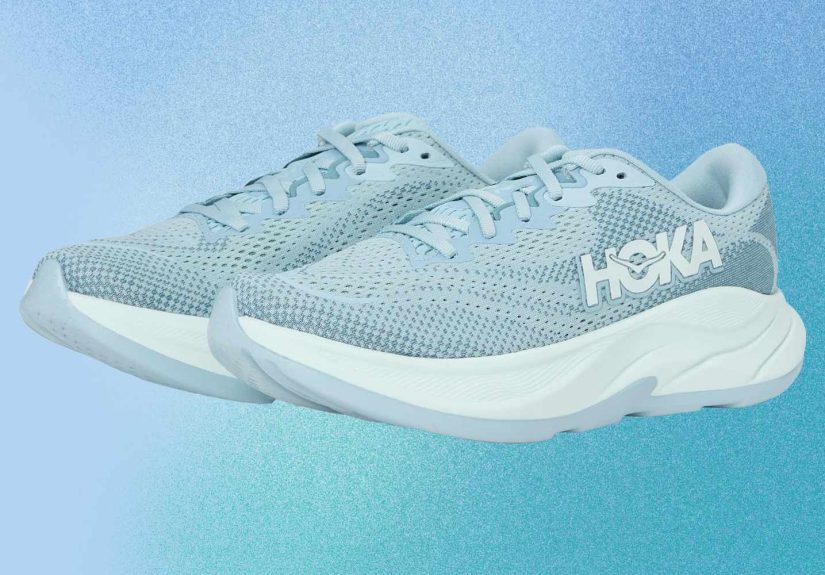
At the time of writing, select Hoka styles are showing discounts of around 20%, especially on popular models like the Bondi 9 and Clifton 10. That matters because Hoka is not exactly the bargain-bin king of footwear. A 20% drop is often the point where a shoe goes from “maybe later” to “fine, I’ll stop pretending my old sneakers still have arch support.”
But here is the thing: not every tired foot needs the same kind of help. Some people need max cushioning. Some need stability. Some need a roomy fit because their feet swell after long shifts. Some need a work-friendly pair that can survive coffee spills, hospital floors, or restaurant chaos. This guide breaks down which supportive Hoka sneakers are worth watching, how to think about that 20% savings, and how to avoid buying the wrong shoe just because it looked amazing under store lighting and emotional weakness.
Why Hoka Works So Well for Tired Feet
Hoka’s reputation did not appear out of thin air. The brand’s appeal comes from a blend of features that consistently show up in editor testing, podiatry recommendations, and product design: thick cushioning, rocker geometry for smoother transitions, support-focused construction, and models that range from neutral plushness to structured stability.
Cushioning That Actually Feels Like a Difference
The biggest reason tired feet often love Hoka is simple: foam. Lots of it. Models like the Bondi 9 are designed to absorb impact and reduce the pounding that builds up when you walk or stand on hard surfaces for hours. That does not mean the shoe magically solves every foot problem. It does mean your heels, arches, knees, and lower legs may feel less battered by the end of the day.
For many wearers, that “ahhh” feeling comes from the brand’s thick midsoles and soft-but-supportive underfoot ride. In plain English, Hoka makes shoes that try to take some of the drama out of every step.
The Rocker Shape Is Not Just a Weird Design Choice
Hoka’s MetaRocker design helps move you from heel to toe with a smoother rolling motion. That can be especially helpful when your feet are fatigued and every step feels sluggish. Instead of asking your foot to do all the work, the shoe geometry helps guide the motion. Think of it as a gentle nudge forward rather than a motivational speech from your footwear.
Support Is Not One-Size-Fits-All
Another reason Hoka stands out is variety. Neutral shoes like the Bondi 9 and Clifton 10 work well for a lot of people who simply want more comfort and shock absorption. Stability models like the Gaviota and Arahi families are better for shoppers who overpronate or feel like their feet collapse inward when they walk. Hoka also offers wide and extra-wide options in select models, which matters a lot for swollen feet, bunions, or anyone who has ever muttered, “Why does every shoe assume my toes are decorative?”
The Best Hoka Sneakers to Watch When You Want Comfort and a Real Discount
If the headline is “save 20%,” the smartest move is not buying any random Hoka that happens to be marked down. The smarter move is matching the model to the kind of fatigue your feet are dealing with.
Bondi 9: Best for Maximum Cushioning
The Bondi 9 is the plush superstar of the lineup. If you spend long hours on concrete, walk a lot for work, or deal with general foot and joint fatigue, this is the model most likely to make you understand why Hoka fans sound like they’re in a sneaker cult. It is cushioned, substantial, and built for people who want a soft landing over and over again.
Compared with older versions, the Bondi 9 has a more refined fit, updated foam, and a design that feels a little less bulky than earlier Bondis. It still looks like a serious shoe. It still has a tall stack. It still says, “I prioritize comfort, and yes, I may also own an electric foot massager.”
This is the best pick for:
- all-day standing on hard floors
- walkers who want maximum shock absorption
- people with tired heels, sore arches, or knee crankiness
- shoppers who prefer a softer, more protective ride
Clifton 10: Best for Everyday Wear That Feels Lighter
The Clifton 10 is often the “start here” recommendation because it balances cushioning and versatility so well. It is not as marshmallowy as the Bondi, but that is exactly why some people prefer it. It feels lighter, easier, and more nimble for daily wear. If you want one pair for commuting, walking, errands, and general life chaos, the Clifton 10 is a strong candidate.
It is the kind of sneaker that works for tired feet without making you feel like you strapped two mattresses to your ankles. That matters if you want support but still care about flexibility, daily wearability, and not clomping through the grocery store like a space explorer.
The Clifton 10 is a smart buy for:
- general foot fatigue without severe instability
- walking, travel, and long days out
- people who want cushioning with a lighter feel
- buyers who want an all-purpose Hoka
Gaviota and Arahi: Best for Stability Needs
Here is where a lot of people make a mistake: they assume softer is always better. Not true. If your feet roll inward, your arches feel unsupported, or you need more guidance through each step, a stability model may help more than the softest shoe on the wall.
The Gaviota line is the more cushioned stability option, making it a great choice for people who want support without a rigid, old-school stability-shoe feel. The Arahi family is another strong option if overpronation is part of the problem, and it tends to feel a bit lower-profile and less bulky.
If you have flat feet, inward rolling, or fatigue that seems tied to poor alignment rather than simple soreness, these models deserve a close look. A 20% discount is nice, but getting the right category of shoe is what actually saves your feet.
Bondi SR: Best for Work Shifts and Slippery Floors
If your tired feet come from service, healthcare, hospitality, or any job involving long hours and questionable floor conditions, the Bondi SR is a sleeper hit. It takes the Bondi comfort idea and adapts it for work, with features like water-resistant leather and slip-resistant tread.
This is not the prettiest shoe in the lineup. It is the “I have to survive a 10-hour shift and maybe spill iced coffee on myself” shoe. And honestly, that is a noble purpose.
How to Choose the Right Hoka for Your Kind of Foot Fatigue
If You Stand All Day
Start with the Bondi 9 or Bondi SR. Long periods of standing usually call for protective cushioning, a stable platform, and enough structure to keep your feet from feeling flattened by the end of the day. If your workplace has slick floors or dress-code realities, the Bondi SR may be the better buy.
If You Walk a Lot but Hate Heavy Shoes
Go with the Clifton 10. It is supportive, cushioned, and easier to wear across more situations. For many people, this is the sweet spot between comfort and agility.
If You Overpronate or Need More Guidance
Look at the Gaviota or Arahi families. Max cushioning is wonderful, but when alignment is the bigger issue, structured stability usually wins.
If Your Feet Swell or Feel Crowded
Prioritize width options and a shape that does not squeeze the forefoot. Select Hoka models come in wide or extra-wide versions, and that can be a huge deal for comfort. A supportive shoe that crushes your toes is still a bad shoe. It is just an expensive bad shoe.
How to Shop a 20% Hoka Sale Without Regret
The smartest Hoka shoppers are not the ones who click fastest. They are the ones who read the product page and know what they actually need.
First, check whether the discount applies to all colors or only select ones. Often, that exciting “20% off” headline really means “20% off the exact color your spouse will describe as aggressive.” If the fit and function are right, take the win.
Second, do not confuse previous-generation savings with a bad shoe. Hoka refreshes popular lines frequently, and the outgoing version is often still excellent. A slightly older Clifton, Bondi, or Gaviota can still deliver major comfort if the fit works for your foot.
Third, remember that return policies matter. Premium sneakers are an investment, and your feet do not care about marketing language. They care about how the shoe feels after two hours, not two minutes.
Are Supportive Hokas Actually Worth It?
For the right wearer, yes. If you routinely end your day with burning arches, sore heels, heavy legs, or that lovely “please do not ask me to walk one more block” feeling, a supportive Hoka can absolutely feel worth the money. The difference is often not subtle.
But Hokas are not magic. They will not fix every biomechanical issue, erase every injury, or replace medical advice if your pain is severe, persistent, or getting worse. If you have sharp pain, numbness, repeated swelling, or symptoms that do not improve, it is smart to talk with a podiatrist or healthcare professional instead of holding a one-sided therapy session with your sneakers.
Still, for everyday fatigue, all-day wear, walking on hard surfaces, and the general misery caused by unsupportive shoes, Hoka has earned its popularity honestly. And when you can find the right pair at 20% off, that is one of those rare shopping moments where comfort and logic hold hands.
Real-World Experiences With Supportive Hoka Sneakers for Tired Feet
What does the Hoka difference actually feel like in daily life? Usually, it shows up in boring little moments, which is exactly why it matters. It is the teacher who notices her feet are not throbbing by seventh period. It is the nurse who gets to the car after a long shift and realizes her heels are annoyed, but not furious. It is the traveler who survives an airport, a delayed connection, and a half-day of sightseeing without needing to sit dramatically on a random bench and question every life choice.
For people coming from thin, worn-out sneakers, the first impression is often shock. The shoe feels taller, softer, and more protective. Some describe the Bondi 9 as the pair that finally made concrete feel less hostile. That matters for warehouse workers, retail employees, parents chasing children through giant stores, and anyone whose step count looks suspiciously athletic even though they never once intended to “train.”
The Clifton 10 tends to win over people who want relief without the full maximalist experience. A common story goes like this: someone tries a Bondi, likes the cushion, but wants something lighter for daily errands, commuting, or travel. Then the Clifton becomes the favorite because it still feels supportive, just less bulky and easier to wear from morning coffee to evening dog walk. It is the pair that often makes people say, “I forgot I was even thinking about my feet today,” which may be the highest compliment any shoe can earn.
Stability shoppers often have a different kind of experience. Their issue is not just soreness. It is the feeling that their stride gets sloppy when they are tired, or that the inside edge of the shoe always collapses first, or that knee discomfort starts after an hour of walking. For them, stepping into a Gaviota or Arahi can feel more controlled. Not flashy. Not dramatic. Just steadier. And when a shoe makes your body feel more organized, your feet usually stop filing complaints with management.
Workwear users have their own love language, and it sounds a lot like this: “I made it through the shift.” The Bondi SR gets attention for exactly that reason. It is not about personal bests or stylish sidewalk struts. It is about lasting through long hours, slick floors, repetitive movement, and the kind of fatigue that settles into the feet first and then tries to spread everywhere else. For many people in healthcare, food service, and customer-facing roles, a shoe that feels supportive at hour nine is worth far more than a shoe that looked cool at hour one.
Even the emotional experience matters more than people admit. When your feet hurt, everything feels harder. Walking feels annoying. Standing feels personal. Small tasks feel bigger. A good supportive sneaker does not solve your entire life, unfortunately, but it can remove one constant irritation from the background. And that is why so many loyal Hoka wearers keep buying another pair when the right sale appears. Their feet remember.
Conclusion
If you can save 20% on a supportive pair of Hoka sneakers, this is one of those rare shopping decisions that can feel good both immediately and over time. The Bondi 9 is the max-cushion hero for people who want softness and protection. The Clifton 10 is the versatile daily favorite that works for a huge range of tired-foot situations. The Gaviota and Arahi lines are smarter picks when you need stability, not just plushness. And for demanding workdays, the Bondi SR deserves serious respect.
The key is not chasing the discount alone. It is matching the discount to the right shoe. Do that, and your feet may stop acting like they have been personally betrayed by every sidewalk, hallway, and tile floor in America.