Table of Contents >> Show >> Hide
- Quick Refresher: What Acid Reflux (and GERD) Really Means
- Do Saltine Crackers Help Acid Reflux?
- How Saltines Might Help (and When They Might Backfire)
- How to Eat Saltines for Heartburn Without Regrets
- Foods to Avoid If You’re Prone to Acid Reflux
- Reflux-Friendlier Foods to Choose Instead
- A Simple “Reflux-Safer Snack Formula”
- Lifestyle Tips That Matter as Much as Food
- Sample One-Day “Low-Drama” Menu for Reflux-Prone Days
- When to Call a Clinician (Don’t Tough It Out Forever)
- Conclusion: Saltines Can HelpIf You Use Them Strategically
- Experience Section (Added ): Real-Life Patterns People Notice With Saltines and Reflux
Acid reflux has a talent for showing up uninvitedusually right after you’ve eaten something delicious, spicy, or “just one more bite”-ish. And when that familiar burn creeps up your chest (hello, heartburn), many people reach for a simple fix that’s been hanging around kitchens since forever: saltine crackers.
But are saltines actually helpful for reflux, or are they just the snack equivalent of “thoughts and prayers”? Let’s break down what saltines can do, when they might backfire, and what to avoid eating if you’re trying to keep reflux from acting like it pays rent. (Spoiler: some foods are basically a VIP pass for heartburn.)
Quick Refresher: What Acid Reflux (and GERD) Really Means
Acid reflux happens when stomach contents move upward into the esophagus. If this happens often and causes ongoing symptoms, it may be diagnosed as GERD (gastroesophageal reflux disease). The main issue is usually the lower esophageal sphincter (LES), the “valve” that’s supposed to keep stomach acid where it belongs.
Symptoms vary, but common ones include burning chest discomfort (heartburn), sour taste or regurgitation, and discomfort after meals especially when you lie down too soon.
Do Saltine Crackers Help Acid Reflux?
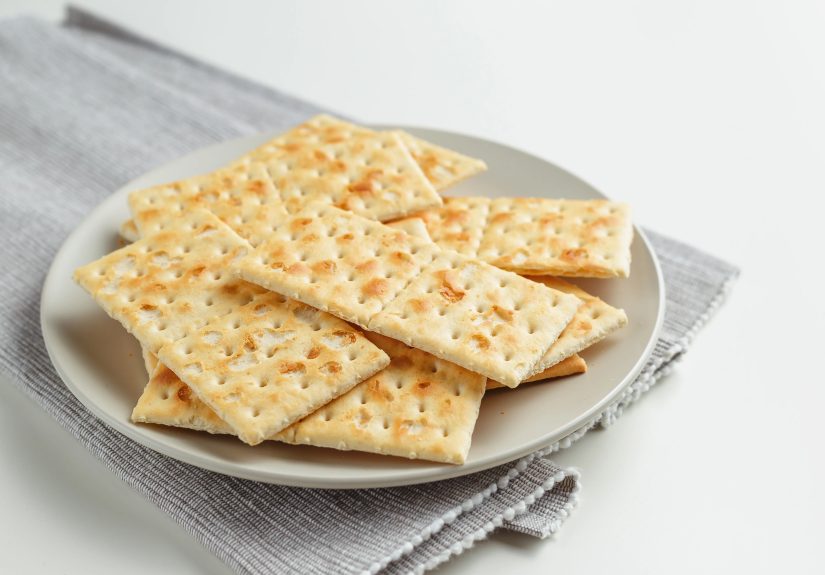
Sometimes, yesas a small, short-term comfort move, not as a cure. Saltines are bland, dry, and easy to digest. For some people, that combo can feel soothing when the stomach is irritated, when nausea is lurking, or when reflux is mild and meal-related.
The key word is “some”. Reflux triggers are famously personal. One person’s “safe snack” is another person’s “why is my throat on fire?” So think of saltines as a potential tool in your reflux toolkitnot the hero of the whole movie.
How Saltines Might Help (and When They Might Backfire)
The “Bland Carbs” Effect
Saltines are a classic bland carbohydrate. Bland foods are often recommended for upper GI irritation because they’re less likely to be acidic, spicy, or fattythree qualities that tend to stir up trouble. A few crackers can also help by giving your stomach something gentle to work on, especially if reflux hits when your stomach is empty.
Dry + Crunchy Can Feel Calming
Dry foods may feel like they “soak up” whatever is sloshing around. That sensation can be comforting, even if it isn’t a true “neutralization” of stomach acid in any medical sense. Translation: you may feel better because the snack is mild and stabilizing, not because crackers perform magical acid-vanishing tricks.
When Saltines Can Backfire
- Too many crackers: A sleeve of saltines is no longer a gentle snackit’s a mini-meal. Overeating can increase stomach pressure and worsen reflux.
- High sodium: Saltines can be salty (shocking, I know). High sodium foods may contribute to bloating or thirst, and processed foods often sneak in extra fats and additives.
- Refined carbs: Some people notice reflux is worse with lots of refined starches or sugary foods. If you’re in that camp, saltines may not be your best friend.
- Pairing problems: Saltines dipped in salsa, topped with pepperoni, or chased with coffee basically cancels the peace treaty.
How to Eat Saltines for Heartburn Without Regrets
If you want to try saltine crackers for acid reflux relief, treat them like a “small assist,” not dinner. Here are practical ways to use them:
1) Stick to a Small Portion
Start with 2–6 crackers. Wait 10–15 minutes and see how you feel. If you inhale half the box, you’re more likely to trigger reflux than calm it.
2) Choose a Lower-Sodium Option When Possible
“Low-sodium” saltines existand yes, the name is a little funny. But if you rely on crackers often, lower sodium can be a smart swap. (Your blood pressure may also appreciate the plot twist.)
3) Pair Saltines With Gentle Protein (If You Tolerate It)
A small amount of lean protein can help keep you satisfied without the reflux chaos of high-fat foods. Try one of these reflux-friendlier pairings:
- Saltines + a small slice of turkey or chicken (not spicy deli meat)
- Saltines + a thin spread of hummus (if garlic doesn’t trigger you)
- Saltines + low-fat cottage cheese (if dairy is OK for you)
- Saltines + a banana on the side (classic bland snack energy)
4) Eat Them UprightNot as a Bedtime “Emergency Snack”
Late-night snacking is a common reflux trap. If you need something small, keep it truly smalland stay upright afterward. Many experts recommend finishing meals at least a couple of hours before lying down.
Foods to Avoid If You’re Prone to Acid Reflux
Not every person has the same triggers, but certain foods show up on the reflux “most-wanted” list again and again. If saltines help you, greatjust don’t invite these troublemakers to the party at the same time.
Common Trigger Foods
- Fried and high-fat foods: fried chicken, fries, heavy cream sauces, buttery pastries
- Spicy foods: hot sauce, chili-heavy dishes, spicy pepper blends
- Tomato-based foods: pizza sauce, marinara, ketchup-heavy meals
- Citrus fruits and juices: orange, grapefruit, lemonade (for many people)
- Chocolate: yes, even the “just a little square” can be a trigger
- Mint/peppermint: mint tea, peppermint candy, minty desserts
- Caffeinated drinks: coffee, some teas, energy drinks
- Carbonated beverages: soda, seltzer (bubbles can add pressure and symptoms)
- Alcohol: especially close to bedtime
Food Habits That Can Be Just as Triggering
- Big meals (the stomach is not a clown cardon’t pack it like one)
- Eating fast (hello, swallowed air + overfilling)
- Late dinners followed by immediate couch collapse
- Skipping meals then overeating later
Reflux-Friendlier Foods to Choose Instead
Reflux-friendly eating isn’t about living on sadness and plain water. The goal is to choose foods that are less likely to relax the LES, irritate the esophagus, or slow digestion too much.
Generally Gentle Options
- Oatmeal (a classic comfort carb)
- Rice, potatoes, and pasta (go easy on butter, cream, and spicy sauces)
- Lean proteins like chicken, turkey, fish, tofu
- Cooked vegetables (often easier than raw if you’re sensitive)
- Non-citrus fruits like bananas, melons, apples (tolerance varies)
- Low-fat dairy for those who do well with it
A Simple “Reflux-Safer Snack Formula”
When you need a snack but don’t want the heartburn sequel, try this formula: gentle carb + lean protein + low-acid add-on.
- Saltines + turkey + sliced cucumber
- Plain toast + egg whites + steamed spinach
- Oatmeal + banana + a small sprinkle of nuts (if fat isn’t a trigger for you)
- Rice cakes + low-fat cottage cheese + melon
Lifestyle Tips That Matter as Much as Food
If you only change one thing, make it this: reflux management is often about timing and posture as much as ingredients. Saltines can help a little, but lifestyle habits can help a lot.
Eat Earlier, Smaller, and Slower
- Smaller meals: less stomach pressure can mean fewer symptoms.
- Don’t lie down after eating: gravity is your unpaid internlet it work.
- Slow down: take breaks mid-meal so you don’t accidentally out-eat your comfort zone.
Adjust Sleep Setup for Nighttime Reflux
If reflux loves to interrupt your sleep, you may benefit from raising the head of your bed (a wedge can help). Stacking extra pillows often bends you at the waist, which can increase pressureso consider a wedge or bed risers instead.
Consider a Food-and-Symptom Diary
Because triggers vary, a simple diary for a week can help you spot patterns: what you ate, when you ate it, and when symptoms showed up. This can be especially helpful to share with a clinician or dietitian.
Sample One-Day “Low-Drama” Menu for Reflux-Prone Days
Not medical advicejust an example of a gentler day.
- Breakfast: oatmeal with banana + herbal (non-mint) tea
- Mid-morning snack: 4–6 saltines + turkey slices
- Lunch: grilled chicken + rice + cooked carrots or zucchini
- Afternoon snack: applesauce or melon + low-fat yogurt (if tolerated)
- Dinner (earlier): baked fish + mashed potatoes + green beans
- Evening: if needed, a tiny snack (not a buffet) and stay upright
When to Call a Clinician (Don’t Tough It Out Forever)
Occasional heartburn happens. But if symptoms are frequent, persistent, or escalating, it’s worth getting medical guidanceespecially because untreated GERD can lead to complications over time.
- Heartburn happens more than twice a week
- Symptoms continue despite over-the-counter meds
- Trouble swallowing, vomiting, or unexplained weight loss
- Signs of bleeding (like vomit that looks like coffee grounds) or anemia
- Chest pain that could be heart-related (seek urgent care for severe or concerning symptoms)
Conclusion: Saltines Can HelpIf You Use Them Strategically
Saltine crackers can be a small, bland, easy snack that some people find soothing during mild reflux especially when the alternative is grabbing something greasy, spicy, or acidic. The trick is portion control, smart pairings, and not using saltines as a permit slip to ignore bigger reflux triggers.
If you’re serious about acid reflux relief, combine snack strategy with the fundamentals: smaller meals, earlier dinners, trigger tracking, and bedtime posture that lets gravity do its job. Saltines aren’t a curebut they can be a surprisingly decent supporting character.
Experience Section (Added ): Real-Life Patterns People Notice With Saltines and Reflux
If you asked a room full of reflux-prone people what they keep “just in case,” you’d probably hear the same three answers: antacids, water, and a half-crushed sleeve of saltines that’s been living in a purse, desk drawer, or glove compartment since 2019. The loyalty is realand it usually comes from a few repeatable experiences.
One common scenario is the “empty-stomach burn”. People often notice reflux feels sharper when they’ve gone too long without eating, then suddenly sip coffee or grab something acidic. In those moments, a few saltines can feel like putting a soft blanket over an angry stomach. The relief isn’t always dramatic, but it can take symptoms from “this is ruining my afternoon” down to “annoying, but manageable.”
Another pattern: the “bad pairing trap”. People report that saltines helpright up until they’re used as a vehicle for trigger foods. Saltines with mild toppings can be fine, but saltines plus hot salsa, peppery deli meat, or a strong cup of coffee can turn into reflux roulette. The crackers weren’t the problem; the toppings were the plot twist.
Then there’s the late-night rebound. Many people have tried the bedtime saltine “just to settle things,” only to learn that eating too close to lying down is like sending reflux an engraved invitation. A small snack might be okay if you truly need it, but a larger portionor eating and immediately going horizontaltends to bring symptoms right back. People who do best usually follow the boring-but-effective rule: eat earlier, keep it small, stay upright.
Some also notice a sodium effect, especially if saltines are a frequent habit. More salt can mean more thirst, more fluid intake, and sometimes more bloatingnone of which is ideal if your reflux is pressure-sensitive. In those cases, switching to low-sodium crackers or rotating in other bland carbs (like oatmeal, toast, or rice cakes) can make a difference.
Finally, many people find the real breakthrough comes from tracking patterns rather than hunting for one “magic food.” When they keep a simple diarywhat they ate, how fast, what time, and when symptoms hitthey often uncover a personal trigger they never suspected (like peppermint tea, carbonated water, or a “healthy” citrus smoothie). Saltines can still be part of the plan, but they become one tool among manynot the whole strategy.