Table of Contents >> Show >> Hide
- What Makes These Rustic Suede Pot Holders Different?
- Why Suede Works So Well in the Kitchen
- The Upstate New York Connection Is Not Just Marketing
- Why Handmade Kitchen Goods Still Matter
- How to Use Suede Pot Holders the Smart Way
- Style Matters Too, and These Have Plenty of It
- Are Rustic Suede Pot Holders Worth It?
- Experience: What It Feels Like to Live With Rustic Suede Pot Holders in a Real Kitchen
Note: HTML body only, English content only, source links intentionally omitted for clean web publishing.
Some kitchen tools are loud about their importance. Dutch ovens swagger. Chef’s knives act like celebrities. Espresso machines hum with the confidence of a Broadway lead. Pot holders, meanwhile, usually sit quietly in a drawer like underpaid stagehands. But every so often, a humble kitchen essential shows up looking so good that it becomes part tool, part design statement, part “where did you get that?” conversation starter.
That is exactly the appeal of rustic suede pot holders made in Upstate New York. They are practical, handsome, and unapologetically tactile. They look like they belong in a kitchen where soup simmers for hours, bread cools on a wooden board, and somebody knows the difference between “cozy” and “cluttered.” Better yet, they are rooted in real craftsmanship rather than fake farmhouse theater. No offense to decorative roosters, but this is a different league.
These suede pot holders stand out because they bring together several things people increasingly want from home goods: useful design, natural materials, small-batch character, and American-made credibility. In a market full of synthetic gadgets and forgettable textiles, a well-made suede pot holder feels refreshingly grounded. It is not trying to be futuristic. It is trying to be dependable. Honestly, that is hotter than most trends.
What Makes These Rustic Suede Pot Holders Different?
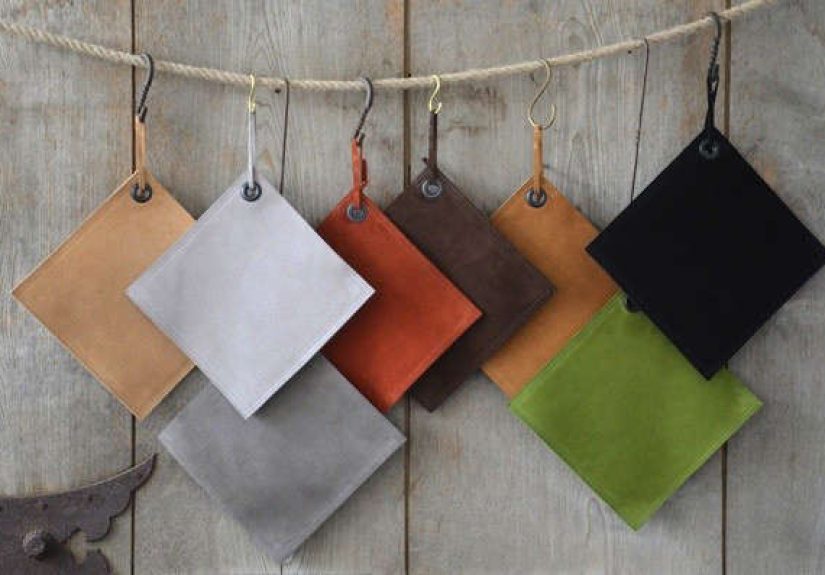
The version that drew attention through design circles is a handmade suede potholder created in Upstate New York for Dar Gitane, a Brooklyn-based shop known for elevated home goods. The product details are refreshingly straightforward: thick suede cowhide, a grommeted hanging loop, and an interior pocket for the hand. Remodelista also highlighted the potholder’s double-stitched construction and noted that it could be used double-layered for hotter pots or as a single layer for lighter tasks. In other words, this is not kitchen fluff. It is built to work.
That pocket-style construction matters more than it may seem. Flat pot holders can do the job, but they sometimes require a little last-second finger gymnastics when you are trying to grab a roasting pan that weighs roughly the same as your emotional baggage. A hand pocket gives the user more control, more confidence, and less chance of fumbling around with a skillet handle like it is a live snake.
The rustic part of the story is not just about color or styling. It comes from the material itself. Suede has a soft, slightly napped surface that feels warm and earthy instead of slick or overly polished. It looks better with age, not worse. Minor marks tend to read as character rather than damage. That is a nice trait for any kitchen item, because kitchens are not museums. They are mess factories with snacks.
Why Suede Works So Well in the Kitchen
Suede is the underside of leather that has been buffed to create a uniform nap. That detail sounds technical, but the practical takeaway is simple: suede offers a soft, grippy, textured surface that feels comfortable in the hand and less slippery than many smooth finishes. For kitchen tasks, that grip can be a real advantage when handling hot lids, cast-iron helper handles, sheet pans, and casserole dishes.
Another reason suede works is durability. Leather has long been valued for surviving real wear, not just looking pretty on a shelf. When used in a well-constructed pot holder, thick suede can provide a sturdy, reassuring feel that many thin cotton holders simply do not. It is the difference between shaking hands with a marathon runner and a damp tissue.
That said, suede is not magic armor. No pot holder deserves that kind of pressure. Kitchen safety guidance consistently stresses that potholders and oven mitts need to be dry when handling hot cookware. A damp pot holder can transfer heat quickly and increase the risk of scald burns. So while suede can be a hardworking material, it still needs smart handling. Translation: if it is wet, it is off duty.
The best use case for suede pot holders is controlled, everyday kitchen work: lifting hot pans, moving baking dishes, steadying lids, or protecting surfaces during serving. They are especially appealing to people who cook often enough to care about feel, grip, and longevity. If your current pot holder is paper-thin, permanently stained, and shaped like regret, suede starts making a lot of sense.
The Upstate New York Connection Is Not Just Marketing
“Made in Upstate New York” is not decorative copy pasted onto a hang tag to make shoppers feel rustic while standing under fluorescent lighting. The region has a genuine relationship with leatherwork and handcraft. Gloversville, for example, was once known as the hub of the nation’s glove-making industry, and the broader Fulton County area spent more than two centuries tied to leather tanning and glove production. Even today, local organizations continue to frame that history as a defining part of the region’s identity.
That heritage gives products like suede pot holders extra weight. They are not emerging from nowhere. They belong to a place where leather once shaped the economy, the workforce, and the civic story. There is even a modern thread connecting old and new: contemporary makers and small businesses continue to keep leather craft alive in New York, from custom glove shops with roots tied to Gloversville’s legacy to Upstate workshops making leather goods in small batches by hand.
Upstate New York also fits naturally into the broader American Arts and Crafts tradition. The region has long supported communities and makers who value material honesty, skilled handwork, and beautiful utility. That philosophy matters here. A rustic suede pot holder succeeds because it is not overdesigned. It is useful first, attractive second, and somehow more attractive because of that order.
Why Handmade Kitchen Goods Still Matter
There is a reason people keep drifting back toward handmade home goods even after decades of mass-market convenience. Handmade pieces feel more specific. They carry the slight variations, material richness, and sense of intention that factory-perfect products often lack. When the item is something you touch every day, those qualities matter even more.
A handmade suede pot holder does not just protect your hands. It subtly changes the rhythm of using your kitchen. You hang it up instead of burying it. You notice it. You reach for it on purpose. It becomes part of the room’s visual language, somewhere between a tool and a small object of affection. That may sound dramatic for a pot holder, but try telling that to the person who keeps buying flimsy discount-store ones every six months.
There is also a sustainability angle worth mentioning. Buying one well-made item that lasts is often smarter than cycling through a stack of cheap replacements. Natural materials, repairability, and long-term usefulness are all part of the appeal. Rustic suede pot holders are not disposable kitchen filler. They are the sort of thing that can age alongside a home.
How to Use Suede Pot Holders the Smart Way
Keep Them Dry
This is rule number one, and kitchen safety experts are practically shouting it from the stovetop. Dry pot holders protect. Wet ones can betray you instantly. Never grab hot cookware with a damp potholder, and do not let your suede holder double as a dish rag unless you enjoy chaos.
Use the Double Layer When Needed
If your suede potholder is designed with a pocket and layered construction, use that advantage for heavier or hotter cookware. More barrier usually means more confidence, especially with cast iron, roasting pans, or baking dishes that hold heat like a grudge.
Store It Within Reach
A hanging loop is not just cute. It is functional. Keep the potholder near the stove or oven so you are not improvising with a towel, T-shirt hem, or whatever poor life choices happen to be nearby.
Care for the Material
Suede benefits from simple, common-sense care. Brush away surface dust or crumbs gently. If it gets wet, let it air dry away from direct heat. Do not bake the potholder while trying to save the potholder. That would be a plot twist no one asked for.
Style Matters Too, and These Have Plenty of It
Function may lead the dance, but style absolutely gets a turn. Rustic suede pot holders look especially good in kitchens with wood shelving, stoneware, enamelware, cast iron, vintage cutting boards, linen towels, or anything else that says, “Yes, I do in fact own olive oil in a bottle too pretty to hide.”
The visual appeal comes from texture more than flash. Suede has depth. It absorbs light softly, develops a mellow patina, and adds warmth without begging for attention. In a world of aggressively shiny kitchen gadgets, that kind of quiet confidence is refreshing. These pot holders can hang on a rail, a hook, or a peg and actually improve the room while waiting to be useful.
They also make great gifts because they sit in that sweet spot between practical and personal. Everyone needs pot holders. Not everyone would splurge on a beautiful handmade pair for themselves. That makes them the ideal present for cooks, newlyweds, design lovers, cabin owners, bread bakers, and that one friend whose kitchen somehow smells like pie even when they are not home.
Are Rustic Suede Pot Holders Worth It?
If you want the cheapest thing possible between your hand and a pan handle, no. A bargain-bin cotton square will technically exist, and sometimes that is all people ask from life. But if you care about craftsmanship, everyday performance, natural materials, and a kitchen that feels intentional, then yes, rustic suede pot holders are worth a serious look.
They offer the kind of value that is easy to miss when shopping online and impossible to miss once they are in use. Better grip. Better feel. Better presence. Better story. And unlike many trendy kitchen accessories, they are not trying to solve an imaginary problem. They are simply doing an old job very well.
That may be the most appealing thing about them. They do not need an app. They do not need charging. They do not promise to transform dinner into a spiritual awakening. They just help you move hot cookware safely while looking excellent in the process. In modern life, that kind of honesty feels almost luxurious.
Experience: What It Feels Like to Live With Rustic Suede Pot Holders in a Real Kitchen
Living with rustic suede pot holders is a little different from living with ordinary fabric ones, and most of the difference comes down to feel. The first thing people notice is the texture. Suede has that soft, slightly rough hand that feels secure without being stiff. When you slip your hand into a pocket-style suede potholder and grab the handle of a Dutch oven, the experience feels more planted and deliberate. There is less slipping, less bunching, and less of that weird panic where you suddenly remember that cast iron does not care about your feelings.
There is also a satisfying sense of routine that develops. Because these potholders are handsome enough to leave out, they tend to live on a hook or rail instead of being stuffed into a drawer with expired takeout menus and mysterious rubber bands. That means you actually use them more consistently. They are visible, easy to grab, and oddly motivating. A beautiful tool has a way of making you behave like a person who has their life together, even if you are reheating pasta while wearing mismatched socks.
In everyday cooking, suede potholders feel especially good during those in-between tasks that happen constantly in a real kitchen. Pulling a tray of roasted vegetables from the oven. Turning a lid on a bubbling pot. Moving a hot skillet to a trivet. Carrying a baking dish to the table while pretending you definitely planned dinner before 6:42 p.m. The suede gives a calm, secure grip that encourages steadier movement, which is exactly what you want when something hot, heavy, or awkward is involved.
There is a visual experience too. Over time, rustic suede develops a lived-in beauty that fits naturally into a busy kitchen. It does not look sterile or overly precious. Instead, it looks at home next to wooden spoons, stoneware bowls, linen napkins, and the kind of cutting board that has chopped approximately one million onions. The wear tends to read as patina rather than damage, which makes the potholders feel more like enduring kitchen companions than replaceable accessories.
Guests notice them, too. That is not usually true of potholders, unless they are on fire. Rustic suede ones attract the sort of casual compliment that turns into a longer conversation about handmade goods, American craft, or why every house seems to contain at least one drawer full of bad oven mitts. They are small objects, but they contribute to the atmosphere of a kitchen in a surprisingly big way.
Perhaps the best part of the experience is emotional rather than technical. Handmade suede potholders slow the room down a little. They invite a more tactile, attentive style of cooking. You hang them back up after use. You brush them off. You keep them dry. You treat them like tools worth maintaining, and that simple habit adds a quiet sense of order to the kitchen. It is not dramatic. It is not life-changing. It is just lovely. Sometimes that is enough.
In the end, rustic suede pot holders made in Upstate New York represent something bigger than a kitchen accessory. They bring together utility, material honesty, regional craft heritage, and everyday pleasure in one compact object. They are useful without being boring, attractive without being fussy, and sturdy without feeling industrial. That is a rare mix. For cooks who want their tools to work hard and look good doing it, these potholders make a strong case for small luxuries that earn their place every single day.