Table of Contents >> Show >> Hide
- What You’ll Find in This Recipe
- What Makes These “Rustic” Garlic Mashed Potatoes?
- Ingredients
- Tools You’ll Want
- Step-by-Step Instructions
- Pro Tips for the Best Rustic Garlic Mashed Potatoes
- Variations & Add-Ins
- Make-Ahead, Storage, and Reheating
- What to Serve With Rustic Garlic Mashed Potatoes
- FAQ
- Kitchen Stories & Real-World Moments (Because This Dish Has a Life)
- How This Recipe Was Built (No Links, Just Credit Where It’s Due)
Mashed potatoes are the comfort-food equivalent of a warm hoodie: not fancy, not complicated, and somehow always the right choice.
This rustic garlic mashed potatoes recipe leans into that cozy vibe on purposeskins on, a few lumps proudly intact, and a mellow, sweet hit of roasted garlic.
The result is creamy-meets-chunky, deeply savory, and sturdy enough to hold its own next to gravy, steak, roast chicken, or that one friend who insists “potatoes are a personality.”
Along the way, you’ll also get the “why” behind the methodhow to avoid gluey potatoes, why warm dairy matters, and the small moves that make a big difference.
Let’s mash responsibly.
What Makes These “Rustic” Garlic Mashed Potatoes?
“Rustic” mashed potatoes are the chill cousin of ultra-smooth, restaurant-style purée.
Instead of chasing perfectly uniform velvet, rustic mash keeps some textureusually by leaving the skins on and mashing gently.
You still get plenty of creaminess, but you also get character: earthy potato flavor, little flecks of peel, and a hearty bite that feels homemade (because it is).
The garlic here is roasted, not raw. Roasting transforms sharp garlic into a soft, sweet, almost buttery paste that melts into the potatoes.
It’s bold without being aggressiveno “I ate a garlic clove and now my soul is garlic” aftertaste.
Ingredients
Yield: Serves 6–8 as a side
For the roasted garlic
- 1 large head of garlic (use 2 if you want extra garlic-forward potatoes)
- 1–2 teaspoons olive oil
- Pinch of salt
For the rustic mashed potatoes
- 3 pounds Yukon Gold potatoes (or a 50/50 mix of Yukon Gold + russet)
- 2 tablespoons kosher salt (for the cooking water), plus more to taste
- 6 tablespoons unsalted butter, cut into pieces
- 3/4 to 1 1/4 cups whole milk or half-and-half, warmed (start smaller; add as needed)
- 1/3 cup sour cream (optional, but highly recommended for tang and richness)
- Freshly ground black pepper
- 2 tablespoons chopped chives or parsley (optional, for a little green confidence)
Optional “make it yours” extras
- 1/4 cup grated Parmesan or Pecorino Romano
- 1–2 teaspoons chopped fresh rosemary or thyme (add sparingly)
- A pinch of smoked paprika (for subtle campfire energy)
Tools You’ll Want
- Large pot
- Colander
- Potato masher (perfect for rustic texture)
- Small saucepan (to warm milk/half-and-half)
- Foil (for roasting garlic)
Nice-to-have: A potato ricer makes potatoes ultra-fluffy, but it also leans less rustic.
If you use one, rice the potatoes first and then fold in the garlic and dairy gentlyno aggressive stirring.
Step-by-Step Instructions
1) Roast the garlic (sweet, mellow flavor boost)
- Preheat your oven to 400°F.
- Slice about 1/4 inch off the top of the garlic head (so the tops of the cloves are exposed).
- Place garlic on a sheet of foil, drizzle with olive oil, sprinkle with a pinch of salt, and wrap tightly.
- Roast for 40–55 minutes, until the cloves are soft and golden.
- Let cool 5–10 minutes, then squeeze the cloves out like garlic toothpaste (the best kind of toothpaste, honestly).
2) Prep the potatoes
- Scrub potatoes well (skins stay on, so give them a good spa day).
- Cut into 1 1/2–2-inch chunks so they cook evenly.
- Place potatoes in a large pot and cover with cold water by about 1 inch.
- Add 2 tablespoons kosher salt to the water.
3) Cook until tender, then drain well
- Bring to a boil, then reduce to a gentle simmer.
- Cook 15–20 minutes (timing depends on chunk size), until a fork slides in easily.
- Drain in a colander and let the potatoes sit for 1–2 minutes so steam can escape.
4) Dry the potatoes briefly (small step, big payoff)
- Return drained potatoes to the hot pot.
- Set over low heat for 30–60 seconds, shaking the pot gently, to evaporate excess moisture.
- Remove from heat immediately (we want drier potatoes, not toasted potatoes).
5) Warm the dairy
- Warm milk/half-and-half in a small saucepan until steaming but not boiling.
- This helps the mash stay hot and blend smoothly.
6) Mash like you mean it (but not like you’re mad at it)
- Add butter to the hot potatoes first and mash until mostly broken down.
- Add roasted garlic cloves (start with about 3/4 of the head; add more to taste) and mash again.
- Pour in warm milk gradually, mashing and folding until you reach your favorite consistency.
- Fold in sour cream (if using), then season with salt and plenty of black pepper.
- Finish with chives or parsley, and add an extra pat of butter on top if you enjoy happiness.
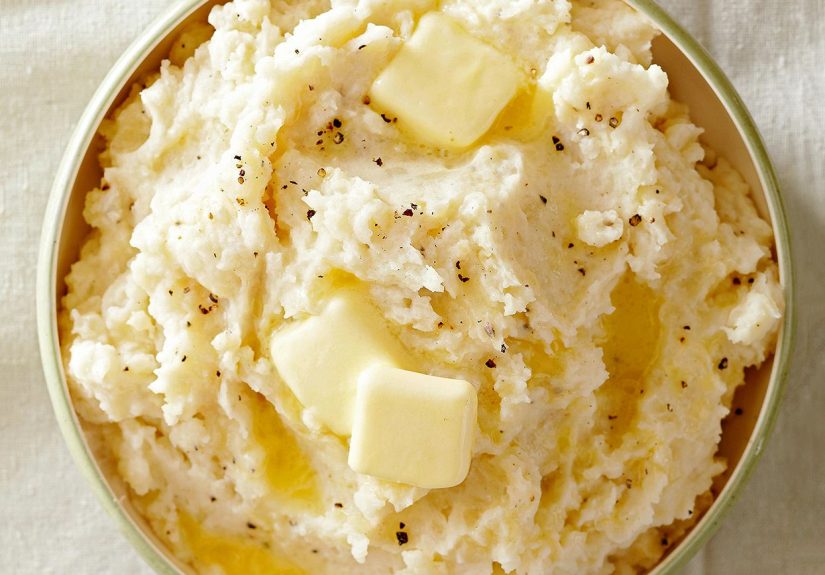
Texture target: Creamy overall with small chunks and bits of skinrustic, not rough.
Pro Tips for the Best Rustic Garlic Mashed Potatoes
Pick the right potatoes
Yukon Gold potatoes make naturally creamy mashed potatoes. Russets are fluffier and more starchy.
For rustic garlic mashed potatoes, Yukon Golds (or a mix) give the best balance: rich texture, big potato flavor, and mashability without turning into paste.
Start in cold water
Starting potatoes in cold water helps them cook evenly from the outside in.
Tossing potatoes into already-boiling water can give you a weird situation: soft outside, stubborn center. No one wants “al dente” mashed potatoes.
Drain well and let steam escape
Waterlogged potatoes make watery mash, which leads to over-mixing as you try to “fix” it (and then you get glue).
Drain thoroughly, let steam off, and do the quick low-heat dry-out step for extra insurance.
Warm dairy = smoother mash
Cold milk cools the potatoes fast and can make the texture feel uneven.
Warm milk or half-and-half blends in effortlessly and keeps everything cozy and cohesive.
Don’t overmix (the fastest route to potato glue)
Potatoes are full of starch. When you overwork themespecially with high-speed toolsyou release more starch and the texture can turn gummy.
Stick to a hand masher for rustic mash, and stop when it looks right.
Butter first (yes, it matters)
Adding butter to hot potatoes before milk helps coat the starch and encourages a smoother, richer mouthfeel.
Then add warm milk gradually until you hit your sweet spot.
Variations & Add-Ins
Rustic roasted garlic + Parmesan
Fold in 1/4 cup grated Parmesan at the end. It adds salty, nutty depth and makes the potatoes taste like they got a promotion.
Garlic herb mashed potatoes
Add chopped chives, parsley, or a little thyme. If you’re using rosemary, go easyrosemary is powerful and will absolutely take over the meeting.
Extra creamy (but still rustic)
Add sour cream or a couple tablespoons of cream cheese. You’ll get richer texture while keeping the skins and some chunkiness.
Dairy-free / vegan
Use olive oil or vegan butter and warm unsweetened oat milk. Add an extra pinch of salt and a squeeze of lemon for brightness.
Roasted garlic does a lot of heavy lifting here, so you won’t feel like you’re missing out.
Make it a meal
Top with sautéed mushrooms and onions, or serve under a hearty stew. Rustic garlic mashed potatoes love a saucy situation.
Make-Ahead, Storage, and Reheating
Make-ahead options
- Roast the garlic up to 3 days ahead. Keep it wrapped and refrigerated.
- Mash the potatoes up to 1–2 days ahead for many meals. (They’ll tighten as they cooltotally normal.)
How to store
Cool, then refrigerate in an airtight container for up to 3 days.
How to reheat without sadness
- Stovetop: Reheat on low with a splash of warm milk and a little butter, stirring gently.
- Microwave: Use medium power, stir every 45–60 seconds, add milk as needed.
- Keep warm for serving: A covered pot set over a gentle water bath helps prevent drying out.
What to Serve With Rustic Garlic Mashed Potatoes
These potatoes are the ultimate sidekick. They show up, do their job, and somehow make everyone else look better.
- Roast turkey or roast chicken
- Meatloaf (the classic comfort combo)
- Seared steak or pot roast
- Gravy-forward dishes (because mashed potatoes are basically gravy magnets)
- Vegetarian mains like mushroom stroganoff or lentil stew
FAQ
Can I leave the skins on?
Yesthat’s part of the rustic charm. Just scrub well. If you prefer fewer peel bits, use Yukon Golds (thin skins) instead of russets.
How do I avoid gummy mashed potatoes?
Don’t overmix. Avoid food processors and blenders. Drain well, dry briefly in the hot pot, and mash just until combined.
What if my mashed potatoes are too thick?
Add warm milk a splash at a time, folding gently. You can also add a little melted butter for extra richness.
What if my mashed potatoes are watery?
Return them to low heat and stir gently for a minute to evaporate moisture. Next time: drain longer and do the quick dry-out step.
Can I use garlic powder instead of roasted garlic?
You can, but the flavor is differentsharper and less sweet. If you must, start with 1/2 teaspoon and add slowly. Roasted garlic is the star for a reason.
Kitchen Stories & Real-World Moments (Because This Dish Has a Life)
If you’ve ever made mashed potatoes for a groupholiday crowd, potluck, or just a Tuesday where everyone is mysteriously “extra hungry”you know the pressure.
Mashed potatoes seem simple, which is exactly why people notice when they’re not great. Nobody politely ignores a bowl of glue.
Rustic garlic mashed potatoes are a bit more forgiving than ultra-smooth styles because “a little texture” isn’t a mistakeit’s the plan.
Those flecks of skin? Intentional. That small chunk you find? That’s “hearty.” (Say it confidently. Confidence is 30% of cooking.)
The roasted garlic step also changes the whole vibe of the kitchen. There’s a moment about 30 minutes into roasting when the house starts smelling like a cozy bistro,
and suddenly people wander in asking, “What are you making?” as if they weren’t just ignoring you ten minutes ago.
Roasted garlic is basically a dinner bell that doesn’t ringit perfumes.
In real life, timing is where mashed potatoes get tricky. You finish them, you taste them, they’re perfect… and then the rest of dinner decides to run late.
Thirty minutes later, your fluffy mash is thicker, cooler, and has that “I’ve been waiting” look.
The fix is simple: warm milk, a little butter, gentle stirring, and they bounce back. Potatoes are resilientjust like you, on your third trip back to the stove.
A common first-timer move is adding all the milk at once. It feels efficient. It is not.
Gradual additions let you stop exactly where you wantwhether you like them thick enough to stand up to gravy or creamy enough to swoosh dramatically on the plate.
(That swoosh is optional but very satisfying.)
Another real-world scenario: someone in the group “doesn’t like garlic,” but also somehow eats the most potatoes.
Roasted garlic helps here because it’s sweet and mellow, not harsh. If you’re cooking for mixed garlic feelings,
start with three-quarters of the roasted cloves, taste, and add more slowly. You can always add more garlic.
Removing garlic after it’s mixed in is… let’s call it “a learning experience.”
And then there’s the texture debate. Some folks want silky purée, some want chunky farmhouse mash, and some want “whatever is fastest, I’m starving.”
Rustic mash is the diplomatic middle: creamy base with bits of potato and skin for personality.
It also holds up better as leftovers, which matters because cold mashed potatoes in the fridge are basically a blank canvas:
reheat them, turn them into potato pancakes, top them with an egg, or use them as a shepherd’s pie layer that makes you look wildly organized.
The best part is how this dish fits into so many moments: a fancy holiday spread, a casual roast chicken night, a comfort-food rescue mission after a long day.
It’s simple, but it’s never “just” mashed potatoesespecially when roasted garlic is involved.
Because when your side dish steals the spotlight, that’s not a problem. That’s a win.
How This Recipe Was Built (No Links, Just Credit Where It’s Due)
The techniques and best practices in this recipe reflect widely used guidance from major U.S. food publishers and cooking authorities, including:
Serious Eats, Food Network, Bon Appétit, Martha Stewart, Allrecipes, The Kitchn, Better Homes & Gardens, EatingWell, Taste of Home,
Epicurious, Food & Wine, and the Idaho Potato Commission.