Table of Contents >> Show >> Hide
- What This Book Is About (and Why It Still Matters)
- Erin Rooney Doland’s Core Strength: Decluttering With a Brain
- What Makes This “Required Reading” Worth the Time
- What Feels Dated (and How to Update It for 2026)
- A Modern 7-Day Uncluttering Plan Inspired by the Book
- Who Should Read This Book
- Final Verdict: Is Unclutter Your Life in One Week Still Worth Reading?
- Experience Section (Added 500+ Words): What Uncluttering in One Week Feels Like in Real Life
- Experience 1: The Entryway Reset That Changed the Mood of the Whole House
- Experience 2: Paper Clutter Was Actually “Decision Clutter”
- Experience 3: Closet Decluttering Worked Better in Small Batches
- Experience 4: The Kitchen Counter Was the Real Productivity Hack
- Experience 5: The Maintenance System Was the Actual Breakthrough
- Conclusion
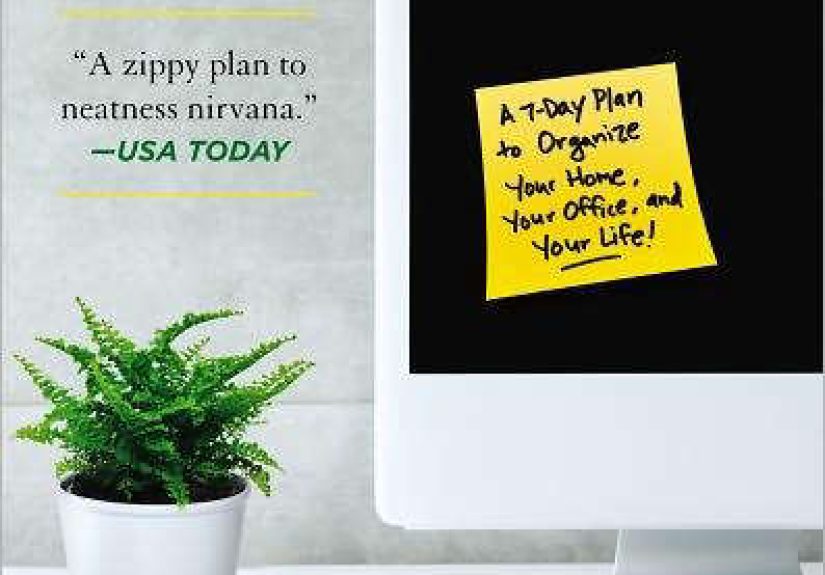
If your home has a “chair” that has quietly become a clothing museum, a countertop that attracts mail like a magnet, and a junk drawer that could qualify as an archaeological dig site, you are not alone. That’s exactly why Unclutter Your Life in One Week by Erin Rooney Doland still earns a spot on the “required reading” shelf for anyone trying to simplify life without becoming a minimalist monk.
Doland’s book, a 256-page guide published by Gallery Books (with a foreword by David Allen), promises a practical path to decluttering in a week. That sounds bold. It also sounds like something many of us needespecially when “I’ll deal with it later” turns into “Why do I own seven tape measures and no batteries?”
This review takes a modern look at the book, what it does well, what still feels surprisingly useful, what feels a little dated in today’s digital-first world, and how to apply its ideas right now. I’ll also add a practical, updated one-week action plan and a longer experience-based section at the end to help you turn inspiration into actual progress.
What This Book Is About (and Why It Still Matters)
At its core, Unclutter Your Life in One Week is not just a cleaning book. It’s a stress-reduction and systems-thinking book disguised as a decluttering guide. Doland’s approach goes beyond “throw stuff away” and gets into the bigger reasons clutter forms in the first place: habits, procrastination, emotional attachment, and poor systems.
That’s one reason the book still holds up. Doland frames clutter as a life problem, not just a design problem. In other words, your messy entryway is not simply an entryway issueit may be a decision-making issue, a time-management issue, or a “I don’t have a home for this item” issue.
And that lens matches what newer research and expert commentary continue to highlight: clutter can affect mood, attention, stress, and daily functioning. No, a messy coffee table will not single-handedly ruin your life. But persistent disorder can absolutely increase friction in your dayand friction is exhausting.
Erin Rooney Doland’s Core Strength: Decluttering With a Brain
1) She connects clutter to mental load
Many organizing books focus on visible mess. Doland also addresses invisible mess: the mental clutter that piles up when unfinished tasks, loose papers, and vague systems are always hanging around in the background.
This is where the book feels especially modern. Even though the book came out years ago, the central problem it describes is basically today’s lifestyle in a nutshell: too much stuff, too many decisions, too little time, and too much “I’ll remember where I put that” optimism.
2) She makes organizing personal, not one-size-fits-all
One of the more interesting promises in the book is that it helps you organize based on how you process information. That’s huge. It suggests organization is not about copying a perfectly labeled pantry on social media. It’s about building systems you can actually maintain when you’re tired, busy, and running late.
That distinction matters because a system that looks good but doesn’t fit your habits will fail faster than a New Year’s resolution made on three hours of sleep.
3) She balances decluttering and maintenance
Doland doesn’t stop at the dramatic purge phase. She also talks about maintenancehow to keep your home and work spaces functional with minimal daily effort. This is the part many readers skip, then wonder why clutter returns like a sequel nobody asked for.
Real progress happens when you build small repeatable routines: daily resets, weekly paper sorting, and designated drop zones. The book’s value is that it nudges readers toward long-term systems, not just short-term motivation.
What Makes This “Required Reading” Worth the Time
The title of this article uses the phrase “Required Reading” for a reason: this book works especially well as a foundation text. It gives you a practical philosophy of uncluttering, and then you can layer newer trends and methods on top of it.
Think of Doland’s book as the sturdy jeans of organizing advice: not flashy, but reliable, functional, and still useful when trendier approaches are arguing about whether your charging cables “spark joy.”
Here’s what readers can take away immediately:
- Decluttering is a decision skill. You get better with practice.
- Systems beat motivation. Motivation gets you started; systems keep you going.
- Small wins matter. A cleaner entryway can reduce stress faster than a grand plan with no action.
- Maintenance is the secret sauce. The best organization method is the one you can repeat.
What Feels Dated (and How to Update It for 2026)
To be fair, some parts of the book reflect the era in which it was written. That’s normal. The good news is that the core ideas still translate beautifully.
Paper clutter now includes digital clutter
Doland addresses filing systems and paperwork, which is still relevant. But today, clutter has expanded into email inboxes, screenshots, downloads folders, open browser tabs, and cloud drives full of files named things like final_FINAL2_reallyfinal.pdf.
Modern readers should apply her organizing principles to digital life, too:
- Create default folders for recurring documents.
- Use simple naming conventions.
- Schedule a weekly 15-minute digital reset.
- Unsubscribe from newsletters you never read but somehow “might later.”
Minimalism culture has changed the conversation
Today’s decluttering conversation often leans toward aesthetic minimalism. Doland’s approach is more functional than performative, which is actually a strength. She’s not asking you to make your house look like a museum lobby. She’s asking you to remove distractions and build a more workable life.
That makes this book especially helpful for regular people with regular homes, regular jobs, and regular piles of receipts.
A Modern 7-Day Uncluttering Plan Inspired by the Book
If you want to read the book and start immediately, here’s a realistic one-week plan inspired by Doland’s system-first mindset and updated with current decluttering best practices.
Day 1: Identify Clutter Hot Spots
Walk through your home and list your top trouble zones: entryway, kitchen counter, nightstand, closet shelf, car, paper pile, bathroom cabinet. Don’t “fix” everything yet. Just map the chaos. This reduces overwhelm and helps you prioritize.
Day 2: Clear the Landing Zone
Start at your entryway or landing zone. Remove obvious trash, relocate items that belong elsewhere, and create simple homes for keys, sunglasses, bags, and shoes. This area sets the tone for your entire home.
Day 3: Tackle Paper and Admin Clutter
Gather loose paper into one container. Sort into: action, file, recycle, shred. If your paper pile has reached “leaning tower” status, set a timer and do two rounds instead of trying to finish in one marathon.
Day 4: Closet and Clothing Edit
Don’t pull everything out unless you truly have the energy. Start with one category (shirts, shoes, bags) or one shelf. Keep a donation bag in the closet so maintenance becomes easier later.
Day 5: Kitchen and Fridge Reset
Declutter for function, not perfection. Toss expired items, group similar foods, and clear the counters of anything that doesn’t support daily cooking. A calmer kitchen often improves routines faster than almost any other room.
Day 6: Bathroom + “Hidden Clutter” Sweep
Check medicine cabinet, bathroom drawers, under-sink storage, nightstand, and random bins. These are classic clutter hiding spots because they have doors. Doors are useful. They are also excellent at helping us avoid reality.
Day 7: Build Your Maintenance System
This is the make-or-break day. Decide your reset habits:
- 5-minute nightly tidy
- Weekly paper sort
- Mini fridge clean before grocery shopping
- Donation bag always available
- Monthly “10 items in 10 minutes” declutter sprint
Without maintenance, clutter returns. With maintenance, your home starts working for you.
Who Should Read This Book
You’ll probably love it if you:
- Feel overwhelmed by household clutter and unfinished organizing projects
- Want a practical decluttering book, not just pretty inspiration photos
- Struggle more with decision fatigue and procrastination than with cleaning itself
- Need a system you can actually maintain with a busy schedule
You may need a different book first if you:
- Want a purely visual design book with styling inspiration
- Need deep mental health support related to hoarding or severe functional impairment (a decluttering guide can help, but it is not a substitute for clinical care)
- Prefer a hyper-minimalist lifestyle framework over a practical organization framework
Final Verdict: Is Unclutter Your Life in One Week Still Worth Reading?
Yesespecially if you want decluttering advice that respects real life.
Erin Rooney Doland’s Unclutter Your Life in One Week remains a smart, useful, and grounded read because it understands a truth many organizing books miss: clutter is not just about stuff. It’s about stress, habits, choices, and systems.
That’s why this book still deserves “required reading” status. It gives you a practical framework for reducing physical clutter, calming mental noise, and building routines that make life feel less chaotic. It won’t magically clean your home while you read it (tragically, no book has that feature yet), but it will help you stop fighting the same mess over and over again.
If you want a decluttering book that is actionable, sensible, and refreshingly unpretentious, this one is still a strong pick.
Experience Section (Added 500+ Words): What Uncluttering in One Week Feels Like in Real Life
To make this article more practical, here are composite, real-world-style experiences that reflect what people often go through when applying a one-week decluttering framework like Doland’s. These are not dramatic “my life changed in 17 minutes” stories. They’re the more believable kindthe kind where progress happens between work emails, grocery runs, and wondering why there are four scissors in the kitchen.
Experience 1: The Entryway Reset That Changed the Mood of the Whole House
A busy parent starts with the entryway because it’s the first thing everyone sees and the first place chaos lands. Before decluttering, shoes pile up, bags are dropped on the floor, and keys disappear at least twice a week. After a 30-minute resetadding a tray for keys, a basket for outgoing items, and a quick rule that off-season gear gets stored elsewherethe space feels calmer immediately. The biggest surprise isn’t the cleaner look; it’s the reduced morning stress. Nobody is searching for essentials while half-zipping a jacket on the way out the door.
Experience 2: Paper Clutter Was Actually “Decision Clutter”
Another person assumes their main problem is “too much paper,” but during the one-week process they realize the real issue is postponed decisions. Mail sits on the counter because every piece requires a choice: pay, file, toss, scan, or respond. Once they create a simple system (one inbox tray, one weekly sorting time, and clearly labeled folders), the pile shrinks fast. The emotional relief is bigger than expected. They describe it as finally feeling like they can see the kitchen counter againand their brain at the same time.
Experience 3: Closet Decluttering Worked Better in Small Batches
A reader tries the classic “empty the entire closet” method and burns out halfway through. Clothes end up on the bed, the chair, and somehow the treadmill. The next day, they switch to Doland-style practicality: one category at a time. First shoes. Then work tops. Then bags. Progress becomes manageable. They also keep a donation bag in the closet, which turns future decluttering into a tiny habit instead of a giant weekend event. The lesson: momentum beats intensity.
Experience 4: The Kitchen Counter Was the Real Productivity Hack
Someone working from home expects their desk to be the highest-impact area, but the kitchen counter turns out to be the bigger win. It had become a mixed-use zone for mail, chargers, vitamins, snack wrappers, and random “I’ll put this away later” objects. Clearing it creates a reliable breakfast and meal-prep space, which improves the rest of the day. This experience highlights an important point: decluttering often works best when you focus on friction points, not just visible mess.
Experience 5: The Maintenance System Was the Actual Breakthrough
The biggest success story in a one-week uncluttering effort usually isn’t the purgeit’s the follow-through. One person finishes the week and sets three maintenance rules: a five-minute nightly reset, a weekly paper sort, and a donation bag always available. Three months later, their home isn’t perfect, but it is dramatically easier to recover after busy weeks. That’s the real promise of a good decluttering system: not perfection, but resilience. Mess still happens. It just doesn’t take over.
These experiences line up with why Doland’s book remains so useful. The goal is not to become a different person overnight. The goal is to reduce stress, remove friction, and create an environment that makes everyday life easier. A week of focused uncluttering can absolutely help you do thatespecially if you treat it as the start of a system, not a one-time event.
Conclusion
Unclutter Your Life in One Week by Erin Rooney Doland remains a practical, intelligent decluttering book for readers who want more than surface-level tidying tips. Its biggest strength is the way it connects clutter to habits, stress, and systemsand then gives you realistic ways to change those systems. If your goal is a calmer home and a less chaotic routine, this book is still a worthwhile read and an excellent springboard for modern decluttering habits.