Table of Contents >> Show >> Hide
- The Day the Park Got Deleted: When Regular Show Disappeared From Max
- Eight Years Earlier, Regular Show Already Knew: The “Format Wars” and the Villain Called Streaming
- Max, Warner Bros. Discovery, and the Business Logic of Making Fans Miserable
- The Real “Danger of Streaming”: You’re Renting Your Memories
- The Regular Show Lesson: Build a Backup Plan for Your Comfort Media
- The Twist Ending: Regular Show Isn’t Done Messing With Time
- Conclusion: The Most Regular Streaming Lesson of All
- 500 More Words of Relatable Streaming Trauma (and a Few Survival Tips)
Streaming was supposed to be the future: a magical buffet where every show you love lives forever, neatly labeled, instantly playable, and (allegedly) worth the monthly fee. And then one day you open Max, search Regular Show, and the only thing that loads is the cold realization that you never owned anythingexcept maybe the ability to be disappointed.
Here’s the funny part: Regular Show basically told us this would happen. Not in a TED Talk. Not in a stern public service announcement. It did it the only way Regular Show knows howby turning a media-industry nightmare into a cosmic weirdness spiral where “Streaming” is a literal villain, “obsolete formats” become rebels, and the fate of beloved entertainment hangs on whether you can outlast buffering.
Let’s talk about how a Cartoon Network comedy predicted the streaming era’s mess, why the Max removals felt like a punchline with bruises, and what the show’s “Format Wars” metaphor teaches us about digital ownership, animation, and the fine art of not trusting a platform that can delete your comfort show overnight.
The Day the Park Got Deleted: When Regular Show Disappeared From Max
Early October 2024 had a specific kind of chaos: fans noticed multiple Cartoon Network favorites were suddenly missing from Max, with no “leaving soon” warning and no tidy explanation. The list being talked about included shows like Regular Show, Steven Universe, Chowder, We Bare Bears, The Amazing World of Gumball, plus Ben 10 and the 2016 Powerpuff Girls rebootlike someone spun a wheel labeled “Nostalgia” and started swinging an axe.
The whiplash wasn’t just that titles vanished. It was the timing: just weeks earlier, Warner Bros. Discovery had been pushing fans toward Max as the streaming hub for Cartoon Network content. It’s hard not to read that as: “Come inside, the water’s fine” followed by “Actually we drained the pool, but you can keep paying membership.”
And if you’ve ever had a comfort show that functions as emotional background music, you know the feeling. It’s not merely “content.” It’s a familiar rhythmMordecai and Rigby making a small problem catastrophically worse, Benson yelling, Skips saving the day, and Pops being the universe’s gentlest weirdo. Losing that library access isn’t tragedy in the Greek sense… but it is a deeply modern inconvenience that somehow feels personal.
Eight Years Earlier, Regular Show Already Knew: The “Format Wars” and the Villain Called Streaming
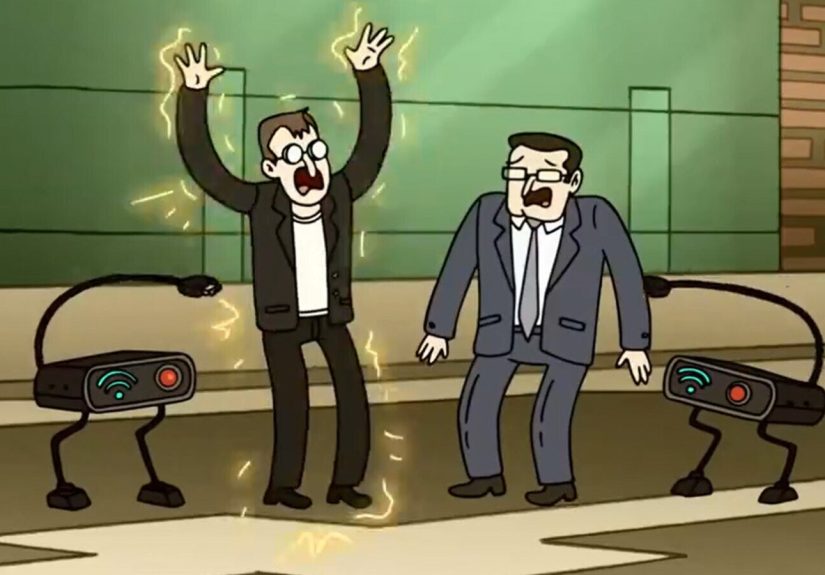
The show’s warning wasn’t subtlejust disguised as absurd sci-fi comedy. Late in the series, Regular Show takes the gang to Planet Nielsen (yes, like ratings), where they encounter the Guardians of Obsolete Formats and the all-knowing Seer. It’s a funny idea on its face: the keepers of Betamax, reel-to-reel, and other “dead” formats as heroic figures. But it hits harder now because it turns “how we watch things” into a power struggle with real consequences.
Planet Nielsen: When Entertainment Becomes a Battlefield
The episode’s premise is delightfully on-the-nose: the crew arrives at a place built around watching, tracking, and understanding universesbasically the spiritual homeland of the media business. And then “Streaming” shows up and declares the old system obsolete, pushing everything toward a shiny new model that looks convenient… until you notice the fine print. The story doesn’t treat streaming as a neutral technology. It treats streaming as an empire.
That metaphor lands because the streaming era is, at its core, about control: who owns the library, who gets paid, what gets promoted, and what quietly disappears. When a platform decides a title no longer fits the brand strategyor the budgetthe show doesn’t just “rest.” It becomes unavailable, or scattered across services, or licensed out, or erased from the main storefront like it never mattered.
The Joke That Aged Like a Documentary
Regular Show makes the streaming takeover feel like a corporate theme park run by robots: friendly on the surface, predatory underneath. The vibe is “Welcome to Planet Streaming!” with the energy of a self-checkout kiosk that also wants your credit card and your soul. Even if you’ve never seen the episode, you can guess the punchline: the convenience is realright up until it isn’t.
The genius is that the show doesn’t say, “Streaming is evil.” It says, “Streaming turns entertainment into a subscription-shaped chokehold.” It’s not warning you about watching TV online; it’s warning you about building your cultural memory inside a system you don’t control.
Max, Warner Bros. Discovery, and the Business Logic of Making Fans Miserable
The removals didn’t happen in a vacuum. They fit into a broader pattern of consolidation, cost-cutting, and shifting priorities that shaped Warner Bros. Discovery’s streaming strategy. In 2024, the company announced that Boomerangthe classic-cartoons streaming servicewould shut down as a standalone product and fold into Max. Around the same time, Cartoon Network’s website was heavily stripped down and redirected visitors toward Max, replacing free clips and episodes with a subscription pitch. The message was clear: “Max is the home.” The problem was: homes can change the locks.
Not long after, those early October 2024 Max library updates sparked reports that multiple Cartoon Network series had vanished from the service without notice. And as the broader strategy continued, Warner Bros. Discovery made additional moves that signaled a retreat from certain kinds of kids and legacy content including the removal of classic Looney Tunes shorts from Max and the choice not to renew the deal for new Sesame Street episodes on Max. Whether you call it “portfolio optimization” or “turning childhood into a revolving door,” the outcome felt the same to viewers: less stability, more fragmentation.
Why Animation Keeps Getting Treated Like a Spreadsheet Problem
Animation often gets hit first because executives can misread it as “nice-to-have” rather than “must-have,” especially if it’s older, niche, or not currently driving new subscriptions. But animation fandom behaves differently than casual viewing. People rewatch. People quote. People keep shows alive for decades. When you remove animation libraries, you’re not only cutting costsyou’re burning long-term goodwill and cultural shelf life.
And it’s not just about what’s on the service today; it’s about what streaming has trained audiences to expect. Streaming sold itself as permanence. When platforms behave like pop-up shops, viewers start acting like it too: fewer emotional investments, fewer “I’ll get to it later” plans, more piracy temptation, and more fans quietly returning to the ancient art of buying things they can actually keep.
The Real “Danger of Streaming”: You’re Renting Your Memories
The most honest description of streaming is simple: it’s a licensing machine. Titles rotate in and out based on contracts, strategy, and financial math. That’s not automatically evillibraries have always rotatedbut streaming platforms marketed themselves like permanent personal collections. The moment your favorite series gets pulled, the illusion shatters. Your watchlist becomes a suggestion, not a guarantee.
Regular Show framed that danger perfectly: “obsolete formats” weren’t just relics. They were independence. A DVD on a shelf doesn’t vanish because an executive wants to “streamline finances.” A Blu-ray doesn’t get quietly replaced by a different thumbnail in a Kids & Family hub. Physical media is not always convenient, but it is stubbornand stubborn is underrated.
Streaming Convenience Has a Hidden Cost
- Availability isn’t ownership. Today’s catalog can be tomorrow’s memory.
- Discovery is curated by incentives. You don’t “browse TV,” you browse what the platform wants you to see.
- Fragmentation is the business model. The easiest way to raise revenue is to make you juggle more subscriptions.
- Kids and legacy content can be deprioritized fast. When strategy pivots, libraries shrink.
None of this means streaming is useless. It means the deal has always been: access in exchange for control. The shock is that many viewers didn’t realize how lopsided that trade could feel until a show they loved got yanked.
The Regular Show Lesson: Build a Backup Plan for Your Comfort Media
If your relationship with a show is “I’ll rewatch it forever,” streaming alone is a risky foundation. The safest approach is a hybrid strategy the entertainment equivalent of carrying both an umbrella and a weather app.
Practical Ways to Keep Your Favorites From Vanishing
- Buy physical when you can. If a series is truly “your show,” a box set is peace of mind.
- Use digital purchases thoughtfully. Buying seasons can be more stable than streaming access, but it still depends on platform policies.
- Borrow through libraries. Many public libraries stock TV seasons, and it’s a legal way to watch without subscription roulette.
- Track where your shows live. A title’s “home” can change; knowing that early prevents rewatch whiplash.
The point isn’t to turn everyone into a disc-hoarding dragon. It’s to stop pretending streaming is a vault. It’s a rental counter with a nicer interface.
The Twist Ending: Regular Show Isn’t Done Messing With Time
There’s an extra layer of irony here: even as streaming libraries wobble, the industry keeps rebooting and reviving beloved IP. Warner Bros. Discovery announced a new Regular Show project with J.G. Quintel attached, signaling that the brand still has valuebecause of course it does. Fans aren’t loyal to apps. They’re loyal to characters, jokes, and that specific emotional chemistry where two slackers can accidentally summon an eldritch horror before lunch.
If the franchise returns in a new form, it will arrive in a world that finally understands the show’s warning. The next time a platform tells you, “This is the home for your favorite series,” you might smile, nod, and quietly ask: “Cool. But for how long?”
Conclusion: The Most Regular Streaming Lesson of All
Regular Show didn’t predict the future by guessing specific corporate decisions. It predicted the logic of the streaming era: convenience packaged as dependency, entertainment packaged as a subscription, and culture treated like a rotating inventory. When Max removals made fans feel blindsided, the show’s Planet Nielsen storyline read less like a gag and more like a cautionary tale delivered by a sentient stack of obsolete formats whispering, “Told you so.”
Streaming is still useful, still fun, still the easiest way to discover new favorites. But if you love somethingreally love itdon’t leave it entirely in the cloud. Because the cloud, as it turns out, has a delete button.
500 More Words of Relatable Streaming Trauma (and a Few Survival Tips)
If you’ve ever had a show vanish mid-rewatch, you know the five stages of streaming grief. First is denial: “It’s probably just a glitch.” You refresh. You restart the app. You restart your TV like it’s a 1999 desktop computer that needs to “think about what it’s done.” Then comes bargaining: “Maybe it’s in the Kids section.” You scroll past the same three franchises the algorithm insists you love. You try searching the exact title, then the title without punctuation, then the title with one word misspelled like you’re attempting to summon it with ancient runes.
Anger hits when you realize it’s not a bugit’s a decision. Somewhere, a spreadsheet won a fistfight against your happiness. And the worst part is how ordinary it feels: no dramatic farewell, no nostalgic sendoff, no “thank you for watching.” Just absence. Like your favorite chair got replaced with “New Chair (2024 Rebrand)” and everyone’s pretending it’s the same.
This is where Regular Show feels weirdly comforting, because the series always understood systems that don’t care about you. Benson is basically the embodiment of management logic: rules first, vibes never. Streaming platforms can feel like Benson with a better UIfriendly banners on the outside, firm “catalog changes” on the inside. Meanwhile, Mordecai and Rigby are the viewers: they just want to hang out, have fun, and not be punished for existing. Yet somehow they’re always the ones cleaning up the mess.
The most “streaming-era” experience might be the subscription shuffle. You sign up for Max because that’s where Cartoon Network livesuntil it doesn’t. Then you hear a title is “available elsewhere,” which sounds nice until you learn “elsewhere” means a different subscription, a different password, and a different app that logs you out every time Mercury enters the same zip code as your router. You start to feel like the customer journey is designed by a villain named Streaming who feeds on minor inconveniences.
So people adapt. Some go fully physical: thrift-store DVDs, collector’s editions, and shelves that say, “Try deleting this, Zaslav.” Others create a “comfort watch” list and buy only the shows that genuinely matteryour forever rewatches, your rainy-day medicine, the series that can rescue a Tuesday evening from becoming a full emotional tumbleweed. And plenty of folks land in the middle: stream for discovery, own the favorites, and treat availability like weathercheck it before you plan your weekend.
The upside is that this whole mess teaches media literacy the hard way. You learn what “licensing” means. You learn that “original” doesn’t always mean “permanent.” You learn that corporate strategy has mood swings. And if you’re lucky, you learn the most important lesson Regular Show tried to beam into our heads from Planet Nielsen: the best way to keep a story in your life is to make sure it can’t be erased with an update.