Table of Contents >> Show >> Hide
- How Rare Are Red Hair and Blue Eyes Together?
- Why Red Hair Happens: The MC1R Gene Explained
- Why Blue Eyes Happen: It Is About Low Iris Melanin
- Why the Red Hair and Blue Eyes Combination Is So Uncommon
- Is Red Hair with Blue Eyes the Rarest Hair-and-Eye Combination?
- Can Two Parents Predict a Red-Haired, Blue-Eyed Baby?
- Common Traits Associated with Red Hair and Blue Eyes
- Myths About Red Hair and Blue Eyes
- Why People Are So Fascinated by Red Hair and Blue Eyes
- Real-Life Experiences: What It Can Feel Like to Have Red Hair and Blue Eyes
- Conclusion: Rare, Real, and Genetically Fascinating
Red hair and blue eyes sound like a character designer got a little too excited with the “rare traits” menu. Copper, auburn, or strawberry-blonde hair paired with bright blue eyes can look striking, almost storybook-level unusual. But how rare is it really? Is the combination one-in-a-million, or is the internet simply doing what the internet does best: turning genetics into dramatic folklore with a side of confetti?
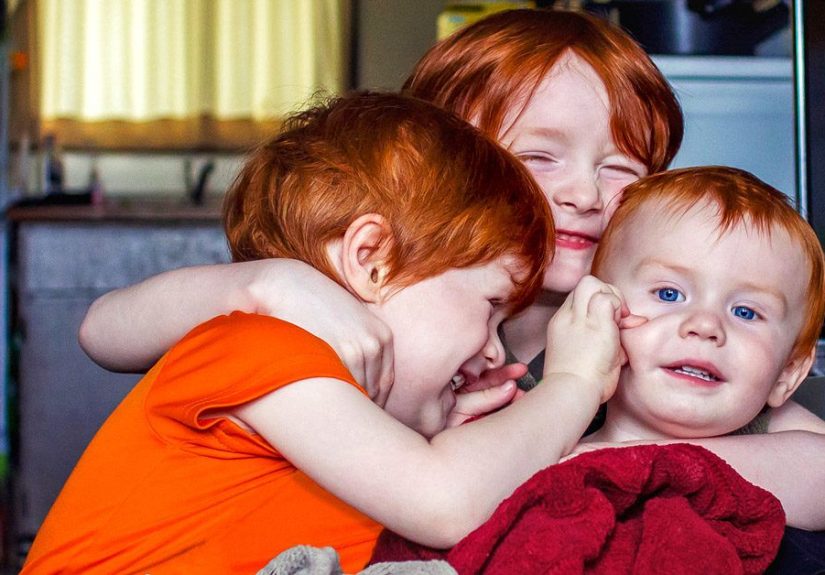
The short answer: red hair and blue eyes are both uncommon globally, and together they are very rare. Red hair is usually estimated at about 1% to 2% of the world’s population, while blue eyes are more common but still far from universal. Some estimates place the red hair and blue eyes combination at roughly 0.17% of the global population. That means fewer than 2 people in 1,000 may naturally have both traits. In other words, it is not mythicalbut it is definitely “people will remember you after one meeting” rare.
To understand why this genetic combination is so uncommon, we need to look at hair pigment, eye pigment, inheritance, geography, and a few persistent myths that deserve to be gently escorted out of the room.
How Rare Are Red Hair and Blue Eyes Together?
Red hair and blue eyes are rare because each trait depends on a specific combination of inherited genetic variations. Red hair is most strongly associated with variants in the MC1R gene, which influences the type of melanin the body produces. Blue eyes are often linked to variations around the OCA2 and HERC2 genes, which affect the amount of melanin in the iris.
When people ask, “How common is red hair and blue eyes?” they usually want a neat percentage. Genetics, being the family member who refuses to keep things simple, gives us a range instead. Based on common population estimates, red hair appears in around 1% to 2% of people worldwide, while blue eyes appear in a larger share, especially among people with European ancestry. If you combine those two probabilities very roughly, the result is a fraction of 1% globally.
A commonly cited estimate places the red hair blue eyes combination around 0.17% of the world population. That is approximately 17 people per 10,000, or fewer than 1 in 500. The exact number changes by region. In Scotland, Ireland, Wales, parts of Northern Europe, and communities with strong Celtic or Northern European ancestry, the combination is much more likely than it is in regions where red hair and blue eyes are both extremely uncommon.
Why Red Hair Happens: The MC1R Gene Explained
Hair color comes from melanin, the pigment family responsible for many shades of human hair, skin, and eyes. The two major types are eumelanin and pheomelanin. Eumelanin produces brown and black tones. Pheomelanin produces red, orange, and yellowish tones. Redheads tend to produce more pheomelanin and less eumelanin, which gives natural red hair its fiery rangefrom soft strawberry blonde to vivid copper to deep auburn.
The MC1R gene helps determine which kind of melanin melanocytes produce. When MC1R functions in the typical way, the body usually makes more eumelanin. When certain MC1R variants reduce that function, the body may produce more pheomelanin. This is why red hair is often associated with fair skin, freckles, and a greater tendency to sunburn.
Is Red Hair Recessive?
Red hair is often described as a recessive trait, and that is mostly useful for everyday explanation. A child generally needs to inherit red-hair-associated variants from both parents to have natural red hair. However, the full picture is more complex because multiple MC1R variants exist, and other genes can influence the final shade. Genetics is less like a light switch and more like a recipe book where several relatives spilled coffee on the instructions.
This explains why two non-redheaded parents can have a redheaded child. If both parents carry MC1R variants, their child may inherit the right combination for red hair. It also explains why red hair can seem to “skip” generations. The trait may be quietly traveling through the family tree, waiting for the right genetic duet.
Why Blue Eyes Happen: It Is About Low Iris Melanin
Blue eyes do not contain blue pigment. Surprise: your eyes are not secretly painted by tiny sky-colored artists. Instead, blue eyes appear blue because the iris has relatively low melanin, and light scatters in a way that creates the blue appearance. This is similar to why the sky looks blue.
Eye color is influenced by multiple genes, but two of the most important are OCA2 and HERC2. OCA2 helps regulate melanin production in the iris. HERC2 can influence how OCA2 is expressed. Certain variations can reduce melanin in the iris, making blue eyes more likely.
Are Blue Eyes Recessive?
Many people learned in school that brown eyes are dominant and blue eyes are recessive. That classic lesson is not completely wrong, but it is overly simple. Eye color is polygenic, meaning many genes contribute to the final result. Brown-eyed parents can have a blue-eyed child if both carry genetic variants associated with lighter eyes. Blue-eyed parents usually have blue-eyed children, but rare exceptions can happen because eye color inheritance is more complicated than a two-box Punnett square.
Why the Red Hair and Blue Eyes Combination Is So Uncommon
The combination is rare because it requires two uncommon genetic outcomes to meet in the same person. First, the person must inherit red-hair-associated MC1R variants. Second, the person must inherit genetic patterns that produce low melanin in the iris, resulting in blue eyes.
Geography matters too. Red hair is most common in people with ancestry from Northern and Western Europe, especially Celtic regions. Blue eyes are also more common in Northern and Eastern Europe than in many other parts of the world. Because both traits are unevenly distributed, the odds vary dramatically depending on family background.
In a global population where most people have brown or black hair and brown eyes, red hair and blue eyes stand out statistically. But in a classroom in Scotland or among families with Irish ancestry, it may feel less shocking. Rarity is always relative. A snow shovel is rare in Miami and normal in Minnesota; genetics works a bit like that, minus the driveway.
Is Red Hair with Blue Eyes the Rarest Hair-and-Eye Combination?
It is one of the rarest natural combinations, but “the rarest” depends on how traits are defined. Red hair with green eyes is also frequently described as extremely rare because green eyes are less common globally than blue eyes. However, blue eyes and red hair attract a lot of attention because both traits are visually striking and strongly associated with Northern European ancestry.
Some claims online exaggerate the rarity, saying that fewer than a million people have red hair and blue eyes. That is likely too low if applied globally. Even 0.17% of a world population in the billions would represent millions of people. So yes, the combination is rarebut no, every blue-eyed redhead is not necessarily a statistical unicorn wearing sunscreen.
Can Two Parents Predict a Red-Haired, Blue-Eyed Baby?
Parents can estimate the possibility, but they cannot predict it with perfect certainty without genetic testing. A child’s chance of having red hair depends largely on whether both parents carry MC1R variants. A child’s chance of having blue eyes depends on the parents’ eye-color genetics, especially variations affecting melanin in the iris.
For example, two parents with brown hair and brown eyes may still have a red-haired, blue-eyed child if both carry the necessary recessive or low-expression variants. A red-haired parent and a carrier parent may have a higher chance of having a redheaded child. Two blue-eyed parents are more likely to have a blue-eyed child, but eye color is still not a guaranteed math trick.
Family Examples
Imagine one parent has auburn hair and blue eyes, while the other has brown hair and hazel eyes but has redheaded relatives. Their child could inherit red-hair variants from both sides and lighter-eye variants as well. In another family, both parents may have dark hair, but a redheaded grandparent on each side. The red hair trait may reappear in a child, creating the classic “Where did that come from?” moment at the baby shower.
Common Traits Associated with Red Hair and Blue Eyes
Many people with red hair have fair skin, freckles, and a tendency to burn easily. This is connected to lower eumelanin levels, which provide less natural protection from ultraviolet radiation. Blue eyes also have lower melanin in the iris than brown eyes. These traits are beautiful, but they can come with practical health considerations.
People with red hair and light eyes should be especially thoughtful about sun protection. That means broad-spectrum sunscreen, protective clothing, sunglasses, shade, and avoiding the “I only need ten minutes” attitude that often ends with shoulders the color of boiled lobster.
Do Redheads Experience Pain Differently?
Some research suggests that people with natural red hair may respond differently to certain types of pain, anesthesia, and pain medication. The science is still evolving, and it does not mean every redhead needs special treatment in every medical situation. However, it is a useful detail to mention to doctors, dentists, or anesthesiologists, especially before procedures.
The key is not to panic or assume superpowers. Redheads are not immune to pain, nor are they guaranteed to need more medication. Their MC1R-related biology may simply influence pain pathways in ways researchers are still studying.
Myths About Red Hair and Blue Eyes
Myth 1: Redheads Are Going Extinct
This myth refuses to retire. Redheads are not going extinct. Recessive traits can become less visible in some generations, but the genes can remain in carriers. As long as people continue passing MC1R variants through families, red hair can continue appearing.
Myth 2: Blue Eyes Are a Sign of Weak Vision
Blue eyes do not automatically mean poor eyesight. Eye color and vision quality are different things. Blue eyes have less iris melanin, which may increase light sensitivity for some people, but plenty of blue-eyed people have excellent vision.
Myth 3: Red Hair Always Means Irish or Scottish Ancestry
Red hair is more common in Celtic and Northern European populations, but it can appear in many ethnic backgrounds. Natural redheads exist around the world, including in parts of the Middle East, North Africa, Central Asia, and among people of mixed ancestry.
Why People Are So Fascinated by Red Hair and Blue Eyes
Part of the fascination is visual. Red and blue sit far apart on the color wheel, so the contrast naturally catches attention. Red hair brings warmth, while blue eyes add coolness. Together, they create a dramatic look that photographers, painters, casting directors, and family members with camera phones tend to notice immediately.
Another reason is cultural storytelling. Red hair has been associated with everything from royalty and magic to rebellion and mischief. Blue eyes have also gathered symbolic meanings across art, literature, and film. Put them together, and you get a trait combination that feels larger than life, even when the person simply wants to buy groceries in peace.
Real-Life Experiences: What It Can Feel Like to Have Red Hair and Blue Eyes
Living with red hair and blue eyes can be a mix of compliments, curiosity, practical habits, and occasional awkward comments from strangers who skipped the chapter on personal boundaries. Many people with this combination report being recognized easily, even in large groups. A teacher may remember them on the first day of school. A barista may say, “The usual?” after one visit. This can feel flattering, but it can also feel like walking around with a built-in spotlight.
Childhood experiences vary. Some red-haired, blue-eyed children love the attention. Others may feel uncomfortable being called “ginger,” “carrot top,” or “little mermaid” for the 4,000th time before lunch. Teasing can happen, especially when children notice difference before they learn tact. Over time, many people grow into the feature that once made them self-conscious. The same hair color that felt embarrassing in third grade can become a favorite part of personal style in adulthood.
There are practical experiences too. Sun protection often becomes a lifestyle, not an occasional beach-day accessory. A red-haired person with fair skin may learn early that sunscreen is not optional, shade is a friend, and a wide-brimmed hat can be both fashionable and medically sensible. Outdoor weddings, summer festivals, and beach vacations require planning. While friends are packing sandals and snacks, the blue-eyed redhead may be packing SPF, sunglasses, aloe, and the emotional resilience to hear, “Wow, you’re pale!” from someone who thinks they discovered a new planet.
Hair care can also be part of the experience. Natural red hair can fade in the sun, shift with age, or look different under various lighting. Some redheads notice their hair appears copper in sunlight, auburn indoors, and strawberry blonde in photos. Blue eyes can also look different depending on clothing, lighting, and surroundings. A navy shirt may make them appear deeper; gray skies may make them look icy; warm indoor bulbs may soften the contrast.
Socially, the combination often becomes a conversation starter. People may ask if the hair color is natural, whether both parents are redheads, or if there are Irish roots in the family. These questions can be harmless, but they can become repetitive. A polite answer might be, “Yes, it runs in the family.” A funnier answer might be, “No, I was assembled from rare spare parts.”
For parents of red-haired, blue-eyed children, the experience may include learning family genetics in real time. Relatives suddenly remember a great-grandmother with auburn hair or a blue-eyed uncle from old photos. The child becomes a living family-history clue. In that sense, rare traits can connect generations, turning biology into a story people can see.
Ultimately, having red hair and blue eyes is not better or worse than any other look. It is simply uncommon, memorable, and genetically interesting. The best experience comes when the person is allowed to enjoy the uniqueness without being reduced to it. Hair and eye color may open the conversation, but personality, kindness, humor, intelligence, and confidence are what keep people listening.
Conclusion: Rare, Real, and Genetically Fascinating
Red hair and blue eyes are a genuinely rare genetic combination. Red hair is strongly linked to MC1R variants that increase pheomelanin, while blue eyes are linked to lower melanin in the iris, often influenced by OCA2 and HERC2. Because both traits require specific inherited patterns and are most common in certain ancestral populations, they appear together in only a small fraction of people worldwide.
Still, rarity should not be confused with mystery. Red hair and blue eyes are not magical, endangered, or impossible to predict in broad terms. They are the result of human genetic diversity doing what it does best: creating endless variation, a few surprises, and the occasional baby photo that makes every relative say, “Well, where did that come from?”
Note: This article is for general educational reading about genetics and appearance. It is not medical advice or a substitute for professional genetic counseling, dermatology care, or eye-health guidance.