Table of Contents >> Show >> Hide
- Why Pan Roasted Chicken Works So Well
- Best Chicken Cuts for Pan Roasting
- Ingredients for a Classic Pan Roasted Chicken Recipe
- How to Make Pan Roasted Chicken
- Tips for Crispy Skin and Juicy Meat
- Easy Flavor Variations
- What to Serve with Pan Roasted Chicken
- Common Mistakes to Avoid
- How to Store and Reheat Leftovers
- Why This Pan Roasted Chicken Recipe Belongs in Your Rotation
- Experience: What Pan Roasted Chicken Feels Like in a Real Kitchen
- Conclusion
- SEO Tags
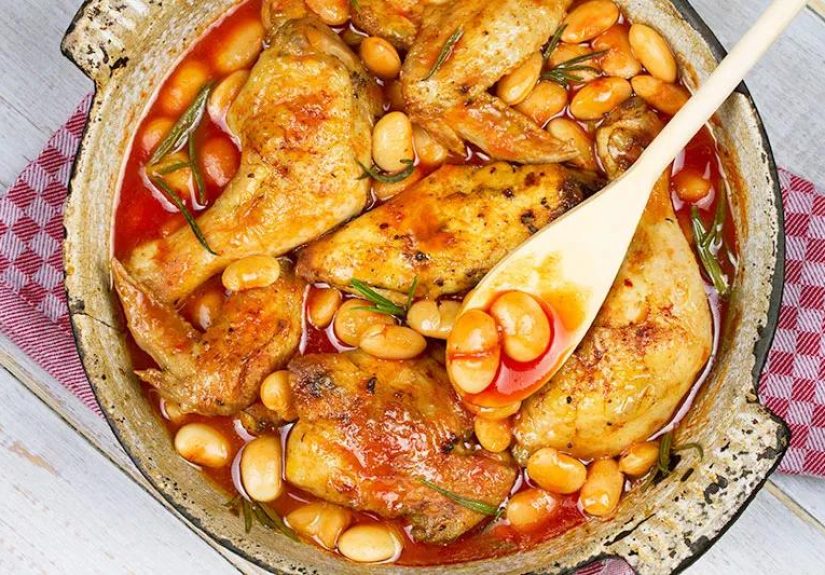
Pan roasted chicken is what happens when a weeknight dinner decides to show off a little. It is simple enough for a Tuesday, impressive enough for company, and satisfying enough to make people ask whether you secretly went to culinary school. You did not. You just used a skillet, a hot oven, and the ancient magic of crispy chicken skin.
If you have ever wanted roast chicken flavor without committing to a full bird and a long afternoon, this is your recipe. Pan roasting gives you the best of both worlds: deep golden browning from the stovetop and even, gentle cooking from the oven. The result is juicy meat, crackly skin, and a pan full of savory drippings practically begging to become sauce.
This guide walks you through a dependable pan roasted chicken recipe, plus the little details that separate “pretty good” from “where has this been all my life?” You will get ingredient tips, technique advice, serving ideas, and troubleshooting help, all without any fussy restaurant drama. No tiny tweezers. No foam. Just excellent chicken.
Why Pan Roasted Chicken Works So Well
Pan roasting is exactly what it sounds like: you start the chicken in a skillet on the stovetop, then finish it in the oven. That combination is wildly effective. The stovetop gives you direct contact heat for browning, which builds flavor fast. The oven then surrounds the chicken with steady heat so it cooks through more evenly.
This method is especially good for bone-in, skin-on chicken thighs or split chicken breasts. The skin has time to render and crisp, while the meat stays juicy. In plain English, the outside gets exciting while the inside stays tender. That is the dream.
It is also a practical recipe. You only need one oven-safe skillet, which means less cleanup and more smug satisfaction later. Add garlic, shallots, lemon, or herbs to the pan, and dinner starts tasting like you planned it days ago.
Best Chicken Cuts for Pan Roasting
Bone-In, Skin-On Chicken Thighs
If pan roasted chicken had a mascot, it would be the chicken thigh. Thighs are forgiving, flavorful, and packed with enough fat to stay moist even if your timing is not perfect. They are the easiest cut for beginners and still a favorite for experienced cooks.
Bone-In, Skin-On Chicken Breasts
Chicken breasts can also be excellent, especially if you want more meat per piece and a slightly more classic roast-chicken feel. The trick is not to overcook them. Skin-on breasts hold onto moisture better than boneless, skinless ones, which is part of why this recipe leans in that direction.
What About Boneless Chicken?
You can pan roast boneless chicken, but the result is usually less dramatic. Without skin and bone, you lose insulation, flavor, and that glorious crisp top layer. If you want the full pan roasted experience, stick with bone-in, skin-on pieces.
Ingredients for a Classic Pan Roasted Chicken Recipe
Here is a reliable, flavorful version that serves four:
- 6 bone-in, skin-on chicken thighs
- 1 1/2 teaspoons kosher salt
- 1 teaspoon black pepper
- 1 tablespoon olive oil
- 2 tablespoons unsalted butter
- 4 garlic cloves, lightly smashed
- 2 shallots, halved
- 4 to 5 sprigs fresh thyme or rosemary
- 1 lemon, halved
- 1/3 cup chicken broth or dry white wine
This ingredient list stays close to the classic formula because it works. Salt and pepper do the heavy lifting. Garlic and shallots build sweetness and savoriness in the pan. Fresh herbs add aroma. Lemon brightens everything up so the dish does not taste heavy. Butter adds richness because butter has never missed an opportunity to improve dinner.
How to Make Pan Roasted Chicken
1. Dry the Chicken Like You Mean It
Pat the chicken dry with paper towels. This step matters more than people think. Moisture is the enemy of crisp skin, and soggy chicken is not a personality trait anyone wants in dinner. Season the chicken all over with salt and pepper.
If you have time, let the seasoned chicken sit uncovered in the refrigerator for a few hours or overnight. This mini dry-brine improves flavor and helps the skin dry out, which leads to better browning later.
2. Preheat the Oven
Set the oven to 425°F. This temperature is hot enough to roast efficiently without scorching everything in sight.
3. Start Skin-Side Down in a Hot Skillet
Heat an oven-safe skillet, preferably cast iron or stainless steel, over medium to medium-high heat. Add the olive oil. Place the chicken skin-side down and do not move it around every nine seconds. Let it cook until the skin is deep golden and releases more easily from the pan, about 8 to 12 minutes for thighs.
This is where patience earns its paycheck. The fat renders, the skin crisps, and flavor develops in the pan. Constant poking only slows things down.
4. Add the Aromatics
Once the skin is browned, add the butter, garlic, shallots, herbs, and lemon halves. If your kitchen suddenly smells like you have your life together, that is normal.
5. Flip and Roast
Flip the chicken so the skin side faces up. Transfer the skillet to the oven and roast until the chicken reaches 165°F in the thickest part. Depending on size, this usually takes 12 to 18 minutes more for thighs.
If you are using chicken breasts, start checking sooner. The thermometer is your best friend here. Guessing is how chicken turns into a cautionary tale.
6. Rest, Then Sauce
Transfer the chicken to a plate and let it rest for 5 minutes. Meanwhile, set the skillet back on the stove over medium heat. Add the broth or wine to deglaze the pan, scraping up the browned bits. Let the liquid reduce for a couple of minutes until lightly saucy.
Spoon that pan sauce over the chicken and prepare to receive compliments with a humble face.
Tips for Crispy Skin and Juicy Meat
Use the Right Pan
Cast iron is a star for pan roasted chicken because it holds heat beautifully and gives excellent browning. Stainless steel also works well. A flimsy pan with uneven heat is more likely to produce pale skin and uneven cooking.
Do Not Crowd the Pan
Chicken needs room. If the pieces are packed too tightly, they steam instead of brown. That is fine for dumplings, not for crispy-skinned chicken.
Leave the Skin Alone
Once the chicken hits the skillet, let it do its thing. If the skin sticks at first, that is not a disaster. It often releases naturally once it has browned properly.
Use a Thermometer
Chicken is safe to eat when it reaches 165°F in the thickest part. A thermometer takes the stress out of cooking and helps you avoid dry, overdone meat.
Rest Before Serving
Resting lets the juices redistribute through the meat instead of running all over the plate the second you cut into it. Give it five minutes. Your patience will be rewarded.
Easy Flavor Variations
Lemon Herb Pan Roasted Chicken
Add extra thyme, rosemary, and lemon zest for a bright, classic version that tastes fresh and elegant.
Garlic Butter Chicken
Increase the butter and garlic, then finish the pan sauce with a squeeze of lemon. This version is rich, cozy, and very hard to dislike.
Mustard Shallot Chicken
Whisk a spoonful of Dijon into the finished pan sauce. It adds tang and complexity without making the sauce taste aggressively mustardy.
Smoky Paprika Chicken
Season the chicken with smoked paprika, garlic powder, and black pepper before searing. It brings a deeper, woodsy flavor that works beautifully with roasted potatoes.
What to Serve with Pan Roasted Chicken
One of the best things about pan roasted chicken is how flexible it is. It can go fancy, rustic, or straight-up weeknight practical.
- Mashed potatoes for maximum comfort
- Roasted carrots or green beans for color and sweetness
- A crisp salad with vinaigrette to balance the richness
- Rice, couscous, or buttered noodles for soaking up sauce
- Crusty bread, because leaving pan sauce behind would be a moral failure
Common Mistakes to Avoid
Starting with Wet Chicken
Wet skin does not crisp well. Always pat the chicken dry first.
Using Heat That Is Too High
If the skillet is screaming hot, the skin may burn before enough fat has rendered. Medium to medium-high heat is usually the sweet spot.
Skipping the Oven Finish
The oven is what gives pan roasted chicken its even doneness. Trying to do everything on the stovetop can leave you with burnt skin and undercooked centers.
Cutting Into It Too Soon
Fresh-from-the-pan excitement is real, but slicing immediately means losing juices. Rest it first.
How to Store and Reheat Leftovers
Store leftover chicken in an airtight container in the refrigerator for up to 4 days. Reheat in a 350°F oven until warmed through. The oven helps restore some of the crispness, while the microwave mostly gives you hot chicken with sleepy skin. Still edible, just less glamorous.
Leftover pan roasted chicken is also excellent shredded into salads, tucked into sandwiches, or chopped into a grain bowl with roasted vegetables and a spoonful of the leftover sauce.
Why This Pan Roasted Chicken Recipe Belongs in Your Rotation
Some recipes are exciting once and then mysteriously disappear from your life. Pan roasted chicken is not that kind of recipe. It earns repeat status because it is adaptable, affordable, and deeply satisfying. It uses simple ingredients, teaches great cooking habits, and consistently turns out food that tastes more expensive than it is.
It also rewards attention without demanding perfection. Dry the skin. Season well. Brown it properly. Roast until done. Make a quick pan sauce. That is the formula. Once you learn it, you can riff forever.
And that is the real beauty of this dish. It is not just dinner. It is a template for becoming the kind of cook who opens the fridge, sees chicken, and thinks, “I know exactly what to do here.” That is a useful superpower.
Experience: What Pan Roasted Chicken Feels Like in a Real Kitchen
There is a special kind of confidence that comes from making pan roasted chicken a few times. The first attempt usually feels a little dramatic. You wonder whether the skillet is hot enough, whether the skin is browning too fast, whether the oven should have been preheated five minutes earlier, and whether that sizzle means success or mild disaster. Then the chicken comes out looking golden and smelling like roasted garlic and herbs, and suddenly you understand why cooks keep coming back to this method.
In a real home kitchen, pan roasted chicken is less about chasing perfection and more about building instincts. You begin to recognize the sound of proper searing. It is not a violent crackle and it is not a sad whisper. It is a steady, confident sizzle. You learn that chicken usually tells you when it is ready to flip because it releases more easily from the pan. Before that, forcing it is like trying to open a stubborn jar with pure optimism. It rarely ends well.
Another experience many home cooks share is the moment they realize that “simple” does not mean “boring.” A pan, a few chicken thighs, salt, pepper, lemon, garlic, and thyme can produce a dinner that tastes layered and complete. The browning adds depth. The pan drippings create their own built-in sauce. The lemon wakes everything up. It is the sort of meal that makes people think a lot more happened than actually did.
Pan roasted chicken also teaches patience in a strangely practical way. If you move the chicken too soon, the skin tears. If you skip drying it, the browning suffers. If you ignore the thermometer, you flirt with dry meat. None of these lessons are cruel, but they are direct. The dish is honest. It gives back what you put into it.
Then there is the comfort factor. On cold nights, pan roasted chicken feels grounding. On busy nights, it feels efficient. On weekends, it can feel just polished enough to serve with a nice salad and a bottle of wine. It fits different moods without changing its core identity. That is rare.
Some of the best experiences with this recipe happen after the meal, too. Leftovers tucked into a sandwich the next day somehow feel luxurious. The extra pan sauce stirred into warm rice tastes like a reward for planning ahead. Even the smell lingering in the kitchen can feel reassuring, like your home decided to wear a cozy sweater.
Most of all, pan roasted chicken is one of those recipes that helps people trust themselves. The technique becomes familiar. The timing gets easier. The sauce gets better. You stop reading every line three times and start cooking with a little swagger. Not obnoxious swagger. Just enough to casually say, “Dinner is almost ready,” while you baste chicken with melted butter like it is no big deal.
That is probably why this recipe sticks. It is delicious, yes, but it is also empowering. It turns an ordinary ingredient into something memorable, and it makes the cook feel capable in the process. For a humble skillet dinner, that is a pretty great trick.
Conclusion
Pan roasted chicken proves that a great meal does not have to be complicated. With the right cut of chicken, a hot skillet, and a few smart techniques, you can build crisp skin, juicy meat, and a rich pan sauce in one pan. It is practical enough for weeknights, polished enough for guests, and flexible enough to make your own. Once you get comfortable with the method, it becomes less of a recipe and more of a dependable kitchen habit. And honestly, that is when cooking gets really fun.