Table of Contents >> Show >> Hide
- What Is Baba Ghanoush?
- Why This Baba Ghanoush Recipe Works
- Ingredients for Baba Ghanoush
- How to Choose the Best Eggplant
- Step-by-Step Baba Ghanoush Recipe
- Baba Ghanoush Recipe Card
- Tips for the Best Baba Ghanoush
- What to Serve With Baba Ghanoush
- Flavor Variations
- How to Store Baba Ghanoush
- Common Baba Ghanoush Mistakes to Avoid
- Nutrition Highlights
- Experience Notes: Making Baba Ghanoush at Home
- Conclusion
Some recipes politely enter the room. Baba ghanoush arrives smelling like a campfire, wearing a silky tahini jacket, and immediately becomes the most interesting guest at the table. This classic Middle Eastern eggplant dip is smoky, creamy, tangy, nutty, and somehow light enough that you can eat it with pita chips, cucumber slices, carrots, orlet’s be honesta spoon when nobody is watching.
Baba ghanoush, also spelled baba ganoush, baba ghanouj, or baba ganouj, is made by cooking eggplant until the flesh collapses into a soft, smoky pulp. That roasted eggplant is then mixed with tahini, lemon juice, garlic, olive oil, and salt. The result is a Mediterranean eggplant dip that tastes rich without needing cream, fancy without being fussy, and deeply satisfying without requiring a culinary degree or a passport stamp.
This baba ghanoush recipe is designed for home cooks who want restaurant-style flavor with practical kitchen methods. You can char the eggplant over a gas flame or grill for the deepest smoky flavor, or roast it in the oven if your kitchen setup is more “weeknight dinner” than “open-fire drama.” Either way, the goal is the same: tender eggplant, balanced seasoning, and a texture that is creamy but not baby-food smooth.
What Is Baba Ghanoush?
Baba ghanoush is a traditional roasted eggplant dip popular across the Middle East and Eastern Mediterranean. While recipes vary by region and household, the core ingredients usually include eggplant, tahini, lemon juice, garlic, olive oil, and salt. Many versions also include parsley, cumin, smoked paprika, pomegranate seeds, or a final swirl of extra-virgin olive oil.
Think of baba ghanoush as hummus’s smoky cousin. Hummus gets its creamy body from chickpeas, while baba ghanoush gets its soft, luxurious texture from cooked eggplant. Both are excellent on a mezze platter, but baba ghanoush brings that unmistakable roasted flavor that makes people pause mid-bite and say, “Wait, what is in this?” The answer is mostly eggplant magic, plus a few hardworking pantry staples.
Why This Baba Ghanoush Recipe Works
The best baba ghanoush depends on three simple things: properly cooked eggplant, balanced tahini, and enough lemon and salt to wake everything up. Undercooked eggplant tastes spongy and bitter. Too much tahini can make the dip heavy. Too little acid makes it flat. But when those elements line up, the dip becomes smoky, bright, nutty, and wonderfully scoopable.
This recipe uses a short draining step after cooking the eggplant. Eggplant contains a lot of moisture, and draining helps concentrate the flavor while preventing watery baba ghanoush. It also keeps the texture thick enough to cling to pita bread instead of sliding off like it has other plans.
Ingredients for Baba Ghanoush
Main Ingredients
- 2 large globe eggplants or 3 medium eggplants, about 2 to 2 1/2 pounds total
- 1/4 cup tahini, well stirred
- 2 to 3 tablespoons fresh lemon juice, plus more to taste
- 1 to 2 garlic cloves, finely grated or mashed
- 2 tablespoons extra-virgin olive oil, plus more for serving
- 1/2 teaspoon fine sea salt, plus more to taste
- 1/4 teaspoon ground cumin, optional but recommended
- 2 tablespoons chopped fresh parsley, plus more for garnish
Optional Garnishes
- Smoked paprika or Aleppo pepper
- Pomegranate seeds
- Toasted sesame seeds
- Chopped mint
- Toasted pine nuts
- A generous drizzle of olive oil
How to Choose the Best Eggplant
For creamy baba ghanoush, choose eggplants that feel heavy for their size, have smooth shiny skin, and show no major soft spots. Smaller to medium eggplants often have fewer seeds and a sweeter flavor, but large globe eggplants work well when cooked thoroughly. The stem should look green and fresh, not dry and shriveled like it has been through several emotional seasons.
If your eggplant has many seeds after roasting, do not panic. A few seeds are normal. If the seeds are large and dark, scrape out some of them before mixing the dip, because they may add bitterness. Otherwise, let them stay and enjoy your rustic homemade masterpiece.
Step-by-Step Baba Ghanoush Recipe
Step 1: Cook the Eggplant
You have three excellent options: grill, gas stovetop, or oven. The grill gives the strongest smoky flavor. A gas burner creates lovely char in a small kitchen. The oven is easiest and still delicious, especially if you broil the eggplant first.
Grill method: Heat a grill to medium-high. Pierce the eggplants several times with a fork. Place them directly on the grates and cook for 25 to 35 minutes, turning occasionally, until the skins are deeply charred and the eggplants collapse when pressed with tongs.
Gas stovetop method: Place the eggplants directly over a medium flame using tongs. Turn every few minutes until the skins are blackened and the flesh feels completely soft, about 15 to 20 minutes. This method is smoky, so turn on your vent fan unless you enjoy explaining your lunch plans to the smoke alarm.
Oven method: Heat the oven to 450°F. Pierce the eggplants, place them on a foil-lined baking sheet, and roast for 35 to 45 minutes, turning once or twice. For more smoky depth, broil them for 5 to 8 minutes at the beginning or end, until the skins blister and darken.
Step 2: Cool and Drain
Transfer the cooked eggplants to a bowl and cover loosely for 10 minutes. This helps steam the skins, making them easier to remove. When cool enough to handle, split the eggplants open and scoop out the soft flesh. Discard most of the charred skin, though a few tiny flecks are welcome because they bring smoky flavor.
Place the eggplant flesh in a fine-mesh strainer set over a bowl. Let it drain for 15 to 30 minutes. This step may feel optional, but it is one of the quiet secrets of great baba ghanoush. Less excess liquid means better flavor, better texture, and fewer sad puddles forming around your dip.
Step 3: Mash the Garlic and Lemon
In a medium mixing bowl, combine the grated garlic, lemon juice, and salt. Let the mixture sit for 5 minutes. This quick rest softens the sharp bite of raw garlic and lets the lemon juice become infused with flavor. It is a small step, but small steps are often where great dips hide their secrets.
Step 4: Add Tahini and Olive Oil
Whisk the tahini into the lemon-garlic mixture. The tahini may thicken at first, which is normal. Add the olive oil and cumin, then whisk until smooth. If the mixture looks too thick, add a teaspoon of cold water at a time until it loosens slightly.
Step 5: Fold in the Eggplant
Add the drained eggplant flesh to the bowl. Use a fork to mash and stir until the dip is creamy but still slightly textured. A food processor can make baba ghanoush very smooth, but hand-mashing gives it a more traditional, pleasantly rustic feel. You want silky, not soupy; creamy, not anonymous.
Step 6: Taste and Adjust
Taste the baba ghanoush and adjust with more salt, lemon juice, tahini, or garlic. If it tastes dull, add lemon or salt. If it tastes too sharp, add a little more tahini or olive oil. If it tastes perfect, congratulationsyou are now the kind of person people invite to potlucks on purpose.
Step 7: Garnish and Serve
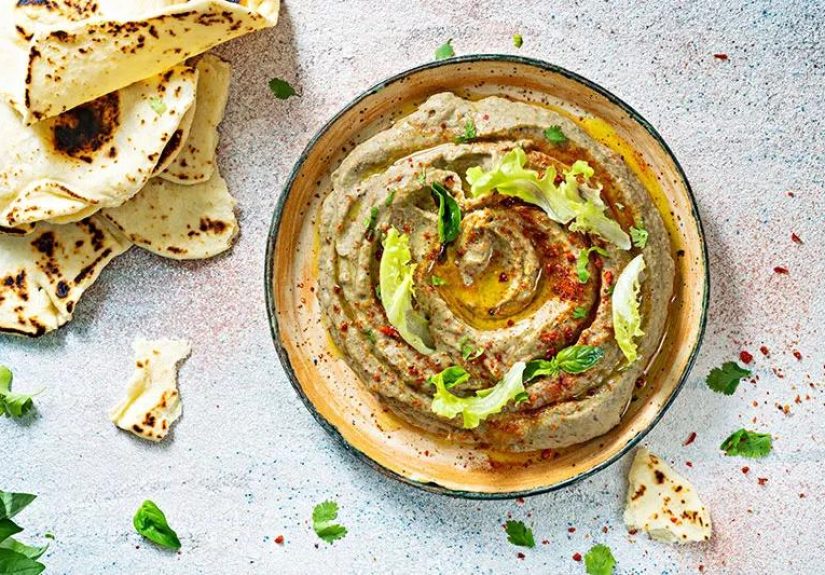
Spoon the baba ghanoush into a shallow bowl. Use the back of a spoon to make swoops on the surface, then drizzle with olive oil. Sprinkle with parsley, smoked paprika, Aleppo pepper, sesame seeds, or pomegranate seeds. Serve at room temperature with warm pita, pita chips, fresh vegetables, crackers, or grilled flatbread.
Baba Ghanoush Recipe Card
Recipe Details
- Prep time: 20 minutes
- Cook time: 35 to 45 minutes
- Draining time: 15 to 30 minutes
- Total time: About 1 hour 15 minutes
- Servings: 6 as an appetizer
- Yield: About 2 cups
Tips for the Best Baba Ghanoush
Char the Eggplant Whenever Possible
Smokiness is the soul of baba ghanoush. If you have a grill or gas stove, use it. If not, the oven still works beautifully. Broiling adds a little char and helps mimic that open-flame flavor.
Do Not Skip the Drain
Draining roasted eggplant makes the dip thicker and more flavorful. Watery eggplant can dilute the tahini, lemon, and garlic, leaving the final dish bland. Give it at least 15 minutes and let gravity do its very low-effort job.
Use Fresh Lemon Juice
Bottled lemon juice may be convenient, but fresh lemon juice tastes brighter and cleaner. Baba ghanoush relies on simple ingredients, so quality matters. When a recipe has only a handful of components, every one of them needs to show up wearing its best shoes.
Stir Tahini Before Measuring
Tahini separates in the jar, with oil rising to the top and sesame paste settling below. Stir it thoroughly before measuring so your baba ghanoush gets the right texture and flavor. Good tahini should taste nutty and slightly bitter, not harsh or stale.
What to Serve With Baba Ghanoush
Baba ghanoush is a natural centerpiece for a mezze platter. Serve it with hummus, olives, feta, tabbouleh, cucumber slices, cherry tomatoes, roasted peppers, dolmas, and warm pita. It also works as a spread for sandwiches, wraps, veggie burgers, and grilled chicken. Add a spoonful to grain bowls with quinoa, roasted vegetables, chickpeas, and herbs for a lunch that feels restaurant-level without the restaurant-level bill.
For a casual appetizer, pair baba ghanoush with pita chips and crunchy vegetables. For dinner, serve it alongside grilled lamb, chicken kebabs, roasted cauliflower, falafel, or baked fish. It adds creaminess, tang, and smoky depth to almost anything that could use a little Mediterranean sunshine.
Flavor Variations
Spicy Baba Ghanoush
Add 1/4 teaspoon cayenne pepper, 1/2 teaspoon Aleppo pepper, or a spoonful of harissa. This version is excellent with grilled meat or roasted vegetables.
Herby Baba Ghanoush
Fold in chopped parsley, mint, cilantro, or dill. Herbs brighten the dip and make it especially good for spring and summer meals.
Extra Creamy Baba Ghanoush
Add an extra tablespoon of tahini or a spoonful of plain Greek yogurt. This creates a richer, smoother dip, though yogurt makes it less traditional in some interpretations.
Pomegranate Baba Ghanoush
Top the finished dip with pomegranate seeds. They add color, sweetness, and a juicy pop that plays beautifully against smoky eggplant and nutty tahini.
How to Store Baba Ghanoush
Store baba ghanoush in an airtight container in the refrigerator for up to 4 days. The flavor often improves after a few hours as the garlic, lemon, tahini, and eggplant settle into each other. Before serving, stir well and taste again. Cold temperatures can dull flavor, so you may need a small pinch of salt or a squeeze of lemon juice to refresh it.
Baba ghanoush is best served chilled or at room temperature. Freezing is not ideal because the texture can become watery after thawing. If you do freeze it, stir thoroughly after defrosting and adjust with more tahini or olive oil.
Common Baba Ghanoush Mistakes to Avoid
Using Undercooked Eggplant
The eggplant should be completely soft and collapsed. If it still feels firm, keep cooking. Properly cooked eggplant turns creamy and sweet; undercooked eggplant tastes like it is still negotiating with the recipe.
Adding Too Much Garlic
Raw garlic gets stronger as it sits. Start with one clove if you are sensitive to garlic, then add more if needed. Baba ghanoush should have a garlicky lift, not the power to clear a conference room.
Overprocessing the Dip
A food processor can make baba ghanoush smooth, but too much blending may turn it thin. Hand-mashing keeps the texture rustic and gives the dip more character.
Forgetting to Taste at the End
Eggplants vary in size, moisture, and flavor. Always taste before serving. A little lemon, salt, or olive oil can turn a good dip into a great one.
Nutrition Highlights
Baba ghanoush is naturally vegetarian and can be vegan when made without yogurt. Eggplant provides fiber and a soft, satisfying texture, while tahini adds sesame flavor and plant-based richness. Olive oil contributes smoothness and helps carry the flavors. Compared with many creamy party dips, baba ghanoush feels lighter while still tasting indulgent.
For a lighter snack, serve it with raw vegetables. For a more filling meal, pair it with whole-grain pita, falafel, grilled protein, or a grain bowl. It is flexible, flavorful, and unlikely to sit forgotten in the fridgeunless your household has truly mysterious priorities.
Experience Notes: Making Baba Ghanoush at Home
The first time you make baba ghanoush, the process may feel a little dramatic. You put whole eggplants over heat until their skins blacken, their shapes slump, and your kitchen smells like a tiny Mediterranean barbecue has taken up residence near the stove. Then you peel away the charred exterior and discover the soft, smoky flesh inside. It is not glamorous in the beginning. In fact, roasted eggplant can look a bit like a deflated balloon that gave up on public life. But stay with it, because the transformation is worth it.
One of the best experiences with this recipe is learning how forgiving it can be. If your eggplants are slightly larger, add more lemon and salt. If your tahini is thick, loosen it with a splash of water or extra olive oil. If you love garlic, add another clove. If you prefer a softer flavor, let the garlic sit in lemon juice before mixing. Baba ghanoush gives you room to adjust, which makes it a great recipe for cooks who like guidance but do not want to feel bossed around by a bowl of dip.
The draining step is where patience pays off. The first time, you may be tempted to skip it because the eggplant already looks soft and ready. But after 20 minutes in a strainer, you will see how much liquid collects underneath. That liquid is the difference between a thick, restaurant-style baba ghanoush and a dip that looks like it needs emotional support. Draining concentrates the smoky flavor and makes the final texture smoother and more luxurious.
Serving baba ghanoush is also half the fun. Spread it in a shallow bowl instead of piling it into a deep container. Make a few swirls with a spoon, drizzle olive oil into the grooves, and sprinkle herbs or spices over the top. Suddenly, your humble eggplant dip looks like something from a stylish café where the chairs are uncomfortable but the lighting is excellent. Add warm pita, crunchy cucumbers, radishes, carrots, or grilled bread, and you have an appetizer that feels generous without being complicated.
Another practical lesson: baba ghanoush tastes even better after resting. Freshly made dip is delicious, but after a few hours in the refrigerator, the flavors become rounder and more balanced. The garlic mellows, the lemon blends into the tahini, and the eggplant becomes even silkier. This makes the recipe ideal for entertaining because you can prepare it earlier in the day and simply garnish before serving. Your guests will think you are calm and organized. Whether that is true is between you and your kitchen sink.
Baba ghanoush also has a way of converting eggplant skeptics. Many people who claim they do not like eggplant are reacting to poorly cooked eggplant: rubbery cubes, bitter slices, or oily pieces that absorb half a pan of oil and still somehow taste unfinished. Baba ghanoush solves those problems by cooking the eggplant until it becomes tender, smoky, and mellow. Mixed with tahini, lemon, and garlic, it becomes less about “eating eggplant” and more about enjoying a creamy, savory spread with real depth.
For meal prep, keep a container in the fridge and use it throughout the week. Spread it on toast with tomatoes. Add it to wraps with greens and grilled chicken. Spoon it beside roasted potatoes. Use it as a sauce for grain bowls. Thin it with a little water and lemon juice for a quick dressing. Once you stop thinking of baba ghanoush as only a dip, it becomes one of the most useful recipes in your kitchen.
The biggest takeaway from making baba ghanoush at home is that simple food can still feel special. A few eggplants, a spoonful of tahini, lemon, garlic, and olive oil become something smoky, elegant, and deeply satisfying. It is proof that good cooking does not always require rare ingredients or complicated techniques. Sometimes it just requires heat, patience, seasoning, and the courage to char an eggplant until it looks slightly suspicious.
Conclusion
Baba ghanoush is one of those recipes that delivers far more flavor than its ingredient list suggests. With smoky roasted eggplant, creamy tahini, fresh lemon juice, garlic, and olive oil, this Middle Eastern eggplant dip is simple, versatile, and memorable. Serve it as an appetizer, spread it on sandwiches, add it to mezze platters, or keep it in the fridge for quick snacks that feel much fancier than they are.
The secret is to cook the eggplant until fully tender, drain it well, season boldly, and finish with good olive oil. Once you master the basic method, you can adjust the recipe with herbs, spices, yogurt, pomegranate seeds, or extra heat. Homemade baba ghanoush is smoky, creamy, bright, and ready to make pita bread feel like it has finally found its purpose.