Table of Contents >> Show >> Hide
- What Exactly Is Quinoa?
- Quinoa Nutrition Facts (Cooked)
- Health Benefits of Quinoa (What the Evidence Suggests)
- 1) Supports Steadier Blood Sugar (When Portion Size Behaves)
- 2) Helps You Feel Full (A.K.A. Fewer “Snack Accidents”)
- 3) Heart Health: Fiber, Minerals, and a Smarter Carb Choice
- 4) Gluten-Free Option (With a Catch: Cross-Contamination)
- 5) Gut-Friendly (Slowly, If Your Gut Is Dramatic)
- 6) Antioxidants and Plant Compounds
- Types of Quinoa (And How to Choose the Right One)
- How to Cook Quinoa (Fluffy, Not Soggy)
- Best Ways to Eat Quinoa (Without Getting Bored)
- Potential Downsides and Who Should Be Careful
- Shopping, Storage, and “Is This Still Good?”
- Bottom Line
- Real-Life Quinoa Experiences (The Good, the Weird, the Delicious)
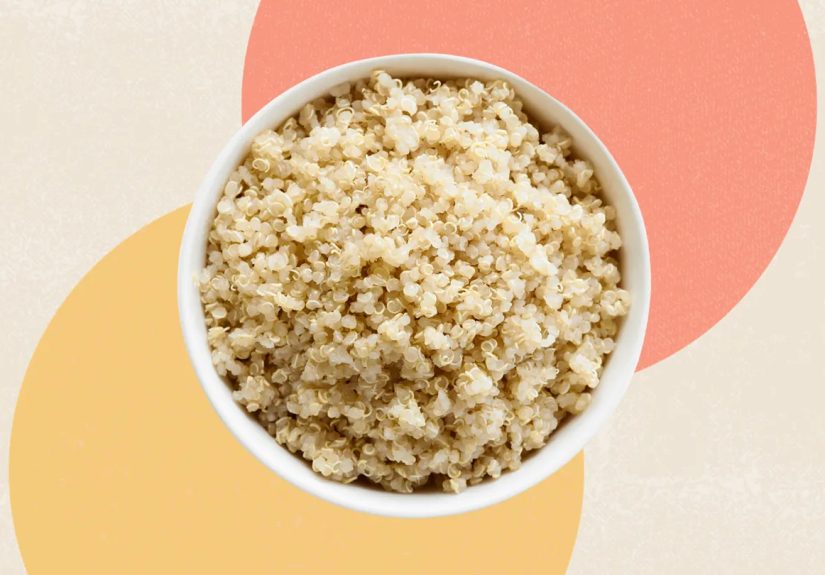
Quinoa (pronounced KEEN-wah) is the overachiever of the pantry. It shows up to dinner wearing a cape, quietly flexing
its protein, fiber, and mineralsthen pretends it’s “just a seed.” (Because it is. Sort of.) Technically, quinoa is a seed from
a plant related to spinach, but it’s cooked and used like a grain, so it gets invited to the whole-grain party anyway.
If you’re here for quinoa nutrition facts, the real scoop on its health benefits, a breakdown of
types of quinoa, and how to actually cook it without ending up with crunchy sadnesswelcome. Let’s make quinoa make sense.
What Exactly Is Quinoa?
Quinoa is often called an “ancient grain,” but it’s more accurate to call it a pseudocereal: it’s not a true cereal
grain like wheat or rice, yet it behaves like one in the kitchen. The seeds are naturally gluten-free and can be cooked into fluffy
little spirals (yes, those cute “tails” are normalno, your quinoa is not trying to escape).
Quinoa comes in multiple colors and forms (whole seeds, flakes, flour, pasta), and it plays well with everything from breakfast bowls
to salads to cozy soups. Think of it as rice’s more nutrient-dense cousin who still texts back.
Quinoa Nutrition Facts (Cooked)
Nutrition can vary slightly by brand and how it’s prepared, but the standard reference is cooked quinoa (plain, no oil, no salt).
Here’s what you can expect from 1 cup cooked quinoa:
- Calories: ~222
- Protein: ~8 grams
- Carbohydrates: ~39 grams
- Fiber: ~5 grams
- Fat: ~3–4 grams (mostly unsaturated)
- Sodium: naturally low (unless seasoned)
Quinoa also brings a solid lineup of micronutrients, commonly including magnesium, iron,
folate, manganese, phosphorus, zinc, and
vitamin B6. Translation: it’s not just “carbs in disguise”it’s a genuinely nutrient-dense staple.
Is Quinoa Really a “Complete Protein”?
“Complete protein” means a food contains all nine essential amino acids your body can’t make. Many plant foods are low in one or more,
but quinoa is notable because it contains all nine. That doesn’t mean you need quinoa to “complete” your dietlots of plant-based diets
do great without itbut it does make quinoa especially handy for vegetarian and vegan meals.
Quinoa vs. Rice (Quick Reality Check)
Quinoa and rice can both fit into a healthy eating pattern. The main difference is that quinoa generally offers more protein and fiber
per cooked cup than white rice, plus a wider spread of certain minerals. If you want a similar texture with a little extra nutrition,
quinoa is a strong swap. If you want a neutral base for spicy curry, rice is still living its best life. Both can win.
Health Benefits of Quinoa (What the Evidence Suggests)
No single food is magic (sorry), but quinoa checks several boxes that are consistently associated with better overall health:
fiber, protein, unsaturated fats, and plant compounds like polyphenols. Here are the benefits people care about mostwithout the hype.
1) Supports Steadier Blood Sugar (When Portion Size Behaves)
Quinoa contains fiber and protein, which can slow digestion and reduce the “quick spike, quick crash” feeling you might get from
more refined carbs. Many resources describe quinoa as a lower-to-moderate glycemic choice compared with refined grains. That said,
quinoa is still a carbohydrateso serving size matters, especially if you’re managing diabetes or prediabetes.
Practical example: try ½ cup cooked quinoa as your base and build the meal with non-starchy vegetables and a protein
(salmon, chicken, tofu, beans). That combo tends to be more blood-sugar-friendly than a big bowl of quinoa alone.
2) Helps You Feel Full (A.K.A. Fewer “Snack Accidents”)
Quinoa’s protein + fiber combo supports satietymeaning it can help you feel satisfied after eating. For many people, feeling full is
not a vanity metric; it’s a practical tool for maintaining a healthy weight and avoiding constant grazing.
Example: a quinoa bowl with roasted vegetables and a simple dressing is usually more filling than the same calories from crackers.
Your stomach understands “bowl,” not “crumbs.”
3) Heart Health: Fiber, Minerals, and a Smarter Carb Choice
Diets higher in whole grains and fiber are consistently linked with better cardiovascular outcomes. Quinoa can contribute to that pattern
by adding fiber and minerals like magnesium, plus replacing more refined starches in a meal. If you’re aiming for heart-friendly eating,
quinoa is a practical “upgrade,” especially when paired with vegetables, beans, nuts, olive oil, and fish.
4) Gluten-Free Option (With a Catch: Cross-Contamination)
Quinoa is naturally gluten-free, making it a popular choice for people with celiac disease or gluten sensitivity. The catch is
cross-contamination: quinoa can be processed in facilities that handle wheat. If you have celiac disease, look for
packaging that says certified gluten-free to reduce risk.
5) Gut-Friendly (Slowly, If Your Gut Is Dramatic)
Quinoa contains fiber that supports digestion and feeds beneficial gut bacteria. But if you jump from “not much fiber” to “quinoa every day,
plus beans, plus chia, plus an entire broccoli forest,” your gut may file a complaint. Build gradually, drink water, and let your system adapt.
6) Antioxidants and Plant Compounds
Quinoa contains a variety of plant compounds (including polyphenols). These compounds are studied for their antioxidant and anti-inflammatory
potential. You don’t need to memorize the chemistry to benefitjust know that quinoa is more than macros. It’s a whole-food package.
Types of Quinoa (And How to Choose the Right One)
White (Ivory) Quinoa
The most common and mildest. It cooks up fluffy and neutral, making it easy to use in nearly any recipe. If you’re new to quinoa,
start herewhite quinoa is the “gateway quinoa.”
Red Quinoa
Slightly nuttier with a firmer bite. Red quinoa holds its shape well, so it’s great for salads and meal prep where you don’t want
things turning mushy by day two.
Black Quinoa
Earthier flavor and a bit more crunch. It can take a little longer to cook, but it’s excellent when you want texturethink grain bowls
or cold salads with citrus, herbs, and crunchy vegetables.
Tri-Color Blends
A mix of white, red, and black quinoa. You get varied texture and a more “chef-y” look with zero extra effort. Basically: quinoa that
shows up dressed for the occasion.
How to Cook Quinoa (Fluffy, Not Soggy)
Quinoa is easy once you stop treating it like a mysterious health-food relic. Here’s the reliable method:
- Rinse (optional but often helpful): Place quinoa in a fine-mesh strainer and rinse under cold water for 15–30 seconds.
- Ratio: Use 1 part quinoa to 2 parts water (or broth for more flavor).
- Simmer: Bring to a boil, reduce to low, cover, and simmer about 15 minutes.
- Rest: Remove from heat and let it sit covered for 5 minutes.
- Fluff: Use a fork. Feel instantly competent.
Do You Have to Rinse Quinoa?
Quinoa naturally has a coating of saponins, which can taste bitter or “soapy.” Many packaged quinoas are pre-rinsed,
so rinsing may not be strictly necessary, but it can still improve flavorespecially if you’re sensitive to bitterness or buying from bulk bins.
If your quinoa has ever tasted like dish soap had a cameo, rinsing is your new best friend.
Flavor Upgrade: Toast It First
Want quinoa to taste less like “health” and more like “oh wow”? Toast dry quinoa in a saucepan for 2–3 minutes before adding liquid.
It brings out a nutty aroma that makes the whole pot smell like you know what you’re doing.
Best Ways to Eat Quinoa (Without Getting Bored)
Quinoa is versatile enough to show up in multiple meals a dayif you don’t use it the same way every time. Here are ideas that actually taste good:
Breakfast
- Warm quinoa “oatmeal”: Cook with milk (or almond milk), cinnamon, and a pinch of salt. Top with berries and nuts.
- Protein breakfast bowl: Quinoa + Greek yogurt + fruit + seeds. Weirdly satisfying.
Lunch
- Quinoa salad meal prep: Red quinoa + chickpeas + cucumbers + tomatoes + feta + lemon-olive oil dressing.
- “Desk-proof” bowl: Quinoa + roasted veggies + chicken/tofu + sauce you actually like.
Dinner
- Quinoa instead of rice: Works in stir-fries, curry bowls, and chili.
- Soup thickener: Add cooked quinoa to soups for body and protein.
- Stuffed vegetables: Use quinoa in stuffed peppers or zucchini boats.
Snacks and Baking
- Quinoa patties: Mix cooked quinoa with egg, herbs, and veggies, then pan-sear.
- Quinoa flour: Great for gluten-free baking blends (it has a distinct flavor, so mix with other flours).
Potential Downsides and Who Should Be Careful
Quinoa is safe for most people, but “healthy” doesn’t mean “perfect for everyone in unlimited amounts.” Here are realistic cautions:
Digestive Discomfort (Usually a Fiber Speed Issue)
If you’re not used to fiber, quinoa can cause bloating or gasespecially if you increase your intake quickly. Start with smaller portions
(like ½ cup cooked), hydrate well, and increase gradually.
Saponins and Sensitivity
Some people are more sensitive to quinoa’s natural saponins, which may contribute to stomach upset or a bitter taste. Rinsing can help.
If you consistently feel “off” after quinoa, try a different brand, rinse thoroughly, or discuss symptoms with a clinician.
Allergies (Rare, But Real)
Quinoa allergy is uncommon, but it can happen. Symptoms may include hives, itching, stomach pain, or more severe allergic reactions.
Seek medical help if you suspect an allergyespecially with swelling, trouble breathing, or widespread hives.
Kidney Stone Concerns (Oxalates)
Quinoa contains compounds like oxalates and phytates, which can affect mineral absorption and may matter for specific conditions. For most
people, quinoa in normal portions is fine. If you’ve been told to limit oxalates (for certain kidney stones), ask your healthcare provider
how quinoa fits into your plan.
Shopping, Storage, and “Is This Still Good?”
Buying Tips
- Check the label: If you need strict gluten avoidance, choose certified gluten-free.
- Pick the type by recipe: White for fluffy bowls, red/black for salads and texture.
- Bulk bins: Often cheaper, but may be more likely to need rinsing and may carry cross-contact risks.
Storage
Store dry quinoa in an airtight container in a cool, dry place. Cooked quinoa keeps well in the fridge for several days and freezes
beautifullyportion it into containers and you’ve basically meal-prepped your future self into a better mood.
Bottom Line
Quinoa earns its popularity: it’s nutrient-dense, naturally gluten-free, and offers a rare plant-based “complete protein” profile. It can
support fullness, heart-friendly eating patterns, and steadier blood sugarespecially when you use smart portions and pair it with protein,
healthy fats, and vegetables.
The best part? Quinoa is easy once you stop overthinking it. Rinse if you’re sensitive, toast if you want it extra tasty, and rotate your
recipes so quinoa stays interesting. Your pantry deserves at least one ingredient that’s both practical and a little impressive.
Real-Life Quinoa Experiences (The Good, the Weird, the Delicious)
If you’re wondering what quinoa is like in the real world (outside of perfect food photos), here’s the honest vibe many people report
when they start adding it to their routine. First: there’s usually a “Wait… this is it?” moment. Quinoa cooks fast, looks tiny, and then
somehow triples in volume like it’s trying to win a magic show. That’s great for meal prepone pot can become lunches for daysbut it can
also surprise you if you measure dry quinoa like you measure cereal (bold, chaotic, and destined for leftovers).
Flavor-wise, quinoa often gets labeled as “nutty,” which is true… but it’s also mild enough that it can taste bland if you don’t season it.
A common first-time experience is making quinoa in plain water, taking one bite, and realizing your taste buds have filed for early
retirement. The fix is easy: cook it in broth, add a pinch of salt, or stir in lemon, herbs, garlic, or a drizzle of olive oil after it’s done.
Once it’s seasoned, quinoa stops being “health food” and starts being “hey, I’d eat that again on purpose.”
Another very real experience: the rinse debate. Some people never rinse and swear they taste no difference. Others skip rinsing once and
claim their quinoa tasted like soap’s misunderstood cousin. If you’re sensitive to bitterness, rinsing usually becomes the non-negotiable step.
The good news is that it’s quick. The bad news is that quinoa is small and enthusiastic about escaping through large strainers. Use a fine-mesh
strainer unless you enjoy playing “find the quinoa” in your sink.
Then there’s the digestion learning curve. Quinoa can feel greatsteady energy, fewer snack cravings, and that satisfied feeling you get from a
meal that actually has fiber and protein. But if your diet has been low in fiber, quinoa can also introduce you to a short-term bloating era.
Many people do better starting with a smaller serving (like ½ cup cooked) and pairing it with familiar foods. Add water, add time, and your gut
usually calms down and becomes a fan.
Finally, quinoa tends to become a “default base” once people figure out their favorite format. Some fall for warm breakfast quinoa with cinnamon
and fruit. Others become salad people overnight (red quinoa helps because it stays firm). And a lot of folks discover the meal-prep jackpot:
a big batch of quinoa plus rotating toppingsone day taco bowl, next day Mediterranean, next day stir-fry. The best experience is when quinoa
stops being a special project and turns into an easy tool: quick to cook, easy to store, and flexible enough to fit whatever you’re craving.