Table of Contents >> Show >> Hide
- What “PP Stackable Dust Box Dual” Actually Means
- Why Polypropylene Is a Big Deal in a Trash Bin
- Why Dual + Stackable Works (When You Set It Up Right)
- How to Choose the Best Setup for Your Home
- Placement: The Make-or-Break Factor
- Odor Control and Cleaning: Keep It Civilized
- How It Compares to Other Popular Dual-Bin Options
- Buying Checklist: What to Look for Before You Commit
- FAQ
- Experiences With a PP Stackable Dust Box Dual (What Real Life Tends to Look Like)
- 1) The first week: you realize how much packaging you actually generate
- 2) Labels stop arguments before they start
- 3) Guests copy what’s easiest
- 4) Kids become surprisingly good at sortingif the system is simple
- 5) The bin becomes a routine anchor (in a good way)
- 6) You’ll fine-tune the splitbecause your life changes
A “dust box” sounds like something you’d use to sweep up after a dramatic flour explosion (we’ve all been there),
but in home-organization speak it’s basically a trash binoften a slim, clean-lined one that tries not to ruin your
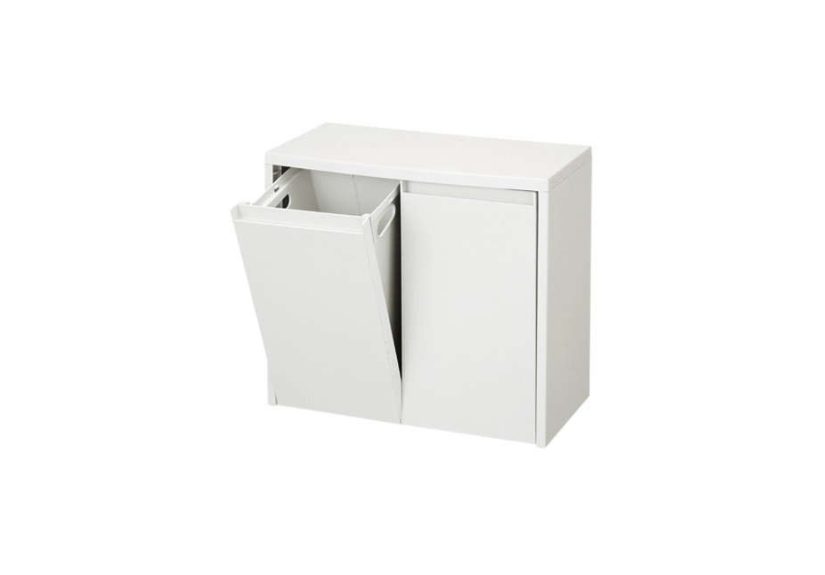
whole kitchen vibe. The PP Stackable Dust Box Dual takes that idea and adds a very modern twist:
two compartments, designed to help you sort waste (trash vs. recycling, or recycling vs. compostables, or “regular life”
vs. “mystery items my household generates at 2 a.m.”) without needing a whole landfill’s worth of floor space.
In this guide, we’ll break down what the PP Stackable Dust Box Dual is, why polypropylene (PP) is a surprisingly smart
material choice, how to set it up so people actually use it, and how to keep it from becoming the world’s most expensive
“temporary storage for random cardboard.” You’ll also get practical examples, a buying checklist, andat the endreal-life
style experiences and routines people commonly run into when switching to a dual-bin system.
What “PP Stackable Dust Box Dual” Actually Means
Let’s translate the name, because product names love being cryptic:
- PP = polypropylene, a durable plastic used in lots of household goods.
- Stackable = designed to sit neatly with other compatible units (vertical stacking is the whole point).
- Dust Box = a tidy indoor trash bin (often minimal, often rectangular).
- Dual = two separate boxes/compartments so you can sort.
The MUJI-linked listing widely referenced for this product describes it as “Dual Boxes,” with dimensions approximately
W40 × D20 × H37 cm and a weight around 1.79 kg. Some listings also mention a per-box
capacity figureif you see conflicting numbers in the wild, treat capacity as the “verify before you buy” spec,
because retailers sometimes vary in how they report it (per compartment vs. total, liters vs. bag size, etc.).
Why Polypropylene Is a Big Deal in a Trash Bin
If you’ve ever owned a flimsy bin that cracked the first time you looked at it with disappointment, you already know
why material matters. Polypropylene is popular in practical home items because it’s lightweight, fairly tough, and
handles daily wear without acting like a dramatic soap-opera character.
PP is sturdy without being heavy
A bin that’s easy to move gets emptied more often. A bin that’s annoying to move becomes a permanent kitchen fixture
that slowly develops a personality. PP tends to land in the sweet spot: sturdy enough to hold shape, light enough
that you can lift it with one hand while your other hand is holding the trash bag that is definitely about to leak.
PP is “#5” plasticrecyclable, but acceptance varies
Polypropylene is commonly labeled as resin code #5. In many places it can be recycled, but local
acceptance varies and changes over time. The practical takeaway: the bin itself is usually long-lived (that’s a win),
and when it’s finally at end-of-life you’ll want to check local guidance rather than assume curbside acceptance.
Why Dual + Stackable Works (When You Set It Up Right)
Dual bins are popular for one simple reason: sorting at the moment you toss something is easier than sorting a chaotic
pile later. But “dual bin” doesn’t automatically equal “recycling success.” The best system is the one your household
can follow on autopilothalf-awake, hands full, and mildly annoyed that someone left one spoon in the sink again.
Use-case #1: Trash + recycling in a tight footprint
If you live in an apartment, a small kitchen, or a home where every cabinet is already booked by air fryers, the
PP Stackable Dust Box Dual’s narrow, rectangular footprint can be the difference between “functional” and “why is my
trash can in the hallway?”
Use-case #2: Recycling sorting without a whole recycling center in your kitchen
Many households want to sort (paper vs. containers, deposit bottles vs. everything else), but don’t want three massive
bins out in the open. A stackable approach can help you expand capacity vertically rather than horizontallyespecially
helpful when you’re trying to keep walkways clear.
Use-case #3: A “pre-sort” station for drop-off recycling
Some materials can’t go curbside where you live, but can be recycled through drop-off programs. A dual system can
act as a staging zone: one side for curbside items, one side for “drop-off later.” It’s less glamorous than a coffee
bar, but far more useful.
How to Choose the Best Setup for Your Home
Before you buy (or before you reorganize what you already own), do a quick reality check. Your goal is a system that
matches your actual waste streamnot the aspirational version of you who always rinses containers and never buys
anything wrapped in plastic.
Step 1: Identify your top two waste categories
- Most common: Trash + recycling
- Also common: Recycling + compostables
- Small households: Trash + “returnables” (deposit bottles/cans)
- Families: “Dry recycling” + “everything else” (because volume is the enemy)
Step 2: Decide which side should be bigger
Many dual bins fail because the compartments are the wrong size for the household. If you generate mountains of
cardboard (hello, online shopping), the recycling side needs more room. If you cook at home a lot and don’t compost,
trash volume may dominate. A stackable system can help you add capacity where you need itwithout replacing everything.
Step 3: Label it like you’re teaching a friendly alien
Labels work. Not because your family can’t readbecause they’re busy and tired and thinking about 800 other things.
Use simple labels (“TRASH,” “CANS/BOTTLES,” “PAPER”) and place them at eye level. If your household includes kids,
use icons too. The goal is instant decisions, not philosophical debates about yogurt cups.
Placement: The Make-or-Break Factor
The perfect bin in the wrong place becomes décor. The “fine” bin in the right place becomes a habit.
Best places to put a dual stackable bin
- Near the food prep zone (where packaging and scraps actually happen)
- Near the exit to your main outdoor bin (if you frequently carry bags out)
- In a pantry or utility corner (if you want it visually quiet but still accessible)
- Near the garage door (for households that take recycling out in batches)
Measure like a grown-up who has been burned before
Measure the width/depth where it will sit, and account for:
cabinet doors, drawer pulls, baseboards, and the “I need to open this without doing yoga” clearance. If it’s going
under a counter overhang, measure that too. Your future self will thank you.
Odor Control and Cleaning: Keep It Civilized
A dual bin is a convenience tooluntil it smells like it’s trying to launch its own reality show. The solution is a
combo of routine, containment, and quick cleaning habits.
Odor control that doesn’t require a chemistry degree
- Take trash out before it’s full (full is not a moral achievement).
- Keep wet waste separate when possible (compost caddy or sealed bag).
- Use baking soda or deodorizing packs at the bottom of the compartment.
- Choose liners that fit so you’re not fighting bag slippage (rage is not eco-friendly).
A simple cleaning routine
Once a week (or whenever something leaks), rinse the interior, scrub with mild dish soap, and let it fully dry.
A quick wipe-down prevents sticky residue from turning into “why is this permanently tacky?” If your bin is in a
high-splash zone (kitchen), you’ll be glad you did.
How It Compares to Other Popular Dual-Bin Options
Not all dual systems are created equal. Here’s how the PP Stackable Dust Box Dual concept tends to compare to other
mainstream approaches:
1) Step-on dual-compartment cans
These are the classic “trash + recycling” solutionsoften stainless steel, often larger, often with features like
foot pedals and soft-close lids. They’re great for hands-free convenience and odor containment, but they can be bulky
and may not fit narrow gaps.
2) Under-counter pull-out dual bins
If you want your waste system hidden, pull-out cabinet units can be a dreamespecially for streamlined kitchens.
The trade-off is install complexity and cabinet space. In contrast, a stackable dust box is more flexible: no install,
easy relocation, and you can adjust the system over time.
3) Modular “station” setups
Some households use multiple open-top bins or totes. This can work well in garages or utility areas, but in the
kitchen it can look messy fast. The appeal of a MUJI-style dust box is that it’s designed to look calm on purpose.
Buying Checklist: What to Look for Before You Commit
- Footprint: Will it fit where waste actually happens?
- Compartment logic: Does it match your top two waste categories?
- Ease of emptying: Can you remove bags/liners without wrestling?
- Odor strategy: Lid design, bag fit, and how often you realistically empty it.
- Cleaning: Smooth surfaces, few crevices, easy access.
- Growth potential: Can you stack or expand later if your needs change?
FAQ
Is polypropylene safe for indoor household use?
PP is widely used in household items and food-related packaging. For a trash/recycling bin, the bigger practical concern
is cleaning and odor controlnot material safety. Keep it clean, keep it dry, and you’re in good shape.
Can a dual bin really improve recycling habits?
Yesif it reduces friction. People recycle more when sorting is easy and obvious. A dual setup removes the “I’ll deal
with it later” step, which is where good intentions go to die.
What if my city doesn’t accept certain plastics?
Then your system should reflect that reality. Use one compartment for accepted recyclables and one for trash or
drop-off items. Check local rules periodically; acceptance changes as facilities upgrade.
Experiences With a PP Stackable Dust Box Dual (What Real Life Tends to Look Like)
Switching to a dual, stackable dust box system isn’t a dramatic “new year, new you” momentit’s more like changing the
batteries in your smoke detector: small, unglamorous, and suddenly everything works better. Here are common experiences
households report when they go from a single-bin setup to a PP Stackable Dust Box Dual-style routine.
Consider this the “day-to-day reality” sectionless marketing brochure, more lived-in kitchen.
1) The first week: you realize how much packaging you actually generate
The first few days are basically a waste audit you didn’t ask for. You toss a cereal box, rinse a jar, flatten a delivery
carton, and suddenly the recycling compartment is doing cardio. Many people notice they either need more recycling
capacityor they need to break down cardboard more consistently. The dual bin makes the imbalance visible, which is
annoying for about 48 hours, and then genuinely helpful.
2) Labels stop arguments before they start
In a one-bin household, recycling debates happen at the worst possible times: when you’re cooking, when you’re late,
or when you’re holding a sticky container like it’s a live grenade. With a dual dust box, people tend to add labels
quicklysometimes with a label maker, sometimes with painter’s tape and optimism. Once labels are in place, the
“where does this go?” conversations drop off. Not to zero (humanity isn’t ready), but enough to feel like a victory.
3) Guests copy what’s easiest
Guests rarely read your mind, but they do read your setup. If one compartment is clearly marked “TRASH” and the other
says “RECYCLING,” most visitors will follow the system without asking. If you don’t label it, they’ll do the universal
guest move: choose whichever opening looks least likely to get them judged. Clear signage is basically hospitality.
4) Kids become surprisingly good at sortingif the system is simple
Parents often notice that kids learn the routine quickly, as long as the categories are easy. “Paper here, everything
else there” works. “Rigid plastics #1–#2 only, but caps on, and no black plastic” does not work unless your child is
secretly a municipal recycling coordinator. Many families start broad and refine later, which is smarter than trying
to launch “Recycling: The Musical” on day one.
5) The bin becomes a routine anchor (in a good way)
A dual dust box often becomes part of a weekly rhythm: break down cardboard on delivery day, empty recycling on a
specific evening, wipe the bin after taking out trash. People who like “systems” enjoy this. People who don’t like
systems enjoy that it removes decisions. Either way, the kitchen feels calmer because waste isn’t migrating across
countertops like it’s trying to colonize your home.
6) You’ll fine-tune the splitbecause your life changes
A common experience: the compartments you thought you needed aren’t the compartments you actually need. Maybe you
start composting and suddenly “trash” shrinks. Maybe you stop drinking canned beverages and your “returnables” side
becomes the “miscellaneous” side. The nice part about a stackable, modular mindset is that you can adjust without
replacing everything. Your bin setup should evolve as your habits evolveotherwise it becomes a monument to a lifestyle
you tried for two weeks in March.
Bottom line: the PP Stackable Dust Box Dual isn’t magic. It won’t sort your recycling for you, and it
won’t stop someone from putting a greasy pizza box where it doesn’t belong. But it does make the right behavior
easier than the wrong oneand that’s the secret sauce of any home organization “upgrade” that actually sticks.