Table of Contents >> Show >> Hide
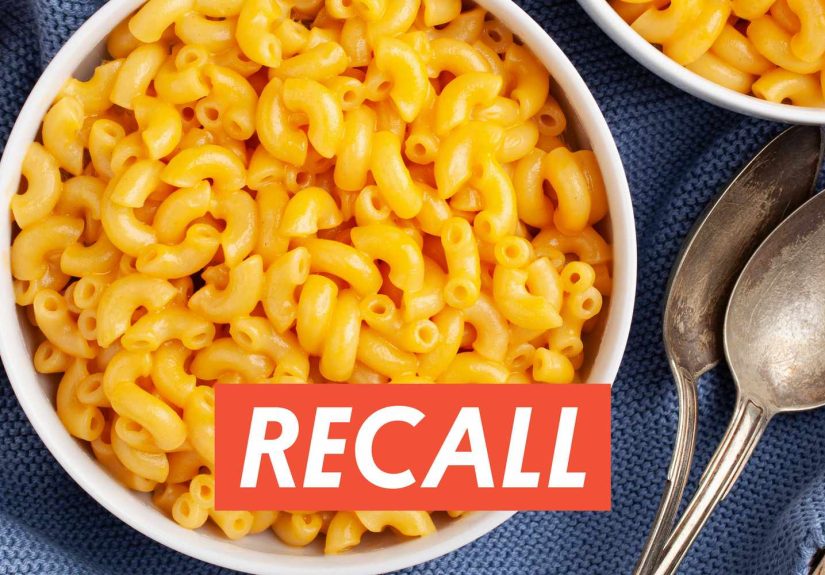
There are food recalls, and then there are panic-check-your-pantry-right-now food recalls. This one lands firmly in the second category. A popular boxed mac and cheese brand, Goodles, was recalled after certain products were found to contain undeclared allergens that could trigger serious or even life-threatening reactions in people with milk or tree nut allergies. For many shoppers, boxed mac and cheese is the ultimate comfort food backup plan: cheap, quick, familiar, and usually one of the last things people suspect could become a health emergency. That is exactly why this recall matters.
The recall involves two Goodles varieties: Vegan Is Believin’ – Plant Based White Cheddar with Spirals and Here Comes Truffle – Creamy Truffle Flavored Cheddar and Shells. According to the official recall notice, the plant-based white cheddar product may contain milk that was not declared on the label, while the truffle-flavored product may contain cashew that was also not declared. For people with food allergies, that is not a minor typo. That is the kind of labeling failure that can turn dinner into an ambulance-level problem.
And yes, the irony is impossible to ignore: a product marketed as vegan may contain milk. That is not merely awkward branding. It is precisely the kind of mismatch that can erode trust among consumers who depend on labels for safety, not just dietary preference. When a shopper sees “plant-based,” they may reasonably assume they are avoiding dairy. In a recall like this, that assumption becomes the whole story.
What Was Recalled?
The recall covers five lots of Goodles Vegan Is Believin’ and three lots of Goodles Here Comes Truffle. The affected products were produced between April 7 and April 15, 2025, and were distributed nationally to wholesale distributors, operators, and online channels between late April and early August 2025. Reporting on the recall also identified major retail channels associated with the brand, including names such as Walmart, Target, Kroger, Whole Foods, Amazon, and Instacart, which explains why the news spread quickly and why so many shoppers were told to check their shelves immediately.
| Product | Undeclared Allergen | UPC | Lot Codes | Best By Dates |
|---|---|---|---|---|
| Goodles Vegan Is Believin’ – Plant Based White Cheddar with Spirals (5.25 oz) | Milk | 850031990074 | 09725N, 09825N, 09925N, 10025N, 10125N | July 7, 2026 through July 11, 2026 |
| Goodles Here Comes Truffle – Creamy Truffle Flavored Cheddar and Shells (6 oz) | Cashew | 850031990159 | 10125N, 10425N, 10525N | July 11, 2026; July 14, 2026; July 15, 2026 |
The company said the issue was discovered through consumer feedback, which is both reassuring and unsettling. Reassuring, because consumer reports can catch problems fast. Unsettling, because it means real people were affected before the problem was fully identified. The recall notice states that eight allergic reactions were reported in connection with these products: six tied to Here Comes Truffle and two tied to Vegan Is Believin’.
Why Undeclared Allergens Are So Serious
Food allergies are not the same thing as food intolerances, and that distinction matters. An intolerance may ruin your evening. An allergy can endanger your life. Medical guidance from major U.S. health sources makes it clear that food allergies involve the immune system and can escalate rapidly, sometimes within minutes. Symptoms can begin with hives, itching, nausea, or swelling, then move into dangerous territory with throat tightness, breathing trouble, dizziness, reduced blood pressure, or full anaphylaxis.
Milk is one of the major food allergens that must be clearly labeled on packaged foods. Cashew, as a tree nut, also falls into a major allergen category that requires clear disclosure. Federal labeling rules exist for a reason: people with allergies often rely on packaging as their first and most important layer of protection. When an allergen is undeclared, the package becomes misleading at exactly the moment it is supposed to be protective.
Another important point: reactions are unpredictable. Someone may have had a mild reaction once and a severe one later. Someone else may react after only a tiny amount. That is why undeclared allergens are treated so seriously by regulators, retailers, and physicians. A boxed meal does not need to look dangerous to be dangerous. It just needs one ingredient that should have been disclosed and was not.
Why This Recall Hit a Nerve
Boxed mac and cheese is not some obscure imported sauce hiding on the top shelf behind a mysterious jar of capers. It is the weeknight MVP. It lives in dorm rooms, office kitchens, family pantries, and those “I do not have time for real cooking tonight” cabinets across America. The recalled Goodles products sit in a category people associate with simplicity and convenience. That is part of what makes this recall feel so personal for many shoppers.
There is also a trust issue. Shoppers buy specialty foods for specific reasons. A plant-based shopper may choose a vegan mac and cheese to avoid dairy. A family managing nut allergies may read labels carefully and still feel comfortable buying a product that does not declare tree nuts. A parent sending a quick dinner to a teenager, a college student heating up food between classes, or a babysitter following pantry instructions may all assume the box says what it means and means what it says. In food safety, that assumption is supposed to be safe.
When it is not, the damage goes beyond one product. It can shake confidence in labeling, in specialty claims, and even in pantry staples people have purchased for years without a second thought. That is why allergen recalls often generate outsized concern compared with other food alerts. They strike at the basic contract between manufacturer and consumer: tell me what is in the box, and I will decide whether it is safe for my household.
What Consumers Should Do Right Now
If you have either of the recalled Goodles products, do not eat them. Check the product name, UPC, lot code, and best-by date on the outside of the box. If the box matches the recall details, return it to the place of purchase for a refund. Do not donate it, do not “just save it for someone else,” and do not assume the risk only applies to people with severe allergies. Shared kitchens, accidental serving, and casual handoffs are exactly how recalled products keep causing problems.
If someone in your home has already eaten one of the recalled products and is showing signs of an allergic reaction, act based on severity. Mild symptoms can still become serious quickly. Trouble breathing, swelling of the throat, faintness, confusion, or multiple body systems reacting at once should be treated as an emergency. In the United States, that means calling 911 right away. Anyone with a prescribed epinephrine auto-injector should follow their medical plan.
Consumers who are concerned about possible exposure should contact a healthcare provider. It is also smart to clean any utensils, bowls, counters, or cookware that may have come into contact with the product, especially in homes where allergen avoidance is part of daily life. Allergies do not care that the meal was meant to be comforting.
How Labeling Failures Happen and Why They Keep Happening
One of the most frustrating things about undeclared-allergen recalls is how preventable they often appear. A label mismatch, a production change not reflected on packaging, an ingredient mix-up, or cross-contact that was not properly controlled can all create the same result: the package no longer tells the truth. The official recall notice in this case says the issue was identified through consumer feedback, but it does not spell out the exact production error in public detail. That leaves consumers with the practical reality, not the forensic answer.
Still, the broader lesson is clear. Labels are not decorative. They are safety tools. Federal rules require major allergens to be declared because millions of Americans live with food allergies, and many reactions begin with packaged foods that appear ordinary. The more “healthy,” “better-for-you,” or “special diet” a product seems, the more carefully shoppers with allergies may rely on those signals. When a vegan-branded item may contain milk, the gap between message and reality becomes more than a compliance problem. It becomes a public health problem.
This is also why recall literacy matters. Shoppers should know where lot codes are found, understand that not every product from a brand is affected, and avoid the habit of glancing only at the front of the box. The front sells the dream. The side and bottom often tell the truth.
What This Recall Says About the Modern Pantry
American kitchens today are full of identity-driven food purchases: gluten-free crackers, dairy-free frozen desserts, nut-free snacks, plant-based entrees, high-protein pasta, allergen-conscious lunchbox foods. That is not just a trend. It is how people shop when health, ethics, convenience, and budget all collide in one grocery cart. The Goodles recall landed in that exact intersection.
For brands, the message is blunt. Consumers are not merely buying flavor anymore. They are buying trust, routine, and a little bit of peace of mind. For retailers, recalls like this are a reminder that speed matters, shelf communication matters, and digital product pages matter. For shoppers, it is another nudge to keep receipts when possible, sign up for recall alerts, and avoid assuming a familiar package is automatically a safe package.
None of this means people should become paranoid every time they boil pasta. But it does mean food labels deserve more than a casual glance, especially in households managing allergies. The most dangerous recall is often the one sitting in a cupboard looking completely normal.
Experiences That Show Why This Topic Hits So Hard
Recalls like this are not just regulatory events. They are lived experiences. In many homes, the story starts with a rushed evening. A parent is late from work, a kid is hungry, and boxed mac and cheese feels like the easiest win of the night. Water boils, cheese sauce gets stirred in, dinner lands on the table, and nobody expects a label to be the most important part of the meal. Then someone sees the recall alert online, or a message comes through from a store app, and the room changes. Suddenly a comfort food becomes an object of suspicion. That emotional whiplash is real.
For families managing allergies every day, the experience can be even more intense. These households already read labels with detective-level focus. They memorize safe brands, compare ingredients from old and new boxes, and keep backup foods around because routine is safety. When a recalled product turns out to contain an undeclared allergen, the reaction is often part anger, part exhaustion. There is the immediate question of exposure, then the second wave of worry: What else in the pantry needs checking? Was that last meal safe? Did the babysitter use it? Did my teenager make this after school without telling me?
College students and young adults have their own version of this experience. Boxed mac and cheese is dorm-room royalty. It is budget-friendly, easy to store, and simple to make when a schedule is chaotic. A student with food allergies may choose a product specifically because the label appears to fit their needs. A recall then creates not only health anxiety, but also a practical headache. Many students do not keep original receipts. They may have thrown away the outer box. They may have split a pantry haul with roommates. The product is suddenly hard to identify at exactly the moment identification matters most.
Then there is the social side. Picture a host serving an easy dinner during a movie night, a grandparent making a familiar meal for visiting kids, or a friend offering “the vegan one” because they are trying to be thoughtful. In each case, the label is doing the talking before the cook ever does. When the label is wrong, the person serving the food may feel guilty even though they acted in good faith. That is another underappreciated consequence of recalls: they create stress not only for the allergic person, but for everyone trying to care for them responsibly.
Even shoppers who do not live with food allergies often describe a weird loss of confidence after a major allergen recall. They start double-checking foods they never used to question. They read packaging more carefully. They hesitate before recommending a brand to someone else. That does not mean the food system is broken beyond repair, but it does show how quickly trust can crack. Rebuilding it takes more than issuing a refund. It takes clear communication, fast action, and a visible commitment to getting the details right the next time.
In that sense, the Goodles mac and cheese recall is bigger than one pantry product. It is a reminder that behind every recall number, lot code, and UPC is a real-life routine that got interrupted. Dinner plans changed. Anxiety spiked. Parents checked cabinets twice. Shoppers re-read labels they thought they already understood. That human side is the part recall headlines often rush past, even though it is the part most people remember.
Final Takeaway
The recall of these popular boxed mac and cheese products is a textbook example of why undeclared allergens are treated with such urgency. The affected Goodles items may look ordinary, but for people with milk or cashew allergies, they were anything but. This recall underscores how much trust consumers place in labels, how quickly that trust can be disrupted, and how important it is to act fast when an allergen alert appears.
The practical takeaway is simple: check your pantry, verify the lot codes, do not consume affected products, and treat allergy symptoms with the seriousness they deserve. The broader takeaway is even more important. In a grocery world filled with specialty claims and convenience foods, labeling accuracy is not optional. It is the difference between an easy dinner and a medical emergency. That is a pretty big difference for something that starts with pasta in a box.